

Last verified: October 2, 2026
Rabbit Digging Box: Build an Outlet for a Behavior Rabbits Already Need
Quick answer: use a stable high-sided box large enough for the rabbit to turn, dig and push material without immediately emptying it. RWAF recommends a digging box at least about twice the size of the rabbit. For an indoor, low-mess setup, deep hay and/or clean shredded paper are practical starting fills. Soil or sand can work in suitable supervised setups, but dust, additives, escape risk and cleanup matter.
Patify build rule: size for movement first, choose fill second, then solve mess. A tiny decorative tray that lets the rabbit scratch twice is not meaningful digging enrichment.
Why Rabbits Dig Even When They Are Not Trying to Escape
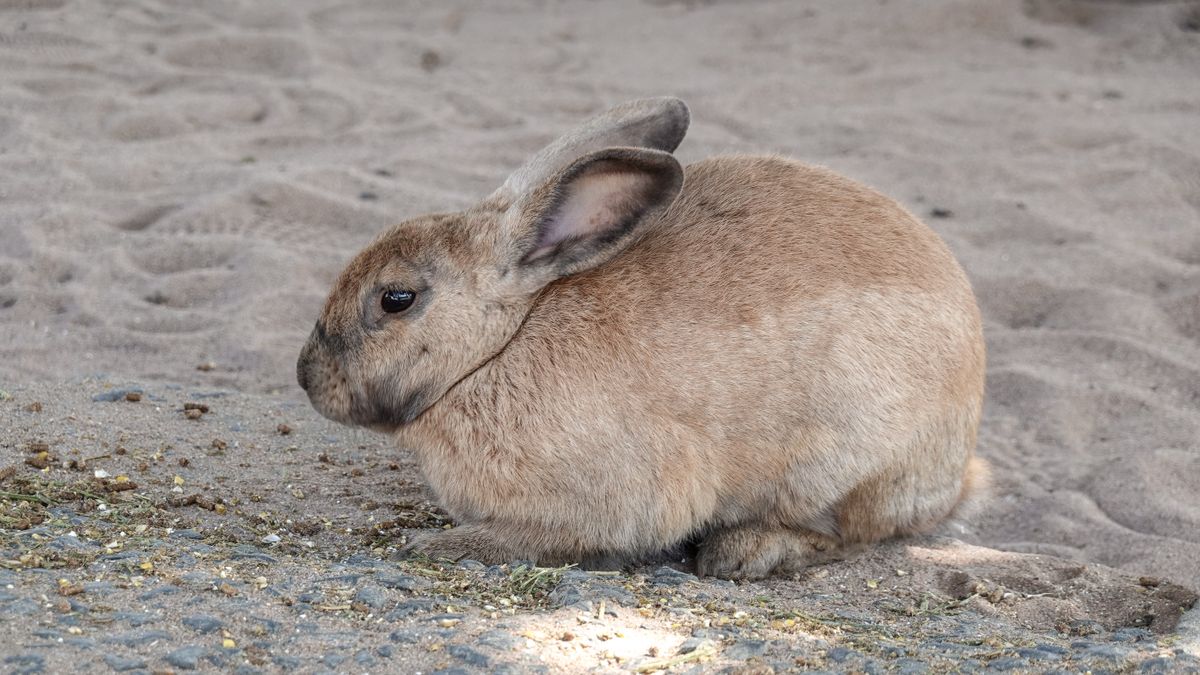
RWAF describes digging as normal instinctive behavior. Wild European rabbits dig burrows and warrens, but digging also helps uncover food, expose cooler earth, create resting scrapes and investigate the environment. The movement recruits forelimbs and trunk muscles and is part of normal behavioral expression.
Indoor rabbits do not stop having that behavioral system because the floor is carpet or laminate. Without an acceptable outlet, the target may become carpet edges, bedding, curtains, sofa corners or the litter box.
The goal of a dig box is therefore redirection, not suppression.
DIY Rabbit Digging Box: The 6-Part Build
| Part | What to choose | Why |
|---|---|---|
| Container | Large high-sided storage tote, large litter tray, child sandpit, cardboard box or sturdy planter | Needs room for a full digging sequence |
| Footprint | RWAF: at least about twice the size of the rabbit | Allows turning, bracing and pushing material |
| Entry | Low enough to enter comfortably; smooth edges | Reduces awkward jumping and sharp-edge risk |
| Sides | High on the digging/push side | Keeps fill inside |
| Fill | Hay, shredded plain paper, suitable clean soil/play sand depending on setup | Lets forepaws rake and push material |
| Location | Where the rabbit already scratches/digs or near a tunnel/hide | Uses existing behavior instead of fighting it |
Build option A: lowest-mess indoor box
- Choose a high-sided plastic tote or large box with enough floor area.
- Create a smooth, accessible entry if the side is too high.
- Add a deep loose layer of hay and/or clean shredded plain paper.
- Hide a small portion of the rabbit’s normal pellets or herbs through the material.
- Place it at a favored digging spot or at the end of a tunnel.
Build option B: soil/sand digging station
RWAF notes that rabbits enjoy soil and sand and suggests a large tray/sandpit for rabbits without access to natural digging ground. This is easier outdoors or in an area designed for cleanup. Keep the substrate clean and replace it when contaminated.
Digging Box Fill: Match the Material to the Room
| Fill | Best use | Advantages | Watch-outs |
|---|---|---|---|
| Hay | Indoor, low-mess | Edible, familiar, good for forage hiding | Replace if urinated on; keep feeding hay separately abundant |
| Shredded plain paper | Indoor shredding/digging | Light, cheap, easy to replace | Avoid glossy/unknown treated material; watch ingestion patterns |
| Plain soil/topsoil | Outdoor or easy-clean area | Natural digging texture | Mess, moisture, contamination; avoid chemically treated garden products |
| Play sand | Supervised digging area | Easy to rake/push | Dust and tracking; keep it clean/dry |
| Straw | Dry enclosure enrichment | Loose, pushable material | Not a nutritional substitute for hay |
RWAF specifically warns against simply using litter-tray substrates as digging fill: some can create respiratory concerns and large pellets can be uncomfortable under rabbit paws. A dig box and a toilet box solve different problems.
What Not to Put in a Rabbit Dig Box
- Clumping cat litter: it is not a rabbit digging substrate and ingestion/dust are unnecessary risks.
- Highly dusty material: digging puts the nose directly into airborne particles.
- Scented/deodorized substrate: fragrance is not enrichment.
- Garden soil with unknown fertilizer, pesticide or chemical additives: use a clean known substrate.
- Sharp gravel, stones, staples or exposed wire edges: paws and nails need a forgiving surface.
- Fabric with loose threads if the rabbit eats it: replace materials the rabbit consumes rather than merely manipulates.
Never make escape prevention the rabbit’s job. An outdoor dig area still needs a genuinely secure enclosure. Rabbits can excavate fast and may dig at edges/corners.
Three Dig-Box Layouts for Different Homes
1. Open high-sided tray
Best when the rabbit likes jumping into a box. Use the highest sides the rabbit can safely access, with one lower entry if needed.
2. Side-entry tote
Cut a smooth doorway into the side of a storage tote. House Rabbit Society describes a similar concept using a covered litter box with an entry hole so the rabbit can dig lengthwise while material hits the closed end rather than the room.
3. Tunnel-to-dig box
Place the box at the end of a rabbit-safe tunnel. Many rabbits naturally dig at tunnel ends; this uses the same motor pattern in a controlled area.
Put a washable mat around the station if cleanup is the main reason the box keeps disappearing from the rabbit’s environment.
How to Teach the Rabbit What the Box Is For
You usually do not need formal “dig” training. Make the correct behavior easier and more rewarding:
- Place the box where digging already happens.
- Let the rabbit investigate without being placed or held inside it.
- Scatter a few pellets or dried herbs through the top layer.
- Add a tunnel or cardboard flap if the rabbit prefers enclosed digging.
- When the rabbit chooses the box, leave the session alone rather than interrupting with handling.
- If the rabbit ignores it, change location or substrate before assuming they “do not like dig boxes.”
For rabbits who also need chewing outlets, Patify’s rabbit chew-toy guide separates safe edible, destructible and manipulation materials.
Cleaning and Safety Inspection
There is no universal “replace every X days” schedule because contamination depends on substrate, box size, humidity and whether the rabbit uses it as a toilet. Use condition-based cleaning:
- remove wet/soiled material promptly;
- replace dusty or compacted fill;
- inspect plastic/cardboard edges for sharp chew damage;
- check that the entry has not become too high for an older or sore rabbit;
- keep moldy/damp material out;
- refresh hidden food before it can spoil.
If the rabbit repeatedly urinates in the dig box, decide whether to accept it as a combined toilet/enrichment station with rabbit-safe litter management or separate the behaviors. Patify’s rabbit litter-training guide explains how box location and hay placement influence toileting.
When Carpet Digging Is More Than “Naughty Behavior”
RWAF notes that repeated indoor digging at flooring or curtains can occur with frustration, inadequate enrichment, inadequate companionship or illness, and can also become attention-maintained behavior. One behavior cannot diagnose the cause.
Ask four questions:
- Does the rabbit have enough total space to run, rear, stretch and explore?
- Does the rabbit have daily forage, chew, hide, tunnel and digging opportunities?
- Is the rabbit socially housed appropriately with a compatible rabbit where feasible?
- Is the digging a sudden change accompanied by appetite, fecal output, posture, mobility or litter-habit changes?
A sudden behavior change plus reduced eating, fewer fecal pellets, pain posture or mobility change needs rabbit-experienced veterinary assessment rather than a bigger toy box alone.
Frequently Asked Questions About Rabbit Digging Boxes
How big should a rabbit digging box be?
RWAF recommends at least about twice the size of the rabbit so the rabbit can move and dig rather than simply stand in a tray.
What is the best filling for an indoor rabbit dig box?
Deep hay and clean shredded paper are practical low-mess starting options. Soil or sand can work where cleanup and dust are controlled.
Can I use sand?
RWAF and Rabbit.org both list sand/play sand as a possible digging material. Use clean material, control dust and replace it if contaminated.
Can I use potting soil?
Avoid garden products with unknown fertilizers, pesticides or other additives. Use a clean known substrate instead.
Can I use rabbit litter in the digging box?
RWAF advises against using litter-tray substrates as the default dig material because some are dusty and large pellets may be uncomfortable for paws.
Why does my rabbit dig the carpet instead?
The box may be too small, in the wrong location or filled with the wrong texture. Digging can also reflect unmet enrichment/social needs or, if behavior changes suddenly, a health issue.
Should I hide food in the box?
Yes, small portions from the normal daily ration can encourage foraging. Do not turn enrichment into extra calories.
Do rabbits need a digging box if they live indoors?
They need a safe opportunity to express digging behavior. For most indoor homes, a box/tray is the practical way to provide it.
Sources Checked
- Rabbit Welfare Association & Fund — Digging
- RWAF — Rabbit Housing Enrichment
- Rabbit.org Foundation — Training Your Rabbit
- Rabbit.org Foundation — Rabbit Toys and Enrichment
Sources reviewed October 2, 2026.