Dog Ate Onion? Toxic Dose, Symptoms by Hour, and the ER Window (2026)

It happened the way these things always do — fast, and when you weren't watching. Maybe it was the onion rings your kid dropped on the kitchen floor. Maybe it was the leftover soup your dog got into while you were answering the door. Maybe it was the pizza. Maybe you don't even know exactly how much they ate.
Here's what you need to know right now, before anything else: the fact that your dog seems fine at this moment does not mean they are fine. Onion poisoning in dogs is a slow-moving disaster. The damage that onions do to a dog's blood happens invisibly, over one to five days, long after the onion itself has left the stomach. Dogs have been rushed to emergency vets days after eating onion by owners who had genuinely forgotten about the exposure because the dog seemed perfectly normal afterward.
This guide gives you everything you need: the exact numbers, the biology, the symptoms to watch for and when, and what your vet needs to do — and when they need to do it.
🚨 Act First. Read Second.
- If your dog ate onion in the last 1–4 hours and you haven't called yet: call a vet or emergency animal hospital now. The window for non-symptomatic intervention closes fast.
- If your dog is showing pale gums, extreme weakness, rapid breathing, or dark urine: this is advanced anemia — go to an emergency vet immediately.
- Do not wait for symptoms to appear before calling. The most dangerous phase of onion poisoning is silent.
Both lines are 24/7. A consultation fee applies. Have your dog's weight and what they ate ready before you call.
Quick Answers Before You Read Further
Is onion toxic to dogs? Yes — all forms, all amounts, all breeds. Raw, cooked, dehydrated, and powdered onion are equally dangerous.
How much is toxic? As little as 5 grams per kilogram of body weight — roughly 50g (3 tablespoons) for a 10 kg dog. Onion powder is 5x more concentrated.
My dog seems fine. Should I still call? Yes, immediately. The anemia phase arrives 1–5 days after ingestion. Seeming fine today is not evidence of safety.
Is cooked onion safe? No. Cooking does not destroy N-propyl disulfide. Onion soup, sauce, fried onion, and stock are equally toxic.
What Onion Actually Does Inside a Dog — The Biology You Need to Know
Understanding the mechanism is the key to understanding why this emergency is different from most others. The threat isn't stomach upset — that's just the noise at the beginning. The real threat is what happens to your dog's blood.
Onions belong to the Allium family, which includes garlic, leeks, chives, and shallots. Every member of this family contains organosulfur compounds — primarily N-propyl disulfide and thiosulfates. In the human body, these compounds are metabolized and excreted without incident. In dogs, that metabolic pathway doesn't exist. The compounds enter the bloodstream intact.
Once there, N-propyl disulfide does something specific and destructive. It attaches to hemoglobin — the protein inside red blood cells that carries oxygen — and causes oxidative damage. This damage forms what are called Heinz bodies: clumps of denatured, non-functional hemoglobin that cluster inside the red blood cell and make it structurally unstable. The dog's own immune system then identifies these damaged cells as foreign invaders and destroys them. This is Heinz body hemolytic anemia — the body actively dismantling its own blood supply.
"Unlike humans, dogs lack the enzyme to neutralize N-propyl disulfide. The compound oxidizes hemoglobin in red blood cells, forming Heinz bodies that cause the cells to rupture. The dog's immune system does the rest — destroying the very blood cells it depends on for oxygen delivery."
— Merck Veterinary Manual, Allium Species Toxicosis, 2026 editionRed blood cells carry oxygen to every organ in the body. When enough of them are gone, the consequences move fast. The heart rate increases to try to compensate. Breathing accelerates. The dog becomes weak, then lethargic, then unable to stand. In severe cases — or without treatment — the oxygen deprivation causes organ failure.
The detail that makes this particularly dangerous: you cannot see this process happening. There is no outward sign of Heinz body formation. The dog may eat, drink, wag its tail, and behave entirely normally while its red blood cell count is falling. The visible symptoms of anemia — the pale gums, the weakness, the labored breathing — only appear when enough cells have been destroyed that the body can no longer compensate.
The Toxic Dose — Exact Numbers by Body Weight
The established toxic threshold for raw onion in dogs is approximately 5 grams per kilogram of body weight. Hemolytic anemia has been documented at doses as low as 0.5% of body weight — which works out to the same 5g/kg figure. Here is what that means for real dogs:
| Dog Weight | Minimum Toxic Dose (raw onion) | Equivalent Measure | Onion Powder Equivalent |
|---|---|---|---|
| 5 kg (11 lb) — small dog | 25g | ~1.5 tablespoons chopped | ~5g (less than 2 tsp) |
| 10 kg (22 lb) — medium dog | 50g | ~3 tablespoons chopped | ~10g (~1 tbsp) |
| 20 kg (44 lb) — medium-large dog | 100g | ~half a medium onion | ~20g (~2 tbsp) |
| 30 kg (66 lb) — large dog | 150g | ~one medium onion | ~30g (~3 tbsp) |
| 45 kg (99 lb) — very large dog | 225g | ~1.5 medium onions | ~45g (~4–5 tbsp) |
Doses based on Merck Veterinary Manual thresholds (5g/kg raw onion). Onion powder calculated at 5x concentration. Individual sensitivity varies — Japanese breeds (Akita, Shiba Inu) may react at lower doses. Always call a vet regardless of the amount eaten.
⚠️ The cumulative exposure trap: The toxic dose doesn't have to come from a single meal. A dog who eats small amounts of onion-containing food over several consecutive days can accumulate the same total dose as a single toxic event — with the same outcome. A few bites of leftover stir-fry on Monday, some garlic bread on Wednesday, and the chicken soup stock on Friday can add up to hemolytic anemia by the weekend. This is why the question isn't just «what did they eat today?» but «what have they been getting over the past week?»
Why Cooked Onion Is Just as Dangerous — The Most Dangerous Misconception
This is the belief that kills dogs. The idea that cooking denatures or destroys onion's toxicity is wrong — and dangerously persistent. Boiling, frying, roasting, grilling, dehydrating, blending, or fermenting onions does not break down N-propyl disulfide. The compound survives every form of culinary processing. What changes when you cook an onion is its texture, flavor, and water content. The chemistry that damages red blood cells is unchanged.
This means that every onion-containing food in your kitchen is equally dangerous — and in some cases more dangerous in practice, because owners never think to report cooked onion to their vet the way they would raw. The foods that cause the most actual poisoning cases are rarely raw onions that a dog raided from the vegetable drawer. They are hidden forms — onion in prepared food, in seasoning, in stock.
Hidden Sources — Where Onion Actually Poisons Dogs
🧅 Onion powder & dehydrated onion
5× more concentrated by weight than raw onion. Found in spice blends, rubs, chili powder, taco seasoning, soup mixes, gravy powder, and stock cubes. One teaspoon can be toxic for a small dog.
🍕 Pizza and takeaway food
The most common real-world vector. Pizza sauce, garlic bread, Indian and Chinese takeaway, kebabs, and pasta sauces all routinely contain onion or garlic in quantities that add up.
🍲 Soups, stocks, and gravies
Commercial chicken or beef stock almost universally contains onion or garlic. Homemade stock made with onion skins and scraps concentrates the thiosulfates. Dogs given « a little broth on their food» are receiving repeated low-dose allium exposure.
👶 Baby food (historical but documented)
Older formulations of commercial baby food — particularly meat-based purees — used onion powder as flavoring. Dogs given baby food as a treat or to entice eating during illness have developed onion toxicity from this source. Check labels.
🫙 Prepared sauces and condiments
Worcestershire sauce, ketchup, marinades, stir-fry sauces, and cooking wines often contain onion or garlic extract. A dog that licks the pan or plate after a stir-fry is receiving a real dose.
🥘 Leftovers and table scraps
The most well-intentioned feeding risk. A bowl of leftover shepherd's pie, a piece of meat from a stew, a spoonful of fried rice — all of these are vectors depending on how the food was prepared. « A little bit» has caused documented toxicity in small dogs.
The Two-Wave Symptom Timeline — Why Owners Miss the Danger
Onion poisoning is unusual among food toxins because it unfolds in two completely distinct phases, separated by a period of apparent normality that catches most owners completely off guard. Understanding this timeline is the most important thing in this guide after the initial emergency call.
⏱️ 0–6 Hours: Wave 1 — Gastrointestinal Symptoms
N-propyl disulfide is being absorbed through the gut lining into the bloodstream. The stomach and intestines are reacting to the irritant directly. Expect: vomiting, diarrhea, drooling, reduced appetite, and general discomfort. Some dogs show no GI symptoms at all. These symptoms may resolve entirely within a few hours — the dog stops vomiting, starts acting normally, and may even eat. This apparent recovery is the most dangerous moment in the timeline.
⏱️ 6–24 Hours: The False Recovery Window
The dog looks and acts fine. No vomiting. Normal energy. Normal gum color. Owners who haven't called a vet by this point frequently conclude the episode is over. Meanwhile, N-propyl disulfide is circulating in the bloodstream and attaching to hemoglobin. Heinz body formation is underway. Red blood cell destruction is beginning — invisible, silent, and progressing at a rate determined by how much onion was eaten.
🔴 Days 1–3: Wave 2 — Anemia Symptoms Appear
This is when the damage becomes visible. The dog's red blood cell count has fallen enough that the body can no longer compensate through increased heart rate and breathing alone. Pale, white, or slightly yellow-tinged gums — check by lifting the lip; healthy gums are pink. Extreme lethargy: the dog that was running around yesterday won't get off its bed. Rapid, labored breathing at rest. Elevated heart rate that you can feel by placing a hand on the chest. Weakness or wobbling when standing. These signs mean the situation is serious and immediate veterinary intervention is required.
🔴 Days 3–5: Severe Anemia — Critical Stage
Dark, reddish-brown urine from hemoglobin being excreted by the kidneys as red blood cells rupture. The dog may collapse when attempting to stand. In severe cases, organ function begins to deteriorate. At this stage, the dog will almost certainly need a blood transfusion to survive, and full recovery takes 2–4 weeks as the body regenerates red blood cells. The prognosis is significantly worse than if treatment had been started at the time of ingestion.
🚨 The gum check — the single most important thing you can do at home: Lift your dog's lip and look at the gum tissue above the teeth. Healthy gums are bubblegum pink and moist. During the anemia phase of onion poisoning, gums turn pale pink, white, or develop a slight yellow tinge (from the breakdown products of ruptured red blood cells). This check tells you more in five seconds than any other home assessment. If gums are anything other than normal pink — call an emergency vet immediately. Do not wait until the morning.
Breeds at Higher Risk — Not All Dogs Are Equal
While onion toxicity affects all dogs, the veterinary literature has consistently documented that Japanese breeds — particularly the Akita and the Shiba Inu — have a genetic predisposition to Heinz body formation from allium exposure. The difference lies in the structure of their red blood cells, which are more vulnerable to oxidative damage from thiosulfate compounds. These breeds may develop clinically significant hemolytic anemia at doses that would produce only mild or subclinical effects in a Labrador of the same body weight.
What this means in practice: if you have an Akita or a Shiba Inu, the threshold for concern is lower. Any onion exposure — including what might seem like a negligible amount in a prepared food — warrants an immediate call to your vet.
All other breeds are susceptible at the standard dose thresholds. No breed is immune. The difference with Japanese breeds is one of degree, not category.
What Your Vet Will Do — The 4-Hour Protocol
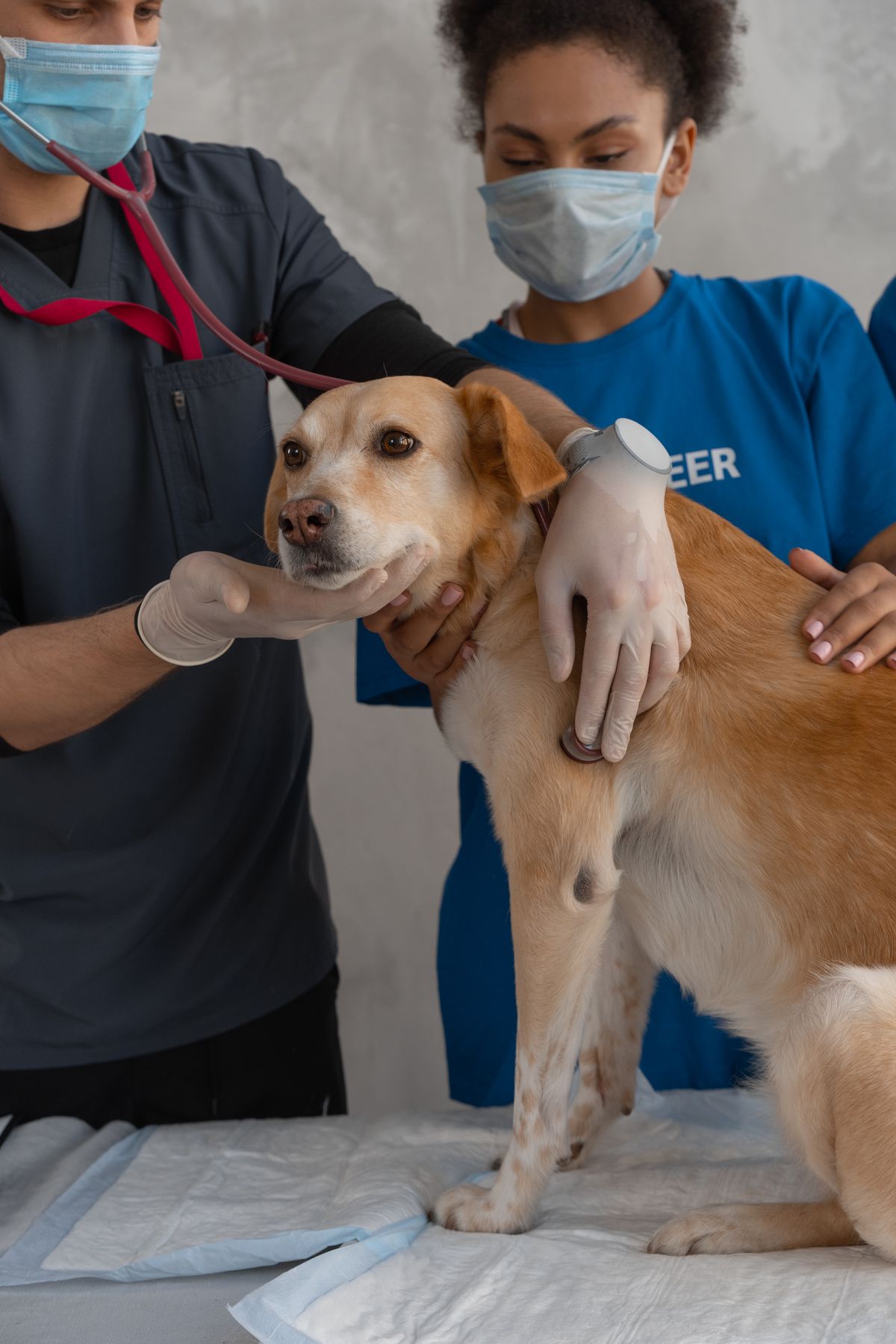
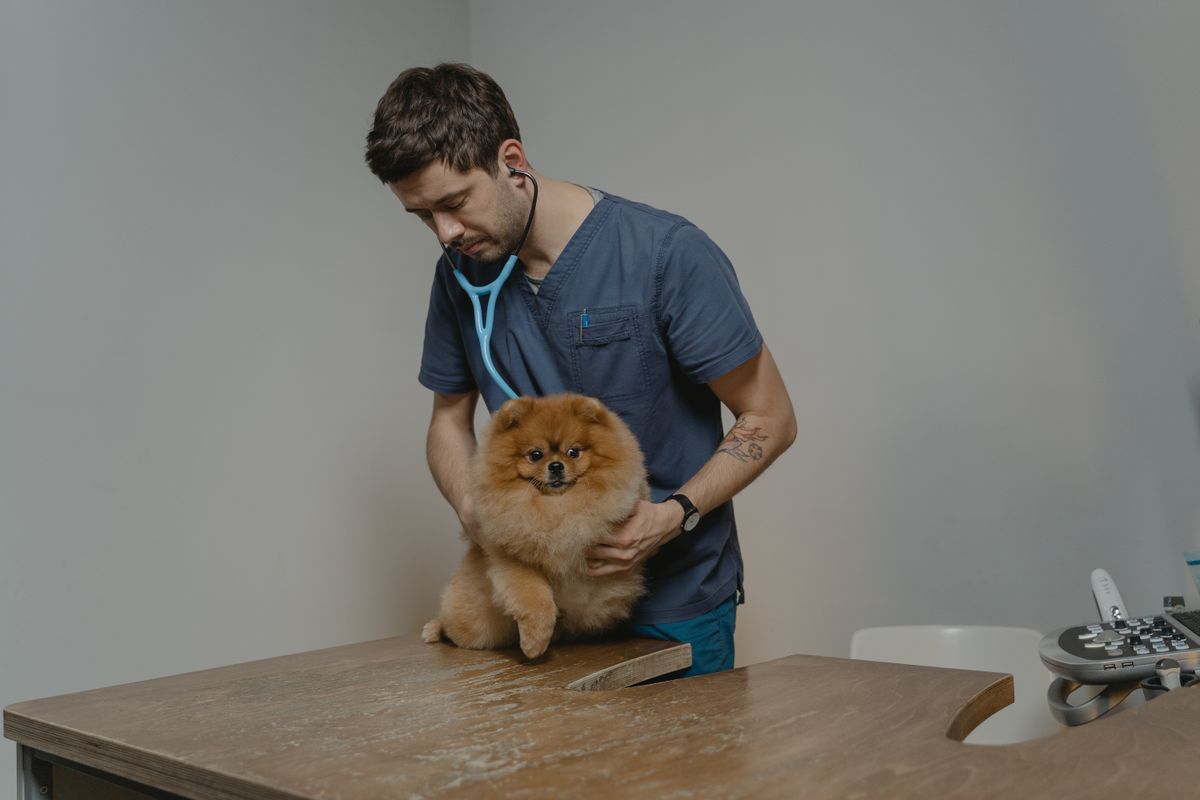
This is why the timing of your call matters so much. The interventions available to your vet within the first 4 hours of ingestion are fundamentally different from what's available at day 3. Here's what happens when you walk in the door at each stage.
Within 1–4 Hours of Ingestion (Best Window)
If you arrive within this window and the dog is clinically stable, your vet can induce vomiting to remove the onion from the stomach before it is fully absorbed. This is the most effective single intervention in onion toxicity — removing the source before it enters the bloodstream. Activated charcoal may be administered afterward to bind any remaining toxins in the gut.
Even if the dog vomits successfully, monitoring is not over. A blood count (CBC — complete blood count) will be taken to establish a baseline, and the vet will likely recommend repeat blood work at 24 to 48 hour intervals to track red blood cell levels over the following days. Some vets will initiate supportive care prophylactically even without symptoms.
4–24 Hours Post-Ingestion
Induced vomiting becomes less useful as the compound is absorbed, but it may still be attempted if absorption is incomplete. Blood work is the priority — a CBC to check hematocrit (the percentage of blood volume that is red blood cells) and look for early Heinz body formation on a blood smear. IV fluids may be started. The vet will set up a monitoring schedule for the following days, as this is when the anemia will develop.
Days 1–5 (Symptomatic Stage)
At this stage, management shifts to treating the anemia rather than preventing it. Oxygen therapy if the dog is showing respiratory distress. IV fluids for hydration and to support kidney function. Serial CBCs to track the severity of anemia — hematocrit values below 20% are considered critical and often require intervention. Blood transfusion if the anemia becomes severe enough that the dog cannot maintain adequate oxygenation on its own. There is no antidote that reverses the N-propyl disulfide damage. Treatment is supportive — keeping the dog alive long enough for the bone marrow to produce new red blood cells, a process that takes 2–4 weeks.
✅ The single most effective thing you can do right now: Call. Your vet or the ASPCA Poison Control line. Don't google the specific amount your dog ate and try to calculate whether it was enough to be dangerous. Don't wait to see if symptoms appear. The calculation is simple: onion exposure plus dog equals a vet call. The vet will tell you whether the dose was significant — they have the toxicology data to make that assessment, and you have your dog's weight. That's all they need.
What the Recovery Looks Like
When treatment is started promptly and the dose was not extreme, most dogs recover fully. The timeline for recovery is determined by the bone marrow's ability to produce new red blood cells to replace the ones destroyed by the Heinz body process. This takes 2–4 weeks in most cases.
During recovery, the vet will monitor red blood cell counts regularly. Most dogs are restricted to rest during this period, as physical exertion increases the oxygen demand that the compromised blood is struggling to meet. A dog whose hematocrit is at 22% during recovery should not be going on long walks or playing vigorously — the cardiovascular strain is real even when the dog seems to feel better.
Dogs who required blood transfusions have longer recovery periods, and the transfused cells are themselves finite — the dog's own bone marrow still needs to generate replacement cells. The prognosis for dogs with prompt treatment is generally good. The prognosis for dogs seen at day 3 or 4 with severe anemia is significantly more guarded and depends heavily on how far the red blood cell destruction has progressed.