

How to Train a Pet Rat: Trust, Targeting and Recall, Step by Step
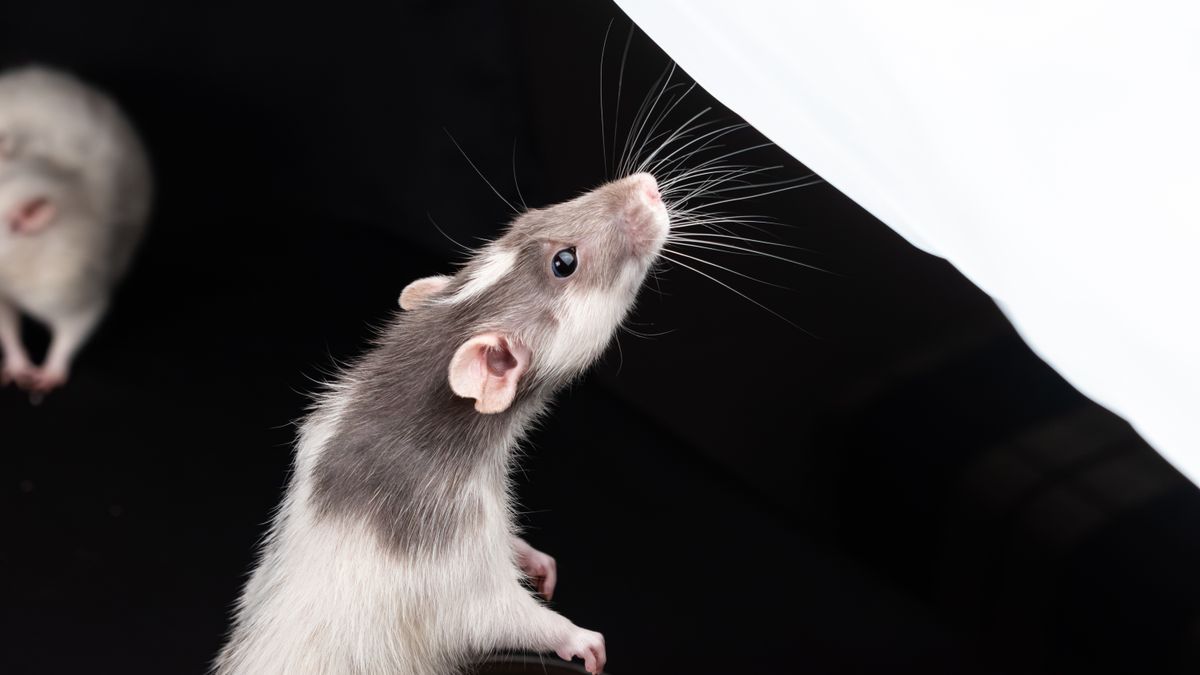
A pet rat can learn to approach your hand, follow a target, come when called, step onto a scale and explore a small obstacle course. The important first skill, though, is not a trick. It is choosing to come towards you without worrying about what will happen next. Start in a familiar, escape-proof area, reward the smallest useful step and let the rat leave when it wants to. A rat that feels safe is easier to teach; a frightened rat needs the situation changed, not a firmer command.
This guide is a practical training framework for companion rats in Canadian homes. It explains how to spot a willing learner, teach precise behaviours and record progress without claiming that all rats follow the same timetable. The exercises are editorial examples informed by animal-welfare guidance, not a report of Patify conducting training trials. Where fear, illness, aggression or mobility problems are involved, welfare comes before tricks.
Start with the rat in front of you, not an online trick video
Two rats living together may learn very differently. One might investigate your hand immediately, while another watches from the doorway of a hide. Neither is failing a test. Temperament, handling history, age, discomfort and the surrounding environment affect whether a rat feels comfortable participating. Before attempting a cue, observe what the animal actually does when you sit quietly beside the enclosure. Does it eat, sniff, groom normally and move towards you? Or does it freeze, rush away or remain tucked out of sight? Your answer decides the opening exercise.
Training is an extra enrichment activity; it is not a replacement for companionship, a secure enclosure, exercise or veterinary care. Rats are social animals that generally need a compatible rat group. A human teaching a trick cannot become a substitute rat. The RSPCA recommends positive reinforcement and gives choosing to climb onto a scale as a useful skill, but it also emphasizes that rats need chances to behave naturally and explore. When training stops being something the rat chooses, its value disappears.
A good first goal is smaller than “learn recall”: the rat approaches a familiar feeding location while you are nearby, accepts an appropriate tiny reward and remains relaxed. If that is already routine, you can start marking behaviours immediately. If it is not, work on predictability before making a shopping list of training equipment.
Create a safe training station in a Canadian home
The best place to train is rarely a large, unfamiliar room. Begin on a stable, low surface or a rat-proofed exercise area connected to the enclosure. Remove electrical cords, gaps behind appliances, unstable objects, toxic plants and open access to other pets. Use a smooth floor mat with enough grip for small feet. Work well away from an unprotected staircase or tabletop edge; a rat that makes an enthusiastic dash towards a reward may not judge the drop safely. Keep a familiar hide available so the animal can retreat and return.
In an apartment, the training area may be beside the enclosure, inside a supervised playpen or on a secured sofa with no escape gap. In a house, resist the temptation to use a kitchen floor simply because it is clear. Cooking residue, cleaning products and household traffic complicate the environment. In winter, avoid draughty entrances and chilly floors; in summer, choose a comfortable indoor area rather than a sunlit window ledge. These are ordinary environmental precautions, not species-specific temperature prescriptions.
Set out a few small rewards, a shallow dish, a washable target object and a notebook. You do not need a commercial agility kit or a noisy clicker to begin. The most useful equipment is a setup you can repeat tomorrow. Make sure every session ends with the rat safely back in its home, and never allow unsupervised roaming while you fetch a treat or answer the door.
Read the invitation and the refusal
Some signals are easy to misread. A rat that moves close to sniff your fingers may be gathering information, not asking to be scooped up. A rat that abruptly darts into a shelter after a new sound is not being stubborn. Watch for the whole pattern: willingness to re-approach, normal movement, breathing, grooming, social behaviour and whether it continues to take food in its usual way. Individual differences matter more than a single gesture.
The RSPCA notes that urinating or defecating unusually while exploring a new space may indicate fear or distress, although ordinary scent marking differs. Sudden squealing, frantic attempts to flee, freezing or struggling during handling are reasons to stop. Return the rat calmly to familiar surroundings and examine the room and your technique. The goal is not to make the animal withstand a difficult situation until it gives up; it is to adjust the task so it can choose to try again.
| What you observe | Reasonable next step | What not to assume |
|---|---|---|
| Sniffs the target and returns | Reward the investigation, then repeat | One sniff proves full trust |
| Approaches, then retreats | Let it return at its own pace | Retreat means the rat is disobedient |
| Ignores food in a novel area | Reduce novelty and check welfare | A better treat fixes every problem |
| Freezes or attempts to escape | Stop the session and restore safety | The rat needs restraint to learn |
| Suddenly stops participating across sessions | Check health and seek veterinary advice as needed | Behaviour change is simply poor motivation |
Choose a reward without turning training into constant snacking
Food is convenient because you can deliver it precisely, but the best reward is one the individual rat values and can eat quickly. Where suitable, reserve a small portion of its usual balanced ration for training. Some animals respond to tiny familiar food morsels or brief exploration opportunities. Avoid guessing that a sweet or fatty human snack is harmless because a rat seems interested. Treats must remain a modest part of an appropriate diet, and any medical or dietary restrictions take precedence over a training plan.
Prepare rewards before opening the enclosure. If the rat must wait while you rummage in a packet, the connection between behaviour and consequence becomes unclear. You can also choose a calm verbal marker such as “yes” instead of a clicker if sharp sounds startle the animal. Be consistent: the marker should predict a reward promptly. Do not use a marker to lure the rat through a frightening situation or to interrupt behaviours you dislike.
What if two rats attend together? Offer each a separate station or train individually for a moment while the other has enrichment nearby. Resource competition can make one rat rush the food and the other retreat. Never punish the bolder animal for approaching first; change the setup so both can participate safely.
Teach a marker: the little promise behind every cue
A marker is a distinctive sound or word that means “that action earned a reward.” Begin with the rat relaxed and ready to take food. Say your word softly or click once, then immediately offer a small reward. Repeat a few times, stopping while the rat is still interested. You are pairing a predictable signal with something good. The signal itself is not a command, and you do not need to test the rat by suddenly making it from across the room.
When the rat comfortably anticipates the reward, use the marker for a simple behaviour it offers voluntarily, such as turning towards an object. Mark exactly as the nose moves in the desired direction; then reward. If you mark late, you may accidentally reinforce moving away, jumping up or pushing your hand. Precision matters more than speed. A household member who helps should use the same signal and reward rules so the animal is not confronted with changing instructions.
If the sound makes the rat flinch, choose a quieter marker. If it becomes overexcited or bites at the treat, offer food on a spoon or small dish rather than pinching a morsel between fingertips. Your aim is a calm, repeatable communication system, not the greatest number of repetitions in a minute.
First lesson: touching a target with the nose
Target training gives you a practical way to guide movement without grabbing. A clean, blunt-ended stick, a small plastic lid or a piece of safe cardboard can serve as the target. Hold it a short distance from the rat, not against its nose. The moment the animal investigates and touches it, mark and reward. Withdraw the target, wait and offer it again. At first, touching may be accidental; consistent reward helps the rat discover which behaviour works.
Only increase the distance when the rat reaches easily several times without tension. Move the target slightly left, then right, then towards a low platform. Avoid steering the animal into a closed corner or across a high gap. The target is a voluntary invitation. If the rat will not touch it, return to the easier step of looking or leaning towards it. Several successful small choices are more useful than one forced demonstration.
| Stage | What earns the reward | Move on when… |
|---|---|---|
| 1 | Looking towards the target | The rat approaches without withdrawing |
| 2 | Nose meets target | Touches are relaxed and repeatable |
| 3 | One step to reach target | The rat follows rather than being pushed |
| 4 | Several steps along a safe path | Direction changes do not cause hesitation |
| 5 | Target near a scale or carrier | Entering the new area is voluntary |
Build a reliable recall cue indoors
Recall starts at arm's length, not at the far side of the living room. Wait for the rat to be facing away slightly but close enough to approach readily. Say its name or a consistent short cue once, then make coming towards you worthwhile. Mark and reward the arrival. In the early stages it is fine to show where the reward will appear; gradually reduce that visible prompt when the animal understands the game.
Practice in more than one safe position before increasing distance. A rat that comes when you are seated on the mat may not understand the same request when you stand beside a door. Add small changes gradually: different side of the play area, slightly longer distance, a harmless object nearby. Do not test recall around a cat, an open door or a dangerous gap. Recall is a safety aid, not a guarantee against panic or distraction.
Make arriving pleasant. If “come” always leads to the end of free play or unwanted handling, the cue may become less appealing. Sometimes call, reward and let the animal return to exploring. If you need to close the session, offer a familiar return route so recall does not become a trap.
Teach a step-on skill before lifting the rat
For some rats, climbing onto a flat hand is less intimidating than being picked up unexpectedly. Rest your hand close to the rat on a secure surface and reward looking at it. Next reward placing a front foot on it, then two feet, then stepping fully onto your palm. Keep your hand still and low. This technique is useful for transferring an animal a short distance or inviting it into a carrier, but it does not eliminate the need for safe handling skills.
When lifting becomes necessary, support the body and hindquarters with both hands, keep the rat close to your body and near a safe surface. Never lift or restrain a rat by its tail. If it struggles, lower it safely and return to simpler voluntary contact. The RSPCA specifically cautions against frightening handling and falls. Children should practise only under calm adult supervision and should not be encouraged to show off a rat's tricks above a hard floor.
Do not confuse becoming accustomed to a hand with consenting to prolonged restraint. A rat can happily climb up for food yet dislike being held still. Routine welfare checks sometimes require handling, but those should be planned separately with an experienced keeper or veterinary team rather than disguised as a game.
Turn target training into a scale routine
Routine weighing helps owners notice changes that might otherwise be missed. A scale can also become a training station rather than an object that suddenly appears only when the animal is unwell. Place a stable container on an appropriate digital scale, turn it on and ensure it is level. Let the rat investigate the container on the floor first. Reward approaching, stepping inside and standing briefly. Only then pair it with the scale.
The number must be read when the container is steady, but do not physically pin the rat in place for a perfect photograph. A calm brief pause gives a more useful measurement than a struggle. Record the date, time and reading, using the same setup when practical. Changes in appetite, drinking, droppings, activity or body condition deserve attention alongside the number. If weight changes unexpectedly, contact a veterinarian experienced with small mammals rather than modifying the diet solely from an online chart.
A simple record might read “Tuesday evening: approached scale unaided; stayed long enough for reading; no sign of freezing.” That observation is valuable even before the rat understands a verbal cue. It describes the skill you are building and the animal's comfort with the process.
Create an enrichment course without risky jumps
A good course for rats can be remarkably modest: a cardboard tunnel, a shallow box, a low step and a soft landing surface. Place the objects far enough apart that the rat can turn and choose another route. Use the target to invite movement through the tunnel or onto the low platform, rewarding the first voluntary investigation. This combines natural exploration with learning, not a competition for faster times.
Inspect everything before a session. Cardboard should be clean and free of staples or dangerous coatings; openings must be big enough to avoid trapping a rat. Remove frayed fabric and unstable stacked objects. Avoid exercise balls, steep leaps and anything that limits ventilation or the animal's ability to escape. If a setup looks clever to a person but forces awkward movement, simplify it. A secure foraging box often gives more useful enrichment than an elaborate obstacle course.
Rotate one object at a time instead of rebuilding the whole area every day. Familiarity lets the rat understand the task, while a small novelty preserves interest. Record what the animal explores voluntarily. A rat that chooses a tunnel over a target lesson is communicating a preference, and that preference can guide a more enjoyable next session.
Introduce a high-five or spin without forcing a pose
A high-five begins with rewarding a natural paw movement. Present your hand or a small safe object low enough for the rat to touch comfortably. Mark a paw reaching towards it; repeat and gradually reward clearer contact. Do not grab a foot to demonstrate the movement. A spin can begin with the rat following a target in a broad, easy arc. Tight circles or sudden directional changes are unnecessary, particularly for an older animal or one with mobility concerns.
Keep the focus on choice and safe posture. A trick is not evidence of intelligence, affection or superior ownership. Rats learn different actions at different rates, and some simply enjoy exploring more than repeating a cue. If the animal loses interest midway, finish with a behaviour it knows and return to an enrichment activity. If touching the hand produces nipping, lower the excitement level and rethink how rewards are delivered.
The trick becomes useful when you can ask for it politely, the rat understands what to do, and it remains free to walk away. That is a better definition of success than whether the clip looks impressive online.
Teach carrier entry before an appointment
Waiting until the day of a veterinary visit can make a carrier an alarming new object. Set the carrier in the rat's exercise area while there is no immediate need to travel. Remove any detachable strap or component that could catch on a limb and provide safe bedding and a familiar scent. Reward the rat for approaching the entrance, looking in, then entering briefly. Leave the exit available during early practice so the carrier does not become a trap.
When entry is relaxed, close the door for a moment, reopen it and reward calm behaviour. Build duration in small steps. The animal should not be shut in long enough to become distressed just to satisfy a schedule. Check ventilation and security before any real trip. On a cold Canadian day, arrange transport to avoid exposing the animal to draughts, freezing temperatures or a car that has not yet reached a comfortable environment. On hot days, avoid leaving the carrier in a parked vehicle even briefly.
A carrier-trained rat can still become frightened on the road. The training reduces some novelty; it does not guarantee a stress-free journey. Ask the treating clinic about pre-visit handling advice if past trips have been difficult.
A practical seven-session plan, not a seven-day promise
Use the plan as a sequence of learning opportunities rather than a deadline. One rat might enjoy several short visits to the target in a day; another may need multiple calm days simply to accept your presence. Each session should be brief enough that the rat remains curious, and the owner should stop before frustration builds. A missed day does not erase the work.
| Session focus | Smallest useful observation | Adjustment if the rat hesitates |
|---|---|---|
| Comfortable proximity | Approaches while you are seated | Sit farther away and offer familiar enrichment |
| Reward marker | Takes reward after soft marker | Use a quieter marker and slower delivery |
| Nose target | Sniffs or touches target | Reward looking towards it |
| Follow target | Moves one comfortable step | Move target closer |
| Recall | Approaches after cue nearby | Shorten distance and reduce distraction |
| Step-on or scale | Places feet on stable platform | Return to touching or investigating |
| Generalization | Repeats one skill in another safe spot | Return to familiar location |
Make an honest progress log
You do not need a laboratory spreadsheet. Use a record that distinguishes an attempted session from an achieved behaviour. Write the location, how the rat entered the area, what the cue was, what it did without physical prompting and what made you stop. A quick note about the rat's energy level and any competing household noise can explain why Tuesday's recall was different from Saturday's. Avoid inventing percentages if you were not recording trials systematically.
For owners who do like tracking, define a success narrowly before beginning: for example, “approached within reach after one verbal cue, without visible hesitation.” Record opportunities and successful repetitions only when you genuinely observed them. Five calm opportunities are more informative than fifty rushed ones. The record should help you reduce difficulty when needed; it should not become pressure to raise a score.
If you share the log with a veterinary professional, include health changes and sudden departures from the rat's normal behaviour. A training record is not a medical test, but it can provide useful context about appetite, movement and responses to familiar handling.
Troubleshooting: when an apparently easy skill falls apart
If the rat comes only when it can see a treat, the food may be functioning as a lure rather than the consequence of responding to the cue. Return to a tiny distance, say the cue once, wait for a small movement and reward after the approach. If it comes only in one corner, vary your position within the safe area gradually. If it bites at fingers, move food delivery to a dish or spoon and assess whether excitement, surprise or fear is driving the interaction.
If it suddenly refuses every exercise it once enjoyed, do not escalate by withholding food, shaking the cage or forcing a response. Assess the environment first, then consider a health problem: pain, breathing changes, unusual inactivity, loss of appetite or altered droppings warrant professional evaluation. In a multi-rat household, changes in social dynamics can also affect participation. Solve crowding and competition rather than forcing individuals to perform side by side.
An especially shy animal may need an extended trust-building period and little formal cue work. That is an acceptable outcome. Welfare does not require a rat to master a trick; it requires safe housing, companionship, health care and opportunities for meaningful behaviour.
What training cannot promise
Training cannot make free roaming risk-free or turn a prey animal into an obedient toy. It will not erase instinctive fear of a loud vacuum, a dog appearing at a doorway or unfamiliar hands. A recall cue is not a substitute for physical barriers. Nor is a target an excuse to steer a rat into a procedure it cannot refuse. The technique works best when it increases predictability and allows care to happen with less distress.
Avoid aversive methods such as spraying water, shouting, startling noises or denying essential food. These methods can damage trust and do not teach the rat what behaviour earns a reward. The RSPCA's behaviour guidance is clear that punishment is inappropriate. If significant defensive biting, chronic fear or repeated handling difficulties continue, seek advice from a veterinarian familiar with rats or a suitably qualified behaviour professional.
Remember that older rats and rats with mobility limitations may participate through nose touches, short approaches or stationary target work. A small voluntary movement can be as enriching as an obstacle course. Tailor the task to the individual rather than demanding that the animal fit a predetermined trick list.
Questions rat owners ask
Can you train an adult rat? Often yes. Age alone does not prevent learning, but older animals may need adaptations for stamina, sensory changes or joint comfort. Begin with voluntary contact and a simple target rather than testing difficult tricks immediately. A professional should evaluate sudden reluctance to move, poor balance or apparent pain.
How long does it take to teach recall? There is no reliable universal number of days. Progress depends on trust, environment, clarity of the cue and the rat's motivation. A useful milestone is approaching calmly from a very short distance on familiar ground; longer distances are separate lessons. Do not turn an illustrative session plan into a guarantee.
Can I train two rats at the same time? You can share enrichment and sometimes practise together, but separate stations may prevent one rat from taking all rewards. Provide compatible rat companionship regardless of training. If competition or chasing begins, simplify the setup and protect both animals' access to food and space.
Should I use a clicker? It is optional. A brief, consistent verbal marker can work well, especially for a rat startled by a sharp sound. The important feature is that the signal is followed by a prompt reward and marks the behaviour you want. A louder clicker does not make learning faster.
What is the most useful trick? Coming voluntarily to a hand, entering a carrier and stepping onto a scale often make routine care easier. Tricks such as spinning or high-fiving can be enriching when done gently, but they matter less than trust and a safe living environment.
Sources, scope and editorial method
The practical sequences above are suggested exercises, not results from original Patify animal trials. Rat welfare, positive reinforcement, safe handling and species-appropriate enrichment were checked against the following sources. Individual veterinary advice takes precedence when behaviour changes alongside signs of illness. Last editorial review: 13 October 2026.
- RSPCA (UK): rat behaviour and learning — train with positive reinforcement, respect species behaviour.
- RSPCA (UK): rat companionship and handling — social housing, gradual trust and safe lifting.
- RSPCA Australia: interacting with and handling rats — voluntary contact and reward-based training.
- RSPCA Australia: environmental enrichment for rats — welfare-centred challenges and choice.
- RSPCA Australia: training cats, rodents and rabbits — reward markers, learning variation and humane techniques.