
📅 April 2026 · Reading time: approx. 11 minutes Consumer Advocacy Veterinary Finance US Market
Mobile Dog Groomer Cut My Dog? How to Make Their Insurance Pay the Vet Bill
The mobile grooming van pulls up to your driveway. It's incredibly convenient—you hand over your dog and go back to your remote work. But 45 minutes later, there is a knock on the door. The groomer is standing there looking panicked, holding your dog with a bloody towel wrapped around their ear. They apologize profusely, claim your dog "jumped suddenly," and assure you they applied styptic powder so "it should be fine." Before you are handed a massive $1,200 ER bill from a corporate vet clinic to surgically close the wound, you need to know your rights. A pre-signed waiver does not excuse a professional from slicing your dog's skin. Here is how to hold a negligent mobile groomer accountable and force their commercial liability insurance to cover every cent of the veterinary care.
⚖️ AI Quick Summary: Grooming Accident Liability
1. The Waiver Myth: You likely signed a waiver when booking the groomer. That waiver covers unforeseeable medical events (like a senior dog having a heart attack from stress). It does not grant immunity for gross negligence, such as cutting an ear off with shears.
2. Say NO to Groomer First-Aid: Do not let the groomer "superglue" a deep cut or pack it with styptic powder. Trapping bacteria in an unsterilized wound leads to massive, expensive abscesses. Go straight to a licensed veterinarian.
3. Use THEIR Insurance, Not Yours: Legitimate groomers carry Animal Bailee Insurance and General Liability. You file the vet bill claim directly against their policy to avoid your own pet insurance hitting you with a deductible or denial.
4. Get the Vet's Clinical Notes: Have your ER vet specifically write: "Laceration consistent with sharp trauma from grooming shears." This is your golden ticket for the insurance claim.
✂️ Why Mobile Grooming Vans Are High-Risk Environments
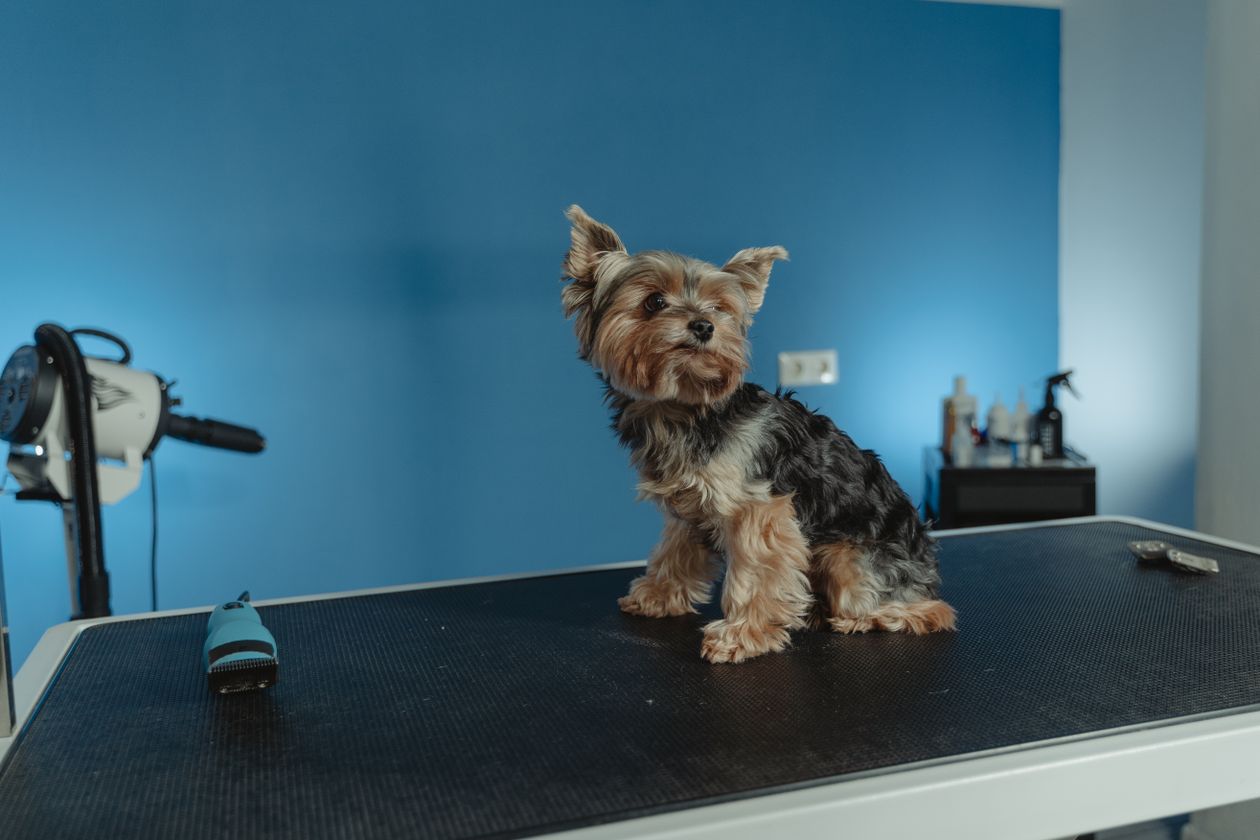
To understand why these accidents happen, you have to look at the environment. A mobile grooming van is a confined, metallic space. It features loud forced-air dryers, a humming generator, running water, and slick surfaces. When you combine an anxious dog with a groomer wielding razor-sharp 8-inch curved shears or high-speed clippers in a 5x10 foot box, the margin for error is zero.
Common grooming injuries include:
- Ear Lacerations: The most common shear injury. Because ears bleed profusely, a tiny nick looks like a crime scene.
- Clipper Burn / Razor Burn: Often caused by using dull clipper blades that get excessively hot, severely burning the dog's groin or armpit skin.
- Torn Dewclaws: Dogs slipping on the wet metal grooming table and ripping their nail off.
- Corneal Abrasions: Shampoo or chemical dips getting splashed directly into the dog's eyes, causing painful ulcers.

Dog grooming is an unregulated industry in most states. It only takes one sudden movement while using professional shears to cause a severe laceration. Photo: Unsplash
🛑 The Fatal Mistake: Letting the Groomer "Fix It"
When an accident happens, groomers panic. Many will attempt to hide the severity of the cut by packing it full of styptic powder (a clotting agent) or even applying surgical glue (Cyanoacrylate) to close the wound themselves.
You must immediately stop them. A groomer is not a veterinarian. If a groomer glues a dirty, unsterilized wound shut, they trap the bacteria inside. Over the next 48 hours, that sealed pocket will turn into a massive, necrotic abscess. What would have been a $300 simple suture at the vet turns into a $2,000 surgical drain placement.
Take custody of your dog immediately. Wrap the wound in a clean, dry towel, apply gentle pressure, and go straight to the ER.
💰 The Insurance Protocol: How to Make Them Pay
Grooming businesses are legally required (or at least strongly advised by their operating platform) to carry specific commercial insurance. This usually includes General Liability and Animal Bailee Coverage (which specifically covers animals injured while in their care, custody, or control).
The 4 Steps to Guaranteed Reimbursement:
- 1Demand Their Policy Number: Before you leave for the vet, ask the groomer: "Please provide the name of your commercial insurance carrier and your policy number so my vet can document it." If they say they will just "pay you cash later," get that in writing via text message immediately.
- 2Dictate the Vet's Notes: When you get to the vet, be explicit. Do not say "My dog got hurt." Say: "My dog was cut by a professional groomer's shears." Ensure the vet writes this exact phrasing in the clinical notes. Insurance adjusters rely heavily on these medical notes.
- 3Do NOT Claim on Your Pet Insurance: If you submit it to your own pet insurance (like Trupanion or Fetch), you will have to pay your deductible, and your premiums may rise. Submit the bill directly to the grooming company's insurer.
- 4Small Claims Court as a Backup: If it was a "rogue" groomer operating without insurance, or if they refuse to pay, file a suit in Small Claims Court. Similar to the logic used in veterinary malpractice lawsuits, dogs are legally considered property, and you are entitled to full restitution for "damaged property."
❓ Frequently Asked Questions
Does the waiver I signed mean I have no legal rights?
What if the groomer says my dog was being aggressive and "caused" the cut?
Can I sue for emotional distress because they hurt my dog?
📱 Keep Incident Records & ER Contacts at Your Fingertips

Don't Scramble During a Grooming Emergency
Store your pet's vaccination records, your local 24/7 ER vet locations, and upload your veterinary bills directly into Patify. Having all your documentation in one place makes filing an insurance liability claim effortless.
Download Patify FreeAlso on the web → patifyapp.com/straypets