

Pet Insurance Waiting Periods & Claim Denials in 2026: How Pre-Existing Conditions Really Work
A denied pet insurance claim is often less about the diagnosis date than the timeline: when signs first appeared, when the policy became effective, when each waiting period ended, and what the policy says about related or bilateral conditions. Those details vary by insurer and by state. This U.S. guide explains the rules that matter most in 2026, corrects several outdated waiting-period comparisons, and gives you a practical checklist for preventing — and challenging — avoidable denials.
Quick answer: the 5 rules that prevent the most surprises
1. A diagnosis is not always required for a condition to be considered pre-existing. A documented sign or symptom before coverage begins — or during an applicable waiting period — can be enough if it is related to the later claim.
2. There is no single U.S. waiting period. Accident, illness and orthopedic waits vary by company, policy version and state.
3. The old “every orthopedic condition has a 6-month wait” rule is no longer reliable. In 2026, major providers range from no separate orthopedic wait to 30 days, 14 days, or longer state-specific periods.
4. Switching insurers usually starts a new contract. A condition covered by your old policy can become pre-existing under the new one.
5. Never delay needed veterinary care to protect insurance eligibility. Treat the pet first. Insurance documentation should follow the medical facts — not change them.
What Counts as a Pre-Existing Condition?
Most U.S. pet policies look backward at the pet's medical history and forward through the applicable waiting period. The exact definition differs, but the recurring concept is the same: a condition may be excluded when relevant signs, symptoms, veterinary advice, treatment, injury or diagnosis existed before coverage was eligible.
This point is now stated clearly by multiple insurers. Embrace says symptoms noticed before the end of a waiting period can be pre-existing even without a formal diagnosis. Trupanion similarly reviews signs or evidence of potential manifestation in the relevant pre-policy period. ASPCA Pet Health Insurance states that conditions occurring before coverage or during a waiting period are pre-existing, while certain curable conditions can later become eligible after a symptom- and treatment-free period.
2026 Waiting Period Comparison: Current Provider Snapshot
Waiting periods have changed materially since early 2026, so older comparison articles can be wrong even when they were accurate at publication. The table below uses current provider pages and policy disclosures checked on September 5, 2026. Always verify the quote and sample policy for your state before purchase.
→ Scroll to see full table
| Provider | Accident / Injury | Illness | Orthopedic / Ligament | Pre-Existing Reconsideration |
|---|---|---|---|---|
| Embrace | Consumer page says accident coverage starts on the policy effective date; state policy forms can differ | 14 days | Dogs: varies by state; some versions use a 180-day orthopedic period with a waiver process | Certain temporary/curable conditions may be reconsidered after 12 consecutive months symptom- and treatment-free |
| Spot | 14 days in most states; select states may have faster accident-only coverage | 14 days | Current standard plan materials generally use 14 days; state forms can modify the rules | Curable conditions may become eligible after 180 days cured and symptom/treatment-free; knee and ligament conditions are an important exception |
| Pumpkin | 14 days in most states | 14 days in most states | No separate national 6-month orthopedic wait shown in the current FAQ; state terms control | Certain curable conditions may be eligible again after 180 days; knee and hind-leg ligament conditions are excluded from that reset rule |
| Lemonade | No accident waiting period after the policy becomes effective | 14 days | 30 days | Current materials state pre-existing conditions are not covered |
| Trupanion | 5 days for injuries in standard U.S. materials; location-specific terms can vary | 30 days | No separate longer orthopedic period in the standard waiting-period structure | Pre-existing conditions are excluded; new unrelated conditions may still be eligible |
| ASPCA Pet Health Insurance | State-specific. Current quote materials show no accident wait in some jurisdictions, while other state forms use 14 days | 14 days in current quote materials; verify your state form | Knee/ligament rules are state- and form-specific; many current materials use 14 days | Curable conditions may cease to be pre-existing after 180 days cured and free of symptoms/treatment; knee and ligament conditions are excepted |
| AKC Pet Insurance | Waiting periods and add-on exclusions vary by state and policy; check the current sample policy before purchase | Distinctive rule: eligible pre-existing conditions may be covered after 365 days of continuous coverage, subject to state availability and policy terms; some IVDD/cruciate provisions use different exclusion periods | ||
NAIC Model Act: What State Law Can Change
The National Association of Insurance Commissioners adopted the Pet Insurance Model Act in 2022. The model does not automatically become law nationwide; each state must enact its own version. Under the model language, waiting periods for accidents are prohibited, waiting periods for illnesses or non-accident orthopedic conditions may not exceed 30 days, and an insurer using a permitted waiting period must provide a medical-exam pathway to waive it.
A January 2026 Florida Senate staff analysis, citing the NAIC's Summer 2025 state-adoption chart, identified 16 states as having adopted the current model in a substantially similar manner: California, Delaware, Florida, Hawaii, Louisiana, Maine, Maryland, Mississippi, Montana, Nebraska, New Hampshire, Ohio, Pennsylvania, Rhode Island, Vermont and Washington. State versions are not necessarily word-for-word identical, and effective dates differ.
Accident waits
The NAIC model prohibits accident waiting periods. States adopting substantially similar language can therefore produce different accident rules from an insurer's national default.
Illness & orthopedic waits
The model caps permitted waits for illnesses and non-accident orthopedic conditions at 30 days.
Medical-exam waiver
If a model-style state permits an illness or orthopedic wait, the policy must include a route to waive that wait through a qualifying veterinary exam, subject to the state's enacted language.
Four Common Paths to a Claim Denial
There is no reliable public dataset that ranks all pet insurance denials by national frequency, so it is safer to treat the following as common denial pathways, not a frequency ranking.
1. Related signs existed before coverage
How it happens: A medical record contains limping, vomiting, coughing, skin irritation or another sign before enrollment. Months later, a diagnosis is made that the insurer considers medically related to that earlier sign.
✓ Reduce the risk: Enroll while the pet is healthy, keep complete records, and request a medical-history review from the insurer if that option is available. Never ask a veterinarian to remove accurate findings from the chart.2. The condition began during a waiting period
How it happens: The policy is active, but the applicable illness or orthopedic wait has not ended. A symptom starts on day 8 of a 14-day illness wait, then the formal diagnosis arrives after day 14. The symptom date can still control.
✓ Reduce the risk: Save the policy's effective date and the exact end date of each waiting period. Do not assume a later diagnosis date moves the onset date.3. A lapse or insurer switch creates a new pre-existing history
How it happens: A recurring allergy, seizure disorder or urinary problem was covered by the old insurer. You cancel, move to a new company, and the new company treats the already-documented condition as pre-existing under the new contract.
✓ Reduce the risk: Before switching, ask the new insurer in writing how it will treat every known condition and whether any state-specific continuity rule or waiver applies. Do not cancel the old policy until you understand the new policy's effective date and exclusions.4. Bilateral, related-condition or permanent exclusions apply
How it happens: A right-knee ligament problem is pre-existing. Years later the left knee develops a ligament injury. Some policies treat knee/ligament conditions as bilateral or related, so the opposite side may also be excluded.
✓ Reduce the risk: Search the sample policy for “bilateral,” “related condition,” “knee,” “ligament,” “cruciate,” “hereditary” and “congenital” before purchase. The marketing summary may not show the full exclusion logic.Curable Pre-Existing Conditions: Which Insurers Reconsider Them?
“Pre-existing” does not always mean “excluded forever.” Several insurers have a cured-condition rule, but the details are materially different.
| Provider | Current 2026 Rule | Important Exception / Caveat |
|---|---|---|
| Embrace | Certain temporary conditions may be reconsidered after 12 consecutive months symptom- and treatment-free. | Chronic/incurable conditions and policy-specific exclusions remain excluded. |
| Spot | Curable pre-existing conditions can become eligible after 180 days cured and free of symptoms/treatment. | Knee and ligament conditions do not receive the cured-condition reset. |
| ASPCA Pet Health Insurance | Curable conditions may cease to be pre-existing after 180 days cured and free of symptoms/treatment. | Knee and ligament conditions are excluded from this reset rule. |
| Pumpkin | Certain curable conditions may be eligible again after 180 days cured and symptom/treatment-free. | Knee and hind-leg ligament conditions are an important exception. |
| AKC Pet Insurance | Eligible curable and incurable pre-existing conditions may be covered after 365 days of continuous coverage. | Not available in all states; some cruciate/IVDD provisions have separate timing rules. |
| Lemonade | Current consumer materials state pre-existing conditions are not covered. | A new, unrelated condition may still be covered after applicable waits. |
| Trupanion | Pre-existing conditions are excluded. | New unrelated conditions may still be eligible; location-specific policy wording controls. |
Bottom line: Do not shop on the phrase “covers pre-existing conditions” alone. Ask: Which conditions? After how long? Must the pet be symptom-free and treatment-free? Are knees, ligaments, IVDD, bilateral conditions or chronic diseases excluded from reconsideration?
The Medical-Exam Waiver: Useful, but Not Universal
The older version of this guide described a broad “vet exam waiver” as if most insurers offered the same 14-day process. That was too general. In 2026, the safer rule is:
- Model-act states: If the state's enacted language follows the NAIC provision and the insurer uses a permitted illness or orthopedic waiting period, the policy must include a route to waive that wait through a qualifying medical examination.
- Embrace: In eligible states and policy versions, a canine orthopedic exam/report card can reduce the dog's orthopedic waiting period. The timing and result requirements matter.
- Spot: Some state disclosures include a Waiting Period Health Assessment that can modify the wait when the exam and form are completed within the state-specific window.
- Trupanion: Certain enrollment channels, such as qualifying Exam Day offers, can have different waiting-period treatment than standard enrollment.
Denial-Prevention Checklist Before You Buy
Save these documents before the first claim
- Download the sample policy for your state. Search for “waiting period,” “pre-existing,” “clinical signs,” “bilateral,” “related condition,” “knee,” “ligament,” “hereditary,” “congenital” and “renewal.”
- Write down each coverage date separately. Policy effective date, accident coverage date, illness coverage date and any orthopedic/ligament date can be different.
- Request your pet's complete medical record. Read it for factual errors such as the wrong onset date, wrong limb, copied-forward symptom or incorrect history. Ask the clinic to correct genuine errors through its normal amendment process.
- Ask whether the insurer offers a medical-history review. Embrace, for example, says policyholders can request a free review to identify conditions it considers pre-existing.
- Enroll as soon as your pet is eligible if insurance fits your budget. Many providers allow enrollment from around eight weeks of age. Earlier enrollment generally means less pre-policy medical history — but routine and necessary veterinary care should never be postponed for insurance reasons.
- If switching insurers, compare exclusions before canceling. A lower premium is not a saving if an expensive recurring condition loses coverage.
- Keep proof of continuous coverage and all renewal documents. They help establish the policy timeline if a future claim is disputed.
Claim Denied? Use This Appeal Checklist
- Get the denial in writing. Ask for the exact policy clause and the medical record entry used to deny or reduce the claim.
- Build a one-page timeline. Include policy effective date, waiting-period end date, first symptom date, first veterinary visit, diagnosis date and treatment date.
- Compare the insurer's timeline with the actual chart. Look for transcription errors, copied-forward notes, the wrong body side, or a symptom that was unrelated and fully resolved.
- Ask your veterinarian for a factual medical clarification when appropriate. The letter should explain the clinical relationship — or lack of relationship — between the earlier finding and the claimed condition. It should not change accurate history simply to influence insurance.
- Follow the insurer's appeal/review instructions and deadline. Keep copies of every submission and reference number.
- If you believe the denial conflicts with the policy or state law, contact your state insurance department. State regulators, not the NAIC itself, handle insurance complaints and enforcement in your jurisdiction.
Frequently Asked Questions
Can a condition be pre-existing even if there was no diagnosis?
Yes. Many policies define pre-existing conditions by signs, symptoms, treatment or veterinary advice — not only by a formal diagnosis. A limp, cough, vomiting episode or skin problem documented before coverage eligibility can matter if the later claim is medically related.
Do all pet insurers still have a 6-month orthopedic waiting period?
No. That is outdated as a general rule. Lemonade currently lists a 30-day orthopedic wait; Pumpkin's current FAQ describes a 14-day coverage start in most states; Spot's standard materials generally use 14 days; Trupanion uses 5 days for injuries and 30 days for illnesses without a separate national orthopedic wait; Embrace orthopedic rules vary by state and policy version.
Does switching pet insurance reset waiting periods?
Usually, a new insurer means a new policy with its own waiting periods and pre-existing-condition review. Do not assume continuous insurance with Company A transfers coverage history to Company B. Ask the new insurer for written confirmation of any continuity or waiver rule before canceling the old policy.
Can a curable pre-existing condition ever be covered later?
Sometimes. Spot, ASPCA Pet Health Insurance and Pumpkin describe 180-day cured-condition rules for eligible conditions; Embrace describes a 12-month symptom- and treatment-free rule for certain temporary conditions; AKC Pet Insurance advertises broader pre-existing-condition eligibility after 365 days of continuous coverage, subject to state and policy restrictions.
Does the NAIC Pet Insurance Model Act apply in every state?
No. The NAIC model is a template, not federal law. States decide whether and how to enact it. A 2026 Florida Senate analysis citing the NAIC adoption chart identified 16 states with substantially similar adoption, but state text and effective dates can differ.
Should I avoid taking my pet to the vet until the waiting period ends?
No. Never delay needed veterinary care to protect an insurance claim. If your pet is sick, injured or showing concerning symptoms, seek appropriate care. The medical record should reflect what actually happened.
Related Patify Guides
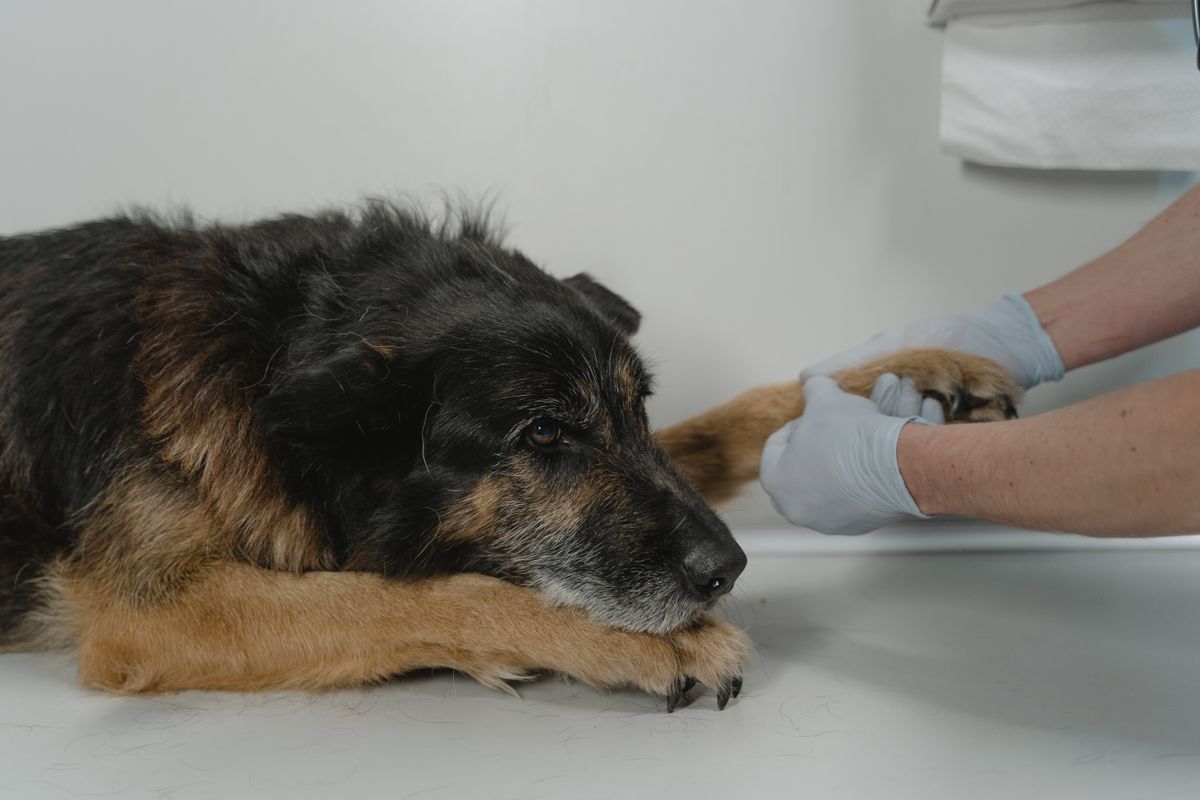
Cover photo: Tima Miroshnichenko / Pexels — veterinarian consulting with a pet owner and dog. Pexels lists the photo as free to use.