

Last updated: September 26, 2026
Rabbit Sounds: Listen to the Context, Not Just the Noise
Quick answer: rabbits are relatively quiet animals, but they are not silent. A soft tooth purr during relaxed petting can mean contentment; a loud, slow grind with a hunched posture can mean pain. A honk may accompany excitement or courtship, while a growl can warn that the rabbit wants space. A thump often signals alarm or frustration. A scream is rare and should be treated as severe fear, pain or distress.
The useful rule is not “one sound = one emotion.” Read sound + body posture + trigger + appetite + movement + breathing together. Respiratory noises such as persistent wheezing, congested breathing or repeated sneezing with discharge belong in a health checklist, not a personality chart.
Patify rule: before naming the sound, ask whether it is being produced by the teeth, voice, feet or airway. That first split prevents several common mistakes.
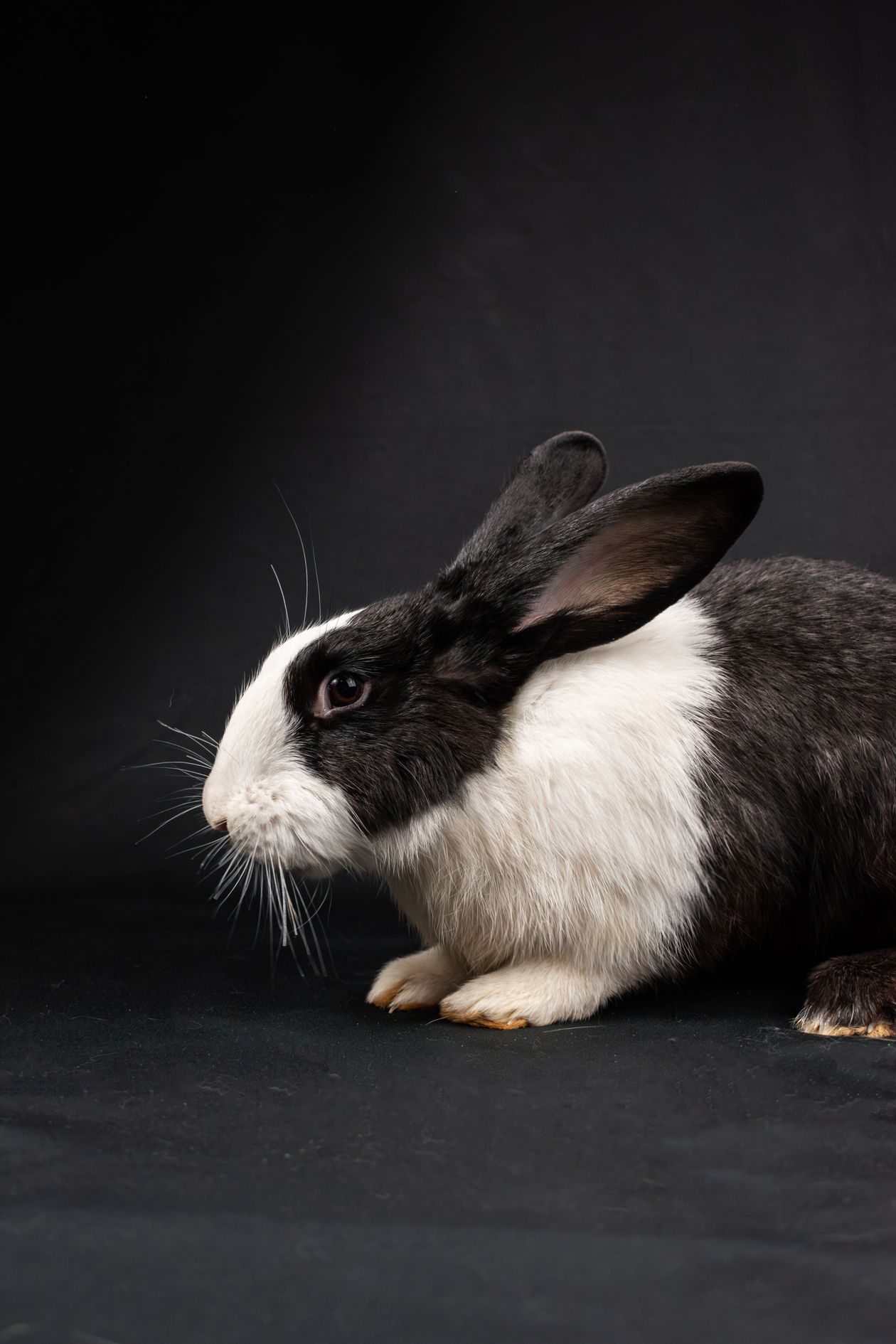
Rabbit Sounds and Meanings: Quick Decoder
| Sound | Common context | Body-language check | When to worry |
|---|---|---|---|
| Soft tooth purr | Relaxation/contentment | Loose body, normal appetite, often during gentle petting | If grinding becomes loud/slow or rabbit looks hunched |
| Loud tooth grinding | Pain/discomfort | Hunched, squinting, reluctant to move, reduced appetite | Prompt veterinary assessment |
| Honk / oink | Excitement, attention, food anticipation, courtship | Circling, nudging, active body, sometimes hormonal behavior | If “honking” actually tracks each breath or accompanies distress |
| Growl / grunt | Warning, frustration, territorial defense | Ears back, tense body, lunge/boxing possible | Sudden new irritability plus pain/illness signs |
| Thump | Alarm, threat warning, frustration | Alert/tensed body, wide eyes, ears oriented to stimulus | Repeated unexplained thumping with ongoing distress |
| Whimper / squeak | Protest, fear, handling discomfort; context varies | Trying to escape, tense posture, restraint trigger | Repeated cry with movement, injury or reduced appetite |
| Scream / shriek | Extreme fear, severe distress or pain | Panic, collapse, injury or obvious crisis may be present | Treat as urgent until proven otherwise |
| Sneeze | Nasal irritation or respiratory disease; nonspecific | Check nose/eyes, appetite, frequency and environment | Persistent/repeated sneezing, discharge or breathing change |
| Wheeze / noisy breathing | Airway/respiratory problem until evaluated | Watch respiratory effort, nostrils, discharge, appetite | Same-day/urgent vet depending on effort |
Real Rabbit Audio: Three Licensed Examples
These clips come from Wikimedia Commons and are included because their licenses allow reuse. They are examples of recorded rabbits, not diagnostic reference standards. Microphones, room acoustics, breed, distance and individual rabbits all change how a sound comes across.
1. Rabbit oinks and squeaks — CC0
The uploader describes this as an audible pet rabbit making oinks and squeaks. Use it to learn the general texture of vocal sound—not to assume every similar noise means the same emotion.
Source: Wikimedia Commons / kessir. CC0 1.0.
2. House rabbit voice — CC BY-SA 3.0
This 18-second recording is labeled simply as the voice of a domestic rabbit. Because the source does not provide a full behavioral context, Patify deliberately does not relabel it as “happy,” “angry” or “pain.”
Source: Fiver, der Hellseher / Wikimedia Commons. CC BY-SA 3.0.
3. Excited / rollicking house rabbit — CC BY-SA 4.0
The uploader describes this recording as an excited/rollicking house rabbit. Compare it with your rabbit's posture rather than matching only pitch.
Source: Fiver, der Hellseher / Wikimedia Commons. CC BY-SA 4.0.
Why there is no “rabbit scream button” here: Patify does not want to turn a severe-distress vocalization into novelty audio. If your own rabbit makes an abrupt scream/shriek, check for injury or acute distress immediately.
Soft Tooth Purring: The Sound Owners Most Often Misread
RSPCA describes quiet tooth grinding as a contented “purr.” PetMD likewise describes a light tooth chatter/vibration when a rabbit is relaxed or happy. You may hear it—or feel the tiny vibration through the skull—during calm forehead or cheek petting.
More consistent with contentment
- very soft/rapid tooth vibration;
- loose or flattened relaxed body;
- eyes softly closed or half-closed;
- normal eating and movement before/after;
- occurs during pleasant petting or resting.
More consistent with pain grinding
- louder, slower or more forceful grind;
- hunched posture;
- squinting / facial tension;
- reduced movement;
- reduced appetite or droppings;
- occurs without an obvious relaxed trigger.
Rabbit.org warns that audible tooth grinding with a pained posture is a medical warning sign. RSPCA also differentiates loud pain grinding from quiet contentment grinding.
Licensed Tooth-Purring Reference
Wikimedia Commons hosts a CC0 video/audio recording of a female rabbit softly grinding her teeth while being petted, explicitly described by the uploader as a pleasure/contentment context. Because the visual recording includes human interaction, Patify does not use it as an article image. The source remains useful as an audio reference:
Source: Themium / Wikimedia Commons. CC0 1.0. Audio context: soft tooth grinding while petted.
Honking and Oinking: Usually Social, Excited or Hormonal
Rabbit.org summarizes honking as excitement. In real homes, owners often hear short nasal-sounding honks during food anticipation, circling, following another rabbit or a person, nudging, courtship and hormonally driven behavior.
This is one of the sounds where the trigger matters more than the acoustic label. A rabbit circling your feet before dinner and making short intermittent honks is a different situation from a rabbit producing a repetitive noise with every breath while sitting still.
Behavioral honk: linked to movement/social interaction, intermittent, rabbit otherwise breathing normally.
Possible breathing noise: synchronized with respiration, continues at rest, accompanied by nasal discharge, increased effort or reduced appetite.
Growling or Grunting: Back Off and Read the Boundary
Rabbit.org describes growling as a clear “leave me alone” warning, and RSPCA notes that boxing behavior can be accompanied by a growl when a rabbit feels threatened or frustrated.
Common triggers include:
- a hand entering a defended litter box or hide;
- being cornered;
- unwanted handling;
- territorial/hormonal behavior;
- pain making normal touch suddenly intolerable.
Do not punish the warning. Stop advancing, give space, and change the setup or handling approach. If a normally tolerant rabbit suddenly begins growling when one body area is approached, add pain to the differential.
Thumping: Feet, Not Voice
A rabbit thump is a forceful strike of the hind foot against the floor. RSPCA describes it as a warning signal for potential threat, but also notes a “grump thump” can express frustration.
What happened in the 10 seconds before the thump?
- new noise / smell / movement: alarm is likely;
- you stopped petting or blocked access: frustration is possible;
- another animal approached: social warning;
- nothing obvious: remember rabbits can hear/smell things you cannot;
- thumping + hiding + tense posture for a long time: look for an ongoing stressor.
A single thump is communication, not a disease diagnosis. Repeated thumping paired with persistent fear, pain signs or a sudden behavior change deserves investigation.
Squeaking and Whimpering: The Least Useful Sounds Without Context
These labels cover a wide range of small vocalizations. Rabbit.org's older behavioral references describe whimpering around restraint, pregnancy/pseudopregnancy or protest, while rescue behavior guides also describe soft squeaks in young or frightened rabbits.
Instead of deciding “squeak = scared,” log:
- what touched or approached the rabbit;
- whether the rabbit tried to escape;
- whether the sound occurs with movement;
- whether appetite/droppings changed;
- whether the sound repeats at rest.
A repeated cry during movement plus limping, reluctance to move or loss of appetite is a pain problem until a veterinarian says otherwise.
Rabbit Screaming: Rare and Serious
Rabbit.org describes screaming as a signal of extreme pain, panic or terror. Most owners will never hear it, which is exactly why an abrupt scream should not be filed under “weird bunny noise.”
If your rabbit screams: secure the environment, look for an immediate injury/predator/entrapment trigger, minimize handling if trauma is possible, and contact a rabbit-savvy veterinarian or emergency service promptly.
Do not repeatedly play distress sounds to “see how your rabbit reacts.” There is no welfare benefit to provoking an alarm response for entertainment.
Sneezing, Wheezing and Noisy Breathing Are Not “Rabbit Language”
This is the most important separation on the page. Merck's July 2026 rabbit respiratory review lists respiratory disease as common in rabbits and describes sneezing, nasal/eye discharge, coughing and pneumonia among possible signs. VCA similarly lists sneezing and mucus/pus-like nasal discharge in common upper-respiratory infections.
RSPCA includes heavy, fast or noisy breathing among illness signs that warrant veterinary attention.
Record and call your vet if you notice:
- repeated sneezing rather than one isolated sneeze;
- nasal or eye discharge;
- crusted/wet fur around the nose or inside front paws;
- wheezing, whistling, crackling or another new breath-linked sound;
- faster breathing at rest;
- increased chest/abdominal effort;
- reduced appetite, lethargy or fewer droppings.
Open-mouth breathing or obvious difficulty breathing is an emergency. Rabbit.org lists mouth breathing among urgent warning signs, and Merck says trouble breathing requires immediate veterinary contact.
How to Record a Rabbit Noise for Your Vet
Intermittent noises often vanish at the clinic. A short phone recording can preserve useful context without trying to diagnose the rabbit yourself.
- Record 20–60 seconds if you can do so without delaying urgent care.
- Keep the rabbit's full body/chest in frame when breathing noise is the concern.
- Do not hold the rabbit close to the microphone.
- Capture the sound at rest and note whether it changes with eating or movement.
- Say the date/time and what happened just before the noise.
- Record appetite, droppings, nasal/eye discharge and activity changes.
- Do not provoke the sound by chasing, restraining or stressing the rabbit.
The 20-Second Sound Context Test
| Question | What it helps separate |
|---|---|
| Is the sound synchronized with breathing? | airway noise vs voluntary vocalization/teeth/feet |
| Is the rabbit eating normally? | relaxed/social sound vs possible pain/illness |
| Is the body loose or hunched/tense? | tooth purr vs pain grinding; excitement vs distress |
| What happened immediately before it? | alarm, territorial warning, handling protest, food anticipation |
| Does it stop when the trigger stops? | behavior-linked noise vs persistent health sign |
| Is this new for this rabbit? | individual normal “dialect” vs meaningful change |
A rabbit's personal baseline matters. Rabbit.org's behavior guidance emphasizes patient observation because individual rabbits develop recognizable patterns and signals.
Five Rabbit-Sound Myths to Retire
- “Rabbits are silent.” They are quiet compared with many pets, but they vocalize, grind teeth and communicate with foot strikes.
- “Teeth grinding always means pain.” Quiet tooth purring can be contentment; loud grinding plus pain posture is different.
- “Thumping always means fear.” Alarm is common, but frustration and warning contexts also occur.
- “Honking always means mating.” Hormones/courtship can be involved, but excitement and attention contexts also occur.
- “A wheeze is just another bunny noise.” New breath-linked noise belongs in respiratory triage.
Use Sound With the Rest of the Rabbit's Story
Sound interpretation gets more reliable when you already know the rabbit's normal movement, territory and daily routine. Patify's rabbit litter-training guide shows how sudden toilet changes can become medical clues, while the giant rabbit breed atlas explains how body size and mobility change care—not personality labels.