

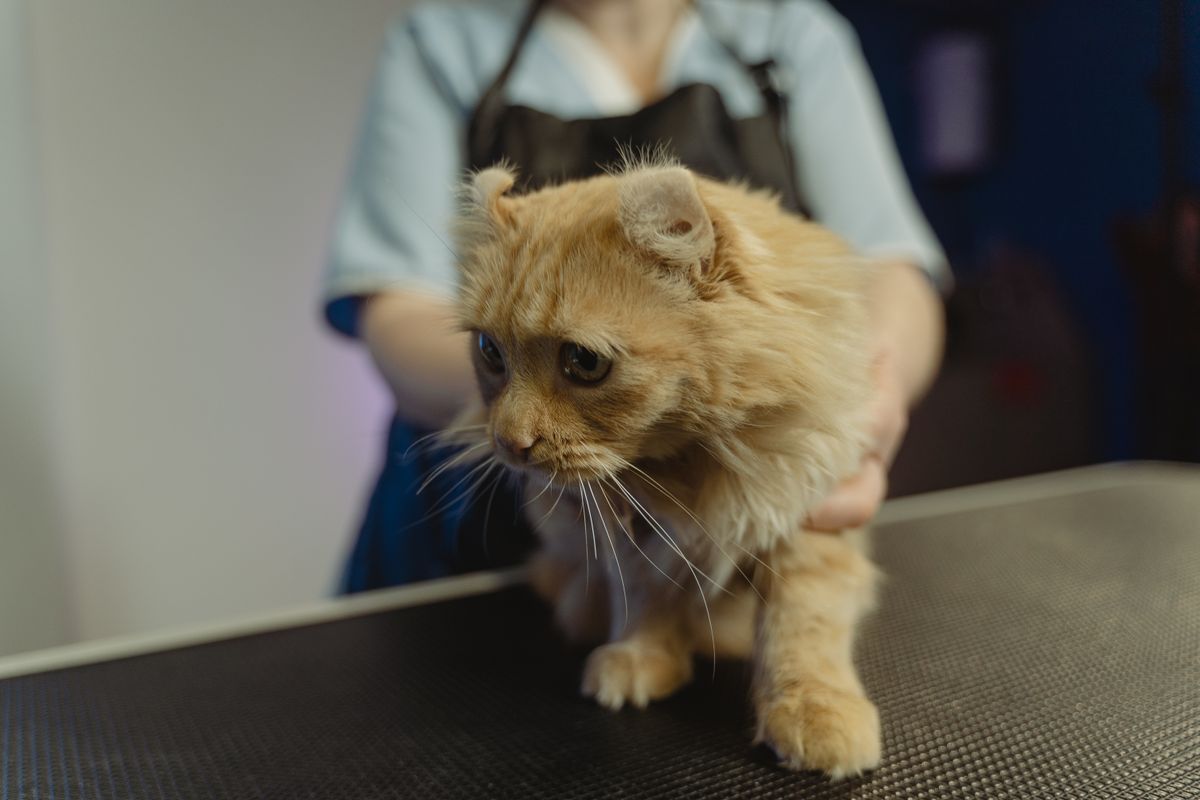
BC H5N1 Cat Emergency 2026: Symptoms, Raw-Food Exposure & What to Do in Vancouver
H5N1 can cause severe respiratory and neurologic disease in cats. For British Columbia owners, the most useful emergency question is not whether a social-media post says Vancouver has a “raw-food ban”; it is whether your cat had a plausible exposure, whether illness signs are developing, and how quickly veterinary and animal-health authorities need to become involved. This guide focuses on the emergency pathway: what to do after raw poultry/raw pet-food or bird exposure, which signs need urgent care, how suspected HPAI is reported and tested in B.C., how to reduce household exposure while waiting for instructions, and why freeze-dried or HPP-labelled raw food should not be treated as automatically H5N1-safe.
BC cat H5N1: the 2026 emergency correction
No verified March 2026 Vancouver-wide raw-food ban: this update could not substantiate the previous claim that WAVES, Canada West and BCSAVA jointly issued a March 28, 2026 raw-poultry ban.
No verified “two Metro Vancouver raw-food H5N1 cat cases”: the specific two-case claim in the previous version could not be confirmed in current official B.C./CFIA sources reviewed for this update.
The risk itself is real: H5N1 transmission to cats through commercially produced raw animal products has been documented in the United States, and Canadian authorities advise against feeding pets raw meat, organs, eggs or raw milk.
British Columbia reporting: suspected HPAI in a domestic animal is reportable to CFIA and the B.C. Chief Veterinarian. Call the veterinary clinic before arriving if H5N1 is a possibility.
Safest food principle: fully cooked/heat-treated animal products inactivate avian influenza virus; freeze-dried, frozen, dehydrated and HPP-labelled raw foods should not be treated as equivalent to cooked food.
What was wrong with the old “Vancouver vet advisory” story?
The previous article described a March 28, 2026 joint advisory supposedly issued by WAVES, Canada West Veterinary Specialists and BCSAVA, complete with quoted language, two Metro Vancouver cat cases and a timeline for lifting a local raw-food ban. That specific advisory could not be verified in the public sources reviewed for this update.
There was a real British Columbia raw-pet-food warning event: on January 7, 2025, Canada West Veterinary Specialists published a notice about the voluntary recall of Northwest Naturals Feline Turkey Recipe after H5N1 was linked to the death of an Oregon cat. The product had been sold in British Columbia.
What Canada and B.C. currently advise cat owners to do
The Public Health Agency of Canada advises people not to feed pets diets, treats or other products made with raw meat, organs or eggs, and not to feed raw milk or raw-milk products. CFIA similarly advises owners not to feed cats raw poultry or wild/game-bird meat and to keep pets away from sick or dead wild birds.
B.C.'s companion-animal HPAI page warns that cats and dogs elsewhere have become infected through exposure to sick/dead birds, domestic poultry, infected raw milk and raw meat—including commercial raw-food diets.
For the full food-safety and recall-checking discussion, see Patify's B.C. raw cat food & H5N1 safety guide. This page stays focused on emergency exposure and illness response.
My cat ate raw poultry or raw pet food today: what should I do?
- Stop further exposure. Do not continue feeding the same raw animal product while you assess the situation. Keep the cat away from raw milk and from sick/dead birds or wildlife.
- Save the label and lot information. Photograph the brand, recipe, lot/batch code, best-before/use-by date and place/date of purchase. If an official recall is later issued, those identifiers determine whether your product is affected.
- Do not rely on appearance or smell. H5N1 contamination cannot be ruled out because the food looks normal.
- Clean food-contact areas. Wash hands and clean/sanitize bowls, utensils and surfaces that contacted raw pet food. Keep raw pet-food utensils separate from human-food preparation.
- Monitor the cat closely for illness. Pay attention to appetite, energy, eyes/nose, breathing, balance, gait and neurologic behaviour.
- Call a veterinarian promptly if signs develop. Mention the raw-food or bird exposure before arriving so the clinic can prepare infection-control measures.
Signs of H5N1 reported in cats
FDA and Canadian animal-health guidance describe severe feline H5N1 illness that may include respiratory, ocular, systemic and neurologic signs.
General illness
Fever, marked lethargy and reduced appetite.
Eyes / nose
Red or inflamed eyes and discharge from the eyes or nose.
Breathing
Difficulty breathing or other significant respiratory signs.
Neurologic
Tremors, seizures, incoordination, blindness or other abnormal neurologic behaviour.
Do not use DIY temperature or breathing cutoffs as an H5N1 test
The previous version instructed owners to take daily rectal temperatures and used a single resting-respiratory-rate threshold as if it could screen for H5N1. Those measurements can be useful in veterinary medicine, but they are not a home diagnostic test for avian influenza and can create false reassurance or unnecessary delay.
If the cat has a plausible exposure and becomes noticeably unwell, especially with respiratory, eye or neurologic signs, contact a veterinarian. H5N1 confirmation requires laboratory testing coordinated through veterinary and animal-health authorities.
What happens if a B.C. veterinarian suspects H5N1?
B.C. states that suspicion of HPAI in domestic animals is reportable to both the Canadian Food Inspection Agency and the B.C. Chief Veterinarian. Owners should tell clinic staff before arriving so the veterinary team can protect staff and other patients.
Testing of compatible companion-animal cases can be arranged through CFIA or the B.C. Chief Veterinarian at the Animal Health Centre. The provincial page lists the B.C. Animal Health Centre at 1-800-661-9903 for animal-health assistance.
- Tell the clinic exactly what the cat ate or contacted.
- Bring or photograph product packaging/lot information.
- Tell the clinic whether the cat hunts or had access to sick/dead birds.
- Describe when the first symptom appeared.
- Follow the clinic's arrival/isolation instructions rather than walking into a crowded waiting room unannounced.
Household precautions while H5N1 is being considered
The overall risk to people from an infected household cat is still considered uncommon, but 2026 CDC evidence strengthened the reason for caution: a Los Angeles veterinary professional had serologic evidence consistent with infection after occupational exposure to an H5N1-infected cat.
Until the veterinary/public-health team says otherwise, minimize unnecessary contact with saliva, respiratory secretions, feces and contaminated food surfaces. Wash hands after handling the cat, litter or food; avoid face licking and close face-to-face contact; and follow any PPE/isolation instructions provided by the clinic or health authorities.
Freeze-dried raw is still raw
The old article labelled freeze-dried raw as a “very low” H5N1 option and said freeze-drying inactivates influenza virus. Current CDC and Canadian raw-pet-food guidance does not support treating freeze-dried raw as equivalent to cooked food.
CDC says freezing, freeze-drying and dehydration reduce some germs but do not kill all germs in raw animal protein. PHAC likewise includes frozen, dehydrated and freeze-dried products in its definition of raw pet food.
HPP is not an H5N1 guarantee either
Some raw-pet-food manufacturers use high-pressure processing (HPP) to reduce pathogens. CDC notes that HPP and irradiation may be used, but there is not enough information about how consistently these processes are implemented across pet-food facilities; products using them are still considered raw.
A manufacturer's validated pathogen-control program may matter when evaluating a product, but the words “HPP treated” should not be converted into a consumer promise that every lot is H5N1-free.
Do not rank food by “BC vs Alberta vs Ontario”
The previous article labelled B.C.-sourced poultry very high risk and raw products from Alberta, Saskatchewan or Ontario “lower risk.” That geography ranking is not a durable or validated consumer safety system.
Outbreak locations change. Ingredient sourcing can also cross provincial borders. More useful questions are whether the product is raw or cooked, what validated kill step is used, whether the lot is traceable, and whether a current recall or official safety notice applies.
If a raw product is recalled or suspected, do not use it for a slow transition
Gradual diet transitions can reduce gastrointestinal upset when changing a safe diet. They are not a reason to keep feeding a recalled or potentially contaminated raw product.
If the product is specifically recalled, follow the recall/manufacturer disposal or return instructions. If your veterinarian or animal-health authority wants a sample for testing, isolate it securely and follow their handling instructions; do not keep it in circulation for later feeding.
The documented raw-food route is real—even if the old Vancouver case story was not
FDA investigations provide direct evidence that commercially produced raw pet food can transmit H5N1 to cats. In one investigation, whole-genome sequencing linked H5N1 in a cat with H5N1 found in certain lots of RAWR Raw Cat Food Chicken Eats that the cat had consumed.
A 2026 CDC report described 19 cats from five Los Angeles County households that became ill after consuming commercially purchased raw milk, raw poultry or raw pet food; nine tested positive for H5N1 and 14 died or were euthanized.
How to check a real pet-food recall
- Keep the original package until the food is finished.
- Record brand, exact recipe, package size, lot/batch number and expiry/best-before date.
- Check the Government of Canada Recalls and Safety Alerts portal.
- Check the manufacturer's own recall/safety page.
- Match the exact lot and date—not just the brand name.
- Remember that absence of a recall does not prove a sick cat's food was safe.
Canada's regulatory structure also matters: CFIA says its pet-food oversight is primarily import/export related and that domestic production/sale is not regulated in the same comprehensive way as human food. A generic “CFIA-inspected” marketing phrase should therefore not be treated as proof that every domestic raw-food lot was H5N1-tested.
Pet insurance: document the illness; do not promise H5N1 coverage by brand
The previous article promised H5N1 coverage under named Canadian insurers. That is too broad. Coverage depends on the issued policy, waiting period, pre-existing-condition definition, exclusions, deductible, reimbursement percentage and annual/condition limits.
If a cat becomes sick after a raw-food exposure, preserve the same evidence you would for any complex infectious-disease claim: medical records, diagnostic reports, itemized invoices, product packaging, lot numbers, purchase receipts and any official recall notice.
Frequently asked questions
Did WAVES, Canada West and BCSAVA issue a joint raw-food ban on March 28, 2026?
This update could not verify the specific joint advisory described in the old article. Canada West did publish a real January 2025 recall notice for Northwest Naturals Feline Turkey Recipe sold in B.C., but that is not evidence of a province-wide March 2026 veterinary ban.
Were two Metro Vancouver cats confirmed with H5N1 from raw poultry in early 2026?
The specific two-case claim in the old article could not be confirmed in the official B.C./CFIA sources reviewed for this update. The broader foodborne route is nevertheless documented in U.S. investigations.
Should I stop feeding raw animal products to my cat?
Current Canadian public-health guidance advises against feeding pets raw meat, organs, eggs and raw milk. Cooked/heat-treated nutritionally complete food is the lower-risk approach for H5N1.
Is freeze-dried raw safe from H5N1?
Do not treat freeze-dried raw as equivalent to cooked food. CDC says freezing, freeze-drying and dehydration do not kill all germs in raw animal protein, and PHAC includes freeze-dried/dehydrated products in raw-pet-food guidance.
Does HPP make raw food H5N1-free?
No consumer-level guarantee exists. HPP may reduce pathogens, but CDC still classifies those products as raw and notes uncertainty about implementation across facilities.
What symptoms should make me call a veterinarian?
After a plausible H5N1 exposure, contact a veterinarian for marked lethargy, low appetite, eye/nasal discharge, respiratory signs or neurologic abnormalities. Difficulty breathing, collapse or seizures are urgent emergencies.
Should I walk into an emergency clinic if I suspect H5N1?
Call ahead first whenever possible. B.C. specifically asks owners to advise clinic staff before arrival so infection-control precautions can be prepared.
Who coordinates H5N1 testing in a B.C. cat?
Your veterinarian can work with CFIA and the B.C. Chief Veterinarian/Animal Health Centre. B.C. lists testing of compatible companion-animal cases as something that can be arranged through those animal-health authorities.
Bottom line
The old version tried to create urgency with an unverified Vancouver vet ban, a local case count and a product-risk ranking. The safer and more useful 2026 answer is simpler: H5N1 can be severe in cats, raw animal products are a documented transmission route, Canadian authorities advise against feeding raw animal products, and suspected feline HPAI requires veterinary/animal-health coordination.
For an evergreen emergency plan: stop the suspected exposure, preserve lot information, watch for illness, call the clinic before arrival, and follow CFIA/B.C. Chief Veterinarian testing and infection-control instructions. Keep the separate Patify raw-food guide for detailed feeding and recall decisions.
BCCDC — Avian Influenza / Pets
Public Health Agency of Canada — H5N1 Prevention and Risks
Public Health Agency of Canada — Raw Pet Food Safety
CFIA — H5N1 Risks for Pets
CFIA — Pet Food Regulatory Scope
Canada West Veterinary Specialists — January 2025 Northwest Naturals Recall Notice
FDA — H5N1-Positive RAWR Raw Cat Food and Feline Case
FDA — Reducing HPAI Risk in Cats
CDC MMWR 2026 — H5N1-Infected Cats Associated With Raw Animal Products
CDC — Raw Pet Food, Freeze-Drying and HPP Limitations
Pexels — Tima Miroshnichenko, Tabby Cat at a Veterinary Examination (free to use)


