
🐕🦴 Dog Limping but Not Crying: When to Rest, Call the Vet, or Go Now (2026)
A dog can favor a leg while still eating, wagging and playing. That does not prove the limb is painless. Veterinary references describe lameness as altered gait caused by pain or impaired musculoskeletal function, while neurologic disease can also change limb use. The key questions are severity, duration, trauma history and neurologic signs.
Important correction: pain expression varies between dogs. There is no need to rely on an unsupported “pack animals hide weakness” story. Limping, stiffness, trouble rising, reduced activity and reactions to touch can all be pain clues.
⚡ Quick Triage: Watch, Vet Soon, or Emergency?
🟢 Short rest + close observation
Mild new weight-bearing limp after activity; no swelling/deformity, wound, major trauma or neurologic signs; dog otherwise bright. Restrict running/jumping and reassess over 24–48 hours.
🟠 Vet appointment soon
Limp lasts more than a day or two, returns repeatedly, worsens, affects stairs/walks, or you notice swelling, persistent skipping gait, paw licking, stiffness after rest or unexplained lameness in an older dog.
🔴 Urgent / emergency
Major trauma, obvious fracture/deformity, severe swelling, uncontrolled bleeding, intense pain, inability to stand/walk normally, dragging or knuckling a limb, rapidly worsening weakness, or loss of bladder/bowel control.
Non-weight-bearing alone does not identify the diagnosis. It deserves prompt assessment, with urgency rising sharply when trauma, deformity, severe pain or neurologic deficits are present.
🧠 “Not Crying” Does Not Mean “No Pain”
Cornell lists limping, stiffness, reduced activity, difficulty rising, altered posture, excessive licking and reactions to touch among possible pain signs. Some dogs remain social and food-motivated despite meaningful discomfort.
Better interpretation: eating and wagging are useful observations but cannot rule out orthopedic pain. Neurologic weakness or loss of coordination can also produce an abnormal gait.
🔍 Common Causes of a Limp That Looks Mild
1. Paw, nail or toe injury
Cracked pads, torn nails, thorns, grass awns, glass and interdigital irritation can cause subtle lameness. A careful visual paw check is a reasonable first step.
2. Soft-tissue strain
A mild strain after running or rough play may improve with activity restriction. Persistent, worsening or recurrent lameness needs an exam.
3. Cranial cruciate ligament (CCL) disease
CCL disease is a leading cause of hind-limb lameness. It may be traumatic but more commonly develops through progressive ligament degeneration. Partial tears can be subtle. Joint instability contributes to osteoarthritis; surgery is frequently recommended for clinically important instability, but there is no universal TPLO/TTA success percentage that applies to every dog.
4. Patellar luxation
An intermittent “skipping” gait is characteristic. Mild Grade 1 and some minimally symptomatic Grade 2 cases may be managed conservatively; moderate, severe or progressively symptomatic cases are more likely to need surgery.
5. Hip dysplasia
Lameness may be mild to severe, worse after exercise or after rest once osteoarthritis develops. A bunny-hopping gait can occur. Radiographs are useful, but clinical signs do not always match radiographic severity.
6. Osteoarthritis
OA is a painful progressive joint disease. Stiffness, lameness, difficulty rising, reluctance to jump and reduced activity are common. “Just getting old” should not normalize treatable pain.
7. Neurologic or spinal disease, including IVDD
IVDD can be painful and may cause ataxia, weakness, abnormal paw placement or paralysis. Dragging, repeated knuckling, wobbliness or rapidly worsening weakness are red flags. Do not test “deep pain” by pinching toes at home; it is a veterinary neurologic/prognostic assessment in severely affected patients.
8. Osteosarcoma
Cornell describes canine osteosarcoma as often very painful. Progressive lameness, reluctance to walk and localized firm swelling can occur. Signs may last days to months, so persistent unexplained lameness — particularly in an older large/giant-breed dog — deserves examination and often radiographs.
9. Lyme disease
Most exposed dogs do not become clinically ill. In symptomatic dogs, Cornell lists fever, lameness, lethargy, reduced appetite and joint pain/swelling; signs can begin roughly 2–5 months after an infected tick bite. Exposure geography matters.
10. Panosteitis
Panosteitis primarily affects rapidly growing large/giant-breed dogs, commonly around 6–16 months. It is painful and may cause cyclical or shifting lameness. It is usually self-limiting by skeletal maturity, but examination/radiographs help distinguish it from other causes.
🚨 IVDD: Why “Painless Limp = Nerve Damage” Is Too Simplistic
Spinal disk disease can cause pain, paresis, ataxia, proprioceptive deficits and paralysis. Deep-pain status has prognostic importance in severely affected non-ambulatory/paraplegic dogs, but it should not be turned into a universal “24–48 hours or permanent paralysis” countdown.
Urgent signs: dragging, repeated knuckling, rapidly worsening hind-limb weakness, inability to stand/walk, or urinary/fecal control problems. These need a neurological examination and may require CT/MRI.
🏠 Safe Home Check: Observe More, Manipulate Less
Film the gait. Record front, back and side views on a flat non-slip surface; intermittent lameness may disappear in clinic.
Inspect the paw visually. Look for cuts, torn nail, swelling or an obvious superficial foreign object. Stop if the dog is painful or may bite.
Do not perform orthopedic stress tests. Do not force joints, attempt a drawer test, repeatedly flex the knee or pinch toes to test sensation.
Restrict high-impact activity. No running, jumping or rough play while the cause is unclear. Short leash toilet walks are safer.
Track the trend. Note whether it is improving, worsening, shifting legs, activity-related or worse after rest.
🩻 Does Every Limp Need an X-Ray?
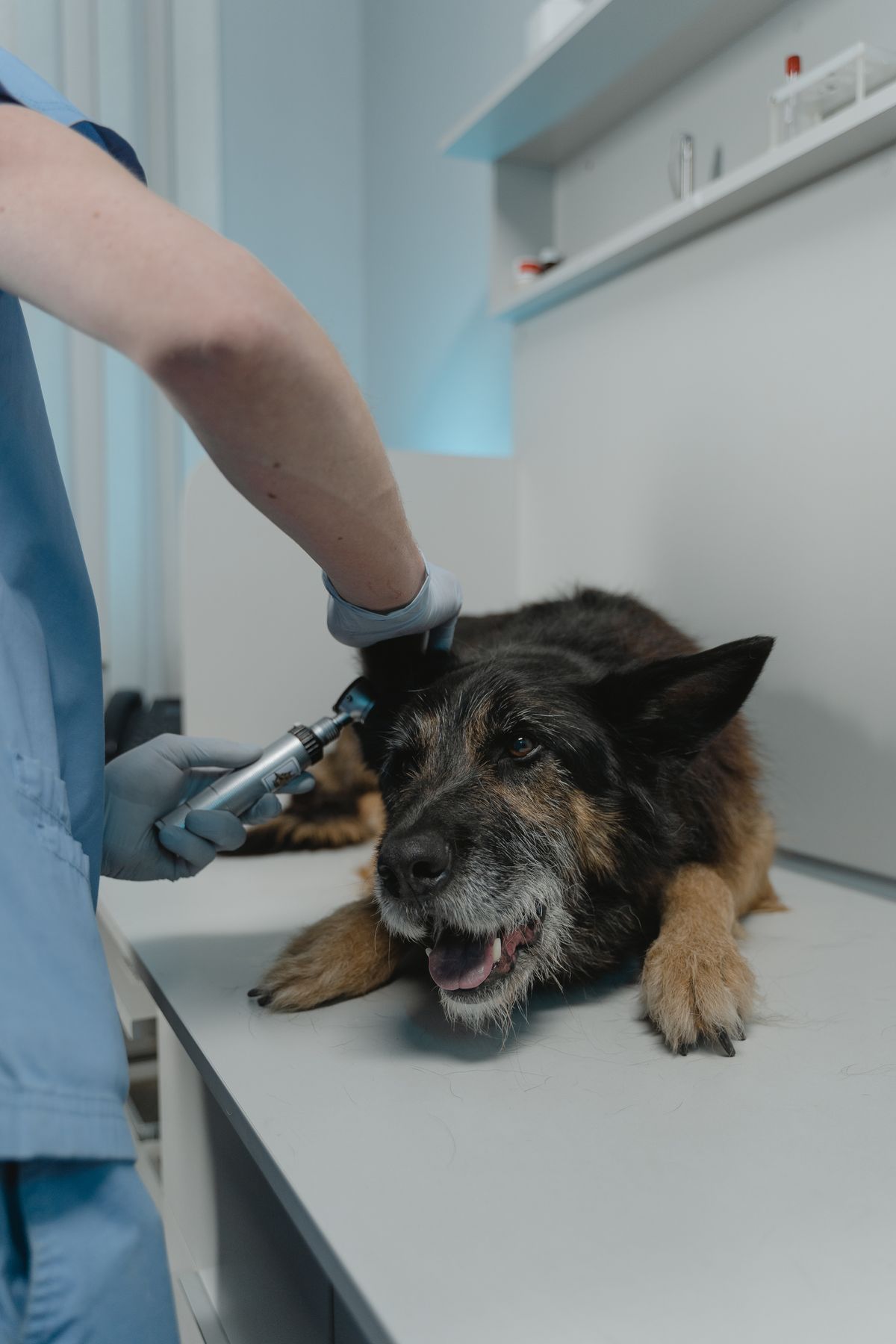
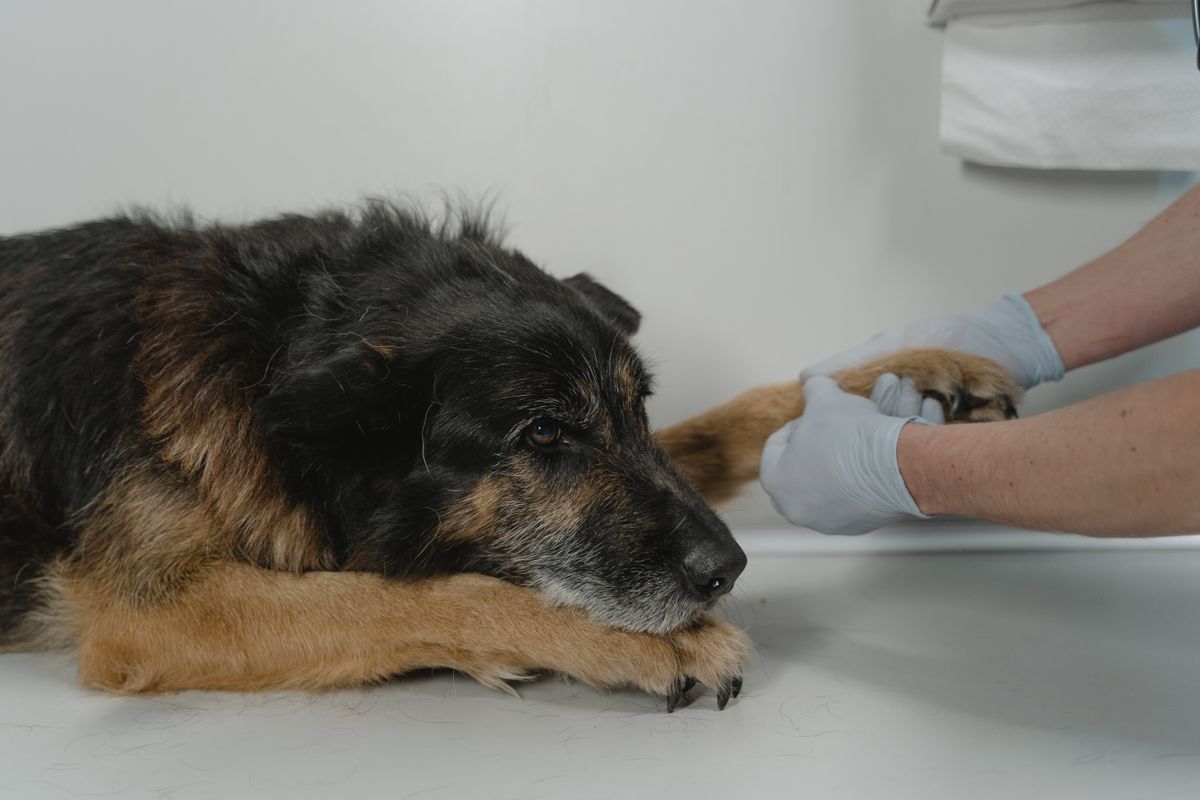
No. A lameness work-up begins with history, gait observation and orthopedic/neurologic examination. Depending on localization, the veterinarian may recommend radiographs, blood/urine testing, joint-fluid analysis, ultrasound, CT or MRI.
Examples: radiographs are useful for fractures, bone lesions, arthritis and dysplasia; CT/MRI are important for selected spinal/neurologic problems; blood/urine tests may be used when infectious or systemic disease such as Lyme-associated illness is considered.
💊 Human Painkillers: Do Not Dose From Your Medicine Cabinet
Do not give ibuprofen, naproxen, aspirin, acetaminophen/paracetamol or leftover medication from another pet without veterinary direction. The FDA warns that human pain relievers can be processed differently in pets and may cause gastrointestinal, kidney, liver or blood-cell injury.
Nuance: aspirin and acetaminophen are not accurately described as “never used in dogs under any circumstances”; veterinarians may use some human-origin drugs in selected situations. The owner-safe rule is still: do not give them unless your veterinarian prescribed that exact drug and dose for this dog.
📊 Quick Reference
| Possibility | Typical clue | Pain? | Priority |
|---|---|---|---|
| Paw/nail injury | Licking, torn nail, pad injury, object between toes | Often | Visual check; vet if significant/persistent |
| Soft-tissue strain | After activity; mild weight-bearing limp | Yes | Brief rest; vet if not improving |
| CCL disease | Hind-limb lameness; partial tears can be subtle | Yes | Veterinary evaluation |
| Patellar luxation | Intermittent skipping gait | Variable | Vet assessment; treatment depends on grade |
| Hip dysplasia / OA | Stiffness, exercise-related limp, trouble rising/jumping | Yes | Routine/soon depending on severity |
| IVDD / neurologic disease | Wobble, knuckling, dragging, weakness | Can be significant | Urgent if new/worsening deficits |
| Osteosarcoma | Progressive lameness ± firm swelling | Often very painful | Prompt exam/imaging |
| Lyme disease | Exposure + joint pain/swelling, fever, shifting limp | Yes | Testing based on exposure/signs |
| Panosteitis | Young large dog; cyclical/shifting lameness | Yes | Vet diagnosis; good long-term prognosis |
❓ Frequently Asked Questions
My dog is limping but still playing. Can I wait?
A very mild new weight-bearing limp without trauma, swelling, wound or neurologic signs can sometimes be rested and watched briefly. If it lasts more than a day or two, worsens or recurs, book an exam.
Does a limp always mean pain?
Musculoskeletal lameness commonly reflects pain or dysfunction. Neurologic weakness/coordination problems can also alter gait.
Should I bend the leg to find the painful spot?
No forceful manipulation. Visual paw inspection is reasonable; stability tests and neurologic pain testing belong in a veterinary exam.
When is limping a neurologic emergency?
Dragging, repeated knuckling, inability to coordinate the legs, rapidly worsening weakness, inability to stand/walk or loss of bladder/bowel control warrants urgent assessment.
Is osteosarcoma painless at first?
No. Cornell describes osteosarcoma as often very painful. A dog can still eat and interact despite that pain.
Does every CCL tear need TPLO or TTA?
No single procedure is right for every dog. Surgery is often recommended for meaningful instability, but choice depends on size, anatomy, activity and surgeon assessment.
Does every luxating patella need surgery?
No. Mild Grade 1 and selected minimally symptomatic Grade 2 cases can be managed conservatively; surgery is more typical for moderate/severe or progressive cases.
Can Lyme disease cause a limp months after a tick bite?
Yes. Symptomatic dogs can develop signs roughly 2–5 months after infection, but most exposed dogs do not become clinically ill.
Can I give ibuprofen or paracetamol?
Not without veterinary direction. Human pain medicines can cause serious toxicity or interact with other treatments.
🔬 Veterinary Sources
📱 Track the Limp With Patify

Which leg, when it happens, videos and vet notes in one timeline
Log whether the limp appears after exercise or rest, how long it lasts and whether it is improving or worsening. Bring your notes and gait video to the appointment.
DOWNLOAD PATIFY FREE🎯 Bottom Line
A dog can look happy and still have a painful or important mobility problem. Mild new weight-bearing lameness without red flags can sometimes be rested and watched briefly, but persistent, recurrent or worsening limping needs veterinary assessment. Major trauma and neurologic gait changes deserve urgent care. The safest home contribution is observation, paw inspection, activity restriction and a good video — not forceful manipulation or human pain medicine.