
Last verified: October 3, 2026
Goldfish Tank Mates: Fancy and Single-Tail Goldfish Need Different Roommates
Quick answer: the safest goldfish companion is usually another appropriately matched goldfish. If you want other species, compatibility depends on whether you keep slow fancy goldfish or fast single-tail/common/comet goldfish. Good candidates can include hillstream loaches, dojo loaches, some larger cool-water catfish, ricefish, variatus platies and carefully chosen rosy barbs—but each works only under specific size, temperature and feeding conditions.
Patify compatibility rule: identify fancy vs single-tail → adult size → swimming speed → mouth/prey risk → temperature → feeding competition → tank volume → backup plan before adding another species.
1. Fancy vs Single-Tail Goldfish Changes the Answer
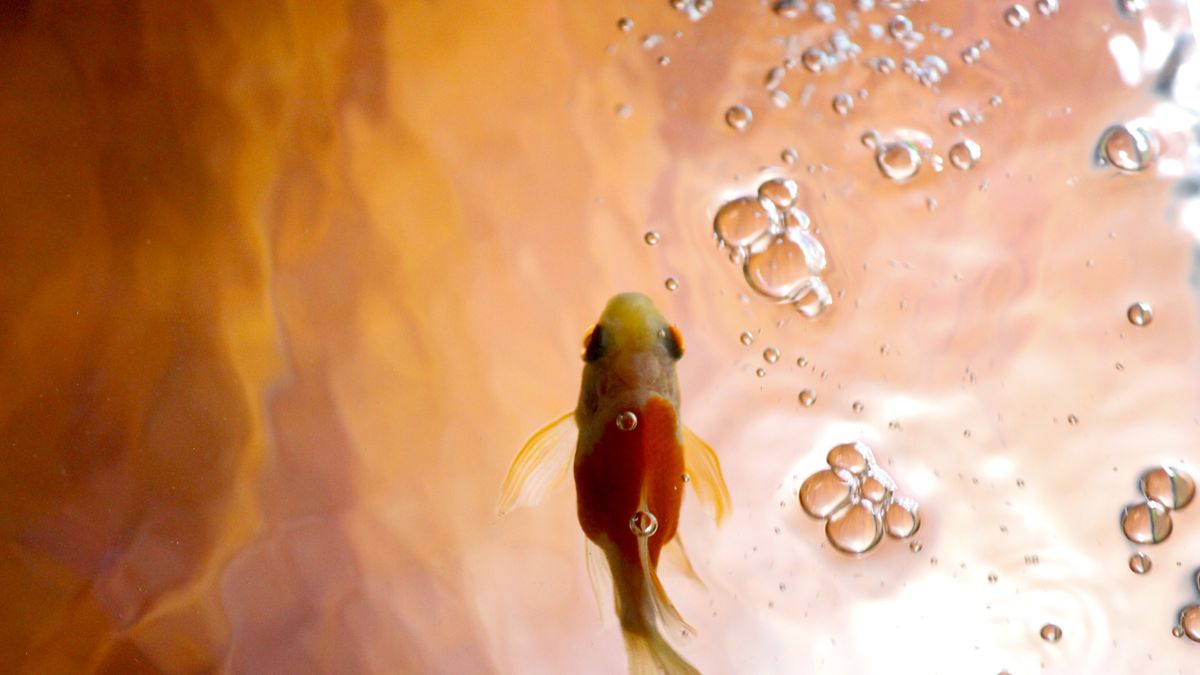
Aquarium Co-Op distinguishes slow, egg-shaped fancy goldfish from streamlined single-tail/common/comet goldfish. Fancies have double tails and reduced swimming speed; single-tails are much faster and more athletic.
| Goldfish type | Typical movement | Main tank-mate risk | Best strategy |
|---|---|---|---|
| Fancy | Slow/moderate | Being outcompeted or fin-nipped | Choose calm companions; avoid fast aggressive feeders |
| Single-tail/common/comet | Fast, strong swimmer | Swallowing small fish; needs much larger space | Large cool-water system/pond-scale planning |
Do not assume a roommate that works beside a common goldfish will work beside a telescope, ranchu or other fancy variety. The speed mismatch alone can change feeding success and stress.
2. Six Filters for Every Goldfish Tank Mate
- Temperature overlap: Aquarium Co-Op places goldfish broadly around 50–70°F; tropical-only fish are a poor match.
- Adult size: goldfish explore with their mouths. Small fish may be swallowed.
- Spines: small spiny catfish can become dangerous if a goldfish tries to swallow them.
- Swimming/feeding speed: fast fish may starve slower fancies.
- Aggression/fin nipping: goldfish are not built for cichlid/barb-style harassment.
- Bioload and tank size: every companion adds waste to a system already housing large, messy fish.
Aquarium Co-Op’s fancy-goldfish guide uses roughly 20 gallons per first fancy goldfish plus about 10 gallons for each additional fish as a practical starting rule and emphasizes that larger systems are easier to maintain. Tank mates require additional margin beyond that baseline.
3. Goldfish Tank-Mate Matrix
| Candidate | Fancy goldfish | Single-tail goldfish | Main caveat |
|---|---|---|---|
| Another similar goldfish | Best default | Best default | Match swimming ability and adult size |
| Hillstream loach | Often workable | Often workable | Needs oxygenated cool water and appropriate food |
| Dojo/weather loach | Conditional—space heavy | Often workable in very large tank | Can approach a foot long |
| Ricefish | Conditional | Higher predation risk | Adds bioload; small fish can be swallowed |
| White cloud minnow | Conditional with grown-out fish | Poorer fit | Prey-size risk |
| Bristlenose/rubbernose pleco | Conditional | Conditional | Temperature + feeding must work; monitor slime-coat grazing |
| Variatus platy | Conditional | Conditional | Needs hard/mineral-rich water; fry may be eaten |
| Longfin rosy barb | Usually too competitive | Better conditional fit | School of ~10+, still monitor nipping |
4. Hillstream Loaches: One of the Better Temperature Matches
Aquarium Co-Op recommends hillstream-type loaches because they tolerate cooler water, graze surfaces and cling tightly to hardscape. Their flattened bodies also make them less easy for a goldfish to pick up than a tiny midwater fish.
Do not buy one as an “algae solution.” Hillstream loaches need mature grazing surfaces and deliberate food, plus strong oxygenation and clean water. Patify’s algae-eater guide explains their actual husbandry role.
5. Dojo Loaches: Excellent Behavioral Match, Huge Space Requirement
Dojo/weather loaches are peaceful, cool-water fish that can coexist well with goldfish—but they can approach a foot in length. That makes them a poor recommendation for a merely “large-looking” starter goldfish tank.
Use only when: the aquarium has enough bottom footprint for adult loaches, filtration is sized for the combined waste load, and all fish can feed without competition.
6. White Clouds and Ricefish: Best Considered With Fancy Goldfish
Aquarium Co-Op specifically presents white cloud mountain minnows as a possibility with fancy goldfish, noting that adults are fast enough to avoid slower fancies more successfully than single-tail goldfish. However, they remain small enough to fit in a goldfish mouth.
Ricefish are another cool-water group, but they still add bioload and can be prey-sized. Treat both as calculated combinations, not guaranteed compatibility.
For cooler-water species requirements, see Patify’s cold-water aquarium fish guide.
7. Bristlenose or Rubbernose Pleco: Conditional, Not Automatic
Aquarium Co-Op reports success with smaller pleco types such as bristlenose and rubbernose/bulldog plecos. The concern is that underfed plecos may graze the slime coat of slow fish. Their advice is to make sure the pleco receives its own sinking food, often after lights out.
Never replace “bristlenose” with a vaguely labeled common pleco. Adult pleco size varies enormously.
8. Variatus Platy: Cooler Livebearer, Hard-Water Constraint
Xiphophorus variatus can handle cooler conditions than many tropical livebearers and has been used successfully with goldfish. The hidden constraint is chemistry: variatus platies prefer hard, alkaline, mineral-rich water.
Mixed-sex groups reproduce readily. Goldfish may eat many fry, which is normal predation rather than population-management magic.
9. Longfin Rosy Barbs: More Suitable for Single-Tail Goldfish
Aquarium Co-Op suggests longfin rosy barbs specifically with single-tail/common goldfish rather than fancies. Their guidance is to keep a large school—around 10 or more, with more females than males—and use the longfin variety because it swims more slowly than standard rosy barbs.
This pairing needs a genuinely large tank. A full rosy-barb school plus adult goldfish is not a way to “add color” to a small goldfish aquarium.
10. Tank Mates to Avoid
- Tiny fish: prey risk rises as goldfish mature.
- Small spiny cory/oto-type fish: Aquarium Co-Op warns they can become lodged if swallowed.
- Aggressive cichlids or fin-nippers: poor temperament match.
- Warm tropical specialists: temperature mismatch.
- Very fast feeders with fancy goldfish: chronic food competition.
- “Cleaner fish” added to compensate for poor maintenance: every fish increases bioload.
Before adding anything, make sure the biological filter is already proven. Patify’s fishless cycling guide covers that process.
Frequently Asked Questions About Goldfish Tank Mates
What is the safest tank mate for a goldfish?
Another goldfish with similar body type, swimming ability and adult size is usually the safest default.
Can white cloud minnows live with goldfish?
They can sometimes work with slower fancy goldfish when the minnows are grown out, but they remain prey-sized and are a poorer match with fast single-tail goldfish.
Can dojo loaches live with goldfish?
Yes in appropriately large cool-water systems, but dojo loaches can approach a foot long and need substantial bottom space.
Can plecos live with goldfish?
Some smaller species such as bristlenose or rubbernose can work conditionally, but temperature, adult size and adequate separate feeding matter.
Can tropical fish live with goldfish?
Only if their long-term temperature and water chemistry overlap. Many tropical species are too warm-water-oriented for a goldfish setup.
Do goldfish need tank mates?
They benefit from social/environmental stimulation, but you do not need to add another species. A well-sized group of compatible goldfish is often simpler.
Can I keep fancy and common goldfish together?
They can sometimes coexist in very large systems, but common/single-tail goldfish are much faster and can outcompete slow fancy goldfish for food.
Sources Checked
Sources reviewed October 3, 2026.