
Last verified: October 3, 2026
Pea Puffer Tank Mates: Species-Only Is the Safest Default
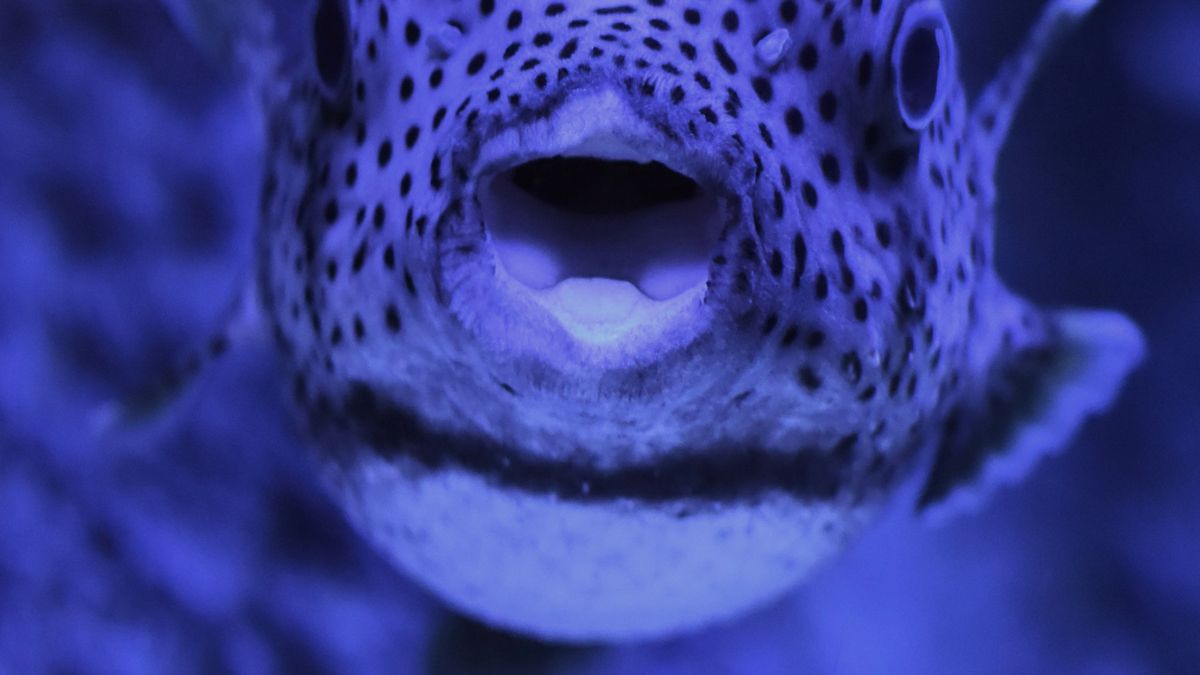
Quick answer: for Carinotetraodon travancoricus, the safest recommendation is a species-only aquarium. Pea puffers are tiny freshwater fish but territorial micro-predators. They may nip fins, hunt shrimp/snails and harass peaceful fish. Some experienced keepers report conditional success with fast or bottom-oriented species, but that is a risk-managed experiment—not a reliable tank-mate list.
Patify decision rule: if you are not willing and able to separate a tank mate immediately, do not add it. Build the aquarium for pea puffers first and treat every other animal as optional/high-risk.
1. Why the Honest Answer Is “Species-Only”
Aquarium Co-Op’s current pea-puffer care guide explicitly recommends buying them with the expectation of a species-only aquarium with no other tank mates. It compares their temperament to an animal with a known tendency to fight: an individual may coexist, but the risk is not predictable enough to build beginner advice around exceptions.
FishBase records Carinotetraodon travancoricus as a true freshwater species from India, with a maximum reported length around 3.5 cm. Small size therefore does not mean “peaceful nano community fish.”
Species-only housing also removes three hidden conflicts:
- pea puffers are slow, deliberate carnivore feeders and can lose food to fast community fish;
- many “cleanup crew” animals are natural prey;
- dense vegetation and broken sight lines can be designed specifically around puffer territorial behavior.
2. Pea Puffer Tank-Mate Risk Matrix
| Candidate | Risk | Why | Patify position |
|---|---|---|---|
| Other pea puffers | Moderate/high | Territorial within species; sex ratio and cover matter | Possible in planned groups |
| Otocinclus | Moderate/high | Some anecdotal success; can still be harassed and may compete for space | Experienced keepers only |
| Kuhli loaches | Moderate/high | Different zone and nocturnal habits may help; still no guarantee | Experienced large planted setup only |
| Amano shrimp | High | Large adults sometimes survive; harassment/predation remains possible | Do not treat as safe |
| Cherry shrimp | Very high | Small shrimp/shrimplets are prey | Food/enrichment, not roommates |
| Snails | Very high | Pea puffers actively hunt snails | Feeder/prey, not cleanup crew |
| Bettas/guppies/longfin fish | Very high | Slow, flowing fins invite nipping | Avoid |
| Tiny nano fish | High | Competition, predation/nipping and chronic stress risk | Avoid as default |
3. The Best “Tank Mates” Are Usually Other Pea Puffers
Aquarium Co-Op uses a practical stocking concept of about five gallons for the first puffer plus roughly three gallons per additional fish, with heavy planting and visual barriers. It notes that three can sometimes work in a 10-gallon aquarium and six to seven in a 20-gallon—but success depends heavily on layout and sex ratio.
Their preferred ratio is about one male for every two to three females to reduce male conflict. Juveniles are difficult to sex, so any group purchase needs a contingency plan for surplus males.
Do not treat volume as an aggression calculator. A bare 20-gallon can be worse than a densely planted, well-zoned setup because fish cannot break line of sight.
4. Otocinclus: Frequently Suggested, Never Guaranteed
Some hobbyists report that otos work because they occupy surfaces rather than competing directly in the water column. But Aquarium Co-Op’s default recommendation remains species-only, which means otos should be considered an experiment rather than a standard pairing.
There is another problem: Otocinclus need mature biofilm/algae and supplemental food. A new puffer aquarium is often too immature to support them well.
5. Kuhli Loaches: Different Zone, Still a Gamble
Kuhli loaches are nocturnal, bottom-oriented fish and are sometimes reported as successful companions in larger planted puffer tanks. Their different activity zone may reduce direct encounters, but it does not eliminate harassment or feeding conflict.
They also require a proper group, soft substrate, hiding structure and enough floor space of their own. Adding a social loach group simply to make a pea-puffer tank “less empty” is poor stocking logic.
6. Shrimp and Snails: Think Prey, Not Cleanup Crew
Aquarium Co-Op states that pea puffers may eat live snails and dwarf shrimp and warns owners that species-only housing means doing aquarium maintenance themselves rather than outsourcing it to cleanup animals.
Large Amano shrimp occasionally survive in heavily planted aquariums, but survival is individual and not proof of compatibility. Cherry shrimp and shrimplets should be assumed vulnerable.
Snails are better viewed as part of the puffer’s hunting enrichment/diet rather than permanent tank mates. Patify’s freshwater aquarium snail guide should therefore not be interpreted as a shopping list for pea-puffer cleanup crew.
7. Fish to Avoid
- Bettas: long fins + slow movement create obvious nipping risk.
- Fancy guppies: same long-fin problem plus feeding competition.
- Angelfish/gouramis: long fins and overlapping territory make harassment costly.
- Slow bottom fish with exposed fins: persistent curiosity can become injury.
- Anything added because “the tank looks empty.” Empty visual space is not a welfare problem when the target species uses a dense planted habitat.
8. If You Still Attempt a Community Setup
This is for experienced keepers who can separate animals immediately.
- Use a tank larger than the minimum species-only footprint.
- Plant densely from substrate to surface.
- Create multiple hard sight-line breaks with wood/rock/plant masses.
- Feed puffers deliberately so they are not outcompeted.
- Provide separate feeding zones for bottom/algae-eating species.
- Have a cycled spare tank or divider ready before introduction.
- Observe after lights-on, feeding and territory changes—not just the first hour.
Patify’s planted aquarium guide can help with structure and plant zoning, while the cycling guide covers biological readiness.
9. Separation Triggers: Do Not Wait for a Dead Fish
Remove/separate an animal if you see:
- repeated targeted chasing rather than brief display;
- torn fins or bite marks;
- one fish pinned to a corner/surface;
- chronic hiding during normal activity periods;
- failure to eat because another fish controls feeding space;
- rapid weight loss;
- persistent male-on-male pea-puffer aggression.
Compatibility is not proven because nobody died in the first week. Chronic low-grade harassment is still failed compatibility.
Frequently Asked Questions About Pea Puffer Tank Mates
What fish can live safely with pea puffers?
No non-puffer fish is reliably safe enough to recommend as a default. Species-only is the most defensible starting plan.
Can pea puffers live with Otocinclus?
Some experienced keepers report success, but harassment remains possible and otos have their own mature-tank feeding requirements.
Can pea puffers live with shrimp?
Dwarf shrimp are prey-sized. Large Amano shrimp may survive in some tanks, but they should not be considered guaranteed safe.
Can pea puffers live with snails?
Snails are natural prey/food enrichment, not reliable cleanup crew.
Can multiple pea puffers live together?
Yes, with enough space, dense planting, sight-line breaks and a female-biased ratio. Aggression still requires monitoring and a rehoming plan.
How many pea puffers fit in a 10-gallon?
Aquarium Co-Op reports that three may work in a heavily planted 10-gallon, but a single puffer is simpler and group success depends strongly on sex ratio and layout.
Are pea puffers freshwater?
Yes. FishBase records Carinotetraodon travancoricus as a freshwater species from India.
Sources Checked
Sources reviewed October 3, 2026.