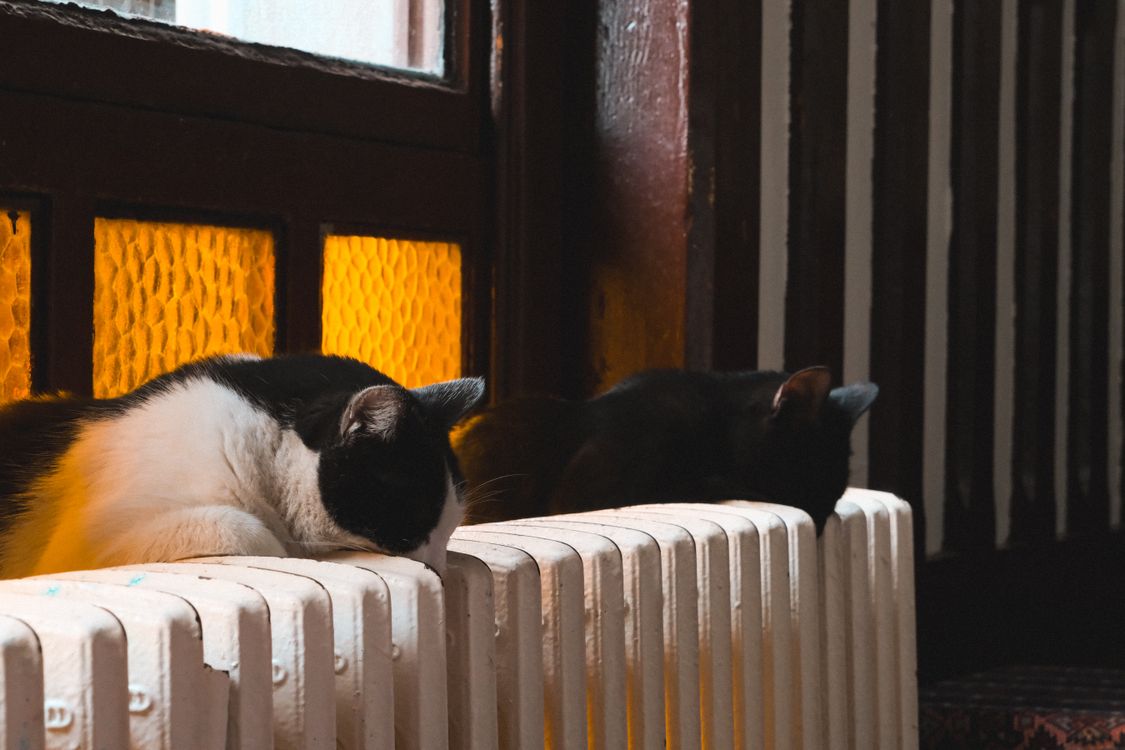


🧴☠️ Rogaine (Minoxidil) Is Killing Cats in 2026 — The Pillowcase Nobody Warned You About
There is no antidote for minoxidil poisoning in cats. The ASPCA confirmed it on February 26, 2026: "When ingested by pets, minoxidil is rapidly absorbed and can cause life-threatening complications with low blood pressure, abnormal heart rhythm, fluid build-up in the lungs and possibly cardiac or respiratory arrest. Cats are more sensitive to the effects of minoxidil than dogs and even very small exposures can cause life-threatening complications." Here is what makes this particularly insidious: your cat does not have to eat the product. She just has to groom herself after lying on a pillow where your partner applied Rogaine four hours ago — or lick your scalp after your morning application. Reports to the ASPCA Animal Poison Control Center involving topical minoxidil increased 965% from 2013 to 2024. This is not a rare edge case. It is a growing household emergency hiding in plain sight.
📊 Minoxidil Cat Toxicity — Key Facts (April 2026)
No antidote exists — Aloha Animal Hospital (May 2025) + ASPCA (Feb 26, 2026): "there's no known antidote"
965% increase in ASPCA Poison Control reports 2013–2024, correlating with a 13-fold rise in Google searches for topical minoxidil — JAAD 2025 (McMullen et al.; Society for Investigative Dermatology)
14.7% cat mortality even in a clinical series — JAAD 2025 scoping review (Journal of American Academy of Dermatology)
0% dog mortality in the same JAAD 2025 study (68 cats, 26 dogs) — cats are uniquely vulnerable
Mechanism: Minoxidil is a vasodilator; in cats it causes severe hypotension, tachycardia, pulmonary oedema, and cardiac arrest — ASPCA (Feb 26, 2026)
Exposure routes: Licking treated skin or hair, lying on contaminated pillowcase or bedding, licking applicator, paw contact with spilled solution — ASPCA + Kinship/Dr. Vasudevan
Products beyond Rogaine: ASPCA warns: Aminexil®, Nanoxidil®, Neoxyl® — also contain minoxidil-like vasodilators with similar pet toxicity risk
📖 Two Real Cats, One Clear Lesson
🐱 Kratos — Licked His Owner's Scalp 15 Minutes After Application
Robert from Las Vegas, interviewed by Pet Poison Helpline, describes applying his minoxidil, putting on a hat, and sitting on the couch. His cat Kratos jumped up and began licking the top of his head — 15 to 20 minutes post-application. Robert called Pet Poison Helpline, who directed him to VCA Mountain Vista Animal Hospital immediately. The toxicology team advised against inducing vomiting (timing and aspiration risk) and instead administered an anti-emetic followed by one dose of medical-grade activated charcoal, then monitored Kratos on IV supportive care. Kratos survived. "I'm a pet sitter and I work in the medical field, so I should know better than to turn my back with Olivia around" — Deborah Edwards, whose cat Olivia grabbed a minoxidil pill from the counter, vomited, and became erratic. She too called Pet Poison Helpline first. Both cats survived because their owners called immediately.
🔬 Why Minoxidil Is So Much More Dangerous for Cats Than Dogs
The pharmacological explanation is straightforward. Minoxidil is a potent vasodilator — it widens blood vessels throughout the body. In humans at therapeutic doses, this effect is managed safely by the cardiovascular system. In cats, the vasodilatory response is dramatically exaggerated, for two reasons:
- Cats lack the liver enzymes to metabolise minoxidil efficiently — the compound accumulates rapidly. Dr. Shari Lipner (Weill Cornell Medicine, Medscape May 2025): "Even small doses can be lethal, particularly for cats."
- Cats are obligate groomers — they groom every surface of their body and anything they contact. A cat that steps on a wet minoxidil applicator, lies on a treated pillowcase, or sits where a human applied the product will ingest a dose through grooming, even if the product appears dry. Kinship/Dr. Vasudevan: "Even if the product has dried, residue may remain."
The 2021 JAAH study of 211 ASPCA cases confirmed that cats were most commonly exposed by licking their owner's hair or pillowcase after application or being splashed during a medication spill. Dogs were more likely to root through bins. This means cat exposure is passive and invisible — the owner often has no idea the exposure occurred until symptoms appear.
🚨 ASPCA (Feb 26, 2026): "Minoxidil is rapidly absorbed and can cause life-threatening complications with low blood pressure, abnormal heart rhythm, fluid build-up in the lungs and possibly cardiac or respiratory arrest. Cats are more sensitive to the effects of minoxidil than dogs and even very small exposures can cause life-threatening complications."
⏱️ Symptom Timeline: What Happens After Your Cat Is Exposed
Phase 1 — Early Signs (45 minutes to a few hours)
Pet Poison Helpline: "Signs of poisoning usually occur within 45 minutes to a few hours." First signs: lethargy, weakness, vomiting, loss of appetite. The cat may seem quiet or "off" — easy to dismiss as a normal off-day. This is the critical window where you still have time to intervene effectively.
Phase 2 — Cardiovascular Collapse Begins
ASPCA: hypotension (dangerously low blood pressure), tachycardia (rapid heart rate). Dr. Nita Vasudevan (Embrace Pet Insurance, Kinship): "Exposure can cause severe cardiovascular effects, including low blood pressure, rapid heart rate, fluid buildup in the lungs, and even death in severe cases." At this stage the cat may collapse, struggle to breathe, or show extreme weakness.
Phase 3 — Pulmonary Oedema and Cardiac Crisis
Wimpole Clinic (updated Dec 29, 2025): "cats who became very ill and died from Minoxidil toxicity showed pulmonary oedema and an accumulation of fluid in their lungs which impeded their breathing." Pet Poison Helpline symptoms: dyspnoea (difficulty breathing), pulmonary oedema, pleural effusion (fluid in chest). Without IV cardiac support, this phase can be rapidly fatal.
Recovery — With Aggressive Early Treatment
VCA Mountain Vista Animal Hospital (Kratos case): anti-emetics to prevent aspiration, activated charcoal (single dose), IV fluids, cardiac monitoring. JAAH 2021 study: most surviving pets required moderate-to-major intervention. The prognosis is significantly better when treatment begins before cardiovascular signs develop.
💊 Complete Symptom List
| System | Symptoms | Severity |
|---|---|---|
| General | Lethargy, weakness, loss of appetite, vomiting | Early warning — act now |
| Cardiovascular | Rapid heart rate (tachycardia), dangerously low blood pressure (hypotension), collapse | Emergency |
| Respiratory | Difficulty breathing (dyspnoea), open-mouth breathing, cyanosis (blue/grey gums) | Life-threatening emergency |
| Fluid accumulation | Pulmonary oedema (fluid in lungs), pleural effusion (fluid in chest cavity) | Life-threatening emergency |
| Neurological | Disorientation, erratic behaviour, panic | Emergency |
| Cardiac terminal | Cardiac arrest, respiratory arrest | Fatal without immediate intervention |
⚠️ Do NOT wait for breathing difficulty before calling the vet. By the time your cat is struggling to breathe, pulmonary oedema has already developed. The window for the most effective intervention is the first phase — lethargy and weakness — before cardiovascular signs escalate. Pet Poison Helpline: "Staying calm and calling your veterinarian or Pet Poison Helpline for guidance is the important first step."
🏥 What Emergency Vets Do: Treatment Protocol
| Treatment | When/Why | Notes |
|---|---|---|
| Call ahead — do not arrive unannounced | Before driving to the vet | Lets the team prepare cardiac monitoring and IV access; PPH Kratos case confirmed this approach |
| Anti-emetic (e.g. maropitant) | If vomiting is occurring or likely | Prevents aspiration of minoxidil-laden vomit into lungs; VCA Mountain Vista Hospital case |
| Activated charcoal (single dose) | If ingestion was very recent and cat is not seizing/collapsed | Binds remaining minoxidil in GI tract; VCA Mountain Vista Hospital case; NOT for home use |
| IV fluid support | All cases with cardiovascular signs | Supports blood pressure; counteracts vasodilation |
| Cardiac monitoring (ECG) | All symptomatic cases | Detects arrhythmias; guides drug therapy |
| Vasopressors | Refractory hypotension | Supports blood pressure when fluids alone insufficient |
| Oxygen therapy / thoracocentesis | Respiratory distress; pleural effusion | Drains fluid from chest to restore breathing |
| No antidote | All cases | ASPCA + Aloha Animal Hospital (May 2025): confirmed — treatment is supportive only |
🐾 The Hidden Exposure Routes You Probably Didn't Think Of
Most minoxidil-cat incidents are not the owner directly applying product to the cat. They are indirect — passive exposures that the owner doesn't witness or connect to the toxicity hours later. Here are every documented route:
- Licking treated hair or scalp — the most common cat exposure (JAAH 2021 + JAAD 2025). Cat grooms your hair after application. Product does not need to be wet — dried residue is still sufficient.
- Sleeping on the treated pillow — JAAD 2025 scoping review: cats lying on contaminated bedding was a primary exposure route. A pillowcase used by someone who applies minoxidil nightly can accumulate significant residue. The cat sleeps on it, the product contacts fur, the cat grooms.
- Contact with treated skin (forearm, neck, shoulder) — if minoxidil drips onto these surfaces during application and the user doesn't clean them, the cat can be exposed by rubbing against the owner.
- Applicator or foam container left accessible — cats are curious; a foam applicator left on a bathroom counter is an attractive object. Dogs were more commonly exposed through bin-raiding (JAAD 2025).
- Spilled solution during application — JAAH 2021: splash exposure during application was documented.
- Oral minoxidil tablets — PPH Deborah Edwards case: her cat grabbed a minoxidil blood pressure pill off the counter. Oral minoxidil causes the same toxicity as topical. Minoxidil is also prescribed for hypertension in humans.
- Third-party products — ASPCA warns that Aminexil®, Nanoxidil®, and Neoxyl® (found in some "beard growth" and "hair serum" products) carry similar vasodilatory risks. Not all products are labelled prominently with pet warnings.
💡 The 965% increase explained: Medscape (May 12, 2025) reports a 13-fold increase in Google searches for "topical minoxidil" from 2013 to 2024. The OTC availability of women's minoxidil (launched in the US in 2022), the proliferation of "beard growth serums," and the oral minoxidil trend have all expanded household exposure. Dr. Shari Lipner (Weill Cornell Medicine): "Dermatologists must educate patients about risks, advocate for clearer product warnings, and emphasise immediate veterinary care if exposure occurs." Most minoxidil packaging does not carry a prominent pet safety warning in the US or Canada.
🛡️ If You Use Minoxidil and Have a Cat: Safe Use Protocol
✅ Dr. Bennett's Minoxidil-Safe Cat Home Protocol
- Apply minoxidil before bed, in a cat-free room, with the door closed. Allow 30–60 minutes minimum for the product to dry before any cat contact — but understand dried residue still poses risk.
- Use a dedicated pillowcase on application nights. Wash it separately and frequently. Do not let your cat access this pillow.
- Wash your hands thoroughly before interacting with your cat after application — not just a quick rinse. Dr. Vasudevan (Kinship): "Wash your hands immediately after applying."
- Wear a hat or cover the treated area before sitting with your cat. If applying to the scalp, keep hair covered for at least 4 hours.
- Never apply minoxidil in a room where your cat sleeps — application generates aerosol droplets that can land on furniture, cat beds, and carpets.
- Store all minoxidil products (topical and oral) in a locked cabinet. This includes "beard serum" products that contain minoxidil or Aminexil — they are equally dangerous.
- Clean up any spills immediately with wet wipes before your cat walks through the area.
- Inform everyone in your household — partners, flatmates, guests — about the risk. The cat does not know whose Rogaine is whose.
- If you cannot maintain separation reliably, discuss alternatives with your dermatologist. Other treatments for hair loss (finasteride/dutasteride, low-level laser therapy, PRP) do not carry the same pet toxicity risk.
❓ Frequently Asked Questions
❓ The minoxidil had dried on my scalp before my cat licked it. Can dried product still hurt her?
Yes. Dr. Vasudevan (Kinship): "Even if the product has dried, residue may remain. Cats, in particular, groom themselves frequently and may ingest minoxidil if they rub against your treated skin or sit where you've rested." Minoxidil does not denature or become inert when it dries — the compound remains pharmacologically active. A cat who licks a dried-application area can ingest a meaningful dose. If your cat has licked your scalp, call Pet Poison Helpline (855-764-7661) or ASPCA APCC (888-426-4435) immediately and describe exactly when your application occurred and for how long your cat was in contact.
❓ My cat seems completely fine four hours after the exposure. Can I stop worrying?
No. Pet Poison Helpline states signs can appear within 45 minutes to a few hours — but the cardiovascular phase can develop more gradually. The 2021 JAAH study confirmed that some cats developed moderate or major illness after initially appearing mild. If you have confirmed or suspected exposure, your cat needs to be evaluated by a vet regardless of current appearance. The vet will assess the dose and timing and determine whether 24-hour cardiac monitoring is warranted. Do not wait for symptoms to worsen. The prognosis is significantly better when treatment begins before cardiovascular collapse.
❓ Can I keep using Rogaine if I have a cat, or do I need to stop entirely?
You do not necessarily need to stop entirely — but you need to implement a rigorous safety protocol (see checklist above). Kinship/Dr. Vasudevan: "You don't necessarily need to avoid minoxidil altogether if you have pets. Still, it's extremely important to take precautions." If you share a bed with your cat and cannot maintain reliable separation of the treated pillow and bedding, the risk may be unacceptable. Discuss alternatives with your dermatologist — finasteride (for male-pattern hair loss) has no known pet toxicity risk. Many cat owners with hair loss have successfully transitioned to alternatives to protect their pets.
❓ What about minoxidil beard growth serums? Are those safer for cats?
No. ASPCA (Feb 26, 2026) explicitly names Aminexil®, Nanoxidil®, and Neoxyl® as carrying similar vasodilatory risks for pets. These compounds are pharmacologically related and behave similarly. Many "beard serum" and "hair density" products sold at pharmacies and online contain these compounds — often without prominent pet safety warnings. Treat any product that promotes itself as a vasodilator-based hair growth treatment with the same caution as Rogaine.

Exposure Log · Emergency Vet Finder · Symptom Tracker
Log your cat's symptoms in real time, note the time of exposure, and find 24/7 emergency vets near you — all in Patify.
Download Patify FreeAlso on web → patifyapp.com/straypets
Patify — A home for every paw. #PatifyFamily
#MinoxidilCat #RogaineCatToxic #CatPoisoning2026 #MinoxidilPetDanger #RogainePetWarning #patify