Nova Scotia H5N1 & Cats 2026: Halifax Indoor Safety, Dead-Bird Reporting & Raw-Food Risks
H5N1 is established in Nova Scotia's bird and wildlife environment, and cats can become infected after hunting, scavenging or closely contacting infected wildlife or after exposure to contaminated raw animal products. What Nova Scotia does not currently have, based on the public sources reviewed for this update, is a verified province-wide NSVMA “April 20–June 1 cat lockdown” or a fixed Halifax/Annapolis/South Shore risk map for household cats. The durable plan is simpler: keep cats away from wild birds—especially during peak migration—avoid raw poultry and other raw animal products, report sick/dead wildlife, and call the veterinary clinic before arrival if a cat with a plausible exposure develops respiratory, eye, systemic or neurologic signs.
Nova Scotia cat H5N1: the 2026 reality
No verified six-week NSVMA restriction: this update could not substantiate the old claim that NSVMA ordered or formally recommended all HRM cats stay indoors specifically from April 20 to June 1, 2026.
Indoor prevention is still good official guidance: CFIA recommends keeping cats indoors especially during peak migration seasons so they cannot hunt or contact infected wild birds/carcasses.
The virus is present in Nova Scotia: CFIA's August 2026 domestic-bird response summary lists current and previous infected premises in the province, and CWHC's 2026 live-bird surveillance reported an HPAI H5N1 detection in Nova Scotia.
Dead wildlife: Nova Scotia asks the public to avoid handling sick/dead wildlife and report it to Natural Resources and Renewables at 1-800-565-2224.
Raw food: PHAC does not recommend feeding raw pet food or treats; raw includes fresh, frozen, dehydrated and freeze-dried products.
Suspected animal H5N1 is reportable: avian influenza is reportable federally and in Nova Scotia. Your veterinarian can coordinate with CFIA and the Nova Scotia Chief Veterinary Officer.
The biggest correction: there is no verified Halifax “April 20–June 1 protocol”
The previous version described a detailed NSVMA protocol with a six-week indoor restriction, named Halifax clinics said to have “adopted” it, a regional H5N1 risk map, specific waterfront avoidance rules and a June 1 review date. Public NSVMA, provincial and federal sources reviewed for this September 2026 revision did not substantiate that package of claims.
That does not mean the underlying prevention idea is wrong. CFIA's national pet guidance specifically recommends keeping cats indoors especially during peak migration seasons to reduce access to infected wild birds and carcasses. The correct evergreen wording is therefore behaviour-based and season-aware—not a fabricated six-week order.
What current Nova Scotia surveillance actually shows
Nova Scotia's government says H5N1 has been identified in the province since 2022 and that birds and other animals have tested positive. Its public-health background document notes that H5N1 had been detected in more than 200 Nova Scotia wildlife specimens—including wild birds and mammals—over the surveillance period described there.
For a current 2026 snapshot, CFIA's national domestic-bird response summary—updated August 31—listed one current infected premises and 12 previously infected premises in Nova Scotia. Separately, the Canadian Wildlife Health Cooperative's 2026 live-bird surveillance, current to July 30, reported 91 live birds tested in Nova Scotia, with one H5-positive sample confirmed as HPAI H5N1.
How cats can be exposed to H5N1 in Nova Scotia
Hunting or scavenging
An outdoor cat can catch, eat or play with an infected bird or other wildlife.
Dead wildlife
Close contact with a carcass, feathers, feces or respiratory secretions can create exposure.
Contaminated environments
Ponds, shorelines, farms or areas with bird congregation can contain infectious material when H5N1 is circulating.
Raw animal products
Raw poultry, game-bird meat, organs, eggs, raw milk and some raw pet foods are avoidable exposure routes.
CFIA says mammalian pet infections remain rare, but cats are susceptible and can become seriously ill. Canadian authorities therefore recommend reducing both wildlife contact and raw-animal-product exposure.
Should Halifax cats stay indoors?
For H5N1 prevention, keeping a cat indoors is the simplest way to block hunting and scavenging. CFIA specifically recommends indoor housing for cats during peak bird-migration periods. Environment and Climate Change Canada similarly recommends keeping cats indoors so they cannot contact sick/dead birds or bird feces.
This is a prevention recommendation, not a Nova Scotia “legal indoor order.” A fully enclosed catio that prevents bird contact can reduce risk compared with free roaming, but owners should still keep food/water areas protected from wildlife and watch for dead birds around the enclosure.
Making an outdoor cat comfortable indoors
Moving a free-roaming cat indoors suddenly can increase frustration if the home does not provide appropriate feline resources. Evidence-based environmental guidance emphasizes choice, refuge, vertical space, scratching, play and opportunities to forage or “hunt” for food.
- Create a quiet refuge with food, water, litter, a bed/hide, scratching surface and toys.
- Add elevated resting/perching locations and a secure window view.
- Use interactive play every day and rotate toys to maintain novelty.
- Use puzzle feeders or hide small portions of food to support foraging behaviour.
- Provide enough litter boxes and keep them clean.
- Offer controlled outdoor access only when it prevents direct contact with birds/wildlife.
- Make the change predictable; avoid punishment if the cat protests at doors or windows.
No specific pheromone brand or retailer is required for an H5N1 prevention plan. If anxiety becomes significant, ask your veterinarian for an individualized behaviour strategy.
Nova Scotia dead-bird protocol: what to do
The Province tells people not to touch or handle live, sick or dead wildlife and not to bring sick/injured wildlife into homes or vehicles. Injured, sick or dead birds and mammals can be reported to Nova Scotia Natural Resources and Renewables at 1-800-565-2224.
- Keep your cat and children away from the animal/carcass.
- Do not pick it up with bare hands.
- Report the wildlife location to Nova Scotia Natural Resources and Renewables.
- If your cat contacted or ate the animal, bring the cat indoors and call your veterinarian for exposure-specific advice.
- Tell the veterinarian what species was involved, when contact occurred and whether the cat ate any tissue.
- If you personally had unprotected contact with potentially infected wildlife, follow PHAC advice and contact a healthcare provider/local public-health authority for exposure assessment.
Raw poultry and raw pet food: Nova Scotia owners should use the Canadian rule
The previous article tried to rank Annapolis Valley raw poultry against HPP food from other provinces. That geography-first risk system is not supported by current Canadian public-health guidance.
PHAC does not recommend feeding pets raw food or treats. Its definition includes uncooked meat, bones, eggs and dairy and explicitly notes that raw pet food can be fresh, frozen, dehydrated or freeze-dried. Current federal H5N1 prevention guidance also says not to feed pets raw meat, organs or eggs and not to feed raw milk.
For a deeper explanation of raw-food processing, recall checking, freeze-drying and HPP limits, Patify's raw cat food & H5N1 safety guide explains the same Canadian processing principles in detail.
Symptoms of H5N1 in cats
CFIA lists the following possible HPAI signs in cats and dogs:
- Fever
- Lethargy
- Conjunctivitis
- Loss of appetite
- Difficulty breathing
- Neurologic signs such as tremors or seizures
- Death in severe cases
Do not diagnose H5N1 with a home temperature or breathing-rate chart
The old article asked owners to take daily temperatures and used single numerical cutoffs as if they could distinguish H5N1 from routine feline respiratory disease. They cannot.
Many feline illnesses cause fever, eye discharge, reduced appetite or respiratory signs. H5N1 confirmation requires veterinary assessment and laboratory testing. A known exposure plus worsening systemic, respiratory, ocular or neurologic illness is a reason to call the veterinary team—not a reason to keep collecting home measurements until a threshold is crossed.
If a veterinarian suspects H5N1 in a Nova Scotia cat
Avian influenza is federally reportable in animals. Nova Scotia also identifies it as reportable under provincial animal-health law. The Province says suspected animal cases must be reported through the appropriate veterinary/animal-health pathway.
For provincial animal-health reporting, Nova Scotia lists the Chief Veterinary Officer/Animal Health Laboratory at 902-893-6540. CFIA's current general enquiries line is 1-800-442-2342, and veterinarians/animal owners can be directed to the appropriate animal-health office.
What happened to the old Halifax “H5N1 vet contact chain”?
The previous table assigned clinic-specific “NSVMA H5N1 protocol adopted” labels and contained inaccurate/outdated clinic details. For example, the current Cobequid Animal Hospital phone is 902-865-8110, not the number in the old article, while Central Nova Animal Hospital is in Truro, not Dartmouth.
A static blog list can become unsafe when a clinic changes hours, after-hours coverage or location. For a suspected H5N1 case, call your regular veterinarian or current local emergency provider and explain the exposure before travelling. If specialist referral is needed, the treating veterinarian can coordinate the appropriate destination.
Pet insurance and H5N1: do not promise coverage by company name
The old article stated that several named Canadian insurers “should cover” H5N1 and made assumptions about out-of-province referral costs and CFIA testing. Those claims depend on the issued contract and circumstances.
If your cat becomes ill, preserve the documentation that can matter for any insurance review: complete veterinary record, itemized invoices, diagnostic results, product packaging/lot codes if food exposure is suspected, and any official recall/advisory notice.
Nova Scotia H5N1 cat checklist
- Keep cats away from sick/dead birds, mammals and bird feces.
- Keep cats indoors especially during peak bird-migration periods and when local wildlife detections increase.
- Do not feed raw poultry, wild/game-bird meat, organs, eggs or raw milk.
- Do not assume freeze-dried raw is equivalent to cooked food.
- Report sick/dead wildlife to Nova Scotia Natural Resources and Renewables: 1-800-565-2224.
- If a cat contacts or eats suspect wildlife, bring it indoors and call the veterinarian for advice.
- If symptoms develop, call the clinic before arrival and mention possible H5N1 exposure.
- Check current CFIA and CWHC surveillance rather than relying on a fixed regional risk table.
Frequently asked questions
Did NSVMA require Halifax cats to stay indoors from April 20 to June 1, 2026?
This update could not verify that specific NSVMA protocol in the public sources reviewed. CFIA does recommend keeping cats indoors especially during peak migration seasons, which is the durable prevention advice.
Is H5N1 actually present in Nova Scotia in 2026?
Yes. CFIA's current response data include Nova Scotia infected premises, and CWHC's 2026 live-bird surveillance reported a confirmed HPAI H5N1 result in Nova Scotia. That does not mean every Halifax neighbourhood has the same risk.
Is Halifax Harbour officially a high-risk H5N1 cat zone?
No official household-cat zoning system supporting the old article's Halifax Harbour/Annapolis/South Shore risk table was identified. Use current wildlife and domestic-bird surveillance plus your cat's actual exposure behaviour.
Should my outdoor Halifax cat stay indoors during bird migration?
Yes, that is consistent with CFIA's current pet guidance. Keeping cats indoors during peak migration reduces hunting/scavenging contact with potentially infected wild birds and carcasses.
Who do I call for a dead wild bird in Nova Scotia?
Nova Scotia Natural Resources and Renewables: 1-800-565-2224. Do not handle the bird with bare hands or bring it into your home or vehicle.
Can I feed freeze-dried raw poultry instead?
PHAC still classifies freeze-dried/dehydrated uncooked products as raw pet food and does not recommend raw pet food or treats. Choose an appropriate cooked/heat-treated complete diet for lower H5N1 risk.
What H5N1 signs should I watch for in my cat?
Possible signs include fever, lethargy, conjunctivitis, appetite loss, difficulty breathing and neurologic signs such as tremors or seizures. Severe breathing or neurologic signs are urgent.
Should I drive directly to an emergency clinic if H5N1 is possible?
For a true emergency, seek urgent care, but call ahead whenever possible and mention the exposure. This lets the clinic prepare appropriate infection-control procedures before the cat enters the facility.
Bottom line
Nova Scotia does not need a fabricated six-week Halifax cat protocol to justify sensible H5N1 prevention. The virus is present in the province's bird/wildlife environment, cats are susceptible, and federal/provincial authorities already provide a durable prevention pathway.
Keep cats away from wildlife, use indoor housing during higher-risk migration periods, avoid raw animal products, report sick/dead wildlife, and involve the veterinary/animal-health system quickly when exposure and compatible illness occur. Update the small surveillance snapshot when conditions change; the core safety guidance remains useful year after year.
Nova Scotia Communicable Disease Manual — Avian Influenza Background
Nova Scotia Animal Health Laboratory — Avian Influenza / Chief Veterinary Officer Contact
CFIA — H5N1 Risks and Prevention for Mammalian Pets
CFIA — Current Avian Influenza Response by Province
CFIA — Current Investigations and Orders
CFIA — Current Contact Numbers
Canadian Wildlife Health Cooperative — HPAI Wildlife Dashboard
CWHC — 2026 Wild-Bird Testing Results
Public Health Agency of Canada — H5N1 Prevention and Risks
Public Health Agency of Canada — Raw Pet Food Safety
Public Health Agency of Canada — Pet Food and Treats
FelineVMA — Indoor/Outdoor Lifestyle and Environmental Needs
Ohio State Indoor Pet Initiative — Bringing Cats Indoors
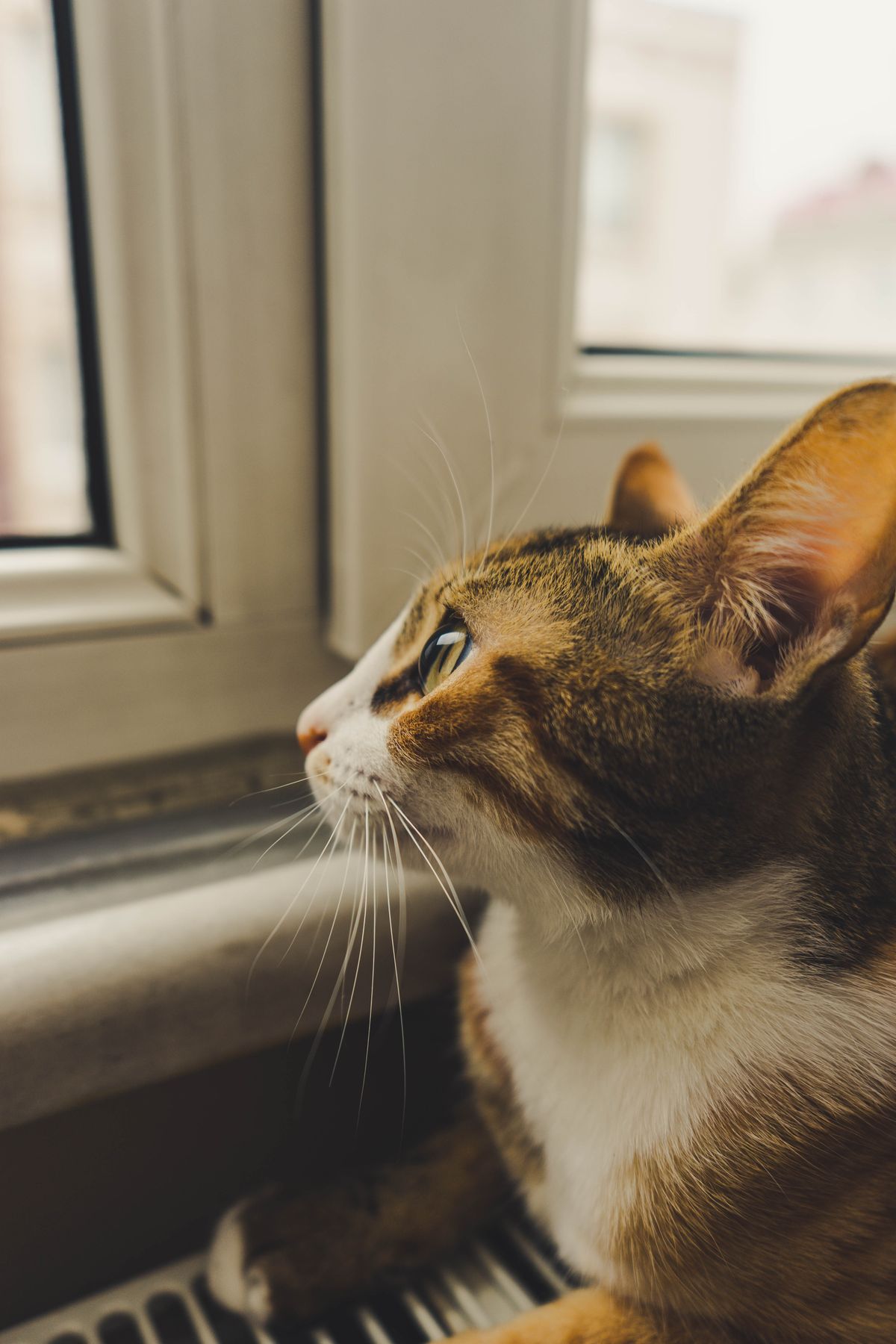
Pexels — Halil İbrahim ÇETİN, Cat Looking Out the Window (free to use)