

Last verified: October 2, 2026
Rat Breeds? Fancy Rats Are Varieties, Colors and Markings
Quick answer: the popular search term “rat breeds” is useful for finding pet-rat types, but it is not how the American Fancy Rat and Mouse Association (AFRMA) classifies them. AFRMA states directly that domestic fancy rats do not come in breeds like dogs or cats. Instead, it recognizes seven Varieties based mainly on coat, ear/body features or absence of a tail, then groups rats into color/marking Sections.
Patify decoder: describe a pet rat in layers: Variety → Section/marking → color → eye color → individual phenotype. “Dumbo,” “Rex,” “Hooded” and “Blue” answer different questions.
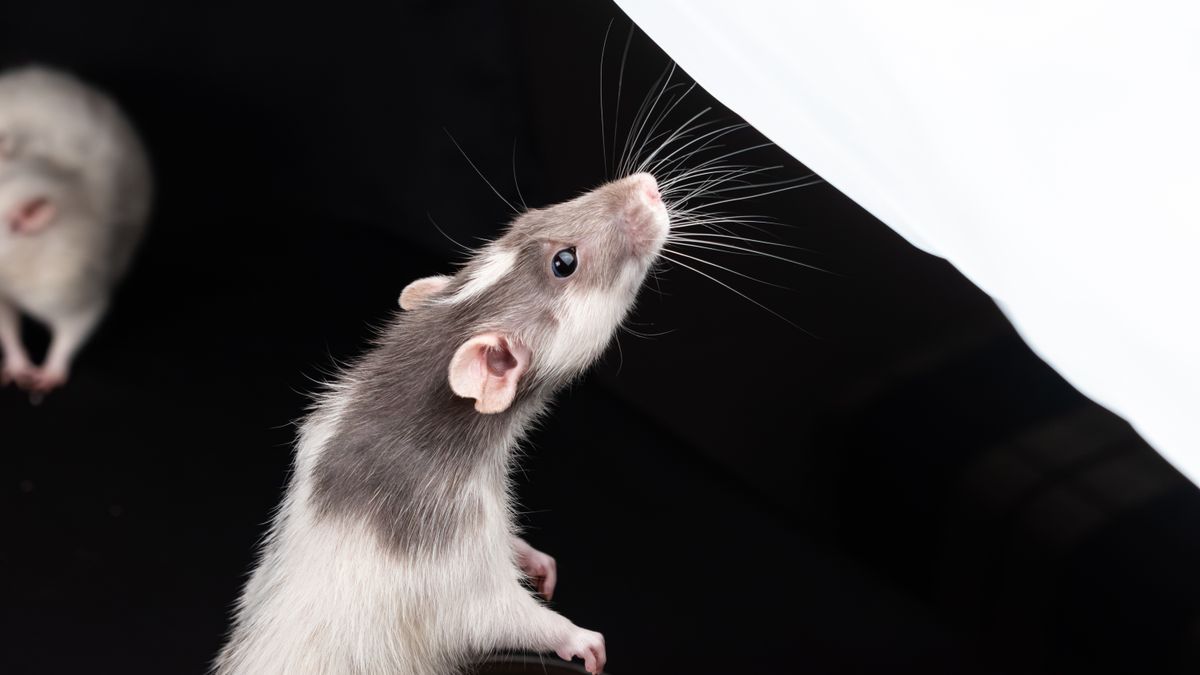
Why Fancy Rats Are Varieties, Not Separate Breeds
Most pet fancy rats are domesticated Norway rats, Rattus norvegicus. They can look dramatically different because people have selected coat texture, ear placement, hairlessness, tail phenotype, pigment and markings. But those visible types are not separate dog-like breeds with closed breed standards.
AFRMA’s current U.S. standard is explicit: rats are shown in Varieties. Its seven recognized Varieties are Standard, Rex, Tailless, Hairless, Satin, Dumbo and Bristle Coat. The same rat can also belong to a color/marking Section.
Search-intent translation: when someone asks for “rat breeds,” what they usually need is a practical map of body/coat varieties, colors and markings. This guide answers that intent without inventing breeds that the rat fancy does not recognize.
The 7 AFRMA Fancy Rat Varieties
| Variety | What changes | Fast identification clue | Important limit |
|---|---|---|---|
| Standard | Reference coat | Short, smooth, glossy coat | Can occur in many colors and markings |
| Rex | Coat + whiskers | Dense curly coat; curly vibrissae are expected | “Double Rex” is a hobby/genetic term, not a separate AFRMA recognized Variety |
| Tailless | Tail/body phenotype | Complete absence of a tail in the standard | A short/injured tail is not automatically a Tailless variety |
| Hairless | Coat reduction/absence | Little or no normal coat | Hairlessness does not create a separate species or breed |
| Satin | Coat texture/sheens | Thinner, longer-looking coat with distinctive luster | Color still needs a separate label |
| Dumbo | Ear placement/type | Larger rounded ears set lower on the sides of the head | Dumbo is an ear variety, not a temperament guarantee |
| Bristle Coat | Coat texture | Stiff/coarse coat | Less commonly encountered than Standard/Dumbo/Rex pets |
Standard
“Standard” does not mean boring or generic. It describes the normal short smooth coat/standard ear type used as the reference conformation. A Standard rat can still be Black, Blue, Agouti, Siamese, Hooded, Berkshire and many other recognized color/pattern combinations.
Rex
AFRMA describes the Rex coat as evenly dense and curled, with curly whiskers expected. Peer-reviewed work has identified a Krt71 splice-site deletion associated with the Rex mutation in laboratory rats, giving this familiar fancy phenotype a molecular foundation.
Dumbo
Dumbo changes the ears: they are set lower and more laterally on the head and appear larger/rounder. This does not mean Dumbo rats are a separate species, inherently larger, or reliably calmer. A Dumbo can also be Rex, Satin, Hairless or another multi-variety combination.
Hairless and Tailless
These phenotypes change structures that matter physiologically. A hairless rat may need more environmental attention to temperature, skin condition and cage-mate abrasion. Tailless rats lack a structure used by normal rats for balance and thermoregulation. Neither should be chosen merely because the look is unusual; health and welfare of the individual line matter.
Colors and Markings Are a Different Axis
AFRMA groups rats into six Sections: Self, Any Other Color (AOC), Any Other Color Pattern (AOCP), Silvered, Marked and Odd-eye. These sit underneath the Variety layer.
| Section | What it organizes | Examples from current AFRMA judging order |
|---|---|---|
| Self | One recognized color over the rat | Black, Blue, Chocolate, Mink, Russian Blue, Pink-Eyed White |
| AOC | Colors with ticking/complex pigment pattern | Agouti, Cinnamon, Fawn, Pearl, Russian Blue Agouti |
| AOCP | Color-pattern effects | Siamese, Himalayan, Burmese, Merle |
| Silvered | Silvered versions of recognized colors | Silver Black, Silver Blue, Silver Chocolate, Silver Mink |
| Marked | White/color placement pattern | Berkshire, Hooded, Variegated, Dalmatian, Capped, Masked |
| Odd-eye | Different eye colors | One pink and one dark ruby/black eye under AFRMA definition |
This is why “Dumbo Hooded rat” is a sensible phrase: Dumbo describes ear type while Hooded describes a marking. Add color and you can get an even more specific description.
How Fancy Rat Names Stack Together
| Example label | Variety layer | Color/marking layer |
|---|---|---|
| Dumbo Black Berkshire | Dumbo ears | Black color + Berkshire marking |
| Rex Blue Hooded | Rex coat | Blue color + Hooded marking |
| Satin Agouti | Satin coat | Agouti color |
| Dumbo Rex Siamese | Multi-Variety: Dumbo + Rex | Siamese color pattern |
AFRMA’s current judging order even includes a Multi-Variety class for combinations such as Satin Rex, Hairless Dumbo or Dumbo Tailless. That makes the core concept clear: these traits can be layered.
Color or Ear Type Does Not Tell You the Rat’s Personality
There is no responsible basis for promising that Dumbo rats are sweeter, Rex rats are more playful or blue rats are calmer. Temperament is influenced by genetics at the family/line level, early socialization, handling, housing, health, sex, age and individual history.
When choosing a companion rat, place more weight on:
- bright, curious behavior without respiratory distress;
- clean eyes/nose and healthy skin/coat;
- good body condition;
- a breeder/rescue that tracks health and temperament;
- compatible same-species companionship—rats are social animals;
- long-term veterinary and housing planning.
Coat color is an identification trait, not a health certificate.
How to Identify Your Pet Rat
- Start with ears. Standard-position ears or Dumbo-type lower/lateral ears?
- Check coat texture. Smooth, curly Rex, lustrous Satin, hairless or coarse Bristle?
- Check the tail. Normal full tail or a true Tailless phenotype? Injury history matters.
- Identify color. Black, Blue, Agouti, Mink and many other color standards are separate from the body/coat Variety.
- Identify marking. Berkshire, Hooded, Variegated, Capped, Masked and others describe white/color placement.
- Record eye color. This can be part of a color standard or Odd-eye classification.
- Do not infer hidden genetics from one image. Pedigree and known parentage are stronger evidence.
Example: “Rex Dumbo Black Berkshire” is much more precise than “black Dumbo breed.”
Build a Rat-Care Cluster, Not Just a Color Collection
Once you know what your rat looks like, appearance matters less than daily husbandry. Patify’s pet-rat food guide explains complete base diets, fresh foods, treats and weight tracking without seed-mix myths.
Frequently Asked Questions About Rat Breeds and Varieties
How many breeds of pet rats are there?
AFRMA does not classify fancy rats into breeds. It currently recognizes seven Varieties: Standard, Rex, Tailless, Hairless, Satin, Dumbo and Bristle Coat.
Is Dumbo a rat breed?
No. Under AFRMA terminology, Dumbo is an ear/body Variety with large, lower-set ears.
Is Rex a breed of rat?
No. Rex is a coat Variety characterized by curled coat and whiskers.
Can a rat be Dumbo and Rex?
Yes. Variety traits can combine; AFRMA even has Multi-Variety judging classes.
What is a fancy rat?
“Fancy rat” is the pet/show term for domesticated rats selectively bred for temperament and physical traits such as color, markings, coat and ear type.
What is the difference between Hooded and Dumbo?
Hooded is a marking pattern; Dumbo describes ear placement/type. One rat can be both.
Are hairless rats a different species?
No. Hairlessness is a coat phenotype within domestic rats, not a separate species.
Do rat colors change personality?
Color alone is not a reliable predictor of temperament. Individual and line-level behavior, socialization and health matter much more.
Sources Checked
- AFRMA — Fancy Rat Varieties
- AFRMA — Official Rat Standard
- AFRMA — Fancy Rat Standards overview
- AFRMA — Show Judging Order and recognized colors/markings
Sources reviewed October 2, 2026.