
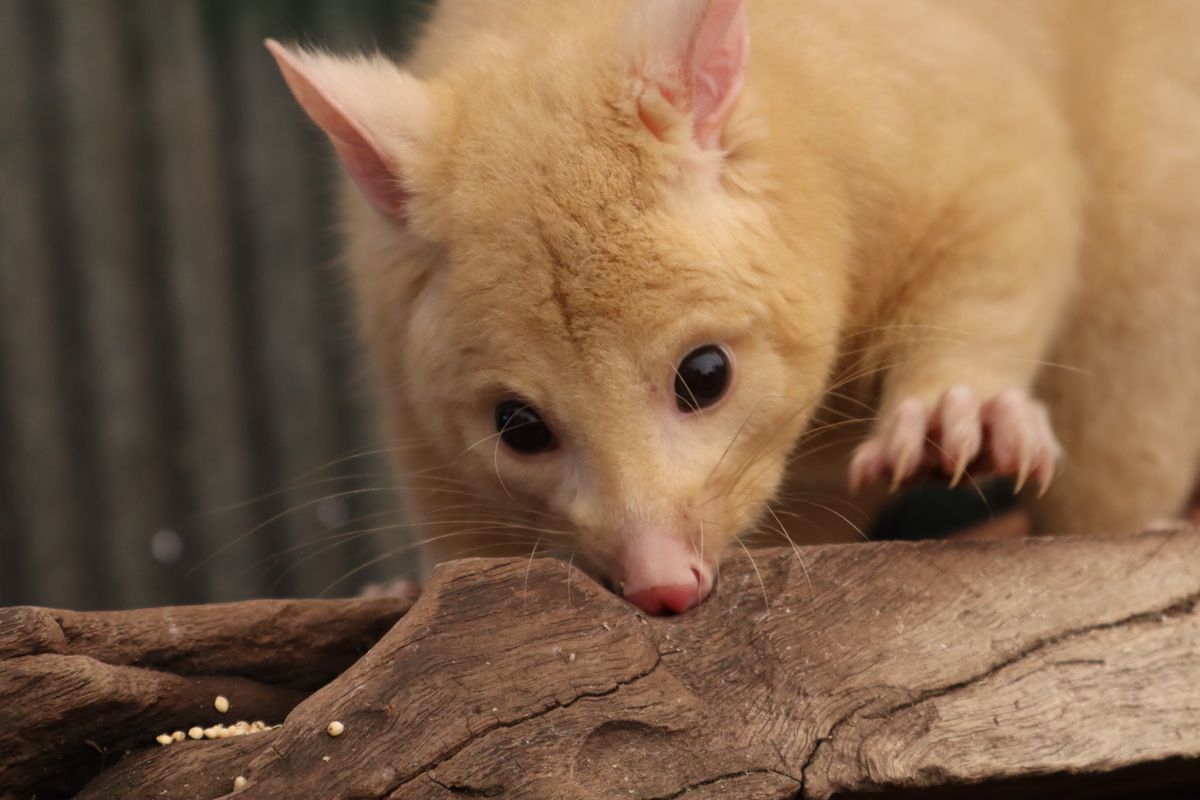
Possum in the Roof: What You Can Legally Do in Australia
The short answer: do not trap a possum and drive it to a park. Possums are protected native wildlife across Australia, and the legal rules for trapping, release and professional removal vary by state or territory. In many jurisdictions you need a permit or licensed controller; where release is allowed, it is usually required on the same property or very close to the capture point. The long-term solution is exclusion: get the resident possum safely out, make sure no young are trapped inside, then seal the access points and provide an alternative nest site where appropriate.
What you can usually do without touching the possum
You can generally inspect your building, identify roof entry points, remove food attractants, trim access branches where appropriate, install a possum nest box and seal entry holes after you are certain the possum has left. The moment trapping, handling, transporting or killing protected wildlife is involved, state or territory law becomes critical.
Possum removal laws by state and territory
This is where generic pest-control advice goes wrong. Australia does not have one household possum-removal rule.
| State / territory | Can a homeowner trap a roof possum? | Release / relocation rule | Best legal route |
|---|---|---|---|
| NSW | Not without authorisation. Possums are protected under the Biodiversity Conservation Act 2016; trapping/catching is considered harm and requires a licence or licensed operator. | Licensed release is back on the capture property/near the capture site; NSW guidance specifies release after sunset and within the licence conditions, commonly within 150m. | Use exclusion first; otherwise engage a licensed catch-and-release possum operator or obtain the required landholder licence. |
| Queensland | No DIY removal under the standard household guidance. Removal is carried out by licensed commercial possum relocators. | Relocators must release the possum within 25m of capture. | Licensed commercial relocator + roof proofing. |
| Victoria | Common Brushtail Possum: yes, in a building and under strict conditions. Homeowners/occupiers can trap under the standing order. Ringtail Possum: permit required. | Brushtails must be released on the same property, no more than 50m from capture, after sunset on the day of capture. Relocation elsewhere is prohibited. | Follow Victorian trapping conditions exactly or use a licensed wildlife controller. |
| South Australia | Permit required to trap/catch and release protected possums from a building. | Release must be on the same property and within 50m of capture, after dusk and under permit conditions. | Apply for a Trap and Release Protected Animals Permit or use a permitted possum controller. |
| ACT | No. It is illegal for an unauthorised person to trap or harm possums. | Commercial licence holders can take and release possums within 50m of capture. | Use the ACT Government list of licensed possum removalists. |
| Western Australia | Native fauna is protected; taking, keeping or moving native wildlife without authorisation can be an offence. | Do not assume you can translocate a possum. DBCA guidance favours exclusion/coexistence and permits are relevant where wildlife must be taken or moved. | Use roof exclusion first and contact DBCA for current permit/removal requirements before trapping. |
| Tasmania | Brushtail possums are protected; roof trapping is described as a last resort requiring a Special Purposes Wildlife Permit. | Strict permit conditions apply; do not improvise relocation. | Possum-proof the roof first; contact NRE Tasmania if trapping is unavoidable. |
| Northern Territory | Possums are protected; NT guidance directs residents to licensed pest-control operators when exclusion fails. | NT guidance says a captured possum must be released within 50m of the capture site. | Exclusion first; otherwise engage a licensed operator. |
Do not rely on a generic “Australia possum relocation” article. The difference between NSW, Queensland, Victoria and South Australia alone is enough to make one-size-fits-all trapping advice legally wrong.
Why can’t I just relocate the possum to bushland?
Because possums are territorial. Government wildlife agencies repeatedly warn that translocation into unfamiliar territory can severely reduce survival: the new area may already be occupied, the animal may not know where food or shelter is, and it may face aggression from resident possums.
That is why the legal release distances are so short. Queensland requires licensed relocators to release within 25m. South Australia requires release on the same property within 50m. Victoria requires same-property release within 50m for trapped common brushtails. NSW licence conditions likewise keep release on or very near the capture property.
“Relocation” in ordinary English sounds humane; in possum management it can be the opposite. The legal model in much of Australia is to remove the animal from the building while keeping it in its existing home range.
NSW: protected wildlife, licence required
NSW Environment and Heritage states that possums are protected under the Biodiversity Conservation Act 2016. Catching and releasing a possum is illegal without the appropriate licence.
A homeowner can often solve the problem without trapping: find the entry point, give the possum an alternative nest box, encourage it out at night and seal access once it has left.
If trapping is needed, NSW offers two routes:
- a landholder licence assessed case-by-case; or
- a licensed commercial catch-and-release possum operator.
NSW explicitly warns against dumping a possum in distant bushland because relocated animals may not survive.
Queensland: licensed commercial relocator only
Queensland Government guidance is particularly clear: possum removal can only be carried out by licensed commercial possum relocators.
The relocator may trap the animal as part of the removal, but the possum must be released within 25 metres of where it was captured. That makes the roof repair just as important as the capture. If the entry hole remains open, the same or another possum can move straight back in.
Victoria: the unusual exception for common brushtails
Victoria is the state where owners most need to understand species and context.
Victorian Government guidance allows homeowners or occupiers to trap a Common Brushtail Possum living within a building under a standing Governor-in-Council order, subject to strict cage, inspection, welfare and release conditions.
A trapped brushtail must be released:
- on the property where it was captured;
- no more than 50m from the capture site;
- after sunset on the day of capture.
Relocation to another site is prohibited.
Common Ringtail Possums are different: Victorian guidance states that trapping a ringtail without a permit is illegal.
If it is not reasonably possible to release a trapped brushtail on the property, Victoria says it must be humanely euthanased by a registered veterinary practitioner within 24 hours — another reason not to start trapping casually.
South Australia: permit first, same-property release
South Australia protects possums under the National Parks and Wildlife Act 1972. To trap and release a possum occupying a roof or built structure, a property owner needs a Trap and Release Protected Animals Permit, or can engage a permitted possum controller.
South Australia says:
- the trap-and-release permit is for possums causing impacts in a building;
- you cannot use this permit simply to trap a possum in the garden;
- release is on the same property, within 50m of capture;
- release is after dusk and within the permit conditions;
- moving the possum away from the property is not permitted as a standard management option.
ACT: use a licensed removalist
ACT Government states that Common Brushtail Possums are protected under the Nature Conservation Act 2014. An unauthorised person cannot trap or harm them.
The ACT keeps a current register of licensed possum removal businesses. Commercial licence holders can take possums and release them within 50m of the capture site.
For many Canberra households, this makes the practical pathway simple: exclude the animal yourself if it can leave naturally; if it must be trapped, use a licensed removalist.
WA, Tasmania and the NT
Western Australia
WA’s Department of Biodiversity, Conservation and Attractions states that fauna native to Australia is protected and that intentionally or recklessly killing, injuring, keeping or moving native fauna without authorisation can be an offence. Its possum guidance focuses strongly on preventing access and giving possums alternative shelter.
Tasmania
NRE Tasmania says brushtail possums are protected and recommends possum-proofing first. Trapping is a last resort under a Special Purposes Wildlife Permit with strict conditions.
Northern Territory
NT Government identifies brushtail possums as protected wildlife. It recommends roof exclusion first and licensed pest-control assistance if that fails. A captured possum must be released within 50m of the capture point.
The legal solution that works best: exclude, don’t export
Across states, the same management lesson keeps appearing: getting one possum out without fixing the roof is not a solution.
A practical exclusion plan is:
- Confirm it is a possum. Roof noises can also be rats, mice, birds or other animals.
- Find the active entry point. Watch at dusk rather than crawling into an unsafe roof cavity.
- Check for young. Never seal a mother outside while a dependent joey remains trapped inside.
- Provide an alternative den. A properly installed possum nest box can keep the resident animal in its home range but out of your ceiling.
- Wait until the possum leaves to feed. Most are nocturnal.
- Use a suitable one-way exit or temporarily block the opening only when you are certain the possum is outside.
- Seal all access points permanently. Repair loose tiles, eaves, vents and other gaps.
- Reduce easy access. Trim overhanging branches where appropriate and remove outdoor pet food at night.
Do not seal the roof during the day just because it is quiet. You may trap a sleeping adult or young inside. A trapped possum can injure itself, damage the building and create an animal-welfare emergency.
Does a possum box actually help?
Yes — and several state agencies recommend one as part of roof exclusion.
NSW suggests providing a nest box before excluding the possum from the roof and placing it in a suitable tree. Queensland recommends a nest box as an alternative den after roof proofing. Tasmania and the ACT also promote alternative shelter.
The aim is not to “attract more possums”. It is to give the resident animal somewhere appropriate to shelter once the roof cavity is no longer available.
Can I poison or kill a possum in my roof?
Do not assume you can. Possums are protected native wildlife, and killing or harming them without authorisation is illegal in multiple jurisdictions.
Do not use rat poison, toxic baits, glue traps, improvised snares or lethal traps on a possum. Apart from animal-welfare concerns, you can also create secondary poisoning risks for pets and scavenging wildlife.
South Australia explicitly says possums living in roofs cannot be destroyed under ordinary roof-management rules. NSW treats unauthorised harm as an offence. ACT likewise warns that trapping, removing or killing without a licence can result in serious penalties.
If rodent poison is also present around your property, Patify’s Australian rat-bait guide for dogs explains why secondary household toxin exposure deserves separate attention.
Possum or rat in the roof?
Before paying for wildlife removal, make sure the animal really is a possum.
Heavy footsteps
Possums are much larger than rats and often sound like deliberate walking or thumping across the ceiling.
Nocturnal activity
Both can be active at night, so timing alone does not prove species.
Entry size
Brushtail possums can squeeze through surprisingly small roof gaps; Tasmania notes gaps around 9cm can be enough.
Dusk observation
Watching suspected entry points as the animal leaves to feed is safer and more useful than guessing from sound alone.
NSW suggests a simple track check such as flour near a suspected pathway when identification is uncertain. If you still cannot identify the animal, a wildlife-aware pest controller can do it before treatment begins.
What if I rent the property?
Wildlife law and tenancy/repair obligations are separate questions. Do not personally start trapping protected wildlife simply because the landlord or property manager has not responded.
Report the roof access problem in writing and ask that the owner arrange lawful wildlife removal plus building repairs. The permanent solution normally requires fixing the structure, not repeatedly removing animals.
Tenancy repair obligations differ by state and the urgency depends on damage, safety and habitability, so check your state’s current residential-tenancy guidance if the property owner refuses to act.
What should I ask a possum removal company?
- Are you currently licensed/authorised for possum removal in this state or territory?
- What species do you believe is in the roof?
- Will you trap it, exclude it naturally or use a one-way exit?
- Exactly where will the possum be released?
- How do you check for dependent young?
- Will you seal all access points?
- Is a nest box included?
- What warranty applies if another possum re-enters?
- Does the quote include roof repairs or only animal removal?
The cheapest “catch and take it away” quote may be the worst value. The service that legally removes the animal, checks for young and permanently closes the entry points is the one most likely to solve the roof problem.
Frequently Asked Questions
Is it illegal to relocate a possum in Australia?
In many jurisdictions, yes without specific authorisation — and even licensed release is usually restricted to the same property or a very short distance from capture. Queensland uses a 25m rule for licensed relocators; Victoria and South Australia use 50m same-property rules in the situations described by their agencies.
Can I trap a possum in my roof myself?
It depends on where you live. NSW and South Australia require authorisation/permits; Queensland directs removal to licensed commercial relocators; ACT prohibits unauthorised trapping. Victoria allows homeowners/occupiers to trap common brushtail possums living in buildings under strict conditions, but ringtail possums require a permit.
Can I drive a trapped possum to a park?
No as a general household solution. Government agencies warn that long-distance relocation can kill territorial possums, and state release rules commonly require release on or very close to the capture property.
Can I just block the hole in the roof?
Only after you are certain the possum — and any dependent young — are out. Blocking an occupied roof cavity can trap wildlife inside. Watch the active exit at dusk and use the exclusion guidance for your state.
Will another possum move into the roof?
Very likely if the access point remains open. Queensland, NSW and South Australian guidance all stress that removal without possum-proofing is not a long-term fix.
Do possum removalists need a licence?
Often yes, but the exact licence system differs by jurisdiction. NSW, Queensland and ACT all operate legal frameworks for licensed commercial possum removal. Ask for the current licence or authorisation before hiring anyone.
Official Australian sources — checked 22 September 2026
- NSW Environment and Heritage — How to remove a possum from your roof: protected status, licence requirement, exclusion and nearby release.
- NSW — Catch and release possum licences: commercial operator rules and release on the capture property.
- Queensland Government — About possums: licensed commercial relocators and 25m release rule.
- Victorian Government — Possums: common brushtail trapping rules, 50m same-property release and ringtail permit distinction.
- South Australia Department for Environment and Water — Managing possums: permit requirements and 50m same-property release.
- ACT Government — Possums: protected status, unauthorised trapping prohibition and licensed-removalist register.
- WA DBCA — Living with native wildlife: protection of native fauna and restrictions on taking/moving animals without authorisation.
- NRE Tasmania — Living with Brushtail Possums: roof exclusion and Special Purposes Wildlife Permit as a trapping last resort.
- Northern Territory Government — Possums and your home: protected status, licensed pest-control help and 50m release guidance.
This is general wildlife-law information, not legal advice. Rules and licence conditions can change. Before trapping, handling or moving a possum, check the current government guidance for your state or territory.