
Sago Palm Poisoning in Dogs: Symptoms, Timeline & What to Do
Short answer: If your dog may have chewed or swallowed any part of a sago palm or another cycad, treat it as an emergency even if your dog looks normal. All parts are toxic, the seeds are the most concentrated, and ASPCA notes that 1–2 seeds can be fatal. Early stomach signs may appear within minutes to hours, while serious liver injury can take 48–72 hours to become obvious. Contact an emergency veterinarian or a veterinary poison service now rather than waiting for symptoms.
🚨 Do this now: Remove your dog from the plant, prevent further chewing, take a clear photo of the plant and any seeds, note the approximate time and amount eaten, and call an emergency veterinarian. In the U.S., ASPCA Animal Poison Control Center: (888) 426-4435; Pet Poison Helpline: (855) 764-7661. Fees may apply. Do not induce vomiting or give hydrogen peroxide, charcoal, food, milk, oil, or medication unless a veterinarian or veterinary toxicology professional specifically tells you to.
Why Sago Palm Is So Dangerous to Dogs
Sago palm is not a true palm. It is a cycad, an ancient group of seed plants that includes Cycas and Zamia species. Common names can be confusing: sago palm, Japanese sago palm, fern palm, coontie and cardboard palm may all refer to cycads with similar poisoning concerns.
The main veterinary problem is cycasin, a toxin associated with severe gastrointestinal injury and hepatotoxicity. Cycads also contain neurotoxic compounds, including BMAA. The seeds contain the highest toxin concentration, but leaves and stems are also considered toxic. That is why “my dog only chewed a leaf” is not a safe reason to watch at home.
⚠️ Important: Toxicity cannot be judged reliably from the amount you saw your dog chew. ASPCA’s plant database states that 1–2 seeds can be fatal, and even smaller or uncertain exposures warrant prompt professional assessment.
My Dog Ate Sago Palm: What Should I Do Right Now?
- Move your dog away from the plant. Pick up loose seeds or fronds so there is no second exposure.
- Identify the plant if you can. Take photos of the whole plant, leaves, trunk and seeds/cones. Bring a sample only if it can be transported safely.
- Record the exposure. Note when it happened, what part may have been eaten, how much is missing, your dog’s approximate weight and any symptoms already present.
- Call an emergency veterinarian or veterinary poison service immediately. Do not wait for vomiting, jaundice or lethargy.
- Follow professional decontamination instructions only. Whether vomiting or activated charcoal is appropriate depends on timing, symptoms, neurologic status and aspiration risk.
💡 If you are dealing with another household toxin, the same “identify the product, note the time, call early” approach matters. See Patify’s dog antifreeze emergency guide for a separate toxin with a very different treatment pathway.
Sago Palm Poisoning Symptoms: The Typical Timeline
Sago palm poisoning does not follow one exact clock. A dog may become sick quickly, or liver abnormalities may lag behind the first stomach symptoms. Current veterinary references describe a pattern in which gastrointestinal signs often begin early and hepatic injury can become apparent over the next two to three days.
| Time after exposure | What may happen | Why it matters |
|---|---|---|
| Minutes to several hours | Vomiting, diarrhea, drooling, poor appetite, abdominal discomfort, lethargy; vomit or stool may contain blood. | Early decontamination may still be considered by a veterinarian if the patient is clinically appropriate. |
| First 24 hours | GI signs may continue. Weakness, wobbliness, tremors or seizures are possible but less common. | A normal appearance does not rule out later liver injury. |
| 24–72 hours | Liver enzymes can rise; jaundice, dark urine, abnormal bleeding, low blood sugar or worsening lethargy may develop. | This is why serial bloodwork and monitoring are often recommended even after the initial stomach signs improve. |
| Days to weeks | Dogs with significant hepatic injury may require prolonged treatment and follow-up. | Clinical recovery from vomiting does not always mean the liver has fully recovered. |
Red-Flag Signs That Need Emergency Care
Go now if you see any of these — or if ingestion is known or strongly suspected
- Repeated vomiting or diarrhea, especially with blood
- Marked lethargy, weakness or collapse
- Wobbliness, tremors or seizures
- Yellow gums, skin or whites of the eyes (jaundice)
- Dark or black stool, unusual bruising or bleeding
- Abdominal swelling or obvious abdominal pain
- Increased thirst or urination after a suspected exposure
- Any known chewing or swallowing of sago palm seeds
What Not to Do at Home
Do not make your dog vomit on your own
Older veterinary articles sometimes list specific emesis protocols, including hydrogen peroxide. Those instructions belong in a professional clinical context, not a universal home remedy. Vomiting can be unsafe in dogs that are already weak, neurologically abnormal, actively vomiting or at risk of aspiration. Call first.
Do not wait for jaundice
Liver damage may be developing before yellow discoloration appears. Merck notes that initial signs are often evident within the first four hours, while progression to liver failure can occur over 48–72 hours.
Do not assume a leaf is harmless
Seeds are the most toxic part, but leaves and stems are also toxic. Any credible exposure should be assessed.
Do not give human pain relievers
Over-the-counter medications can complicate poisoning or liver injury. Give medication only under veterinary direction.
What the Emergency Vet May Do
There is no specific antidote for cycad poisoning. Treatment focuses on limiting absorption when appropriate and supporting the dog through gastrointestinal, neurologic and liver complications.
| Veterinary step | Purpose |
|---|---|
| Clinical assessment + exposure history | Confirms whether decontamination is still appropriate and identifies immediate complications. |
| Veterinary decontamination | Emesis and/or activated charcoal may be considered in an appropriate, neurologically stable patient. This decision is case-specific. |
| Baseline bloodwork | Checks hydration, blood glucose, liver values and other abnormalities before delayed liver injury becomes obvious. |
| Serial liver testing | Merck recommends repeat evaluation because liver injury may emerge over 48–72 hours. |
| Coagulation monitoring | Severe hepatic injury can impair clotting and lead to bruising or bleeding. |
| IV fluids and supportive medications | Support hydration, glucose balance, GI comfort and organ function. |
| Hepatoprotective therapy | Agents such as SAMe or N-acetylcysteine may be used by the treating veterinarian when liver injury is present. |
| Seizure/tremor control | Neurologic complications are treated if they occur. |
What Is the Prognosis?
Prognosis varies substantially with the amount ingested, which part of the plant was eaten, how quickly treatment begins and whether significant liver injury develops. ASPCA has reported fatality in up to about half of ingestion cases in historical poison-control data, while Merck cites retrospective canine series with recovery rates ranging from roughly one-third to nearly two-thirds depending on the case definition and study. These figures should not be treated as a prediction for one individual dog.
The clinically useful takeaway is simpler: early veterinary intervention improves the outlook. Merck describes a fair-to-good prognosis with prompt medical intervention and aggressive care, but a guarded-to-poor prognosis when major clinical signs or delayed treatment are present.
How to Recognize Sago Palm and Related Cycads
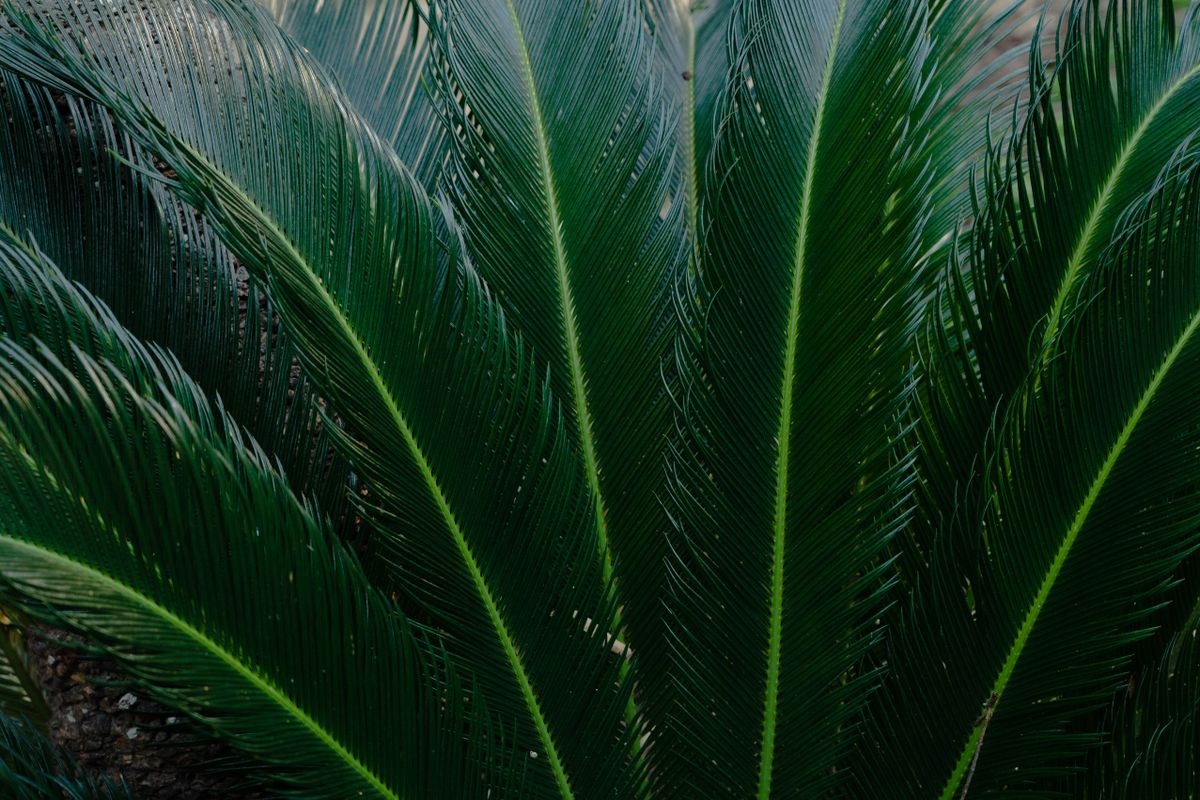
Sago palm (Cycas revoluta) typically has a short, thick trunk with a symmetrical crown of stiff, glossy, feather-like fronds. Female plants can produce conspicuous seeds. Related cycads may be sold under names such as:
- Japanese sago palm — Cycas revoluta
- Coontie — Zamia species
- Cardboard palm — Zamia furfuracea
- Fern palm / cycad — common retail names that may obscure the botanical identity
If you are not sure whether a plant is a cycad, do not delay the call while trying to identify it perfectly. Photograph it and let your veterinarian or poison service help. For a broader home check, see Patify’s guide to toxic houseplants for cats and dogs.
Prevention: The Safest Home Has No Accessible Cycads
Sago palm safety checklist
- Remove accessible sago palms and related cycads from homes and yards used by pets.
- Check landscaping around patios, apartment common areas, vacation rentals and dog-friendly hotels.
- Pick up fallen seeds and fronds promptly; seeds are the most concentrated part of the plant.
- Teach family members, pet sitters and landscapers that “palm” in the common name does not mean pet-safe.
- Save your regular veterinarian, nearest 24/7 emergency hospital and a veterinary poison-service number in your phone.
- Use the ASPCA toxic plant database when buying unfamiliar houseplants or landscaping plants.
Frequently Asked Questions
My dog chewed a sago palm leaf but did not swallow a seed. Is it still an emergency?
Yes. The seeds contain the highest toxin concentration, but all parts of cycads are considered toxic. Contact a veterinarian or veterinary poison service promptly rather than waiting for symptoms.
My dog ate a sago palm seed and seems normal. Can I monitor at home?
No. A normal appearance shortly after ingestion does not rule out serious poisoning. ASPCA states that 1–2 seeds can be fatal, and liver injury may not become obvious until later. Professional assessment is warranted now.
How soon do symptoms start?
VCA notes that GI signs can begin within about 15 minutes to several hours. Merck states that initial clinical signs are often evident within the first four hours and can progress to liver failure within 48–72 hours. Individual cases vary.
Is there an antidote for sago palm poisoning?
No specific antidote is available. Treatment is decontamination when appropriate plus aggressive supportive care, monitoring and management of liver, clotting, glucose, gastrointestinal and neurologic complications.
Is cardboard palm safe if I do not own a sago palm?
No. Cardboard palm (Zamia furfuracea) is also a cycad and ASPCA lists it as toxic to dogs, cats and horses.
Can a dog recover from sago palm poisoning?
Yes, especially when exposure is recognized early and treatment begins promptly. Prognosis worsens when significant liver injury develops or care is delayed, so population-level fatality statistics should never be used as a reason to give up on an individual dog.

Emergency Vet Finder · Symptom Log · Pet Records
Keep important pet information together and find the next step faster when an emergency happens.
Download PatifyCover photo: Olha Ruskykh / Pexels — “The Sago Palm Plant in Close-up Shot.” Pexels marks the image free to use. Educational information only; suspected cycad ingestion requires veterinary assessment.
Patify — A home for every paw. #PatifyFamily
#SagoPalm #DogPoisoning #CycadToxicity #DogEmergency #PetSafety #Patify