
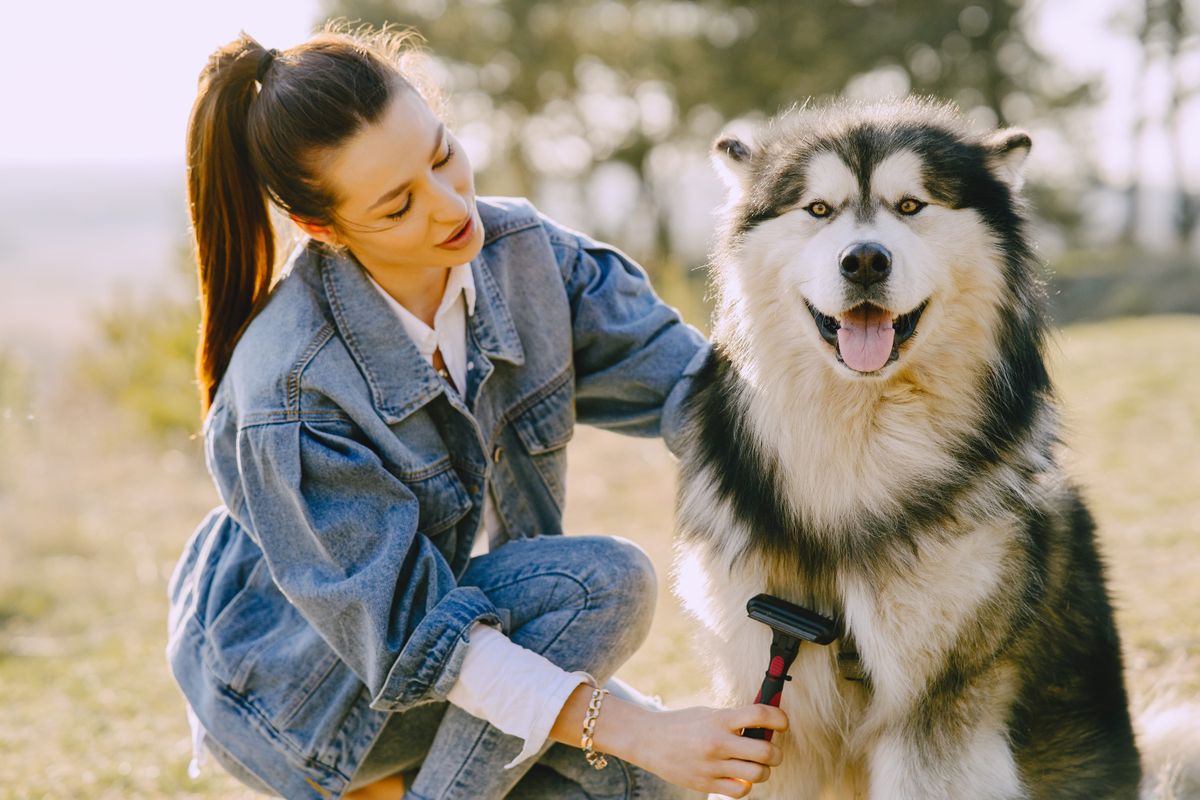
Should You Shave Your Dog in Summer? Double Coats, Grooming and Heat Safety (2026)
When a dog is panting on a hot day, shaving the coat can seem like an obvious way to help. But a close shave is not a reliable cooling strategy for every coat type. In many healthy double-coated dogs, routine skin-close shaving can remove useful protection and change how the coat regrows. At the same time, the rule “never shave a double coat” is too absolute: severe matting, surgery, wound care or certain skin conditions can make clipping necessary. The right decision depends on coat type, cut length, skin condition and why the dog is being clipped.
Quick answer
Healthy double coat: do not routinely shave close to the skin just to make the dog “cooler.” Removing loose undercoat and maintaining the coat is usually the better grooming approach.
Long or continuously growing coat: a professional shorter trim can be appropriate for some dogs, but shaving to bare skin is rarely necessary for comfort alone.
Severe matting or a medical reason: clipping can be the safest option. Skin health takes priority over a blanket no-shaving rule.
Heat safety: shade, water, lower activity and cooler times of day matter more than coat length.
Possible heatstroke: stop thinking about grooming. Begin cooling and seek emergency veterinary care immediately.
What a double coat actually does
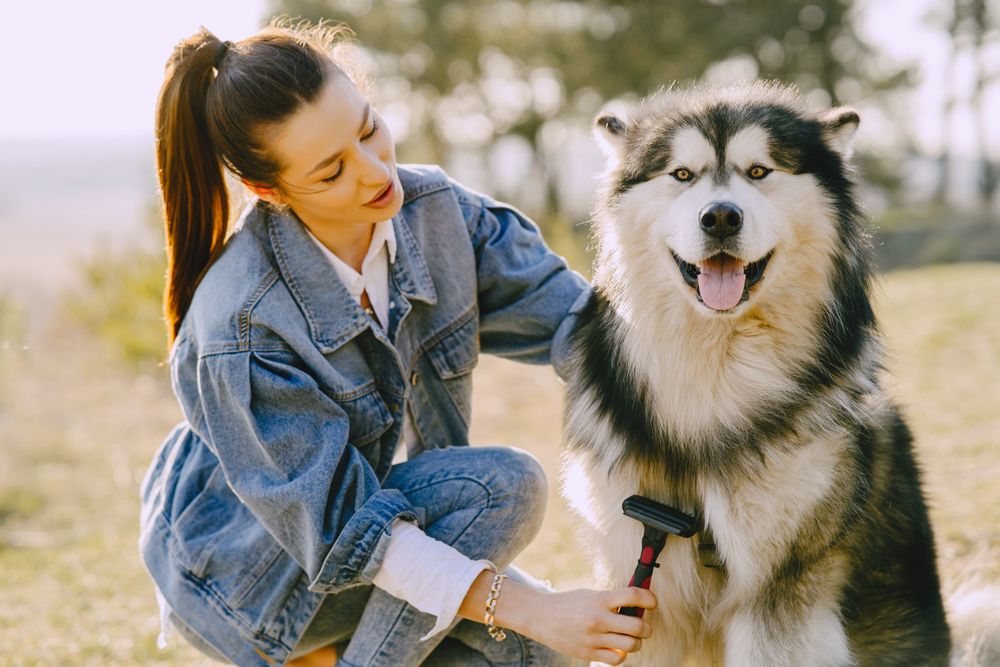
A double coat has two main components: a softer, denser undercoat and longer guard hairs. The outer coat helps protect the skin from sunlight, dirt, moisture and minor environmental trauma. The undercoat provides insulation and often changes density with the seasons.
Dogs do not cool themselves by sweating over most of their skin the way people do. Their primary cooling mechanism is panting, with a much smaller contribution from sweat glands in the paw pads. That means the coat is not literally an “air conditioner,” but it can provide useful insulation and skin protection.
This is why “more fur automatically means more heat” is too simplistic. It is equally inaccurate to imply that a double coat makes a dog heat-proof. Huskies, German Shepherds, Golden Retrievers and other thick-coated dogs can still develop heat illness when temperature, humidity and activity overwhelm their ability to cool themselves.
Why routine close shaving can be a problem
Less protection from sun and the environment
Very short clipping exposes skin that was previously covered by hair, increasing the chance of sunburn and irritation.
Uneven regrowth
Guard hairs and undercoat do not necessarily regrow at the same rate. After clipping, the coat can temporarily look woollier, patchier or different in texture.
Post-clipping alopecia can occur
VCA describes delayed hair regrowth as a rare complication, especially in plush-coated breeds such as Huskies and Pomeranians. Regrowth can take up to two years.
Shaving is not a heatstroke-prevention plan
Heat risk is driven much more by environment, exercise, humidity, body condition, airway anatomy and health status.
Which dogs are commonly double-coated?
Common examples include Siberian Huskies, Alaskan Malamutes, Samoyeds, German Shepherd Dogs, Golden Retrievers, Labrador Retrievers, Border Collies, Australian Shepherds, Akitas, Chow Chows, Corgis, Pomeranians, Newfoundlands and many other spitz or working breeds.
These coats are not all identical. A Labrador’s short double coat requires different tools and handling from a Samoyed’s or Newfoundland’s long, dense coat. Grooming should therefore be based on the actual coat in front of you, not just a one-size-fits-all breed list.
“Single-coated dogs can always be shaved” is also too simple
The older version of this guide divided dogs into “double coat = never shave” and “single coat = safe to shave.” Real grooming is more nuanced. Poodles, Maltese, Bichons, Havanese and many continuously growing coat types are routinely clipped, but that does not mean a skin-close shave is automatically best.
Wire-coated breeds such as many Schnauzers and Terriers can also need specialized techniques such as trimming or hand stripping to preserve coat texture. A professional groomer can help match the method to the coat.
For long-haired dogs that are clipped for summer, VCA advises leaving at least 1 inch (2.5 cm) of haircoat to help protect the skin from sun damage.
When shaving or clipping can be appropriate
| Situation | Typical approach | Why |
|---|---|---|
| Healthy double coat, only because it is summer | Usually do not shave close | Brush out loose undercoat and focus on heat management instead |
| Severe matting close to the skin | Clipping may be necessary | Mats can pull on skin, trap moisture and make brushing painful |
| Surgery or wound treatment | Clip the required area | Medical access and hygiene take priority |
| Certain skin diseases | Follow veterinary direction | Clipping may help examination, treatment or topical therapy |
| Continuously growing long coat | Professional shorter trim may help | Can reduce matting and make coat maintenance easier |
| Mixed breed with unclear coat type | Assess individually | Coat structure can be unpredictable |
A better summer grooming routine for double coats
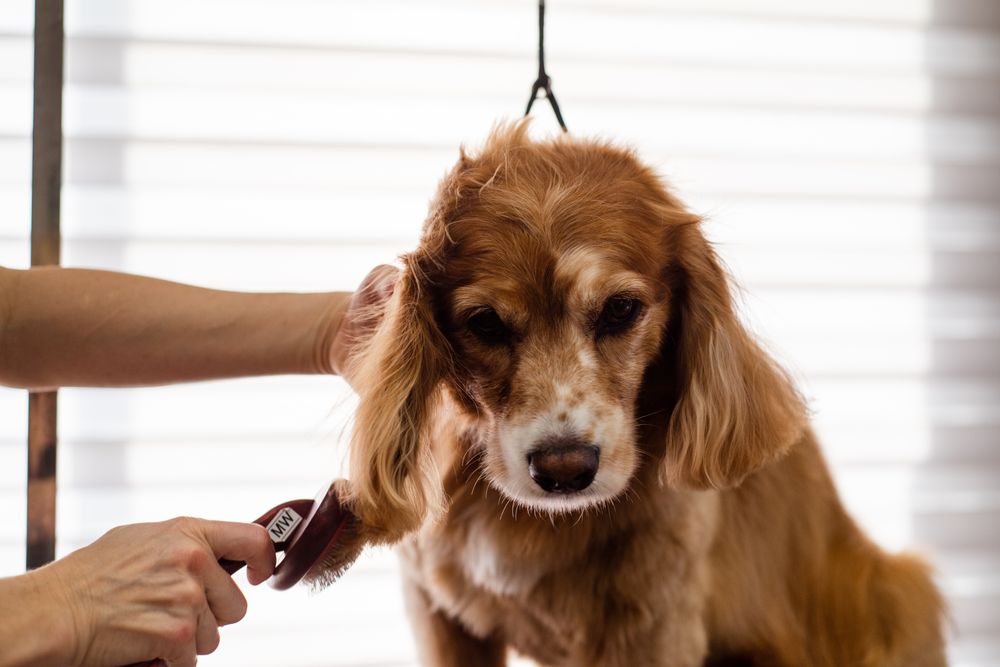
- Remove loose undercoat gently. Use a brush, comb or undercoat tool that suits the coat. Stop if the skin becomes red or irritated.
- Catch mats early. Check behind the ears, under the legs, around the groin and near the tail. Tight mats may require a professional groomer.
- Dry dense coats thoroughly after bathing. Moisture trapped next to the skin can contribute to irritation and infection.
- Increase grooming during heavy shedding. Some double-coated dogs benefit from more frequent brushing during seasonal coat changes.
- Investigate abnormal hair loss. Patchy loss, persistent thinning or skin disease is not automatically “normal shedding.”
What actually keeps a dog safer in hot weather?
Cornell’s canine heat-safety guidance emphasizes avoiding strenuous exercise during hot or humid conditions, providing shade and water, and moving walks to cooler times of day. All dogs can overheat, but brachycephalic dogs, overweight dogs, older dogs and dogs with heart or respiratory disease are at higher risk.
- Move walks and exercise to cooler morning or evening hours.
- Reduce running, cycling and prolonged fetch during heat and humidity.
- Provide constant access to fresh water and shade.
- Never leave a dog unattended in a parked vehicle.
- Use cooler natural or shaded surfaces when pavement is hot.
- Watch for heavy panting, drooling, weakness or loss of coordination.
Heatstroke: cooling comes before grooming
Heavy or frantic panting, excessive drooling, vomiting, diarrhea, weakness, confusion, poor coordination, seizures or collapse can signal heatstroke. This is a medical emergency.
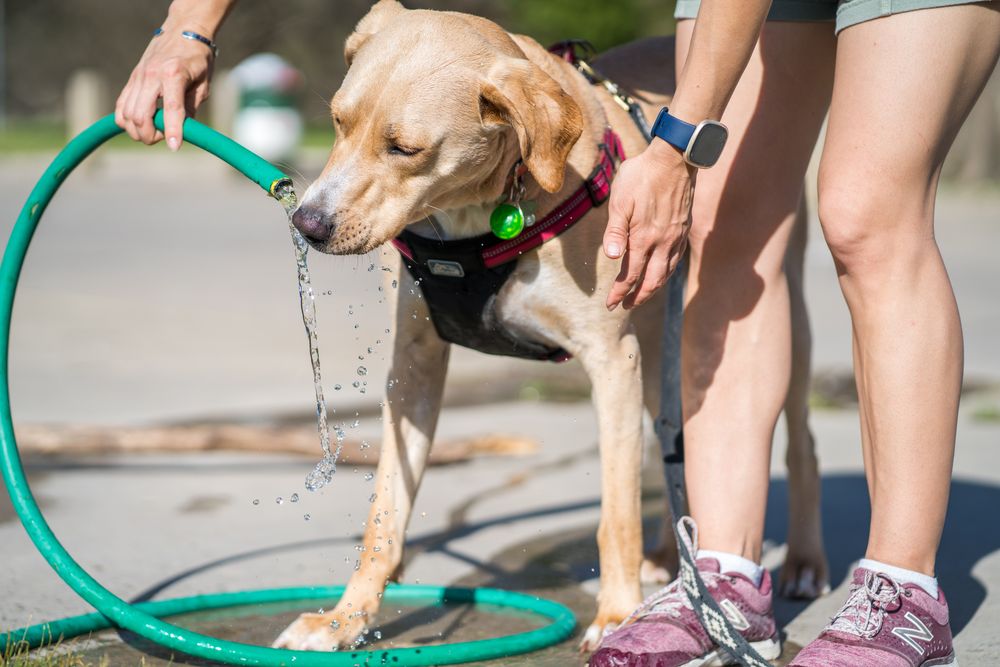
Cornell advises starting cooling immediately by wetting the dog with cool water and using air conditioning or airflow while heading to a veterinary hospital. The Royal Veterinary College’s heatstroke research also supports rapid active cooling rather than delaying treatment while trying to cool slowly.
Do not rely on a wet towel wrapped around the whole dog as the main cooling method. VCA notes that covering a dog with wet cloths can interfere with evaporative and radiative heat loss. Wetting the coat to the skin while providing moving air is generally more useful.
If your dog has already been shaved
Do not panic. Protect newly exposed skin from intense sun and monitor for redness, itching or clipper irritation. The coat may regrow unevenly, especially in plush double-coated breeds.
If there is little or no regrowth after many months, bald areas are expanding, or your dog also develops symptoms such as lethargy, weight changes or skin abnormalities, ask your veterinarian to rule out endocrine and dermatologic disease.
Do not start melatonin or other supplements on your own just because the coat is slow to regrow. Any treatment for suspected post-clipping alopecia should be individualized by a veterinarian.
Common myths
“A Husky cannot overheat because the coat keeps it cool.”
False. A double coat provides insulation and skin protection, but it does not prevent heatstroke. Environment, humidity, exercise and the individual dog still matter.
“Shaving automatically makes every dog cooler.”
No. A close shave is generally discouraged for healthy double-coated dogs, while some continuously growing coats may benefit from a professional trim.
“If the coat grows slowly after clipping, the damage is permanent.”
Not necessarily. VCA describes delayed regrowth lasting up to two years in some plush-coated breeds. Persistent failure to regrow also deserves a medical workup.
“A wet towel is always the best heatstroke first aid.”
Not as a blanket wrapped around the whole body. Rapid active cooling with water plus airflow is more effective; veterinary transport should not be delayed.
“Poodles and Maltese can always be shaved to the skin.”
They are commonly clipped, but skin-close shaving is not automatically necessary. Cut length, sun protection, matting and skin condition still matter.
Bottom line
The best rule is not “never shave any double-coated dog.” It is: do not routinely shave a healthy double coat close to the skin just to cool the dog in summer. Good grooming removes loose undercoat, prevents mats and preserves useful skin protection.
If clipping is needed because of severe matting, surgery or a skin condition, the medical or welfare need comes first. And when summer heat is the concern, the most important tools are water, shade, lower activity, cooler times of day and early recognition of heat illness.
American Kennel Club — Is It OK to Shave Your Dog’s Coat in Summer?
American Kennel Club — Double-Coated Dog Breeds: Care, Grooming, and Shedding
Cornell University College of Veterinary Medicine — Heatstroke: A Medical Emergency
Royal Veterinary College — Cool First, Transport Second
Pexels — Gustavo Fring, Siberian Husky being brushed (free to use)
Pexels — Goochie Poochie Grooming, professional brushing (free to use)
Pexels — gabesdotphotos, Labrador drinking water in summer (free to use)
