Updated: October 25, 2026 · Reading time: about 14 minutes · Prices from US and UK clinic price lists, insurer guides and cost surveys dated 2026
Solensia and Librela Cost 2026: Price per Injection for Cats and Dogs, Side Effects and Does It Work

Pet health research · Checked against current FDA labels, FDA post-market communications, UK VMD safety updates and EMA product information. General education only; treatment decisions belong with your veterinarian.
The answer in one minute
Solensia (cats): about $75–$115 per injection in the US; with the visit fee, $75–$175 per month. UK: about £90–£105 including a nurse appointment. Cats over 7 kg need two vials and pay the top of the range.
Librela (dogs): priced by weight. US: $75–$150 per injection for small and medium dogs, $150–$300 for large and giant dogs, plus a $50–$100 exam at some clinics. UK: about £92–£110.
Per year: Solensia roughly $1,100–$1,800; Librela $900–$1,800 (small dog) to $1,800–$3,600 (large dog), before bloodwork.
Do they work? Both have regulatory evidence of benefit, but response is individual and placebo rates in the trials were high. Safety: Librela's label gained neurologic and urinary warnings in 2025 and musculoskeletal updates in 2026; Solensia's label records renal insufficiency slightly more often than placebo. Details and sources below.
How much do Solensia and Librela cost? 2026 prices
Both drugs are dosed by body weight, so the vial count drives the bill. Solensia comes as a 7 mg vial: cats of 2.5–7 kg get one, cats of 7–10 kg get two. Librela comes in 5, 10, 15, 20 and 30 mg vials matched to weight bands; dogs over 60 kg need two. On top of the drug, clinics add a markup, an administration fee and, at some practices, an exam fee each month.
Solensia cost for cats
Librela cost for dogs
| Dog size (weight band) | US price per injection (2026) | Per year | Notes |
|---|---|---|---|
| Small, 5–15 kg | $65–$120 | $800–$1,450 | One small vial; Chicago price checks in May 2026 found $75 for a small dog. |
| Medium, 15–30 kg | $100–$165 | $1,200–$2,000 | Most common quote range in GoodRx and Vety surveys. |
| Large, 30–60 kg | $130–$200 | $1,550–$2,400 | Single 20 or 30 mg vial; Chicago check found about $150 for a large dog. |
| Giant, over 60 kg | $175–$300+ | $2,100–$3,600+ | Two vials per dose. |
| UK, any size | £92–£110 | £1,100–£1,320 | Every Tail Vets London £92.33–£103.71 by weight (2026); a mobile practice £100–£110 plus home-visit fee (June 2026). |
Extras to budget for: an exam fee of $50–$100 where the clinic requires a vet rather than a nurse visit; a CBC and chemistry panel ($83–$228 and $104–$186 in published US invoices) before starting and periodically; X-rays ($149–$331) if the diagnosis has not been confirmed. Canada, Australia and the EU sit in a similar range in local currency, with wide clinic-to-clinic variation; the only reliable number is your own clinic's quote.
Ways to pay less
- Nurse-visit pricing. Many clinics let a nurse give the monthly injection after the first vet consultation; ask whether the exam fee drops out after month one.
- Corporate vs independent. Hospital chains tend to price at the top of the range; independent and mobile practices are often 20–30% lower for the same vial.
- Insurance. Accident-and-illness policies usually reimburse prescription drugs for a covered diagnosis (see below); wellness plans do not.
- Manufacturer rebates. Zoetis runs periodic rebate programmes through clinics in the US; ask whether one is active.
- Do not skip the reassessment. If there is no benefit after two or three doses, the cheapest option is to stop and revisit the plan, not to keep paying.
Does pet insurance cover Solensia and Librela?
Policy wording decides, not the brand. In general: an accident-and-illness policy reimburses prescription medications for a condition diagnosed after the waiting period, so osteoarthritis diagnosed on the policy is usually covered up to the annual limit after the deductible and co-pay. Arthritis signs recorded before enrolment make it a pre-existing condition, which is excluded by almost every insurer. Ask in writing whether the policy covers the specific drug, the monthly administration fee, chronic conditions year after year, and diagnostic monitoring.
How Solensia and Librela work
Nerve growth factor (NGF) drives pain signalling and sensitisation in osteoarthritic joints. Frunevetmab (Solensia) and bedinvetmab (Librela) are monoclonal antibodies engineered for cats and dogs respectively; they bind NGF and reduce its effect. They are analgesic therapies, with a different mechanism from NSAIDs, gabapentin or opioids: they target the NGF pathway rather than cyclooxygenase enzymes or general neural signalling.
Solensia
Frunevetmab · cats only · FDA-approved 13 January 2022 · monthly subcutaneous injection · 7 mg vial, one or two per dose by weight.
Librela
Bedinvetmab · dogs only · FDA-approved 5 May 2023 · monthly subcutaneous injection · 5–30 mg vials by weight band.
Effectiveness: why "75% success" needs context
A success percentage means something only with the outcome definition, time point and control-group response.
Solensia
In one FDA field study, owner-rated (CSOM) success at day 56 was 75.1% with Solensia versus 64.8% with placebo; at day 84 it was 76.5% versus 67.3%. A second study showed 80.0% versus 47.1% at day 56. FDA has described the approval as a weight-of-evidence decision because chronic pain studies in cats are hard to run; one confirmatory study did not meet its protocol definition of success, but the overall evidence supported effectiveness.
Librela
At day 28, treatment success (CBPI) was 48.0% Librela vs 36.1% control in the US field study and 45.2% vs 17.0% in the EU study. The US day-28 primary comparison was not statistically significant; the EU study's was. From day 42 onward both studies showed more successes in the Librela group, and FDA concluded the evidence supports effectiveness when at least two monthly doses are given.
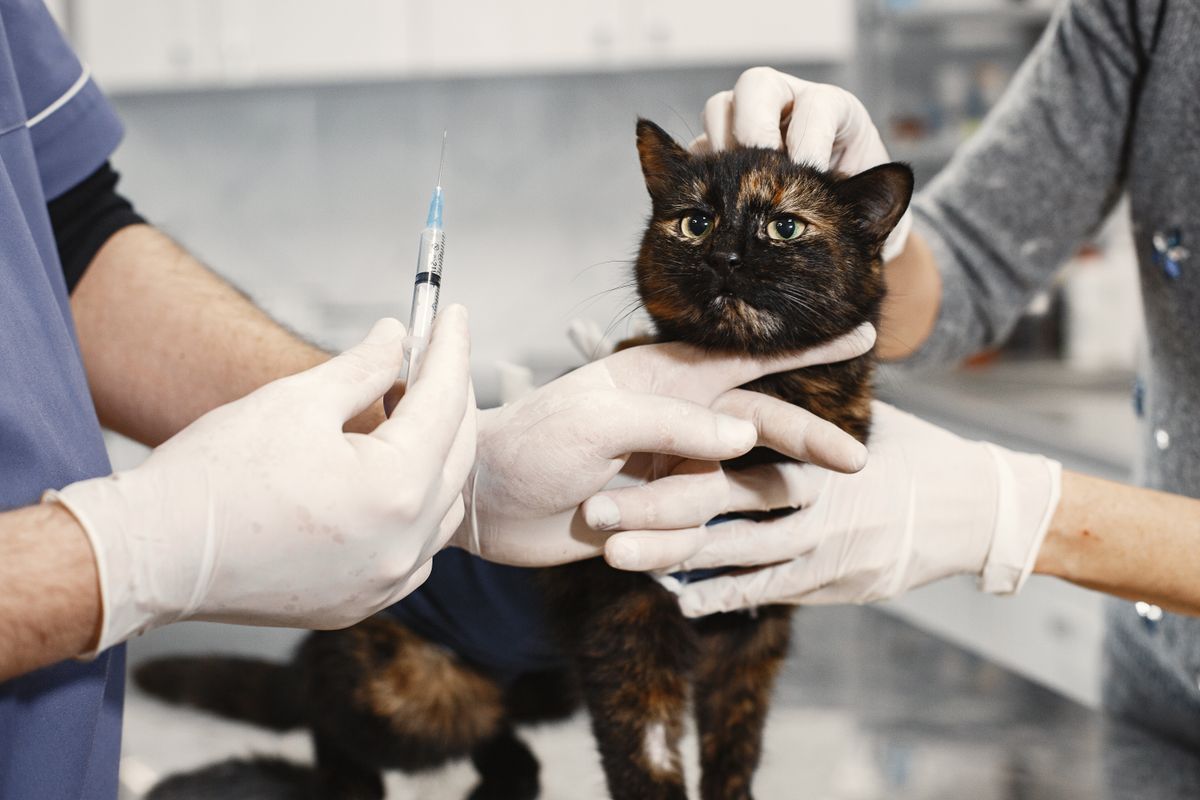
Solensia is a monthly subcutaneous injection; many clinics let a nurse administer it after the first veterinary consultation, which lowers the monthly fee.
Solensia safety: "no kidney concern" is too absolute
Frunevetmab is a protein broken down through normal catabolic pathways, not the cytochrome P450 system, which is why it is often suggested for cats that cannot take NSAIDs. That does not make it kidney-neutral. The US label's field study recorded renal insufficiency in 6.6% of Solensia-treated cats versus 4.3% of controls; the table does not prove causation, but it rules out a "zero renal concern" claim. In April 2026 EMA's veterinary committee recommended adding ataxia, polyuria and polydipsia as very rare adverse events (and rare anaphylaxis); the UK VMD implemented the same update in September 2026. FDA's adverse-event database also contains renal and neurologic reports; spontaneous reports flag signals but cannot establish incidence or causation.
| Source | Current Solensia safety information | How to read it |
|---|---|---|
| US FDA label | Field-study events: vomiting, injection-site pain, diarrhoea, abnormal behaviour, renal insufficiency, anorexia, lethargy, dermatitis, alopecia, dehydration, lameness, pruritus. | Events observed during the study, not all caused by the drug. |
| EMA / UK 2026 update | Very rare ataxia, polyuria, polydipsia; rare anaphylaxis. | Pharmacovigilance-driven label changes after wider use. |
| Anti-drug antibodies | A small number of cats developed anti-frunevetmab antibodies, which may reduce effectiveness. | Loss of response over time should trigger reassessment. |
Librela safety: the picture changed after approval
In December 2024 the FDA notified veterinarians that adverse-event reports included ataxia, seizures, paresis, recumbency, urinary incontinence, polyuria and polydipsia, with death or euthanasia reported as the outcome in some cases. In February 2025 the label gained a post-approval experience section and a Client Information Sheet telling owners to discuss balance problems, trouble standing or walking, seizures and urinary problems before treatment and to call the vet for any neurologic, urinary or gastrointestinal change. In 2026 the UK VMD added very rare paresis, paralysis and immune-mediated polyarthritis (February) and very rare joint swelling, joint pain, bone and joint disorders and soft-tissue ossification (May), advising diagnostics and case-by-case discontinuation when new joint swelling or pain appears.
Adverse-event reports are signals, not incidence rates
Spontaneous reports are easy to misuse. FDA states that not every reported event is caused by the drug, that one report may contain several signs, that reporting is incomplete and that the number of treated animals is unknown. Avoid statements like "X% of Librela dogs develop neurologic problems" unless a regulator or controlled study supports the figure.
Can Librela or Solensia be combined with NSAIDs or gabapentin?
US prescribing information for both products states that safe use with concurrent NSAIDs has not been established. Veterinarians do make individual multimodal decisions, including gabapentin for cats, but no combination protocol has label-level safety evidence. Treat online combination schedules as opinion.
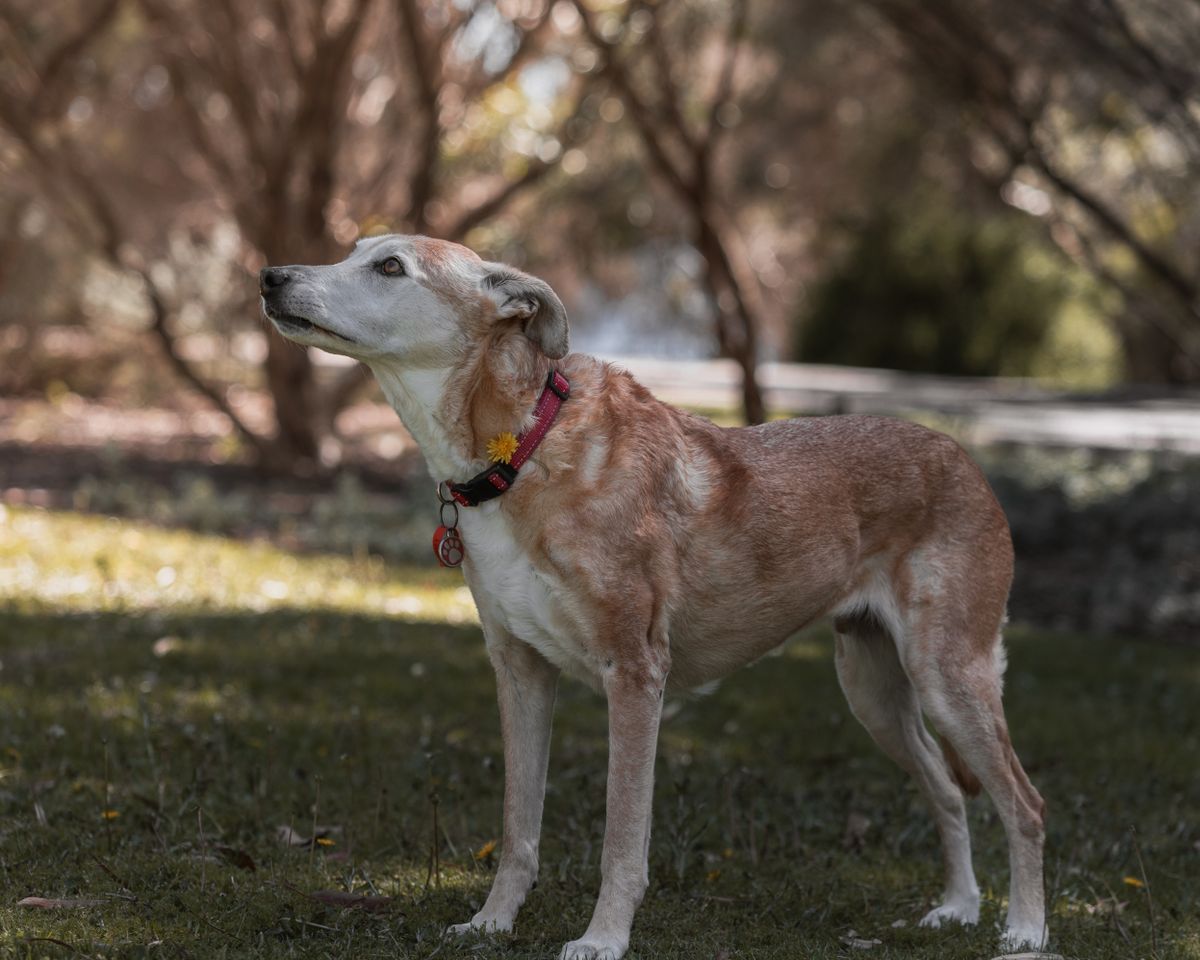
Pick three to five everyday movements, film them before the first injection and before each monthly dose; that record decides whether the next $100 is worth paying.
Who should have a more detailed risk-benefit discussion?
Librela: neurologic history
Balance problems, weakness, trouble standing or walking, seizures, urinary changes or recent neurologic disease.
Librela: new joint swelling or pain
Flagged by European and UK pharmacovigilance in 2026 for reassessment.
Solensia: CKD or urinary changes
Review current labs, hydration, stage and the current label with the vet.
Breeding, pregnancy, lactation
Labels restrict or do not recommend use.
How to judge whether the injections are helping
| Track each month | Why it matters |
|---|---|
| Mobility and activity | Shows whether function is improving, not just mood. |
| Pain-interference behaviours | Reluctance to jump, use stairs, groom or walk is more telling than a generic pain score. |
| Neurologic changes | Ataxia, weakness, trouble standing, seizures or paralysis need prompt veterinary contact. |
| Drinking and urination | Polyuria, polydipsia or incontinence are in current safety information. |
| Appetite and GI | Vomiting, diarrhoea, appetite changes appear in both labels and may also signal unrelated disease. |
| New joint swelling or pain | Especially in dogs on Librela after the 2026 UK and EU updates. |
Frequently asked questions
How much is Solensia per injection?
How much is Librela per month?
Why did my quote come out higher than these ranges?
Are Solensia and Librela interchangeable?
Should I stop after one injection if I see no improvement?
Is Solensia automatically the best choice for a cat with CKD?
What should I do if my dog develops new weakness or trouble walking after Librela?
Does an adverse-event report prove the drug caused the event?
Bottom line
Solensia and Librela are regulator-approved osteoarthritis pain treatments with evidence of benefit, and they cost roughly $100 a month for a cat or small dog and up to $300 a month for a giant dog in the US, around £100 in the UK. Some animals improve, some do not, and both products' safety information is still evolving. Get an all-in quote, record a mobility baseline, give at least two doses before judging, and reassess benefit and side effects every month.
DailyMed/FDA — Solensia US label · DailyMed/FDA — Librela US label · FDA — Librela Dear Veterinarian letter · FDA — safety-related labeling changes · UK VMD — Librela benefit-risk review (Feb 2026) · UK VMD — Librela 2026 SPC update · UK VMD — Solensia Sept 2026 SPC update · EMA CVMP — 2026 pharmacovigilance · MetLife Pet Insurance — Solensia cost (AVMA figures) · GoodRx — Librela for dogs, cost · ThePricer — Librela cost survey (July 2026) · ThePricer — Solensia cost survey (Aug 2026) · UK clinic price lists (Every Tail Vets, 2026).
General educational information, not veterinary advice. Prices are ranges from published price lists and surveys and change by clinic; labels and pharmacovigilance information differ by country. Review the current local label and your pet's individual risks with a veterinarian.