
Last updated: September 10, 2026 · Reading time: approx. 12 minutes
Vancouver Island Cougar and Wolf Safety for Pets: Backyard and Trail Guide

Pet safety & wildlife coexistence · Reviewed against BC Government, BC Parks and WildSafeBC guidance.
Vancouver Island is cougar and wolf country. That does not mean every neighbourhood carries the same risk or that a sighting predicts an attack. It does mean dog and cat owners should manage outdoor access with wildlife in mind. The strongest long-term advice is simple: keep pets close, reduce attractants around the home, avoid letting dogs chase wildlife, and know how to respond before a close encounter happens.
Quick answer for Vancouver Island pet owners
At home: keep cats and small dogs indoors, especially at night; supervise outdoor time; feed pets indoors; and remove food or prey attractants around the property.
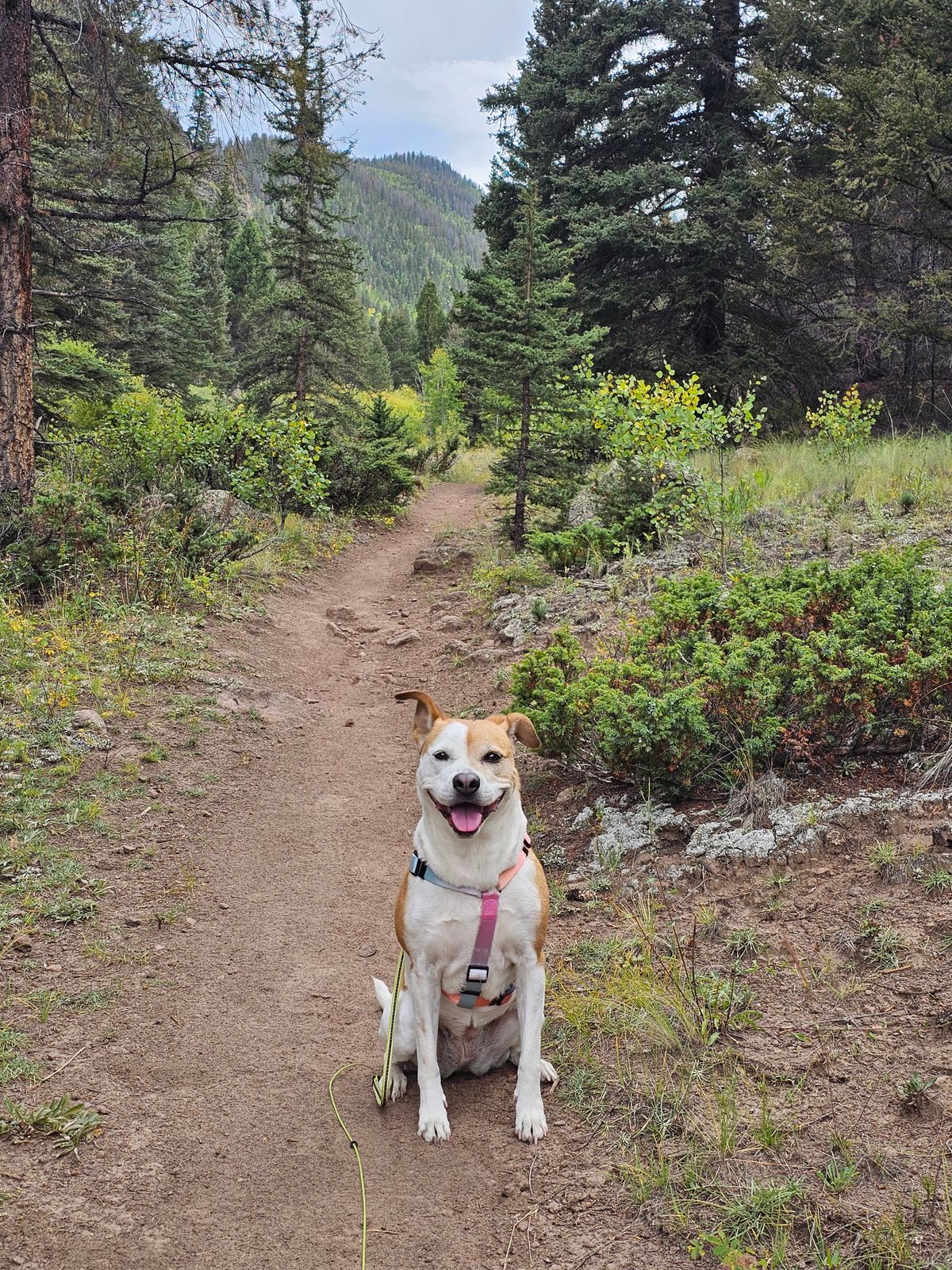
On trails: keep dogs leashed and under control, respect closures and wildlife advisories, and avoid letting a pet run ahead into dense cover.
Cougar encounter: do not run or turn your back. Pick up a small pet if safe, stay facing the cougar, make yourself large and back away slowly.
Wolf encounter: keep the dog close, do not run, create distance and become assertive if the wolf approaches.
Cougars and wolves on Vancouver Island: what is actually established?
Cougars are widely distributed in British Columbia and occur on Vancouver Island. Wolves were once extirpated from Vancouver Island but have returned and recolonized parts of the island. Both species usually avoid people, yet conflicts involving domestic pets can occur where wildlife habitat, communities and recreation overlap.
What this guide intentionally avoids is a fixed island-wide population number, a claim that Vancouver Island has “Canada's highest cougar density,” or a permanent ranking of communities from “low” to “very high” risk. Wildlife distribution, reporting effort and local conflict patterns change over time, and a neighbourhood label can become obsolete quickly.
Why free-roaming pets are vulnerable
British Columbia's cougar guidance describes roaming pets as easy prey and advises keeping them leashed or behind a barrier and bringing them indoors at night. WildSafeBC gives similar guidance for wolves, noting that off-leash or unsupervised dogs can be at greater risk in wolf country.
Outdoor cats
A free-roaming cat can move beyond the owner's sight and into cover used by predators. Indoor living or a secure enclosed catio removes much of that uncontrolled exposure.
Small dogs
A small dog left alone outside or allowed to range far ahead on a walk is harder to protect quickly during a wildlife encounter.
Off-leash dogs
Dogs can chase, approach or provoke wildlife and may then run back toward their owner, bringing the encounter with them.
Food attractants
Outdoor pet food, unsecured garbage and other attractants can draw wildlife or the prey species that predators follow.
Backyard protection: prioritize control, not gadget claims
Older versions of this guide recommended exact fence heights, coyote rollers, specific light outputs and other hardware as though those measures were guaranteed cougar barriers. BC wildlife guidance is more cautious. Cougars can climb or scale many fences, so a fence should not create a false sense of security.
| Measure | What official guidance supports | Evergreen takeaway |
|---|---|---|
| Bring pets indoors at night | Strongly supported | One of the simplest ways to reduce unsupervised predator exposure. |
| Supervise outdoor time | Strongly supported | Stay close enough to bring the pet inside quickly if wildlife appears. |
| Secure kennel with a top | Supported for pets that must be outside | A roofed enclosure is more protective than an open yard. |
| Solid fencing | Can help, but is not cougar-proof | Use fencing as a boundary and visibility tool, not as a guarantee that a cougar cannot enter. |
| Lighting and vegetation management | Supported around homes | Light walkways and reduce heavy vegetation that creates concealment close to the house. |
| Outdoor pet food | Avoid | Feed pets indoors and remove food bowls and other attractants. |
Do motion lights, ultrasonic devices and predator urine work?
Avoid turning a pet-safety article into a catalogue of unproven deterrents. BC guidance supports practical measures such as keeping pets inside, managing attractants, lighting walkways, reducing concealment and using appropriate fencing or enclosures. It does not establish a universal “minimum lumen” value for cougar deterrence.
Likewise, this guide does not recommend ultrasonic devices, predator urine or other consumer gadgets as proven cougar or wolf protection without strong species-specific evidence. If a device is used, it should supplement — not replace — physical control of the pet.
Walking and hiking with a dog in wildlife country
BC Parks recommends keeping distance from wildlife and staying at least 100 metres from large predators such as bears, wolves, coyotes and cougars whenever possible. It also advises avoiding dawn, dusk and nighttime travel when wildlife activity is more likely and carrying bear spray while knowing how to use it.
- Keep the dog leashed and under control.
- Do not let the dog chase or approach wildlife.
- Stay aware of surroundings; avoid headphones that block environmental sound.
- Make enough human noise to reduce surprise encounters, especially in dense vegetation or near loud water.
- Respect trail closures, wildlife advisories and local leash rules.
- If you find a fresh kill, carcass cache, or strong signs of predator activity, leave the area.
- Carry bear spray where appropriate and learn its safe use before an emergency.
If you encounter a cougar with your dog
1. Do not run
Keep the cougar in view and do not turn your back. Sudden flight can worsen the encounter.
2. Secure the pet
Keep the dog close. Pick up a small dog or cat if it is safe to do so without crouching excessively or losing sight of the cougar.
3. Make yourself look large
Stand upright, face the cougar, speak firmly and back away slowly while leaving the animal an escape route.
4. Escalate if the cougar acts aggressively
Be loud and assertive. Use rocks, sticks or other available objects if needed. If you have bear spray and the cougar comes within its effective range, use it according to the product instructions.
5. If a cougar attacks a person
Fight back. BC guidance specifically says not to play dead in a cougar attack.
If you encounter a wolf with your dog
Wolves usually avoid people, but a wolf that approaches closely, appears habituated or acts aggressively deserves a deliberate response. Keep your dog close and do not allow any greeting or interaction.
- Do not run or turn your back.
- Back away slowly and create distance.
- Pick up a small pet if it is safe to do so.
- Make yourself large and loud if the wolf approaches.
- Throw sticks or rocks if needed to discourage an aggressive approach.
- Use bear spray if the wolf comes within spraying range.
- Never let a dog chase or pursue the wolf.
What about outdoor cats?
For cats, prevention is more straightforward because recall and leash control are usually less reliable than with a trained dog. BC cougar guidance recommends keeping pets indoors, especially at night. A fully enclosed, roofed catio can provide outdoor access while preventing a cat from roaming into wildlife habitat.
If there is active cougar or wolf activity near the property, the safest temporary response is to keep cats and small pets indoors until current local guidance indicates the situation has changed.
Should you report every cougar or wolf sighting?
Not every wildlife sighting requires the same response. BC authorities prioritize situations involving conflict, aggressive or unusual behaviour, public-safety risk, animals lingering in urban areas, or wildlife injuring or killing pets or livestock.
If a cougar or wolf injures your pet
A predator attack is a veterinary trauma emergency. Puncture wounds can look small while deeper tissue, chest or abdominal injuries are more serious. Move yourself and the pet to safety first, then seek veterinary care promptly.
- Do not pursue the wild animal after it disengages.
- Keep yourself out of bite or claw range while retrieving the pet.
- Control severe external bleeding with gentle direct pressure if it can be done safely.
- Transport the animal to a veterinary clinic or emergency hospital as soon as possible.
- Report the wildlife conflict to the appropriate BC authority once immediate safety is addressed.
- Photograph the scene or injuries only if doing so does not delay care or put anyone at risk.
This guide intentionally does not provide a fixed Vancouver Island “average ER cost” or promise that a named insurer covers every wildlife attack. Veterinary bills depend on injuries and treatment, while insurance coverage depends on the individual policy, deductible, exclusions and circumstances.
Frequently asked questions
Are cougars a danger to pets on Vancouver Island?
Can wolves attack dogs on Vancouver Island?
Is a six-foot fence cougar-proof?
Should I carry bear spray when walking my dog on Vancouver Island?
What should I do if a cougar approaches while I have a small dog?
Is the RAPP phone number permanent?
Bottom line for Vancouver Island pet owners
The best predator-safety plan does not depend on guessing whether one Vancouver Island town is “high risk” this year. It reduces the pet's opportunity to become separated from the owner or available as easy prey.
Keep cats and small dogs indoors at night, supervise yard time, keep dogs leashed in wildlife country, remove food attractants, respect local advisories, and learn the correct cougar and wolf encounter response before you need it. Those measures remain useful even as sightings, populations and neighbourhood reports change.

Keep pet safety information organized
Use Patify to keep useful pet records and practical safety resources together before your next outdoor trip.
Explore PatifyWildlife activity, advisories and reporting procedures can change. Check current official local guidance before relying on an older sighting or neighbourhood-risk claim.