

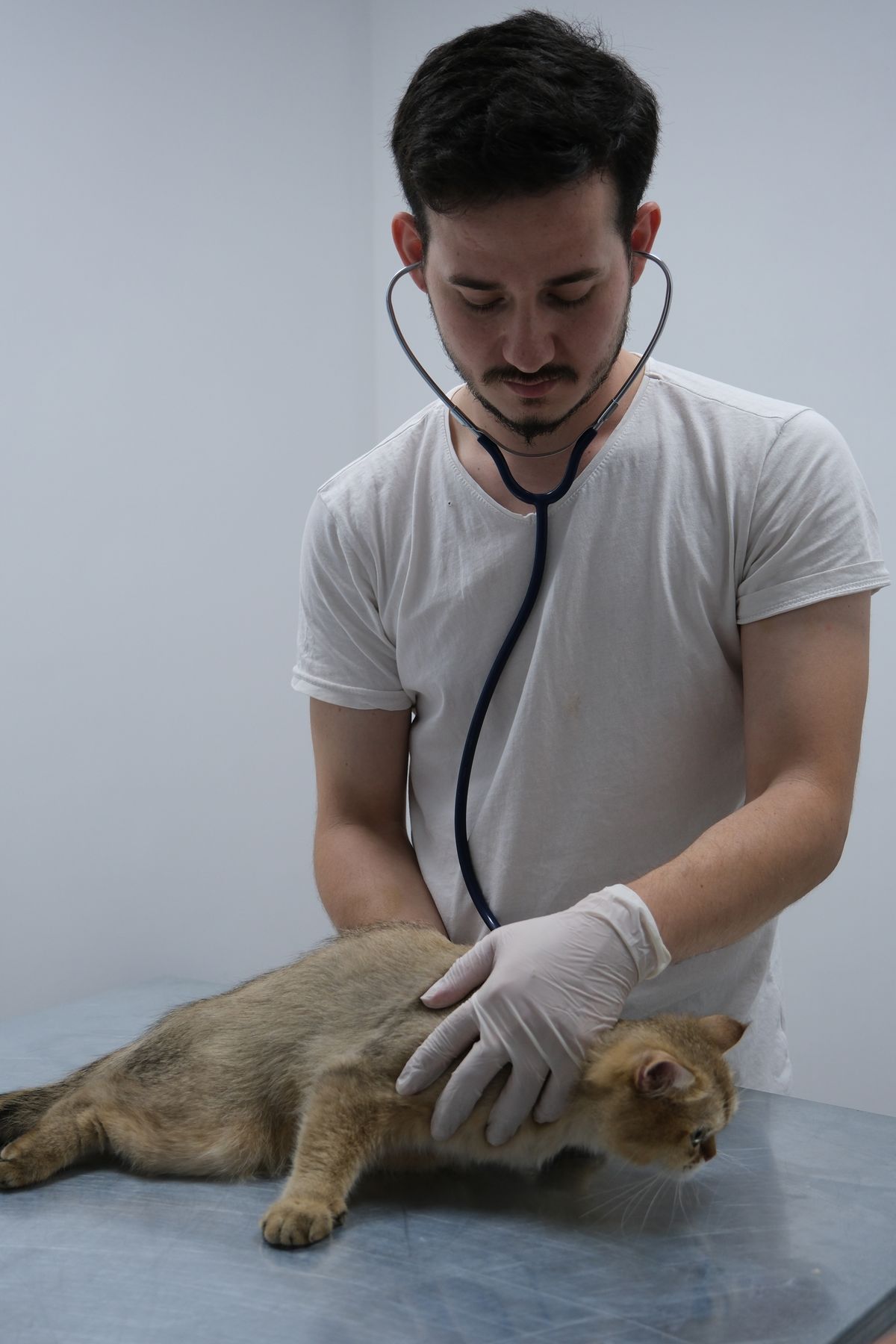
Best Pet Insurance for Maine Coon, Sphynx & Bengal Cats in 2026
There is no single pet-insurance company that is automatically “best” for every Maine Coon, Sphynx or Bengal. The useful comparison is whether a policy covers hereditary and congenital disease, how it defines pre-existing conditions, how long each waiting period lasts in your state, what annual or lifetime limits apply, and whether the deductible structure fits the type of care your cat may need.
Quick answer: what matters most for these three breeds?
Maine Coon: prioritize clear hereditary-condition coverage and read the policy language around HCM, hip/joint conditions and any breed-specific exclusions. Maine Coon spinal muscular atrophy (SMA) is also a documented inherited condition.
Sphynx: prioritize hereditary/congenital coverage and high-cost cardiac diagnostics. Sphynx cats are considered predisposed to hypertrophic cardiomyopathy (HCM); congenital myasthenic syndrome (CMS) is another genetically documented condition in the breed.
Bengal: verify hereditary-condition coverage for progressive retinal atrophy (PRA-b) and pyruvate kinase (PK) deficiency. Both have validated DNA tests.
Across all three: a policy can advertise “hereditary conditions covered” and still deny a claim if the condition was pre-existing under that policy’s definition. Read the actual state-specific policy, not only the marketing page.
What Changed in This September 2026 Update
Pet-insurance terms change quickly and can differ by state. This guide was re-checked against current insurer materials and veterinary genetics sources on September 5, 2026. Several older internet comparisons still repeat outdated orthopedic waiting periods, fixed national premium claims, or blanket statements about what a genetic test does to insurability.
Old fixed-price claims removed
A national price such as “$71/month for a Maine Coon” is not reliable without a defined age, ZIP code, deductible, reimbursement percentage and annual limit.
Waiting periods re-checked
For example, Lemonade currently publishes 14 days for illness and 30 days for orthopedic conditions, with accident coverage starting immediately in its current general guidance; state-specific policies can differ.
Do not delay screening
This guide no longer suggests avoiding an echocardiogram or genetic test simply to “keep records clean.” Necessary veterinary screening should never be delayed for insurance strategy.
Breed risks tightened
Maine Coon HCM/SMA, Sphynx HCM/CMS, and Bengal PRA-b/PK deficiency are supported here with university or peer-reviewed veterinary sources.
How Much Does Insurance for a Maine Coon, Sphynx or Bengal Cost in 2026?
Breed can affect price, but there is no honest single national premium that applies to every cat. Premiums are also driven by age, ZIP code, annual limit, deductible, reimbursement percentage and insurer. Two reputable 2026 analyses illustrate why published numbers can differ: Compare.com reported an average of about $30/month for Maine Coon insurance using its own quote data, while MoneyGeek’s newer national modeling places Maine Coon, Sphynx and Bengal among its higher-cost cat-breed tier under a standardized coverage profile. Those figures are not contradictory so much as method-dependent.
| 2026 benchmark | What it says | Why you should not treat it as your quote |
|---|---|---|
| Compare.com (May 2026) | About $30/month average for Maine Coon in its data set | Insurer mix, location, age and policy design affect the result; its company-level Maine Coon estimates also vary materially. |
| MoneyGeek (Aug/Sep 2026) | Maine Coon, Sphynx and Bengal fall in its higher-cost cat-breed tier; modeled cat-breed averages span roughly $29–$42/month | Its benchmark uses standardized assumptions and modeled pricing, not your individual insurer quote. |
Better comparison method: request quotes for the same cat on the same day and normalize the policy design. For example: same ZIP code, same annual limit, same deductible and same reimbursement percentage. Otherwise a $25 policy with a $5,000 annual cap is not directly comparable with a $45 policy offering unlimited annual benefits.
2026 Insurer Comparison: Hereditary Coverage, Waiting Periods and Limits
→ Scroll horizontally to see the full table
| Provider | Hereditary / congenital coverage | Published waiting-period highlights | Pre-existing condition approach | Feature worth comparing |
|---|---|---|---|---|
| Pumpkin | Covered when eligible and not pre-existing; no breed-specific enrollment restriction | In most states, 14 days or less for covered conditions, including orthopedic conditions; exact state terms control | Curable pre-existing conditions may become eligible after 180 days symptom- and treatment-free, with stated exceptions | Annual-limit options include $5,000 through unlimited; no upper enrollment-age limit in current cat materials |
| Trupanion | Hereditary and congenital conditions are included when not pre-existing | General U.S. materials describe 5 days for accidents and 30 days for illness; policy varies by jurisdiction | Pre-existing conditions are excluded; medical history is reviewed and a Medical Record Summary can clarify exclusions | No annual or lifetime payout limits; 90% reimbursement on eligible costs and a per-condition lifetime deductible structure |
| Embrace | Breed-specific, genetic and congenital conditions covered when not pre-existing | Publishes a 2-week illness waiting period; other waiting periods/exclusions vary by state | Certain curable conditions may become eligible after 12 consecutive months symptom- and treatment-free | Useful medical-history review process; bilateral-condition language deserves close reading for joint problems |
| Lemonade | Base accident-and-illness policy includes hereditary conditions when eligible | Current general guidance: 0-day accident wait, 14 days illness, 30 days orthopedic; state-specific terms may differ | Current veterinary guidance distinguishes curable conditions that may become eligible after 12 resolved months from incurable exclusions | Short published orthopedic wait compared with many older industry examples; verify your issued policy |
| ASPCA Pet Health Insurance | Complete Coverage includes hereditary and congenital conditions | Current quote materials show no waiting period for accidents and 14 days for illness, hereditary/congenital and knee/ligament conditions | Curable conditions can cease to be pre-existing after 180 days cured and treatment/symptom-free; knee/ligament exception applies | Flexible annual limits and deductibles; useful if the 180-day curable-condition rule is relevant to your cat |
“Published waiting period” means the provider’s current general materials checked on September 5, 2026. Pet insurance is state-regulated; your declarations page, endorsements and state-specific policy wording override a general comparison table.
Breed-by-Breed: The Conditions Worth Checking in the Policy
Maine Coons have a documented breed-associated HCM mutation in MYBPC3. UC Davis notes that the A31P variant increases HCM risk, but also stresses that this mutation is not the sole cause of HCM; a negative result does not guarantee a cat will never develop cardiomyopathy. Cornell likewise lists Maine Coons among breeds in which HCM is more prevalent.
Hypertrophic cardiomyopathy (HCM)
HCM is the most common feline heart disease. For insurance, check hereditary-condition wording, cardiology diagnostics, echocardiography, medications, hospitalization and any pre-existing-condition definition tied to earlier signs or findings.
Spinal muscular atrophy (SMA)
UC Davis documents autosomal-recessive SMA in Maine Coons, with affected kittens typically showing signs around 3–4 months. A validated DNA test is available.
Joint/orthopedic care
If hip or mobility problems are a concern, compare orthopedic waiting periods and bilateral-condition language rather than assuming every policy treats joint claims the same way.
What to ask the insurer: “If my Maine Coon later develops HCM with no relevant pre-policy signs, is cardiology diagnostics and treatment covered under the hereditary/genetic condition benefit?” Ask for the answer in the sample policy or in writing rather than relying on a sales summary.
Sphynx cats are recognized as predisposed to HCM. A 2024 prospective New Zealand study of 55 apparently healthy Sphynx cats found HCM in 40% by the final evaluation at a median age of 5.8 years. That 40% is a cohort result, not a universal worldwide prevalence estimate; the study itself cautions that it examined one population. It nevertheless supports the breed predisposition reported in other veterinary sources.
Hypertrophic cardiomyopathy (HCM)
Check coverage for specialist cardiology, echocardiography, hospitalization, medications and chronic follow-up. Never assume “heart disease covered” means a known pre-existing cardiac finding will be reimbursed.
Congenital myasthenic syndrome (CMS)
UC Davis documents a COLQ-associated congenital myasthenic syndrome in Sphynx and Devon Rex cats. It causes muscle weakness and has a validated DNA test.
Skin and dental care
Routine grooming is not insurance-covered medical treatment. For actual dermatitis or dental illness, check whether exam fees, dental disease and prescription treatments are part of the plan or require an add-on.
What to ask the insurer: “Does the base accident-and-illness policy cover eligible hereditary heart disease and specialist cardiac diagnostics, and are exam fees included?” Exam-fee coverage differs materially between providers.
The UC Davis Veterinary Genetics Laboratory documents two especially relevant inherited conditions in Bengals: progressive retinal atrophy (PRA-b), which causes progressive retinal degeneration and can lead to severe vision impairment, and erythrocyte pyruvate kinase deficiency, an inherited hemolytic anemia.
Progressive retinal atrophy (PRA-b)
PRA-b is autosomal recessive. UC Davis reports photoreceptor loss beginning early in life and substantial vision compromise in affected cats by about two years, though progression varies.
Pyruvate kinase (PK) deficiency
PK deficiency can cause intermittent anemia with variable age of onset and severity. Affected cats may show lethargy, weakness, weight loss or jaundice.
High-cost chronic care
For any serious inherited disease, compare annual payout limits, deductible type, specialist coverage, diagnostics and prescription coverage—not only monthly premium.
What to ask the insurer: “How does the policy treat a positive genetic test when the cat has no clinical signs?” Do not assume every insurer handles genotype, diagnosis and clinical disease identically.
Hereditary Coverage Is Not the Same as Guaranteed Claim Approval
This is the most important distinction in the entire article. A policy may cover hereditary and congenital conditions in general while still excluding your cat’s specific condition if it meets that policy’s definition of pre-existing.
| Situation | What it can mean for a future claim | Best practice |
|---|---|---|
| Your cat had relevant symptoms before enrollment or during the waiting period | A later related diagnosis may be treated as pre-existing even if the formal diagnosis came later | Read the policy definition and ask for a medical-record review where available |
| A screening test was normal and no relevant symptoms were documented | That is not the same as having a diagnosed pre-existing disease, but claim eligibility still depends on policy wording and later records | Keep the normal report and full veterinary record |
| A genetic test identifies a disease-associated variant | Treatment of a future related disease may be evaluated differently by different insurers | Ask the insurer in writing how an asymptomatic positive genotype is handled under your state policy |
| A veterinarian recommends screening | The medical benefit of appropriate screening comes before insurance strategy | Follow veterinary advice; do not delay care to avoid creating a record |
Related Patify guide: If you want a deeper explanation of waiting periods, bilateral exclusions, coverage lapses and claim denials, read Pet Insurance Waiting Periods and Claim Denials: How Pre-Existing Conditions Work.
Which Policy Features Matter Most for These Breeds?
Use this checklist before buying
- Hereditary and congenital conditions: Confirm they are included in the base accident-and-illness plan and not restricted by a breed-specific endorsement.
- Pre-existing condition definition: Search the sample policy for “pre-existing,” “signs,” “symptoms,” “medical advice,” “hereditary,” “congenital” and “bilateral.”
- Waiting periods: Record accident, illness, orthopedic and any condition-specific waits. Use the state-specific document.
- Annual or lifetime payout limit: A low annual cap can matter more than a small premium difference when chronic specialist care is needed.
- Deductible structure: Annual deductibles reset every policy year; per-condition lifetime deductibles behave differently for chronic disease.
- Reimbursement percentage: Compare 70%, 80% and 90% options only after confirming what counts as an eligible expense.
- Exam fees: Some plans include sick-visit exam fees; others exclude them or require an add-on.
- Specialist and diagnostic coverage: For HCM, confirm cardiology consultations and echocardiography are eligible when the underlying condition is covered.
- Dental illness: Especially relevant for cats with recurrent oral disease; routine dental cleaning and treatment of dental illness are not the same benefit.
- Prescription drugs and rehabilitation: Check whether medications, prescription diets/supplements, physical therapy or alternative therapies need add-ons.
- Enrollment age: Minimum and maximum ages differ by provider. Early enrollment can reduce the chance that future unrelated conditions are already documented before coverage begins.
- Your state: Download the exact policy form for your state before paying. Marketing pages are summaries, not the contract.
A Better Way to Compare Quotes: Normalize the Coverage
A cheap quote can be misleading if it uses a higher deductible or lower annual limit. Put every insurer into the same comparison frame before deciding.
| Field | Quote A | Quote B | Quote C |
|---|---|---|---|
| Monthly premium | Write quote | Write quote | Write quote |
| Annual limit | Same target | Same target | Same target |
| Deductible | Same target | Same target | Same target |
| Reimbursement | Same target | Same target | Same target |
| Hereditary/congenital | Yes / exclusions | Yes / exclusions | Yes / exclusions |
| Illness wait | Days | Days | Days |
| Orthopedic wait | Days | Days | Days |
| Curable pre-existing rule | Policy text | Policy text | Policy text |
| Exam fees | Included? | Included? | Included? |
| Specialist diagnostics | Included? | Included? | Included? |
After normalizing those fields, the premium difference becomes meaningful. Before that, it is usually an apples-to-oranges comparison.
When Should You Enroll a Maine Coon, Sphynx or Bengal?
From an insurance perspective, enrolling while a cat is young and healthy can reduce the number of health issues that predate the policy. Several major insurers accept kittens from around eight weeks of age, although minimum ages differ. From a medical perspective, however, insurance enrollment should never be used as a reason to delay vaccinations, exams, genetic counseling or a veterinarian-recommended cardiac/ophthalmic evaluation.
A practical sequence is: (1) choose a policy after reading the state-specific sample contract, (2) understand the waiting periods, (3) maintain normal preventive and breed-appropriate veterinary care, and (4) keep copies of baseline exams, genetic test results and specialist reports. Clear records help both your veterinarian and any future claim review.
Frequently Asked Questions
Does pet insurance cover HCM in Maine Coon and Sphynx cats?
Many comprehensive accident-and-illness policies cover hereditary heart disease when the condition is otherwise eligible and was not pre-existing under the policy. Pumpkin, Trupanion, Embrace, Lemonade and ASPCA all currently describe hereditary/genetic coverage in their broader accident-and-illness offerings. That does not mean every HCM claim is automatically covered; prior signs, findings, waiting periods and state-specific exclusions still matter.
Will a normal HCM genetic test guarantee coverage?
No. For Maine Coons, the UC Davis A31P test detects one known HCM-associated mutation, but HCM also occurs in Maine Coons without that mutation. A normal genetic result is useful medical information, not an insurance guarantee.
Should I delay an echocardiogram until after I buy insurance?
No. If your veterinarian recommends an echocardiogram or other diagnostic test, follow that medical advice. You can compare and purchase insurance early when practical, but withholding or delaying needed care to influence future eligibility is not a safe strategy.
Does a positive Bengal PRA-b or PK-deficiency DNA test automatically mean every future claim is denied?
Not necessarily, and policy wording matters. A positive genotype, clinical diagnosis, symptoms and treatment history are not always described identically in insurance contracts. Ask the insurer how an asymptomatic positive genetic test is treated under the exact state policy and keep the written response.
Which insurer is best for a Bengal with concern about very expensive treatment?
Do not choose on breed name alone. If your priority is protection from very high eligible costs, compare annual limits and deductible structure first. Trupanion currently advertises no annual or lifetime payout limits, while Pumpkin offers annual-limit options up to unlimited. Other providers can still be a better fit depending on premium, covered expenses and exclusions.
Why did older articles say Maine Coon insurance costs $71/month?
Pet-insurance pricing datasets use different ages, ZIP codes and coverage assumptions. A fixed national figure without those assumptions is easy to misinterpret. Current 2026 sources show materially different benchmarks, which is why this guide treats published averages as context rather than a personal quote.
Are Maine Coon, Sphynx and Bengal cats “exotic pets” for insurance?
Usually these cats are insured through standard cat pet-insurance products, not the specialty exotic-animal policies used for birds, reptiles or small mammals. The older URL of this article uses “exotic breeds,” but the guide refers to the animals accurately as cat breeds and purebred/pedigree cats.
Bottom Line
For Maine Coon, Sphynx and Bengal owners, the right pet-insurance decision is less about finding a generic “#1 company” and more about buying the right contract before an emergency. Verify hereditary and congenital coverage, read the pre-existing-condition definition, compare state-specific waiting periods, normalize deductibles and annual limits, and make sure specialist diagnostics are eligible when the underlying disease is covered.
Most importantly, keep insurance decisions separate from medical decisions. Early enrollment can be financially useful; appropriate veterinary screening can be medically important. You should not sacrifice the second to improve the first.
- UC Davis Veterinary Genetics Laboratory — Maine Coon HCM
- UC Davis Veterinary Genetics Laboratory — Maine Coon SMA
- Cornell Feline Health Center — Hypertrophic Cardiomyopathy
- Peer-reviewed study — HCM prevalence in a New Zealand Sphynx cohort
- UC Davis Veterinary Genetics Laboratory — Sphynx/Devon Rex CMS
- UC Davis Veterinary Genetics Laboratory — Bengal PRA-b
- UC Davis Veterinary Genetics Laboratory — Feline PK deficiency
- Pumpkin — current cat insurance coverage and waiting-period information
- Trupanion — current cat insurance coverage
- Embrace — genetic and breed-specific condition coverage
- Lemonade — current waiting-period guide
- ASPCA Pet Health Insurance — current coverage/waiting-period details
- Compare.com — 2026 Maine Coon quote-data benchmark
- MoneyGeek — 2026 pet-insurance cost methodology and breed benchmarks
- Cover photo: Sueda Güzeldere / Pexels — free to use
Insurance products, rates and policy forms can change. Always verify the current policy issued in your state before purchasing coverage.