
📅 April 2026 · Reading time: approx. 8 minutes Vet-reviewed Toxicology Feline ER
🐈🚨 Cat Ingested Scentsy Wax Melt: Recognizing Chemical Burns vs. Normal Vomiting — ER Guide

🚨 EMERGENCY — DO NOT INDUCE VOMITING. CAUSTIC CHEMICAL.
- ASPCA Animal Poison Control (24h, US): (888) 426-4435 — $100 consultation fee. Call while driving.
- Pet Poison Helpline (24h, US/Canada): (855) 764-7661 — $85 fee
- Animal Poison Line (UK, 24h): 01202 509 000
- Nearest 24-hour emergency veterinary clinic: Search NOW. Chemical burns progress rapidly.
If you witnessed your cat ingesting scented wax: do not force liquids down their throat and do not use hydrogen peroxide. Drive to the emergency vet immediately for pain management and GI protection.
Wax warmers like Scentsy and Yankee Candle melts have become staples of modern home decor. They smell incredible—sometimes like vanilla frosting, sometimes like fresh pine. Unfortunately, a curious cat relying on their powerful sense of smell might jump onto a side table and take a lick of the warm, melted liquid. Many owners brush this off, expecting the cat will simply pass a little wax or vomit it up like a hairball. In reality, the highly concentrated synthetic fragrances and essential oils suspended in that wax are intensely caustic. Within hours, the cat isn't just dealing with an upset stomach; they are suffering from agonizing chemical burns in their mouth and esophagus, alongside a toxic load their liver cannot process.
📊 The Critical Fast Facts — Read These Before Everything Else
The wax is not the threat: Plain soy or paraffin wax is relatively harmless. The danger is the fragrance load. Commercial melts contain highly concentrated essential oils and synthetic phenols (often up to 10% by volume).
Never induce vomiting: Caustic chemicals burn on the way down. If forced back up via vomiting, they burn the esophagus a second time, causing irreversible scarring and strictures.
Cats cannot process essential oils: Felines lack the specific liver enzyme required to break down phenols. Even a small ingestion leads to rapid hepatic (liver) toxicity and neurological depression.
Look for extreme drooling: Normal hairball nausea passes quickly. Constant, ropey drooling and pawing at the mouth indicates severe oral ulcerations.
🔬 The Science: Why Fragrance Oils Destroy Feline Tissue
To understand why a small lick of a wax melt is a medical emergency, you must understand feline metabolic pathways and the physical action of concentrated volatile oils on mucosal tissue.
🧪 What Happens Inside Your Cat — Coagulative Necrosis and Glucuronidation Failure
There are two distinct physiological attacks happening simultaneously. 1. Local Tissue Damage: Concentrated essential oils and synthetic fragrances are highly lipophilic (fat-loving) and act as powerful organic solvents. When they contact the delicate mucosal lining of a cat's mouth and esophagus, they strip away the cellular lipid bilayer. This causes rapid cell death, known as coagulative necrosis. The tissue literally burns chemically, leaving raw, agonizing ulcers. 2. Systemic Hepatic Failure: Humans use a liver enzyme called UDP-glucuronosyltransferase (UGT) to break down complex phenols and benzyl alcohols found in fragrances. Through an evolutionary quirk, felines have a profound deficiency in UGT enzymes. When these oils enter the bloodstream, the cat's liver cannot metabolize them. They accumulate rapidly, crossing the blood-brain barrier to cause central nervous system (CNS) depression (ataxia, tremors) and direct hepatic lipidosis (liver failure).
⏱️ What Happens Inside Your Cat — The Symptom Timeline
Ingestion & Immediate Oral Pain
The cat licks the wax. Almost instantly, the caustic oils begin stripping the mucosal lining. The cat will exhibit intense hypersalivation (thick, ropey drooling), frantic licking of their lips, and may desperately paw at their own face to alleviate the burning sensation.
Erythema and Spontaneous Vomiting
The tissue inside the mouth turns bright, angry red (erythema). As the oils reach the stomach, severe gastrointestinal irritation triggers spontaneous vomiting. The cat may vocalize (cry or yowl) due to the pain of swallowing or vomiting.
Ulceration and CNS Depression
Visible chemical burns (ulcers) form — these often look like white, sloughing, or dying patches of tissue on the tongue, gums, or roof of the mouth. The cat will refuse all food and water. As the toxins hit the bloodstream, the cat becomes severely lethargic and may stumble (ataxia).
Hepatic Compromise
Without aggressive IV fluid flushing and liver protectants, the liver struggles to process the phenols. The cat may develop jaundice (yellowing of the eyes/gums), prolonged bleeding times, and progress into acute liver failure.
✅ What to Do — The Correct Response Protocol
-
Remove the Source and Secure the Cat
Unplug the warmer immediately. If there is wax on the cat's fur, gently wipe it away with a dry paper towel. Do not let them groom themselves. Place an Elizabethan collar (cone) on them if you have one. Do not attempt to pry their mouth open to scrape out wax; they are in extreme pain and will likely bite you severely.
-
Dilute ONLY if the cat is willing and conscious
If the cat is alert, standing, and able to swallow normally, you may offer a small saucer of milk or tuna water to help dilute the chemicals in the mouth and stomach. Never use a syringe to force liquids down their throat — if their esophagus is swollen, they will aspirate the liquid into their lungs.
-
Call ASPCA Poison Control while in transit
Call (888) 426-4435. Tell them the exact brand of the wax melt (e.g., Scentsy, Yankee) and the scent profile (e.g., Cinnamon, Citrus, Eucalyptus are notoriously toxic). They will calculate the potential phenol load based on your cat's weight and authorize a case number for your ER vet.
-
Drive to the nearest 24-hour ER
Because corporate ER wait times can be long, calling ahead to inform them of a "caustic chemical ingestion with suspected mucosal ulceration" will prioritize your triage status.
🚫 NEVER Do These Things After Wax Melt Ingestion
- Induce vomiting with hydrogen peroxide (H2O2): The most dangerous mistake. It will cause a secondary chemical burn to the esophagus (strictures).
- Wash the cat's fur with essential oil shampoos: If they have wax on their fur, only use a plain, grease-cutting dish soap like Dawn. Adding more essential oils will worsen the toxicity.
- Wait and see: A cat hiding under the bed after vomiting is not "sleeping it off." They are hiding because they are in agonizing oral pain.
- Use eucalyptus diffusers: The eucalyptus shower trend and active diffusers cause the same hepatic toxicity via inhalation that wax melts cause via ingestion.
🏥 What Happens at the Emergency Vet
Understanding the veterinary protocol will help you authorize the correct treatments quickly.
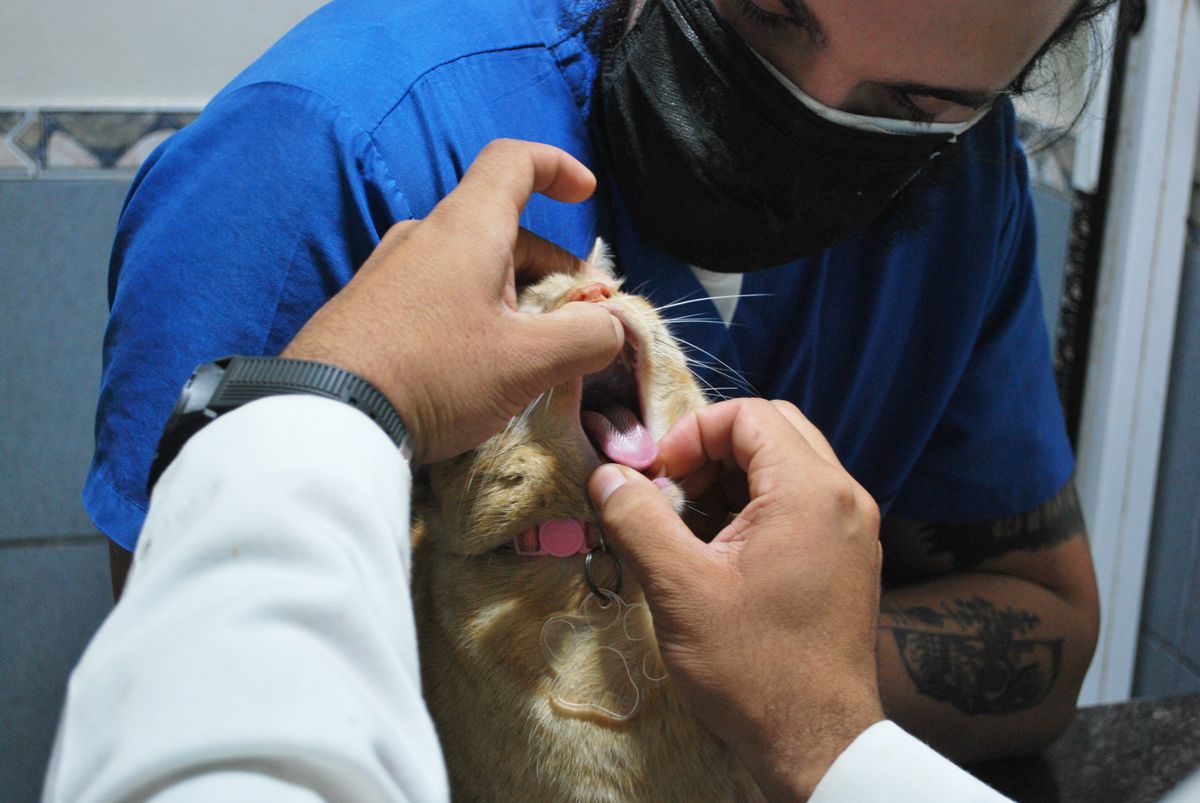
- Pain Management (Crucial): Chemical burns are excruciating. The vet will immediately administer strong injectable opioids (like Buprenorphine). This stops the frantic pawing and allows the vet to safely examine the oral cavity.
- Oral and Esophageal Coating: They will administer a liquid medication called Sucralfate. This creates a thick, protective "band-aid" slurry over the ulcers in the stomach and esophagus, shielding the raw tissue from stomach acid.
- IV Fluid Therapy: Aggressive intravenous fluids are required to flush the circulating phenols out of the cat's system through the kidneys, protecting the liver from total failure.
- Hepatic Support: Blood panels will be run to check ALT/AST liver enzymes. They may start hepatoprotectants like SAM-e (S-adenosylmethionine) or N-acetylcysteine (NAC).
- Feeding Tubes: If the esophageal burns are severe, the cat may require a temporary feeding tube (E-tube) placed in their neck to bypass the mouth entirely while the tissue heals over several weeks.
⚠️ Wax Melt Brand Risks — Understanding the Labels
☠️ Scentsy & Direct-Sales Melts
Highly concentrated. Often use proprietary synthetic blends mixed with essential oils for "maximum scent throw." High toxicity risk.
☠️ "100% Pure Essential Oil" Melts
The most dangerous. Natural does not mean safe. Peppermint, citrus, tea tree, pine, and eucalyptus oils are hyper-toxic to feline livers.
⚠️ Yankee / Commercial Paraffin
Paraffin wax is inert, but the fragrance load is still high enough to cause chemical burns. Requires immediate veterinary evaluation.
✅ Unscented Plain Soy/Beeswax
If the cat licked a plain, unscented candle, there is no chemical burn risk. Mild GI upset (diarrhea) is the only expected outcome.
| Melt Ingredient Profile | Caustic Burn Risk | Systemic Toxicity | Emergency Level |
|---|---|---|---|
| Eucalyptus / Pine / Citrus Oils | High | Severe (Hepatic/CNS) | Critical ER |
| Synthetic "Baked Goods" Scents | Moderate to High | Moderate | ER Visit Required |
| Unscented Paraffin Wax | None | Low (GI block risk if large chunk) | Monitor / Call Vet |
| Unscented 100% Soy Wax | None | Low (Mild diarrhea) | Low |
❓ Frequently Asked Questions
My cat just got the wax on their fur but didn't eat it. What should I do?
The wax melt was cold and hard when my cat chewed it. Is it still dangerous?
Does pet insurance cover chemical burns and toxicity treatments?
📱 Log This Emergency in Patify — Every Detail Matters

Emergency Log · Toxicology Records · 24/7 ER Finder
Document the exact brand of the wax melt, the scent profile, and the symptoms observed — timestamped in Patify. This timeline is the first thing your emergency vet needs. Store ASPCA Poison Control (888-426-4435) and your nearest 24-hour emergency vet in Patify right now — before you need them.
Download Patify FreeAlso on the web → patifyapp.com/straypets