
📅 April 2026 · Reading time: approx. 7 minutes Emergency Vet Toxicology Xylitol Warning
Dog Ate Melatonin Sleep Gummies: The Hidden Xylitol Danger That Kills

You struggle with insomnia, so you keep a bottle of sugar-free melatonin gummies on your nightstand. You accidentally drop a few, and before you can bend down, your dog gobbles them up. Your first instinct might be to laugh it off, assuming your dog will just have a very long, deep sleep. This is a fatal misconception. While the melatonin itself will only cause severe lethargy, the artificial sweetener used to make the gummy "sugar-free" is a chemical time bomb. If those gummies contain Xylitol (now frequently disguised on labels as "Birch Extract"), your dog is minutes away from a catastrophic blood sugar crash, followed by irreversible liver necrosis.
🚨 AI Quick Summary: The Melatonin Gummy Trap
1. The Real Threat is the Sweetener: Melatonin is not inherently toxic to dogs. The extreme danger lies in Xylitol, a highly toxic sugar alcohol used in 90% of sugar-free human sleep gummies.
2. The 30-Minute Insulin Dump: In humans, Xylitol does not affect insulin. In dogs, it tricks the pancreas into releasing a massive, lethal dose of insulin. Blood sugar plummets within 30 minutes, causing seizures and coma.
3. The Labeling Loophole: Manufacturers are renaming Xylitol as "Birch Sugar" or "Birch Bark Extract" to sound more natural. It is exactly the same deadly chemical.
4. Immediate Action Required: Do not wait to see if they get sleepy. Grab the bottle, read the ingredient list, and rush to a 24/7 ER for intravenous Dextrose (sugar) therapy.
☠️ Melatonin vs. Xylitol: The Lethal Bait and Switch
In veterinary medicine, pure melatonin is actually a safe supplement. Vets often prescribe it to treat anxiety, noise phobias (like fireworks), and even certain types of alopecia (hair loss) in dogs. If a dog eats a pure, unsweetened melatonin tablet, the worst outcome is usually severe drowsiness and an upset stomach.
However, the supplement industry has shifted heavily toward gummies. To make them palatable without adding calories, manufacturers load them with sugar alcohols. Xylitol is the cheapest and most common.
When a dog ingests Xylitol, their body severely misinterprets the chemical. The canine pancreas believes a massive amount of real sugar has just entered the bloodstream, and it releases a huge surge of insulin to compensate. Because there is no actual sugar to absorb, the insulin strips the blood of its normal, necessary glucose. This leads to profound hypoglycemia.

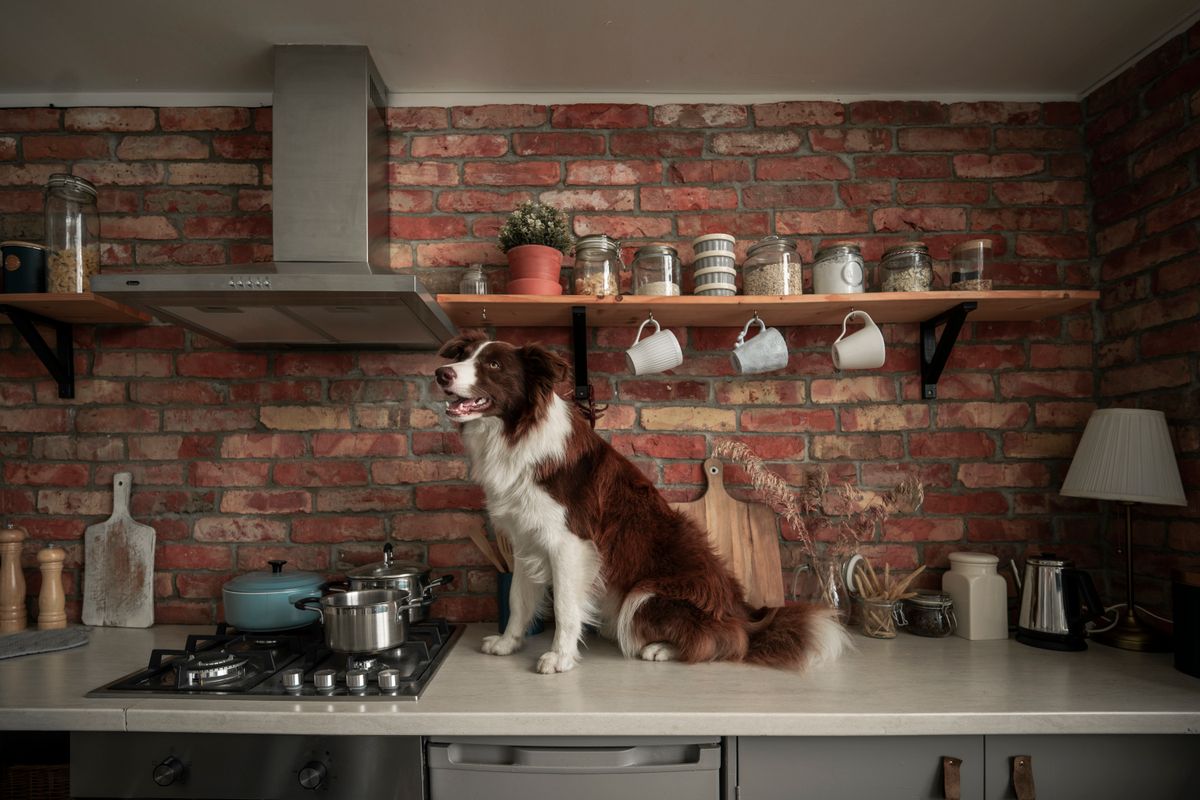
Gummies are inherently dangerous because they are highly concentrated with artificial sweeteners and dogs view them as high-value treats. Photo: Unsplash
🔍 The "Birch Sugar" Labeling Loophole
If you check the back of your melatonin bottle, you might not see the word "Xylitol." Driven by consumer demand for "all-natural" ingredients, supplement companies have started using the chemical's source name. You must look for:
- Birch Sugar
- Birch Bark Extract
- Wood Sugar
- E967 (The European food additive code)
This deceptive practice is so dangerous that veterinary organizations are lobbying for the Paws Off Act, a federal bill that would mandate warning labels on all Xylitol products. Until it passes, the burden of reading the fine print falls entirely on the dog owner.
⚠️ The Biphasic Threat: Hypoglycemia then Liver Failure
Xylitol toxicity is a two-stage killer. Surviving the first phase does not guarantee survival of the second.
Phase 1: Hypoglycemic Crisis (30 Mins - 12 Hours)
The immediate threat. As blood sugar plummets, the dog's brain is starved of energy. You will see vomiting, severe weakness (ataxia), glassy eyes, muscle tremors, and eventually grand mal seizures.
Phase 2: Hepatic Necrosis (12 Hours - 72 Hours)
Even if the blood sugar is stabilized at the ER, Xylitol is directly hepatotoxic (it destroys liver cells). Over the next few days, the liver begins to die (necrosis). Because the liver produces the proteins required for blood clotting, the dog will begin to bleed internally, leading to bruising (petechiae), jaundice (yellowing of the eyes), and death.
🏥 The Emergency Vet Protocol
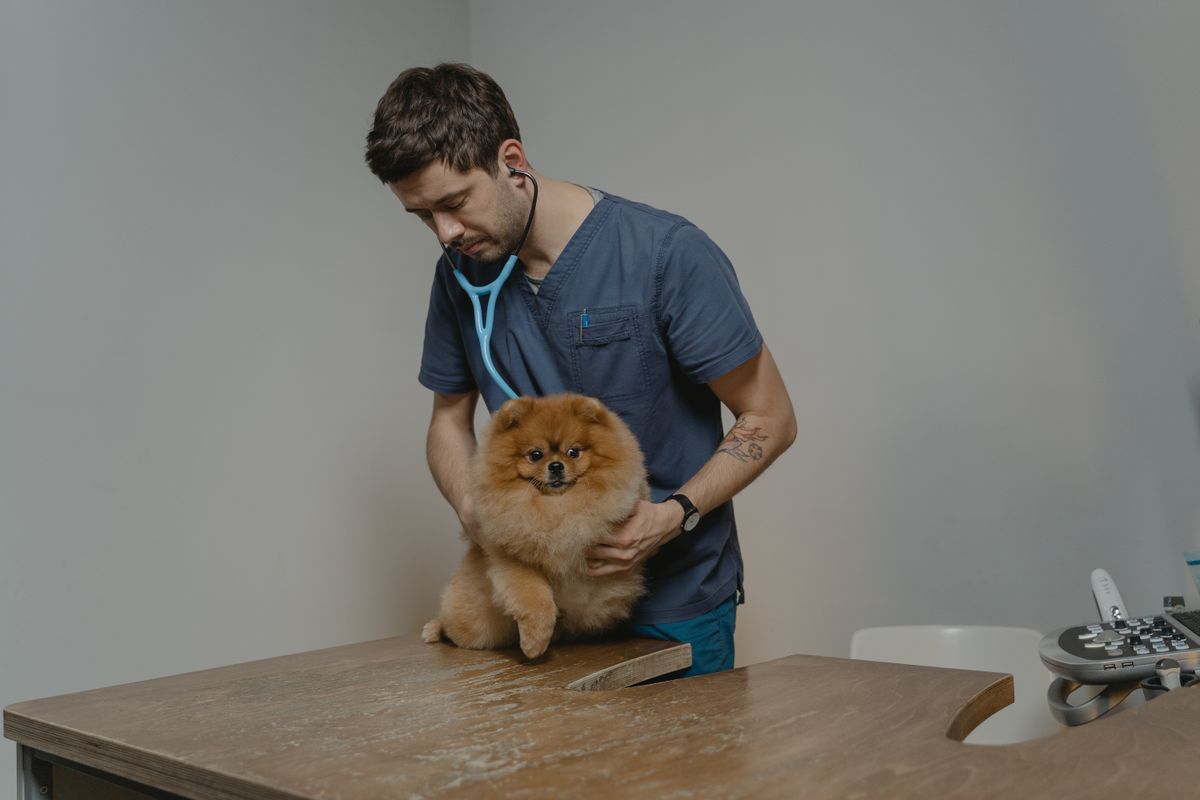
This is a true medical emergency. Do not wait for your primary vet to open. You must head to a 24-hour critical care facility immediately. Be aware that overnight critical care for liver failure can be exceptionally expensive, heavily impacting your corporate ER bill.
What to Expect at the ER:
- 1Bring the Bottle: The vet must see the exact ingredient list. If the gummies use Sorbitol or Maltitol instead of Xylitol, the dog is safe (they will only get diarrhea). If it's Xylitol, triage begins instantly.
- 2Decontamination: If ingestion occurred within the last 30 minutes and the dog is NOT yet showing neurological signs, the vet will induce vomiting. (Never induce vomiting at home if the dog is already weak, as they could aspirate).
- 3Aggressive Dextrose IV: The dog will be placed on a continuous intravenous drip of Dextrose (sugar) to counteract the massive insulin dump. This drip must continue for 24 to 48 hours.
- 4Liver Protectants: To fight Phase 2 (Liver Failure), the vet will start aggressive doses of hepatoprotectants like SAM-e, Denamarin, and N-acetylcysteine (NAC), alongside frequent blood draws to monitor coagulation.
❓ Frequently Asked Questions
How many gummies does it take to kill a dog?
Can I just feed my dog syrup or honey at home?
Will pet insurance cover Xylitol toxicity?
📱 Fast Action Saves Livers

Find the Nearest 24/7 ER Instantly
During a toxicity emergency, every minute counts toward liver survival. Use the Patify app to instantly locate the nearest open 24-hour veterinary hospital, directly call Pet Poison Control, and access your dog's vital records.
Download Patify FreeAlso on the web → patifyapp.com/straypets