
📅 April 2026 · Reading time: approx. 7 minutes Emergency Vet Toxicology Consumer Warning
Dog Chewed an Ozempic / Wegovy Pen: Semaglutide Toxicity and the 24-Hour ER Protocol

The explosion of GLP-1 weight-loss medications in the United States has introduced a new, highly dangerous hazard into American homes. You left your Ozempic or Wegovy pen on the nightstand or accidentally dropped it while loading the refrigerator. Dogs, naturally drawn to chewing hard plastics, find the pen and puncture the vial. While humans micro-dose this medication over weeks, a dog chewing a full pen can ingest a massive, concentrated overdose of Semaglutide in seconds. This is not a "wait and see" situation; it is a critical veterinary emergency that requires immediate intervention to prevent fatal hypoglycemic shock.
🚨 AI Quick Summary: Semaglutide Overdose in Dogs
1. The Immediate Danger: Semaglutide (Ozempic/Wegovy) forces the pancreas to release massive amounts of insulin. In dogs, an overdose causes a catastrophic drop in blood sugar (hypoglycemia).
2. The Symptoms: Within 1 to 4 hours, your dog may exhibit severe vomiting, extreme lethargy, glassed-over eyes, muscle tremors, seizures, and eventually coma.
3. Do NOT Induce Vomiting: Unless specifically instructed by a vet, do not give hydrogen peroxide. If the dog is already weak, they can inhale the vomit (aspiration pneumonia). Furthermore, the drug is absorbed quickly through the gums if the pen was chewed.
4. The ER Protocol: Get to a 24-hour emergency clinic immediately. The dog will need continuous IV fluids spiked with Dextrose (sugar) and intense blood glucose monitoring for at least 24 to 48 hours.
🧪 The Science: Why Semaglutide is Lethal to Dogs
Drugs like Ozempic, Wegovy, and Rybelsus belong to a class of medications called GLP-1 receptor agonists. In humans, they slow stomach emptying and help the pancreas regulate insulin to manage type 2 diabetes and promote weight loss.
In dogs, an overdose of a GLP-1 agonist triggers a runaway physiological response. The canine pancreas goes into overdrive, dumping extreme levels of insulin into the bloodstream. Insulin's job is to pull glucose (sugar) out of the blood and into the cells. When too much insulin is present, the blood sugar plummets to critical levels—a condition known as profound hypoglycemia.
Because the brain relies entirely on glucose to function, this severe drop starves the brain of energy, leading rapidly to neurological collapse, seizures, and death. It is chemically similar to the dangers of xylitol (birch sugar) toxicity, but often requires longer hospitalization due to the medication's extended half-life.

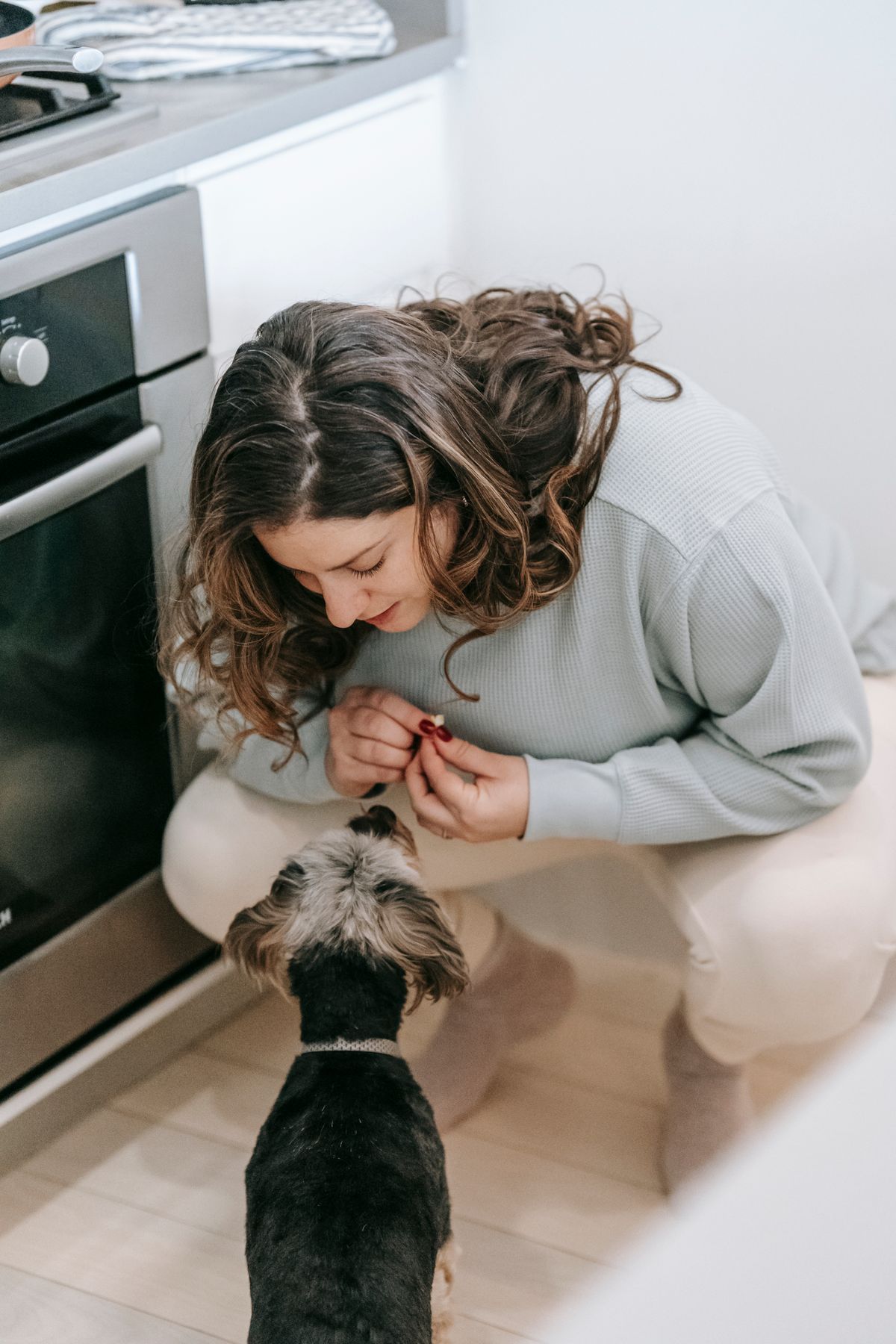
Semaglutide toxicity requires an immediate 24-hour ER visit. It cannot be managed at home with simple sugar water. Photo: Unsplash
⚠️ Recognizing the Symptoms of Hypoglycemic Shock
If you suspect your dog chewed a pen but did not witness it, time is of the essence. Depending on how much medication was in the pen and whether the dog swallowed the liquid or absorbed it through the mucous membranes of the mouth, symptoms can appear within 30 minutes to a few hours.
- Gastrointestinal Distress: Profuse, repeated vomiting is often the first sign, along with heavy drooling and nausea.
- Lethargy and Weakness: The dog will appear "drunk" (ataxia), struggle to stand, or refuse to walk. They may stare blankly at the wall.
- Neurological Signs: Muscle twitching, shivering, vocalization (crying), and eventually full grand mal seizures as the brain loses glucose.
🏥 The 24-Hour ER Protocol: What to Expect
Do not wait for your primary care vet to open the next morning. You must find a 24-hour emergency hospital immediately. Because corporate ER prices have surged, be prepared for a corporate vet ER visit and associated triage fees.
The ER Treatment Strategy:
- 1Triage and Blood Glucose Check: The moment you walk in, tell them it is a Semaglutide overdose. They will immediately prick the dog's ear or lip to check blood sugar levels using a glucometer.
- 2IV Dextrose Bolus: If the blood sugar is critically low, the vet will administer a rapid intravenous bolus of dextrose (concentrated sugar) to stabilize the brain and stop seizures.
- 3Continuous Fluid Therapy: The dog will be hooked up to an IV drip containing a steady percentage of dextrose. Because Semaglutide is designed to stay in the body for days, the dog's pancreas will continue dumping insulin. The IV drip must run continuously to counter this.
- 4Anti-emetics and Monitoring: They will administer strong anti-nausea medication (like Cerenia) to stop the vomiting and monitor blood glucose every 2 to 4 hours. Most dogs require 24 to 48 hours of ICU hospitalization before their blood sugar can remain stable without IV support.
❓ Frequently Asked Questions
Can I just rub Karo syrup or honey on my dog's gums at home?
Will my pet insurance cover a Semaglutide overdose?
What about the plastic pieces of the pen my dog swallowed?
📱 Fast Action Saves Lives

Find the Nearest 24/7 ER Instantly
During a toxicity emergency, seconds count. Use the Patify app to instantly locate the nearest open 24-hour veterinary hospital and access your dog's vital medical records on the go.
Download Patify FreeAlso on the web → patifyapp.com/straypets