
Last verified: October 1, 2026
Havanese Haircuts: Pet Trims Are Practical, but the Natural Coat Is the Breed Reference
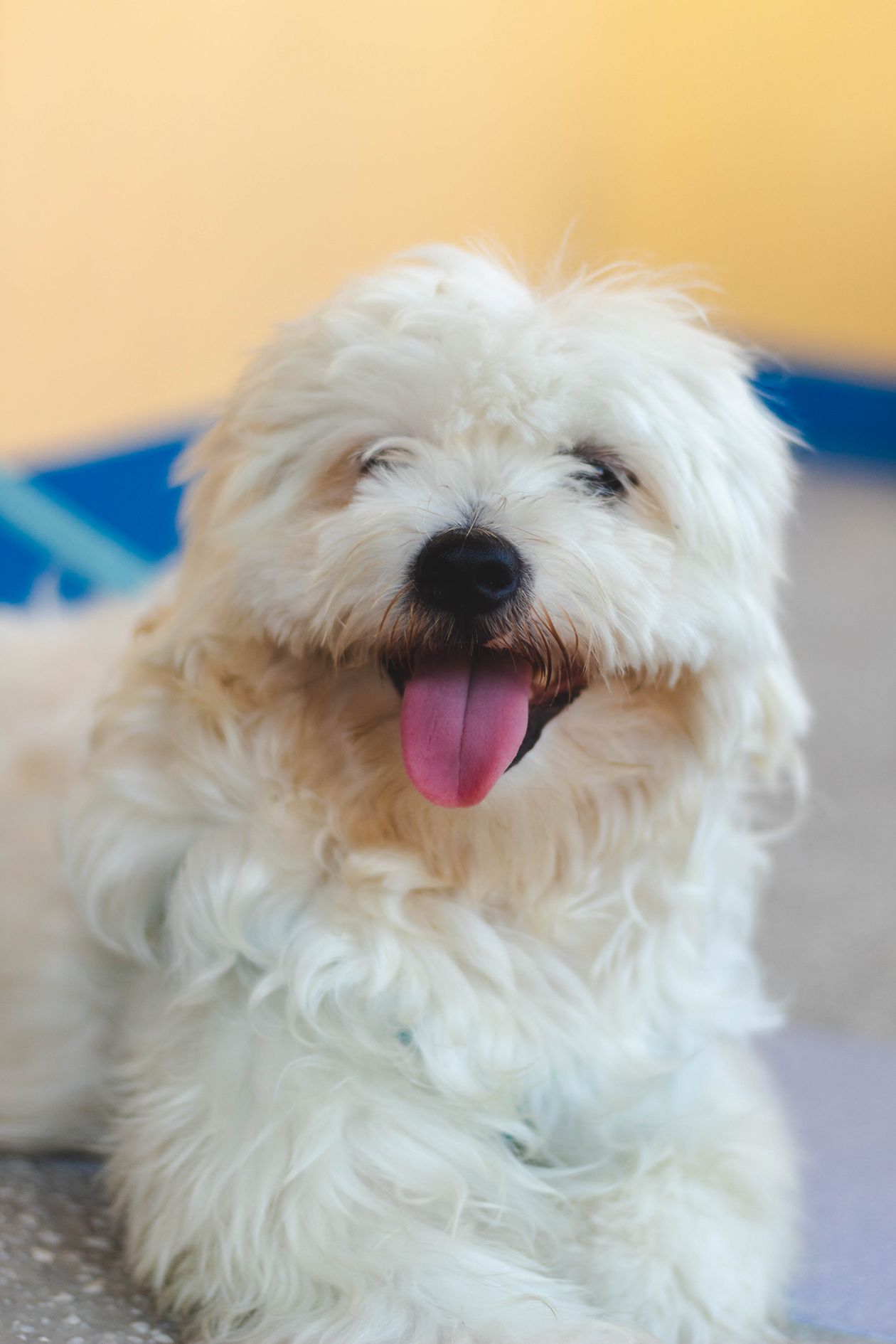
Quick answer: common Havanese pet options include a short puppy cut, teddy-style trim, utility trim, medium scissor trim, longer natural pet coat, topknot/face-framed long coat, and corded coat. The eighth useful “style” is the full natural untrimmed coat used as the breed-standard reference.
The distinction matters because AKC/Havanese Club of America breed presentation is natural: the long, soft, wavy coat may be brushed or corded and is not sculpted into a pet haircut for conformation. Pet owners, however, often clip the coat short specifically to reduce grooming time. AKC recommends daily grooming for the long coat to prevent mats and tangles.
Patify Havanese rule: decide first whether your goal is natural long coat, managed medium coat, short pet trim or true cords. Those are four different maintenance systems—not merely four looks.
Havanese Coat: Long, Soft, Wavy—and Capable of Cording
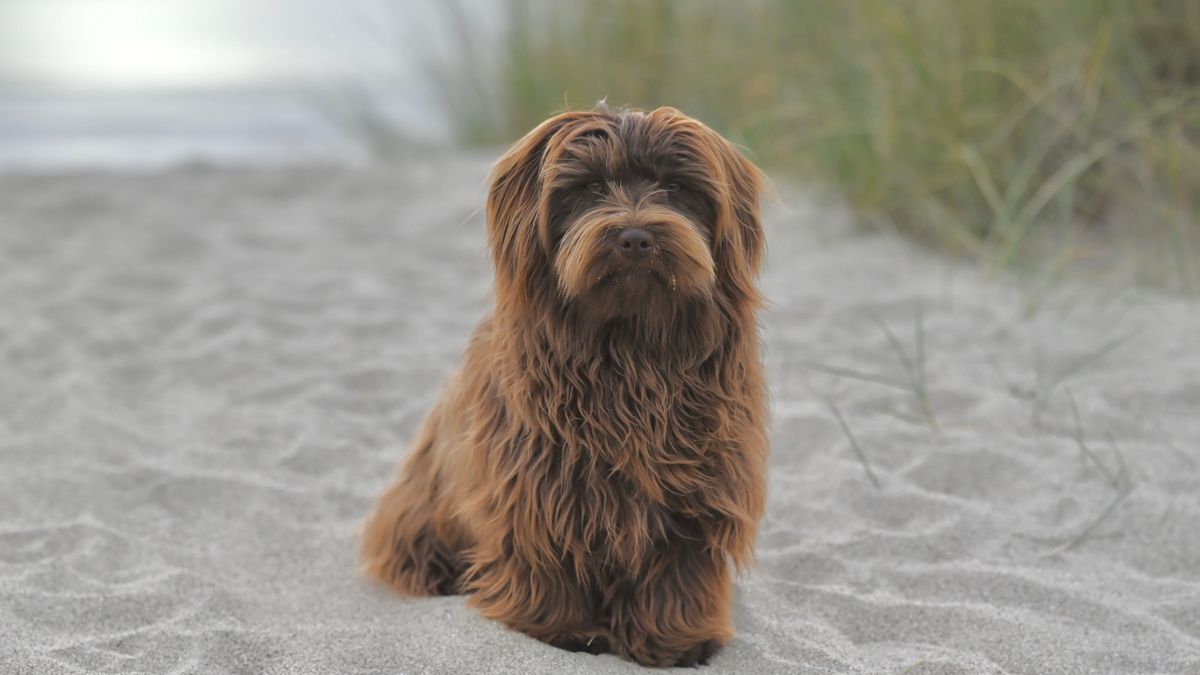
AKC describes the Havanese as carrying a long, soft and silky coat, often straight-to-wavy in pet descriptions, with a distinctive light quality. The breed standard allows brushed or corded presentation.
Long coat requires frequent detangling because loose shed hair can remain trapped in the coat instead of simply falling away. Friction and moisture create the highest mat risk around ears, collar/harness, armpits, legs, belly and tail base.
The practical choice is therefore not “long is correct, short is wrong.” Natural long coat is the breed reference; short pet trims are legitimate management choices for companion dogs whose owners cannot maintain full length.
Havanese Haircuts: Eight Styles Compared
| Style | Length | Maintenance | Main tradeoff |
|---|---|---|---|
| Natural full coat | Long | Very high | Breed-typical look; daily grooming |
| Puppy cut | Short–medium, fairly even | Low–moderate | Easiest popular pet option; style name not standardized |
| Teddy style | Short body, fuller face | Moderate | Round face needs extra combing/cleaning |
| Utility short trim | Short practical body/legs | Lowest brushing load | Loses much of flowing natural silhouette |
| Medium scissor trim | Medium | Moderate–high | Preserves movement/coat feel while shortening friction zones |
| Long + topknot/face framing | Long | High | Needs eye/face maintenance |
| Corded coat | Long cords | Specialized high commitment | Little conventional brushing but intensive cord separation, washing/drying |
| Short summer-style pet trim | Short | Low–moderate | Practical, but not a substitute for heat-safety management |
1. Natural Full Coat
This is the breed-reference presentation: the coat grows long and flows around the body rather than being sculpted into a salon shape. Havanese Club of America judges’ education material emphasizes that conformation coats should look natural and should not be trimmed to create artificial body lines.
For a pet, maintaining this length means daily line-by-line brushing/combing, complete drying after baths and early removal of tiny tangles before they tighten.
2. Puppy Cut
For pet homes, “puppy cut” generally means an all-over short-to-medium trim. AKC explicitly notes that many owners clip the Havanese short to reduce grooming time, and PetMD likewise says a shorter puppy cut can make maintenance more manageable.
There is no breed-standard puppy-cut inch length. Specify the finished body length and face/ear/tail details.
3. Teddy-Style Havanese Trim
A teddy-style trim usually keeps the body manageable while shaping the head and muzzle into a fuller round silhouette. It is salon shorthand, not an official Havanese clip.
The face is where maintenance concentrates: tears, food, drinking and licking keep hair damp. Comb the cheeks, beard and under-eye area rather than assuming the shorter body means the whole dog is easy-care.
4. Utility / Practical Short Trim
This is the lowest-work option for many active pet Havanese. Body, legs and high-friction zones are kept short enough that owners can reach the skin easily with a comb.
It can be especially useful for dogs that hike, swim, wear harnesses daily or repeatedly mat because the household cannot keep a longer coat brushed.
5. Medium Scissor Trim
A medium scissor trim keeps more of the Havanese’s natural soft outline while removing enough length to reduce floor-dragging hair and friction mats.
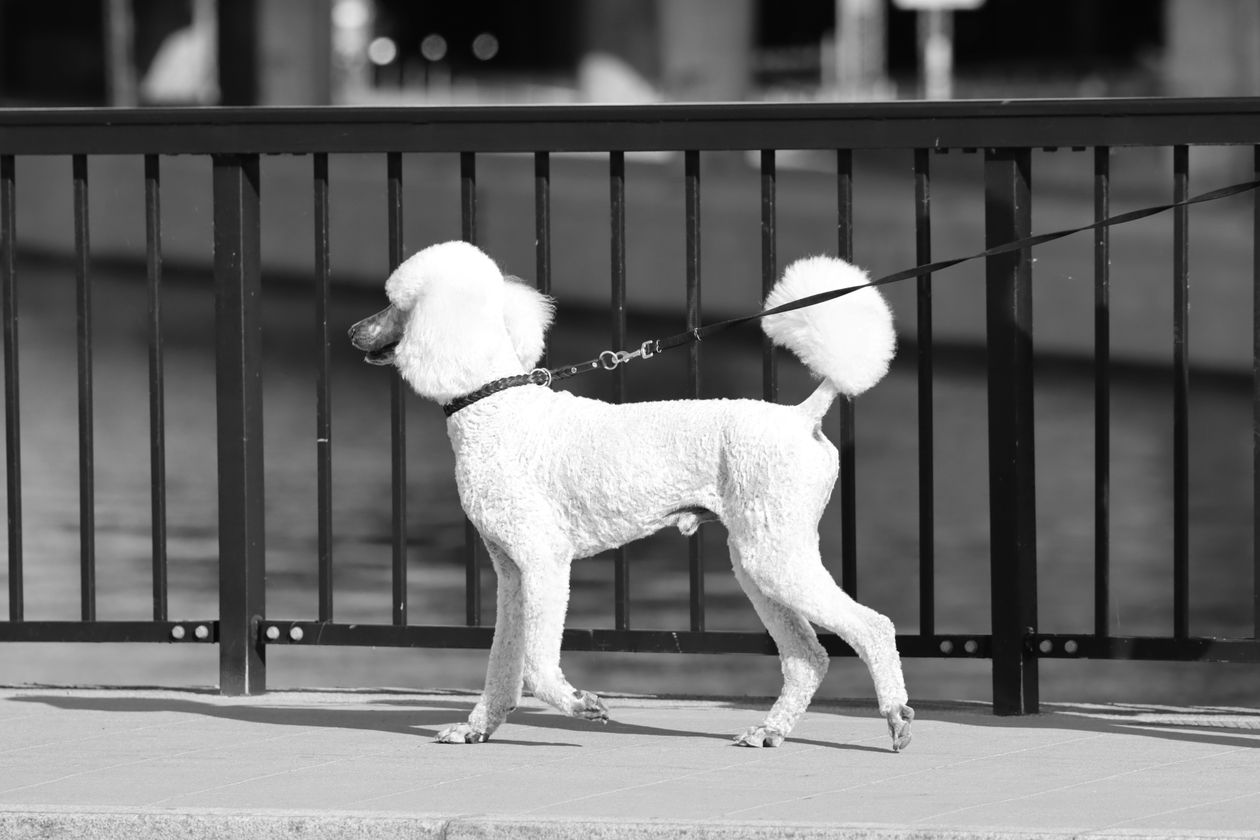
This works well for owners willing to comb several times a week or daily, depending on coat density. Ask the groomer to preserve a natural silhouette rather than turning the dog into a sharply sculpted Poodle-style outline unless that is intentionally what you want.
6. Long Coat With Topknot or Face Framing
Long head hair can be managed away from the eyes with a small topknot/soft ties or kept naturally parted/framed. Havanese Club of America breed presentation permits the head coat to fall naturally and also recognizes limited simple head-hair management in the show context.
For pets, prioritize eye comfort. Hair should not be pulled painfully tight or left damp against the eyes.
7. Corded Havanese: Intentional Coat Architecture, Not Neglected Mats
AKC identifies the Havanese as the smallest recognized cord-capable breed and notes that its long, slightly curly/wavy coat can be deliberately developed into tassel-like cords.
Cording is not “stop brushing and let the dog mat.” During development, the coat is actively separated into clean individual cords. Bathing and especially complete drying take substantial time because moisture can remain inside dense cords.
Choose cording only if you can commit to:
- regular manual cord separation;
- keeping skin accessible for checks;
- cleaning urine/food/debris from cords;
- very thorough drying after bathing;
- working with an experienced corded-coat groomer/breeder.
8. Short Summer-Style Pet Trim
This means a short practical pet haircut—not a standardized “summer cut.” The benefit is coat access and easier drying, not magical temperature regulation.
Short coat does not replace shade, hydration, avoiding hot pavement and exercising during cooler hours.
The Puppy-to-Adult Coat Transition Can Be the Hardest Grooming Phase
Havanese Club of America puppy guidance notes that grooming needs can intensify while the puppy coat changes to the adult coat. Different textures overlap and tangle more easily, so a puppy that was easy to brush can suddenly mat.
During transition:
- increase brushing/comb checks rather than waiting for mats;
- work in small layers to the skin;
- focus behind ears, armpits, legs, belly and harness lines;
- consider a shorter pet trim if the household cannot keep pace.
A short trim during coat transition is a management decision, not a grooming failure.
When Matting Changes the Requested Haircut
A severely matted Havanese may not be able to keep the requested long or medium style safely. Tight mats pull skin, hide irritation and make dematting painful.
Do not cut close mats with scissors at home. A groomer may recommend clipping beneath the mat to protect the dog, then rebuilding coat length from healthy regrowth.
The Havanese Groomer Request Card
- Goal: natural long, medium pet, short pet or corded.
- Body length: give an approximate inch/comb length.
- Face: natural fall, rounded, short muzzle or topknot.
- Ears: natural fringe or shortened.
- Legs: same length as body or fuller.
- Tail: preserve natural plume unless there is a practical reason to shorten.
- Feet/sanitary: tidy preference.
- Home capacity: how often you will realistically comb.
Bring a reference photo with similar coat texture. If you want a long style, ask the groomer to show you the exact combing technique required to keep that length between appointments.
Havanese Coat Maintenance by Length
| Coat length | Brushing/comb expectation | Salon need |
|---|---|---|
| Full natural | Daily is the safest baseline | Bath/dry, feet/sanitary/nails and coat management as needed |
| Medium | Several times weekly to daily | Regular shaping to preserve target length |
| Short puppy/utility | Still regular, but quicker | Recurring clip as coat grows |
| Corded | No conventional brushing; active cord separation | Specialized washing/drying/cord maintenance |
AKC recommends occasional bathing as needed and daily attention to the long coat; eye corners should be kept clean and ears checked for debris. Persistent eye discharge, ear pain, odor or skin inflammation belongs with a veterinarian.
Build a Small-Dog Grooming Cluster Around Coat Architecture
Patify’s related guides help compare grooming by coat—not just by breed name:
- Maltese haircuts are useful for understanding long silky small-dog coat maintenance and topknot/face-fringe tradeoffs.
- Yorkie haircuts add another fine long-coat comparison with practical short pet trims.
- Poodle haircuts explain true clip terminology and provide a second cord-capable breed comparison without treating Havanese like a Poodle.
This creates a grooming cluster based on coat structure → maintenance load → salon brief, while this page remains Havanese-specific.
12 Havanese Haircut and Coat-Care Mistakes
- Assuming the natural long coat is low-maintenance because the breed sheds lightly.
- Waiting until puppy-to-adult transition mats become tight.
- Calling neglected mats “cords.”
- Asking for “puppy cut” without specifying length.
- Keeping a very full teddy face without combing the muzzle.
- Cutting tight mats with scissors.
- Leaving cords damp after bathing.
- Pulling a topknot too tightly.
- Letting ear/eye moisture become a grooming-only issue instead of seeking veterinary care when abnormal.
- Choosing a long style that exceeds the household’s real maintenance time.
- Assuming short hair eliminates brushing.
- Trimming a show dog according to pet-salon fashion without understanding the breed-standard presentation.
Frequently Asked Questions About Havanese Haircuts
Can Havanese dogs be cut short?
Yes. AKC notes many pet owners clip the coat short to reduce grooming time, although the natural untrimmed coat is the breed-standard reference.
What is the easiest Havanese haircut?
A short puppy or utility trim usually reduces daily brushing workload the most.
What is a Havanese puppy cut?
A salon shorthand for a short-to-medium practical pet trim; there is no universal inch length.
Can Havanese have a teddy bear cut?
Yes as a pet trim. It generally keeps a shorter body with a fuller rounded head/muzzle.
Do Havanese need daily brushing?
AKC recommends daily grooming for the long coat to prevent mats and tangles. Shorter trims may reduce the time required but still need regular combing.
Can a Havanese coat be corded?
Yes. Cording is recognized for the breed, but cords must be intentionally separated, kept clean and dried thoroughly.
Are cords the same as mats?
No. Proper cords are deliberately formed and separated; neglected mats pull skin and can trap moisture/debris.
Should I shave my Havanese for summer?
Not automatically. A shorter pet trim can be practical, but heat safety still requires environmental management.
Why is my Havanese suddenly matting more?
Puppy-to-adult coat transition can temporarily increase tangling. Coat length, friction and moisture can also increase matting.
How often should a Havanese go to the groomer?
There is no single interval for every coat. Short clipped pets need recurring appointments to maintain length, while long/corded coats require different professional/home maintenance.
Can I keep the face long?
Yes, if hair stays out of the eyes and can be kept clean/dry. A topknot or natural face framing can help.
What should I tell the groomer?
State body length, face, ears, legs, tail, feet/sanitary preference and how much home combing you can realistically do.
Sources Checked for This Guide
- American Kennel Club — Havanese: natural coat, cording option, daily grooming and pet clipping context.
- AKC — Is the Havanese Right for You?: long silky coat and daily brushing.
- AKC — Corded Dog Breeds: Havanese cording development and maintenance.
- PetMD — Havanese Health & Care: frequent brushing, puppy-cut maintenance and skin/coat care.
- Havanese Club of America / AKC Puppy Guide: puppy-to-adult coat transition and grooming context.
- Pexels — exact Havanese cover image
- Pexels License
Editorial note: the natural untrimmed Havanese coat is distinguished from pet-salon trims, cording is separated from neglected matting, and the page is integrated with verified Patify Maltese, Yorkie and Poodle grooming guides as a coat-architecture cluster. Sources were reviewed October 1, 2026.