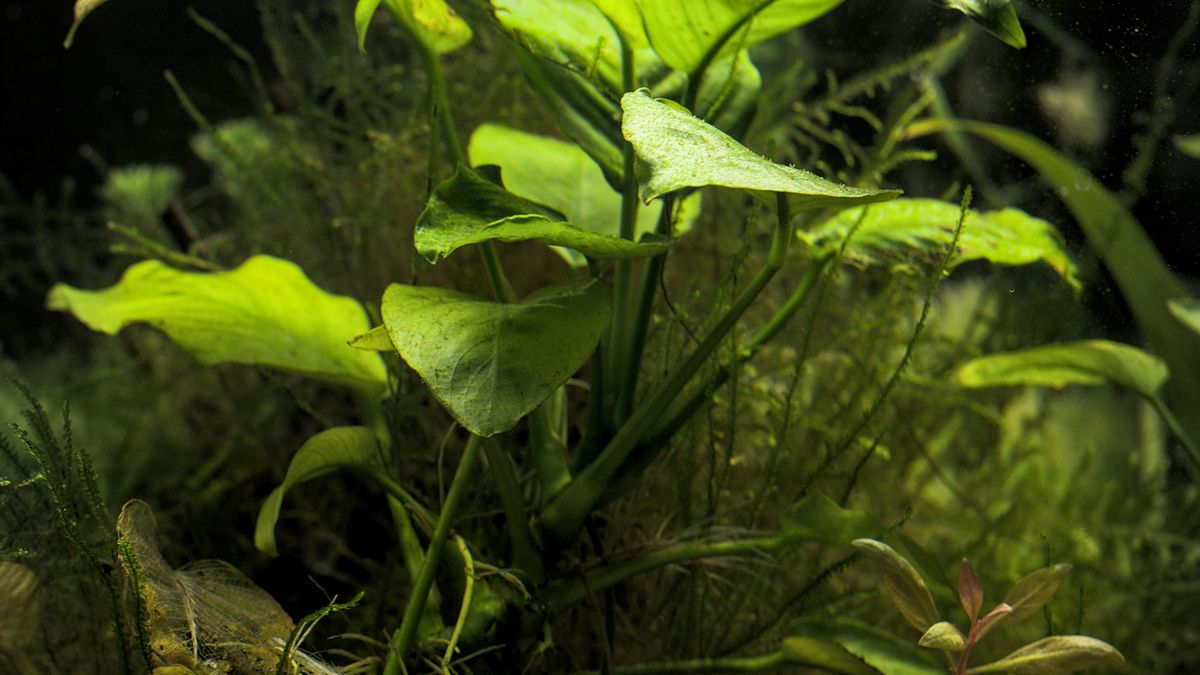
Hornwort Aquarium Plant Care: Floating, Shedding and Trimming
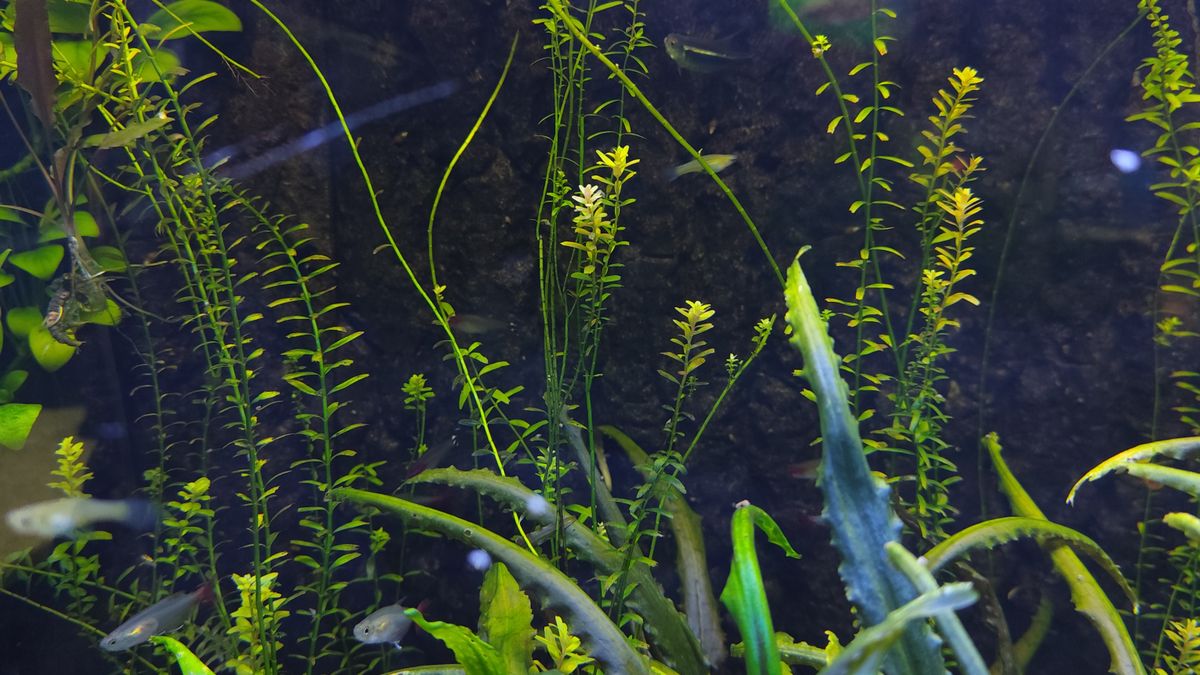
Hornwort can make a newly planted aquarium look full almost overnight, yet the same plant can leave a fine green mess in the filter after a stressful change. The apparent contradiction is part of its appeal and its frustration: it is a fast-growing stem plant that can float freely, use dissolved nutrients from the water and offer cover for fish and shrimp, but it does not behave like a deeply rooted aquarium plant. Choosing hornwort means deciding whether you want floating cover, a loose background display or a temporary nutrient-hungry plant—and then managing light and debris accordingly. This guide explains that decision without claiming Patify has grown or photographed a test aquarium.
The short answer is that hornwort, usually sold as Ceratophyllum demersum, is often easiest to keep floating. Its rootless structure makes burial less reliable than with conventional rooted plants, and a major change in conditions can trigger needle shedding. Provide appropriate light and gentle enough flow, inspect new growth, trim dense mats and remove dropped pieces before they collect around the filter. These are general horticultural principles, not a promise that hornwort will flourish in every tank or make filtration unnecessary.
Identify hornwort before following a care sheet
Common names create confusion in aquarium shops. 'Hornwort' commonly refers to Ceratophyllum demersum, also known as coontail, a freshwater aquatic plant with finely divided, needle-like leaves arranged around stems. It is not the same as the terrestrial plants sometimes called hornworts in broader botany, nor should a photo of any feathery plant be accepted as a species diagnosis. Look for the botanical name on the supplier's label and compare structural descriptions from reliable aquarium references. Aquarium Co-Op provides a detailed hornwort care guide that describes floating growth and the plant's lack of true roots.
Hornwort's feathery foliage can be mistaken for other aquarium plants in low-resolution retail photographs. A seller may show a dense green ball without making clear whether stems are grown emersed, floating or tied to decoration. Ask what botanical species is actually being supplied and whether the stems are live, healthy and legally appropriate for your location. Do not rely on a general stock image as evidence of identification. An exact identification matters when you later research environmental restrictions or try to explain why a plant is shedding.
Floating hornwort versus an anchored display
As a free-floating plant, hornwort can spread near the surface where light is more accessible. The trailing stems form a loose canopy that shades lower areas. This layout can work well in a tank with open water and fish that benefit from shaded retreats. However, it can block light from slow-growing plants below, especially in a small aquarium. If the canopy doubles in thickness over time, prune it rather than assuming 'more greenery' always means a better ecosystem. Watch how fish use the surface and maintain enough clear space for feeding, equipment and normal movement.
Some aquarists weigh or attach stems to create a background stand. That is a display choice rather than proof the plant has developed a conventional root system. Burying soft stem ends deeply in substrate may lead to deterioration. A gentle plant weight or tie that does not cut stems can achieve a temporary upright position, but check frequently for decaying lower sections. Aquarium Co-Op notes that hornwort tends to do particularly well afloat and that attached ends can deteriorate. If you dislike frequent re-anchoring, a genuinely rooted background plant may suit your aquascape better.
Decide where hornwort belongs in the tank
A floating mass belongs in a position where it cannot become trapped in a strong filter intake or completely cover the surface. In a long rectangular aquarium, consider leaving an open strip along the front or one end for viewing, feeding and circulation. In a tall tank, trailing stems may create an attractive vertical transition; in a small cube they can overwhelm the entire layout. Think in terms of usable swimming space and light distribution, not only how quickly the plant fills an empty corner. Some fish appreciate cover, but an overly dense canopy can conceal uneaten food and make observation more difficult.
If other plants are already established, consider their needs. Anubias and Java fern often tolerate relatively low light, but they still need conditions appropriate for healthy growth. A high-demand carpeting species may deteriorate beneath a heavy floating mat. Plan a regular window for trimming and adjust plant position as the aquarium matures. An inexpensive hornwort bunch that requires constant maintenance is not automatically a bargain for someone who wants a carefully controlled aquascape.
Light: use plant response, not a fixed slogan
Hornwort is often described as tolerant of a range of lighting setups. This does not mean an aquarium can keep it healthy in complete darkness or that every bright fixture is appropriate. Look at the length and colour of new growth, whether older lower sections thin out, and whether algae accumulate where light is strongest. Floating stems can receive far more light than the same stems anchored deep in the tank. If shedding begins after moving hornwort from one position to another, compare the light exposure and water conditions before buying a stronger lamp.
Use a consistent photoperiod suited to the aquarium's overall livestock and plant needs. Sudden increases can destabilise an otherwise balanced system and encourage algae. If you change lighting, alter one factor at a time and record the date. A schedule that works for a heavily planted high-tech tank may not suit a small aquarium with a few easy plants. Without a measured light test, Patify cannot assign a guaranteed wattage or daily duration for an unseen tank; the more defensible advice is to observe and adjust rather than treat one internet number as universal.
Water conditions: tolerance has limits
Aquarium Co-Op describes hornwort as able to survive a broad temperature range and notes that it is found in many freshwater environments. Broad tolerance does not mean abrupt changes are harmless. A stem moved from a cool holding tank to very warm water, or from different mineral conditions, may drop needles while adjusting. Monitor water temperature and basic water quality appropriate to the fish and invertebrates in the aquarium. It is unwise to change temperature, hardness or pH simply to chase a plant-care chart if doing so would stress the animals already living there.
Pay attention to ammonia and nitrite management, normal maintenance and filter function. Hornwort can take up nutrients during growth but cannot replace a properly cycled biological filter or responsible feeding. Plants are not a safety certificate for newly stocked tanks. If test results are abnormal, investigate the aquarium's husbandry and stocking rather than trusting rapid plant growth to fix everything. Describe your equipment and observed values when seeking advice; vague claims that hornwort 'purifies all water' overstate what any one plant can do.
Nutrients: when vigorous growth becomes a balancing act
Fast-growing stems draw dissolved nutrients from their surrounding water. That can be useful in an aquarium with abundant nutrients, but plant uptake is neither selective nor infinitely fast. Hornwort's growth may slow or become pale when conditions cease to support it, and other plants may struggle if competing for a limited resource pool. Do not assume every pale tip demands fertiliser immediately. Check water quality, lighting, any recent medication, actual plant mass and the needs of fish or shrimp first. If a fertiliser is considered, use the manufacturer's aquarium-safe instructions and recognise that plants respond differently.
Root tablets intended for substrate-feeding species are unlikely to address the needs of freely floating hornwort in the way a suitable water-column fertiliser might. Conversely, adding more liquid fertiliser without observation may help algae rather than plants. A simple plant log can keep you from making three corrections at once. Record leaf colour, new tip growth, water measurements and what you changed. If you are new to fertilisers, seek advice specific to your tank inhabitants; the presence of sensitive invertebrates may alter product suitability.
Why hornwort sheds needles after introduction
Needle shedding is one of the most common frustrations for new owners. Aquarium Co-Op explains that environmental changes, strong currents, inadequate light, nutrient issues and certain chemical treatments can contribute. Sometimes a recently purchased bunch is adjusting from different holding conditions. That does not automatically mean the plant is dead; fresh tips can recover under suitable care. On the other hand, a stem that is progressively soft, dark and collapsing throughout should not be kept indefinitely on the assumption that it will recover. Observe new growth rather than relying entirely on the appearance of older material.
A sensible first response is practical: remove accumulated debris, keep the filter intake clear and investigate what changed just before shedding began. Was the plant placed under a much weaker light? Did water temperature change rapidly? Was a treatment added? Is the flow whipping stems against an intake? Avoid dosing random products or performing large water changes solely because of a few needles unless water tests indicate a genuine water-quality problem. The goal is to correct the likely cause without adding more stress to livestock and plants.
| What you observe | Possible explanation to investigate | First reasonable step |
|---|---|---|
| A few needles after unpacking | Adjustment or shipping damage | Remove debris and monitor fresh tips |
| Heavy shedding near filter | Strong suction or movement | Shift plant or protect intake appropriately |
| Pale new growth | Light or nutrient mismatch | Check conditions and recent changes |
| Dark, mushy stem sections | Deterioration or rot | Remove failing material and review environment |
| Dense surface mat | Rapid growth outpacing space | Thin and redistribute, keep circulation open |
How to clean up fallen needles without disturbing fish
A thin layer of shed needles may look insignificant but can collect in filter guards, substrate corners and around delicate decorations. Use an appropriately sized siphon or fine net during ordinary maintenance and pay attention to shrimp and small fry that may be hiding nearby. Check whether the intake is becoming restricted. Do not rip apart the whole aquascape to retrieve every fragment in one session; repeated major disturbance can create more problems than the initial shed. Instead, work through the most affected areas and monitor whether the amount of new debris decreases.
If a bunch repeatedly sheds after each handling, minimise unnecessary rearrangement. Hornwort stems can be more fragile than their lush appearance suggests, and pinching them harshly with tools may add damage. Trim cleanly, dispose of removed material securely and wash hands after aquarium maintenance. A plant that continually fouls an intake may simply be poorly matched to the layout. Choosing another species is a valid husbandry decision, not evidence that the aquarium keeper has failed.
Propagation: simple cuttings, but careful disposal
Hornwort is often propagated by separating healthy stem portions and allowing them to continue growing. There is no need to promise exact doubling times: growth varies with conditions. Select material that appears healthy, inspect for attached pests or debris and avoid transferring water or plant fragments into another aquarium without appropriate care. A new fragment can become substantial greenery, which is useful for sharing within a managed hobby setting but also means unwanted cuttings should never be released into natural waters.
Canadian aquatic invasive species guidance emphasises keeping aquarium organisms out of natural ecosystems. Federal sources explicitly caution that unwanted aquatic pets and plants must not be released into ponds, rivers, streams, lakes or sewers. Read the Fisheries and Oceans Canada 2026 prevention notice. Check local disposal instructions; when in doubt, secure plant waste for the appropriate household waste stream instead of dumping aquarium water and live fragments into a storm drain or nearby creek. The rule of thumb is simple: if it came from a tank, it stays out of nature.
Can hornwort reduce algae or nitrate levels?
A growing plant takes up nutrients, and a dense mass can shade part of an aquarium. Those effects may influence algae, but they are not a substitute for balancing light, feeding, stocking and maintenance. Hornwort is not a tested treatment for high nitrate in your particular system. If test results are elevated, verify your test method, fish health, filtration and water-change routine. Removing a large amount of hornwort can also remove an existing nutrient sink, which may change the system's balance. A stable aquarium is not one with a single miraculous plant; it is the outcome of several practices working together.
A common marketing shortcut is to say that hornwort 'adds oxygen 24 hours a day.' Like other photosynthesising plants, it can release oxygen in the light while also respiring. Oxygen dynamics depend on lighting, temperature, agitation and the whole community of organisms. Do not reduce aeration or filter performance based on a plant label. Watch fish behaviour and maintain equipment suitable for the aquarium. If fish are struggling at the surface, treat that as an urgent husbandry concern requiring assessment, not an invitation to buy another bunch of hornwort.
Hornwort with shrimp, fry and different fish
The fine structure can offer sheltered spaces for tiny fish and invertebrates. That can make hornwort attractive in breeding or community systems, although the actual outcome depends on the species and behaviour of the animals. A dense plant does not guarantee that fry will survive predation, nor does it make incompatible fish suddenly peaceful. Inspect the mass periodically for debris, uneaten food and trapped equipment. Maintain open access for feeding and routine observation. If the species kept in your aquarium nibble or rearrange plants, hornwort may move into filters or float where you did not intend.
Do not equate 'shrimp-safe plant' with 'free of every treatment residue.' Newly purchased plants can carry pesticides, snails or other hitchhikers depending on the production system. Ask the supplier about livestock compatibility and handling practices and follow a suitable introduction protocol. Avoid adding unfamiliar chemical dips to a tank with animals, and do not promise that any generic rinse removes all hazards. For sensitive shrimp or a valuable breeding setup, source quality and careful acclimation matter as much as which plant species you choose.
How to introduce a purchased bunch into an established aquarium
Begin by checking the seller's botanical identification and condition. Reject material with extensive collapse, objectionable odour or obvious contamination. Follow the supplier's instructions for any wrapping or weights and avoid transferring shop water unnecessarily into the main tank. Inspect stems and rinse only in a manner appropriate to the plant and the aquarium's biosecurity needs. Quarantine or observation procedures may be worth considering where pests are a concern. There is no universal chemical treatment that is both effective and harmless to all aquatic plants and animals.
Add a manageable quantity instead of filling the entire surface at once. Observe circulation, filter access and how much light reaches existing plants. Record the date and whether the stems are floating or anchored. Over the next several days, look for new tip growth alongside any debris. That makes it easier to distinguish a temporary acclimation problem from a continuing mismatch. If you bought hornwort from an unfamiliar marketplace listing, consider whether the vendor gives a usable botanical name and care information before placing a repeat order.
Winter shipping in Canada: the neglected decision
Ordering live aquatic plants in a Canadian winter adds a problem that a generic care chart may not address: exposure during delivery. A parcel left in a freezing vehicle or outdoor mailbox can contain damaged stems even if the seller packed them well. Likewise, prolonged summer heat can be harmful. Review the vendor's weather shipping policy, dispatch days, packaging, live-arrival conditions and pickup arrangements. Choose a period when someone can receive the parcel and examine it promptly. Do not assert that a particular package will survive a specific number of cold hours without a seller's conditions and actual temperature data.
Buying locally may allow you to inspect stems and ask how they have been kept. A local seller may still supply poor material, and an online specialist may ship successfully with appropriate handling, so the choice is not an absolute hierarchy. Consider total cost including delivery, replacement policy and availability rather than comparing only a single listed stem price. This guide does not invent a CAD average or present unverified store stock. Check live retailer information before purchase.
The low-tech aquarium maintenance routine
Hornwort can suit a low-tech system, but 'low tech' does not mean 'no maintenance.' Once a week, inspect the distribution of floating mass, trim where necessary, remove dead sections and clear the filter intake. Check that water movement remains appropriate for the animals and that other plants still receive adequate light. During regular water changes, collect loose fragments. If you are fertilising, make observations before increasing amounts. The routine can be brief when growth is moderate and more demanding when the plant is thriving vigorously. Choose an aquarium layout you can realistically maintain.
| Check | What to look for | Practical action |
|---|---|---|
| Every feeding | Blocked surface or trapped food | Clear access as needed |
| Weekly | New tips, pale patches and shed needles | Record change and remove debris |
| Weekly | Filter intake and water movement | Clear obstruction safely |
| During water change | Floating mass and discarded cuttings | Trim and contain waste |
| After major change | Temperature, light and plant response | Alter one factor at a time |
Hornwort compared with Java fern and water wisteria
These plants solve different layout problems. Java fern is typically attached to wood or rock, with its rhizome kept above substrate, and often grows more deliberately. Water wisteria is a rooted or floating stem plant with variable submerged leaf shape and may require active trimming. Hornwort is normally rootless and commonly used floating, creating a fast-changing canopy. They can coexist, but they are not substitutes simply because all three appear on beginner-plant lists. Think about whether you need a stable visual anchor, a conventional rooted background or rapid floating cover.
A hobbyist who dislikes shed needles may favour Java fern or a different easy plant. Someone who wants to fill upper water quickly may prefer hornwort but must commit to regular control of surface coverage. Water wisteria offers a different texture and rooting habit. No universal ranking makes one 'the best'; species choice should follow tank dimensions, livestock and maintenance capacity. This is also why a carpet-plant guide addresses yet another intent: foreground coverage under appropriate lighting is not the same as a hornwort canopy.
Troubleshooting an apparently dying bunch
Before declaring hornwort dead, distinguish three scenarios. In the first, old stems drop some needles while fresh tips stay bright and firm: watch the plant after cleaning debris and reviewing recent changes. In the second, the filter has collected a large mass of needles: move the plant away from suction and consider gentler circulation while monitoring animal needs. In the third, most stems have become dark and mushy: remove deteriorating material and check water conditions before buying more. Do not solve every symptom with increased fertiliser, a new light and a major temperature change on the same day. That makes the cause impossible to interpret.
Photograph the same stem area at intervals if you want a useful personal record. Record location, water measurements and maintenance events. These photos are your own prospective monitoring aid, not a dataset Patify claims to have collected. If you share photos online for help, include the botanical label and relevant tank parameters rather than presenting a heavily edited macro image as clinical evidence. Conditions that suit fish come first when considering any plant adjustment.
Frequently asked questions about hornwort
Does hornwort need substrate or roots?
Hornwort does not develop conventional true roots in the way many aquarium background plants do. It commonly grows floating. Some aquarists weigh or attach stems for display, but buried ends can deteriorate and the plant may break loose. Choose the arrangement you can maintain rather than treating anchoring as a biological requirement. Regular observation matters more than a perfect-looking initial planting photo.
Is hornwort safe for small shrimp and baby fish?
The foliage can provide shelter, but safety also depends on the rest of the tank, plant sourcing, chemical residues and animal compatibility. No plant can guarantee survival of fry or eliminate predation. Introduce purchased stems carefully, maintain access and observe how animals behave. Do not assume that a plant sold as suitable for shrimp is free from every possible treatment residue.
Why did hornwort turn brown after delivery?
Possible causes include shipping exposure, abrupt water-condition differences, poor light, decay or damage. Remove dead pieces, check water quality and inspect healthy growing tips before deciding whether to keep the remaining stems. In cold Canadian weather, delayed parcels may have been exposed to harmful temperatures. A photo and supplier shipping policy can help evaluate a potential claim, but the exact cause cannot be diagnosed remotely from colour alone.
Should I dump unwanted hornwort into my pond or ditch?
No. Never release aquarium plants, animals or tank contents into natural waterways. Canadian federal guidance specifically advises against releasing unwanted aquatic organisms and plant material into ponds, lakes, streams, sewers and other waters. Dispose of cuttings through the appropriate local waste system and check provincial restrictions for the species in question. Even a familiar-looking plant can create ecological problems outside controlled cultivation.
Sources, identification and editorial method
Reviewed for Patify Canada on 13 October 2026. Primary references: Aquarium Co-Op — Hornwort Care; Canadian Food Inspection Agency — Aquatic animal biosecurity; Fisheries and Oceans Canada — Aquatic invasive species prevention, February 2026; and Environment and Climate Change Canada — How alien species get into Canada. Stock photographs used in this article are illustrative aquarium scenes rather than species-identification evidence. No aquarium, plant growth or water chemistry experiment was conducted by Patify; specific local trade rules and shipping availability require verification at purchase.