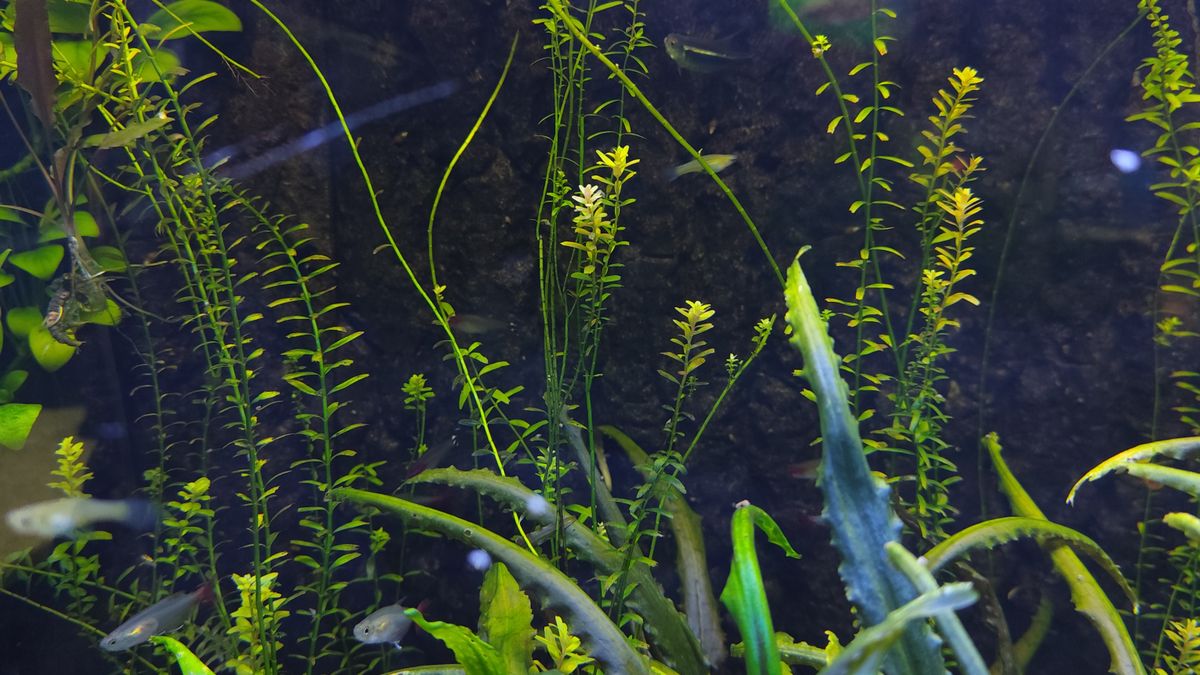
Java Fern Aquarium Plant Care: Attachment, Black Spots and Propagation
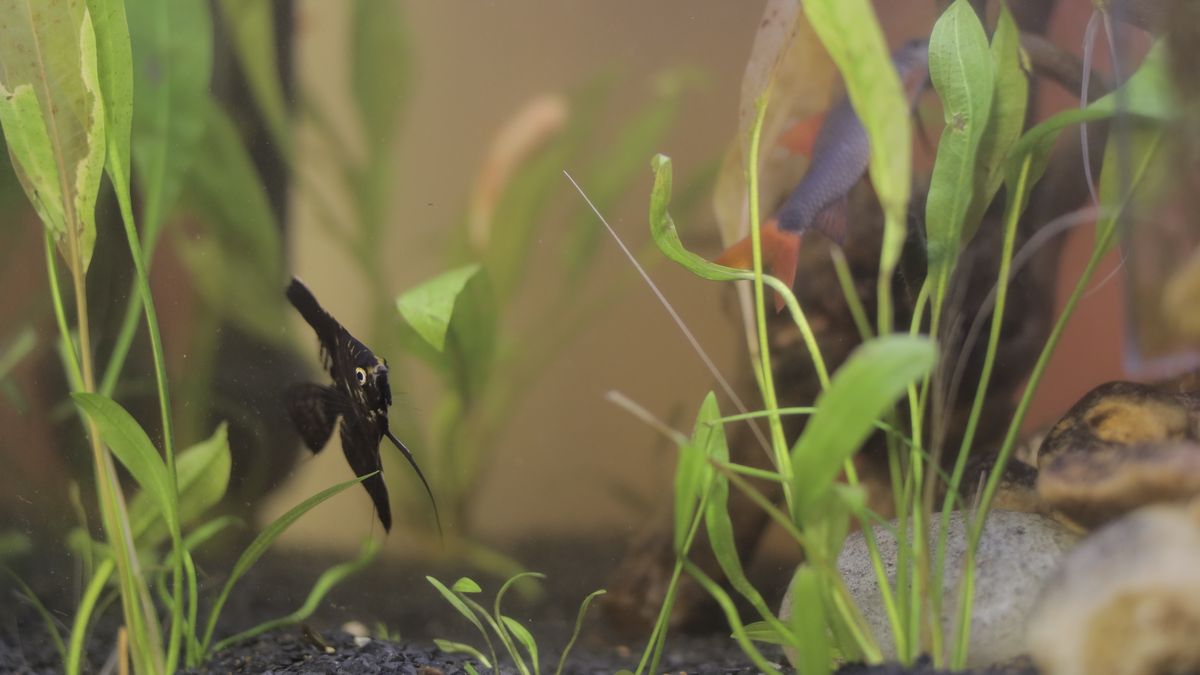
Java fern has an unusual talent: it makes a planted aquarium look established without demanding a bed of aquasoil. It can sit on a piece of driftwood, soften the side of a rock, or grow behind a cave where many stem plants would struggle. The trick is understanding which part of the fern should touch the decoration and which part must stay exposed. Bury the thick horizontal rhizome as though it were a rooted stem and the supposedly easy plant may slowly decline. For most aquariums, attach Java fern to rock or wood, leave its rhizome uncovered, and provide steady low-to-moderate light. You can then judge its health by the rhizome and new growth rather than the appearance of one old leaf.
This guide is for someone setting up or improving a freshwater tank in Canada. It does not assume a CO₂ system or a particular brand of fertilizer. Where a choice depends on your livestock, water conditions, or plant variant, the aim is to help you decide rather than make one universal promise. Photographs used here are illustrative aquarium scenes, not documented photographs of a Java fern trial conducted by Patify.
Recognize the plant before you decide where to put it
Java fern is commonly sold as Microsorum pteropus, sometimes under updated botanical naming in retail catalogues. It is a rhizomatous fern rather than a stem plant rooted along a buried stalk. Look for a firm, creeping, usually green-to-brown horizontal structure. Leaves emerge from one side and wiry roots from the other. A grower may deliver several connected sections in one pot or a clump already attached to driftwood. Neither format means that the horizontal rhizome should be covered by gravel. Tropica describes this plant as slow-growing, tolerant of lower light and suitable for hardscape attachment.
The key distinction is between roots and rhizome. Roots can reach cracks or rest against substrate and help anchor the plant. The rhizome is the growing body from which new leaves originate. If you tie the entire body under a tight wrap or bury it in sand, you may trap decaying material against it. You can still build a natural-looking scene: place the rhizome just above the substrate line, then conceal the attachment point with an adjacent stone without crushing it. View the installation from above and from the front before filling the tank.
A care profile that is useful, not falsely precise
| Care decision | Practical approach | Reason |
|---|---|---|
| Placement | Tie or safely attach to rock/wood; expose the rhizome | Buried rhizomes may rot |
| Light | Low to moderate, adjusted for whole-tank conditions | Slow leaves do not need extreme exposure |
| CO₂ | Typically not required for basic care | An optional high-tech system is not a prerequisite |
| Black spots | Inspect whether dots are mature leaf sporangia | Some structures are normal reproduction |
| Propagation | Divide robust rhizomes or establish leaf plantlets | Weak fragments may not establish |
A single temperature or pH number taken from a retail label cannot guarantee success. Java fern is used across a range of established freshwater community tanks. More important for a normal hobbyist setup is whether water conditions remain appropriate for the fish and invertebrates and whether sudden swings are avoided. A plant that has spent weeks adapting to a stable aquarium may suffer when several things change together: lighting schedule, fertilizer, water chemistry and placement. Make changes deliberately and leave time to assess them.
Treat the familiar label “low light” as permission to choose a sheltered spot, not as permission to leave the aquarium unlit. Tropica lists low light and low added CO₂ demand for ordinary Microsorum pteropus. A plant shaded constantly by floating vegetation might receive too little useful light to replace old leaves. Conversely, putting a slow grower directly beneath a powerful lamp can make algae accumulation more noticeable. Plant care is the art of matching exposure to growth speed, not winning a contest for the brightest light.
Java fern varieties: buy the leaf shape you actually want
Labels such as narrow-leaf, trident, Windeløv and standard Java fern can describe visibly different forms. Some have long simple blades; others have forked tips or finer-looking growth. Retail naming is not always perfectly standardized, so examine the actual photograph of the product and the botanical information supplied by the grower. A compact variety may suit a small aquarium, while a larger plain-leaf form is useful behind driftwood. A plant sold as “mini” is not automatically small forever in every setting.
Choose according to the scene. For a narrow hardscape gap, look for leaf form and mature spread rather than counting stems in a sales photograph. For a tank with strong movement near the filter output, avoid trapping a delicate mass directly against the intake. For a shrimp aquarium, consider how the leaves create resting surfaces while still allowing you to clean beneath them. If you want a smooth carpet, Java fern is the wrong tool: its upright growth and exposed rhizome create a different visual job from rooted foreground plants.
Three ways to attach it without burying the rhizome
The simplest option is a small crevice in driftwood or stone. Rest the rhizome against the surface so the roots can extend into an opening, and check that current cannot dislodge it. A second option is soft thread or fishing line used loosely enough to secure the rhizome without cutting into it. Remove temporary binding once the plant holds itself if that can be done without tearing roots. A third option, described in aquarium guides, is a small amount of aquarium-appropriate cyanoacrylate gel used on a contact point away from the growing tip. Follow the adhesive manufacturer's instructions; excessive glue covering the rhizome is not a shortcut to better attachment.
Whichever approach you use, test the placement before it becomes a permanent part of the display. Can a siphon pass around it? Will falling debris collect behind it? Does the plant obscure a fish's usual route to a shelter? A good location helps both plant and keeper. Photograph the position as a baseline if you wish, noting that your own image is evidence of your aquarium, not a Patify experiment. If you must temporarily lift the piece, keep the plant moist and return it promptly to suitable aquarium water.
The planting mistake that causes the most unnecessary trouble
A common scenario starts with good intentions: someone buys a beautiful potted fern, removes its plastic basket, pushes the entire clump into substrate and waits for it to root. The lower part stays hidden, and when leaves deteriorate weeks later the keeper adds more fertilizer. That misses the first question: was the rhizome buried? According to Tropica, a covered rhizome can rot. Aquarium Co-Op likewise advises exposing it before attempting to correct suspected nutrient problems.
Examine the plant gently. If the main rhizome is firm and sections are green, the plant may recover even when an old leaf looks unattractive. If the tissue is soft, disintegrating or foul, move promptly to inspect the affected segment and remove genuinely decayed material with clean tools. Do not promise that every damaged piece is recoverable. If the plant is already in a mature aquarium, avoid uprooting neighbouring plants unnecessarily while correcting this one. A minor adjustment to an attachment is often more sensible than stripping the aquascape back to bare glass.
Light: choose a location, then manage the whole tank
It is tempting to treat a lamp's percentage setting as an objective light measurement, but the same percentage can mean very different exposure on different fixtures, tank depths and plant positions. Start with a reasonable schedule for your complete aquarium and observe the slow leaves over several weeks. If the plant is becoming covered in algae while other plants are growing vigorously, the issue may include exposure, nutrients, maintenance or total plant mass. Simply doubling the fertilizer or reducing the photoperiod at random leaves you unable to tell what worked.
Java fern can be very effective beneath taller driftwood branches, especially where its leaves receive indirect illumination. Avoid a spot so dark that newly produced leaves become sparse and weak. Do not chase a fixed leaf-per-week target; slow growth is normal. If you are comparing two positions, observe the same plant's rhizome firmness, new leaf production and surface algae before moving it. This is a small, realistic observation method rather than a claim to have performed a controlled trial.
CO₂ and nutrients: separate the essentials from upgrades
Pressurized CO₂ is not a normal prerequisite for keeping Java fern. A basic community aquarium with suitable light, stable water and nutrition can support it. A heavily planted CO₂ aquascape may still use Java fern successfully, but its slow leaves should not be expected to grow at the same pace as fast stem plants. If you already use CO₂, livestock welfare and stable gas management come before attempting to make one fern faster. The plant is not a reason to improvise an injection rate.
Because the rhizome often grows on wood or stone, Java fern can take up nutrients from the water column. A root tablet buried far below an attached fern is therefore not a direct solution to every pale leaf. Aquarium Co-Op discusses nutrient deficiencies, including possible potassium-related pinholes, but those visible symptoms are not a unique laboratory diagnosis. Review the aquarium's overall feeding, stocking, plant biomass and fertilizer instructions before treating a leaf photograph as proof of a missing element. Never assign one universal dose to products with different concentrations.
Old black spots, tiny plants and damage: learn the difference
Black or brown dots on the underside of mature Java fern leaves can be reproductive structures called sporangia; Tropica expressly warns that they are often mistaken for disease. That does not mean every black patch is harmless. Check location, texture and surrounding tissue. Neat structures on an otherwise intact leaf are different from a spreading, mushy area where leaf material breaks apart. If the whole rhizome is healthy and new leaves appear, one marked old leaf is not necessarily a crisis.
The fern may also produce small plantlets on mature leaves. These can develop their own miniature leaves and roots, eventually becoming potential new plants. A beginner may mistake them for insects or an infection. Give them time to form recognizable growth rather than scraping them away immediately. An illustrated supplier guide is useful for comparing reproductive structures with damage, but the exact cause of a leaf problem cannot always be determined from an internet photograph alone.
Yellowing leaves: investigate in a sensible order
First, ask whether the problem affects only the oldest leaves or new growth too. Second, confirm that the rhizome is exposed and solid. Third, look for abrasion from a nearby filter, fish that rasp leaves, or debris trapped against the plant. Fourth, review recent changes in light, fertilizer and water maintenance. Then compare the pattern with trustworthy plant-care references. This order reduces the temptation to purchase a supplement for a problem caused by placement or ordinary leaf ageing.
Leaves may change after shipping or transfer between tanks. Some are lost while the plant establishes itself. Remove tissue that is clearly decomposing, but avoid cutting every cosmetically imperfect leaf when it can still contribute to the plant's energy balance. If other aquarium inhabitants are distressed, stop treating this as an isolated gardening question and address water quality and animal needs immediately. A healthy planted tank is an ecosystem, not a decorative shelf.
Why pinholes and ragged margins are not a one-word diagnosis
Pinholes are often described online as a potassium problem, but a physical hole is a result, not a complete explanation. Nutrient availability, old tissue, grazing, abrasion and a changing environment can overlap. Aquarium Co-Op identifies nutrient shortage as one possible cause and recommends first checking whether the rhizome has been buried. That sequence matters. Without knowing what has happened in your aquarium, an attractive “deficiency chart” can encourage excessive dosing and create further instability.
Record the appearance of emerging leaves over time, not just damage on old ones. If the newest leaves are intact after a measured correction, that is more informative than waiting for already damaged tissue to repair itself. Keep notes on fertilizer product, frequency, water-change schedule and unusual tank events. You need not create a scientific paper; a short log prevents repeating the same experiment in a different bottle. Persistent decline warrants a deeper whole-tank review.
Propagate by rhizome division only when the plant is ready
A mature fern may be divided by separating healthy rhizome sections with suitable growing points and roots or leaves. The critical word is healthy. Dividing a weak, newly purchased specimen into many fragments to fill every gap can leave each piece with too few resources to establish. Use clean tools, inspect the rhizome first, and choose an attachment site for each new section before cutting. Do not bury the new portions to “help” them root; the same rhizome rule applies.
Plantlets on leaves provide a different opportunity. When they are developed enough to handle without damage, they may be separated or allowed to detach and secured to suitable décor. A plantlet still forming its first roots is not an instant full-size fern. Place it where you can monitor it and where maintenance cannot accidentally siphon it away. If your goal is to cover a large area rapidly, a faster-growing stem or carpeting plant may be a better choice than repeatedly subdividing a slow fern.
Build a natural layout rather than a row of glued plants
In an aquarium with driftwood, place a modest group of Java fern behind a branch junction. Let a few leaves extend into open water, but keep a sightline to the hardscape itself. The rhizome should be secure while still visible to the keeper on inspection. In a rock-heavy layout, use small crevices between inert aquarium-safe stones and allow roots to find their own way along surfaces. The plant can make an effective transition between low foreground carpeting plants and tall background stems.
Consider cleaning access at the design stage. A fern positioned directly above a dead zone can trap uneaten food and detritus, which makes maintenance harder and may invite algae. Move the hardscape or adjust flow if needed without creating a current that exhausts your fish. Contrast also matters: broad fern leaves look especially attractive next to fine-textured moss or small-leaved plants, provided those companion species have compatible care requirements. This is a design choice, not a claim that Java fern itself performs a special filtration function.
What to check when buying Java fern in Canada
Look for the scientific name, form of sale, approximate plant size and whether it is grown in a pot, tissue culture or already attached to wood. A photographed large display specimen is not a promise that the delivered pot will have the same mass. Verify whether the retailer ships live plants in your season and region. A winter shipment through an unheated route may need different handling from a pickup at a nearby specialist shop. Do not assume a blanket temperature guarantee; read the seller's actual policy and weather procedures.
Inspect leaves for obvious damage and, more importantly, the rhizome for firmness. Ask whether the seller lists a cultivar and whether the photograph is of the actual plant or a representative example. Keep delivery packaging information until the plant is assessed. Canada-wide pricing is too variable for a timeless dollar ranking without checking real current listings, sizes and freight fees. For a comparison sheet, record the seller, province, verified variant, number of rhizome sections, shipping cost and observation date.
A practical first-month observation sheet
On day one, note the plant's attachment method, location, visible healthy leaves and rhizome condition. In the following week, check whether it remains secured and whether debris builds up around the base. During later weekly maintenance, compare new leaves, any leaf spots and the degree of algae on the same surfaces. Photograph from the same angle if helpful. Consistency is more useful than frequent relocation. If you make a major change to lighting or fertilizer, record the date so you do not confuse the cause of later changes.
Do not score success by how many centimetres the fern adds in seven days. Its natural pace is comparatively slow. Use checkpoints such as “rhizome firm,” “one visible new unfurling leaf,” and “no significant new tissue breakdown.” If no improvement is seen after a reasonable period, revisit light, water and overall nutrient conditions. This worksheet is a practical tool for observation, not an outcome prediction or a record of a Patify aquarium test.
Fish, shrimp, snails and the reality of shared space
Java fern creates surfaces and shelter, but it cannot be chosen independently of your aquarium's animal inhabitants. Some fish excavate sand, others graze surfaces or stir debris around heavy roots. Attaching a fern rather than burying it can make it less vulnerable to uprooting. Yet a very loose plant may float into an intake, and a dense mass may block access behind a cave. Secure the plant and keep equipment openings clear.
Shrimp keepers often value intricate surfaces where biofilm can develop, but a new plant could arrive with hitchhikers or residues. Follow evidence-based quarantine or preparation appropriate for your livestock rather than introducing a fresh shipment without inspecting it. A manufacturer's claim that one propagation method is cleaner does not remove the need for common-sense checks. If fish or invertebrates behave abnormally after any tank alteration, investigate water and animal conditions rather than assuming the plant is harmless simply because it is sold widely.
Canadian environmental rules: keep aquarium plants out of waterways
Fisheries and Oceans Canada tells aquarium keepers not to release aquatic plants, animals or contaminated water into natural waters or storm drains. The agency's “Don't Let It Loose” advice is directly relevant even when the plant looks harmless and is common in shops. Aquatic plants or fragments can spread to habitats where they do not belong, and legal restrictions can vary by species and area. Do not infer from a product's presence in a store that every form of transport or disposal is permitted everywhere in Canada.
Keep trimmings contained. Ask your local waste service how plant material should be discarded, and do not compost or dispose of potentially viable aquatic cuttings in a way that might carry them to a watercourse. Never dump a tank into a pond while “cleaning it out.” Before transporting plants across provincial boundaries or importing them, check the actual current rules and the seller's compliance information. Canadian federal invasive-species rules and provincial restrictions are not interchangeable.
Questions that matter when care advice conflicts
Can Java fern grow in gravel? Roots may reach into gravel, but leave the rhizome exposed. This distinction is more helpful than an absolute “never touch substrate” rule. Why are there black dots on the leaf? Mature leaves may bear reproductive structures, though widespread breakdown deserves inspection. Does it need injected CO₂? Not normally in a simple low-tech setup. How often do I fertilize it? Follow the actual product and whole-aquarium requirements; no single amount is correct for every tank.
Should I remove an ugly old leaf? Remove decaying tissue, but do not automatically strip sound leaves just because of cosmetic marks. Can I attach it to driftwood with thread? Yes, if the binding is secure but not constricting the rhizome. Will it make a carpet? No; consider dedicated carpeting plants for that goal. How long until it grips a rock? There is no reliable single timetable for every plant and tank. Firm attachment and healthy new growth matter more than a promised deadline.
Editorial notes and sources
This is a source-based planting and care guide, not an independent plant trial or a product review. Supplier statements are identified as such; the illustrative aquarium cover does not verify the pictured plant's species. Reference-check date: 13 October 2026. Verify regional restrictions and retailer policies again before purchasing or moving live plants.