How Often Should You Bathe Your Dog? A Coat-and-Lifestyle Planner for Canada
There is no calendar date on which every dog becomes due for a bath. A clean-coated dog who spends most of the day indoors may need far fewer full washes than a dog who rolls in lake mud every weekend. The useful question is whether the coat is actually dirty, whether the skin is comfortable and how often bathing is needed to keep that particular dog clean without causing irritation. A routine built around those observations is better than a universal rule repeated on shampoo bottles or social media.
VCA Canada explains that most dogs need occasional bathing, usually when dirty or noticeably smelly, and mentions an approximate six-to-eight-week pattern for some healthy, non-shedding breeds. That is an example, not a prescription for every dog. Heavy undercoats, long coats, skin disease, age and everyday activities alter the plan. This guide provides a coat-and-lifestyle worksheet, the difference between spot-cleaning and a bath, an equipment checklist, a calm bathing sequence and practical adjustments for Canadian weather. Veterinary treatments belong to a separate plan made with your clinician.
The short answer: wash when the dog needs it, not when the calendar insists
If your dog looks and smells clean, is not itchy and has a comfortable coat, you do not need to manufacture a reason for shampoo. Examine the coat after muddy walks, wet adventures and contact with unpleasant substances. A bath may be reasonable when dirt cannot be removed comfortably with a rinse, towel or brushing. Dogs with professionally maintained coats may have a grooming schedule for trimming and mat prevention that is more frequent than their actual shampoo need. Those appointments and the bathing question are related, but they are not identical.
The most defensible starting point is to observe your own dog for several weeks and make a simple log. Record when a full wash was genuinely necessary, what caused it and how the skin responded afterward. If bathing becomes repeatedly necessary because of persistent odour, flaking, redness or greasy skin, do not simply increase shampoo frequency indefinitely. VCA Canada advises consulting a veterinarian about repeated bathing, allergies and other skin conditions. A stronger-smelling dog may have a medical or ear issue rather than a dirty coat that needs another scrub.
Why a single bathing frequency fails across breeds
A short, smooth coat, a long silky coat, a wiry coat and a thick double coat trap different kinds of debris and require different preparation. A short-coated dog might be easy to wipe down after a muddy sidewalk walk but can still have sensitive skin. A long coat may hold moisture, burrs and tangles even when it does not smell. A dense undercoat can take significantly more time to rinse and dry thoroughly, which changes the practical cost of a casual evening bath.
Breed labels alone do not settle the matter. A senior dog with mobility problems, a puppy still learning where to toilet and an adult dog with seasonal allergies can have different requirements despite identical coat types. Neighbourhood, climate and the household's ability to brush regularly also matter. Think of coat type as one input to a decision, not a countdown timer. A six-week reminder might be useful for checking the coat; it should not automatically trigger a wash when the skin and fur are already in good condition.
Use this coat-and-lifestyle decision table
| Situation | What to check first | Sensible next step | When to seek advice |
|---|---|---|---|
| Smooth, clean coat after ordinary walks | Odour, visible soil, skin comfort | Brush or wipe; postpone a full bath if clean | Persistent itch, flakes or odour |
| Long or curly coat with tangles | Mats near ears, armpits, legs and collar | Gently detangle before wetting; book groomer for difficult mats | Painful or skin-tight matting |
| Dense double coat in shedding season | Loose undercoat, drying capacity | Brush regularly; plan a well-rinsed, fully dried wash if needed | Moist skin irritation or recurring sores |
| Mud or unpleasant substances on legs | Area affected and nature of residue | Rinse or spot-clean when sufficient | Unknown chemicals, burns or ingestion risk |
| Skin disease or prescribed shampoo | Written treatment instructions | Follow the veterinary plan, not a generic frequency | Worsening skin despite treatment |
| Puppy or senior with accidents | Comfort, body temperature, skin | Clean promptly and gently; dry completely | Repeated accidents or illness concerns |
This matrix is a planning aid rather than a clinical scoring system. If a dog's fur is contaminated with a substance that could be toxic, do not assume a normal shampoo bath is an adequate response. Prevent licking when safe to do so and contact a veterinarian or appropriate poison service promptly for specific instructions. The ordinary advice that follows is for routine dirt and grooming, not hazardous exposure or dermatological treatment.
Decide between brushing, a rinse, spot-cleaning and a full bath
Bathing is only one tool in coat maintenance. Brushing removes loose hair and can make dirt easier to notice. A damp cloth can remove small patches of road splash on a short coat. Rinsing muddy paws and lower legs is often more proportionate than shampooing the entire dog. A full wash becomes more reasonable when unpleasant residue extends through the coat, the dog has rolled in something objectionable or an approved care plan requires it. Choose the least complicated method that actually solves the problem.
A useful two-question test is, "Where is the dirt?" and "What will happen if I leave the rest of the coat alone?" If only the paws are gritty, clean the paws. If odour is coming from one ear or the mouth, another bath is unlikely to be the answer. If a long coat has accumulated sticky residue all over, a planned bath may be more comfortable than repeated aggressive brushing. Always check what was encountered outdoors before deciding that a household cleaner, scented wipe or human cosmetic is safe for animal skin.
Canadian winter changes the drying plan more than the calendar
Canadian winters create a distinctive pattern: grit and de-icing products accumulate around paw pads, while indoor heating can make some dogs' skin feel dry. The response is not necessarily more full-body bathing. After a salted walk, inspect paws, gently remove residue with clean lukewarm water or a damp cloth as appropriate, and dry the spaces between the toes. Check for cracks, limping or obvious irritation. A full shampoo wash every time the sidewalk is salty would often add effort without cleaning a larger affected area.
Timing is particularly important for an indoor bath before an outdoor trip. A thick-coated dog who still has damp fur should not be hurried outside into very cold weather simply because a walk is scheduled. Prepare towels, a warm indoor drying area and enough time for the undercoat to dry. If skin gets persistently flaky or itchy through winter, humidity, irritants and dermatological disease are competing explanations; a veterinarian can help separate them. Avoid attributing every winter itch to "dry weather" and treating it with extra shampoo.
Spring mud, summer swims and autumn debris
The first warm weekend after snowmelt can produce more bathing needs than several quiet winter weeks. Mud can usually be allowed to soften and removed with a targeted rinse, but inspect the coat first for burrs, ticks and tangled debris. Summer swimming raises a different question: what was in the water? Rinse off obvious dirt after freshwater outings as appropriate, dry areas that stay damp, and speak to a veterinarian if the dog develops irritation or discomfort. Bathing is not a substitute for avoiding unsafe water or responding to suspected exposure to harmful algae.
Autumn hikes can leave burrs and seed heads caught close to the skin. Inspect and remove these gently before wetting the coat. VCA Canada warns that matted fur can become harder to manage after bathing, so brushing and detangling should come first. The household plan can therefore change by season without pretending that every dog needs four mandatory seasonal baths. Think about the activity that caused the mess and choose the lightest suitable intervention rather than working backwards from the month on the calendar.
Puppies: clean accidents promptly without making every day bath day
Young puppies may soil their coats during toilet training, and VCA notes that those accidents should be cleaned promptly. The practical goal is to keep the puppy dry, comfortable and free of residue while teaching that grooming is safe. For a small patch of dirt, start with a gentle targeted clean if that works. If a proper bath is needed, keep the room warm, use a non-slip surface, choose dog-appropriate products and have towels within reach. Do not leave a puppy unattended in a sink or tub.
The first calm experience often matters more than how much foam you create. Let the puppy investigate an empty bath area, hear water at a comfortable distance and accept gentle handling before adding the full routine. Reward small steps and stop if fear escalates. A puppy who is struggling to stand or panicking in slippery water is not learning a useful lifelong grooming skill. For very young, ill or unusually sensitive puppies, ask the veterinary team which cleaning products and approach are appropriate to their age and health status.
Senior dogs and dogs with limited mobility
An older dog may need a different bathing station even when the coat has not changed. Stepping into a high-sided tub, standing on slippery tiles and holding a position while being rinsed may be exhausting or painful. A non-slip mat, a stable ramp where feasible, short breaks and a second calm helper can reduce the effort. Keep the cleaning session focused and avoid twisting stiff joints to reach awkward areas. If moving or standing is clearly uncomfortable, arrange a grooming plan with veterinary guidance.
Senior dogs can also develop changes in odour, skin texture, continence and activity levels. Those changes are not always ordinary ageing. Record what you notice and when it began rather than masking a persistent smell with fragrance. A targeted clean after an accident may be necessary; chronic skin changes deserve a health assessment. The most compassionate grooming routine is often one that is shorter and easier to tolerate, even if it means using professional assistance instead of insisting on the same at-home bath used years earlier.
Choose shampoo for a dog, not a human bathroom shelf
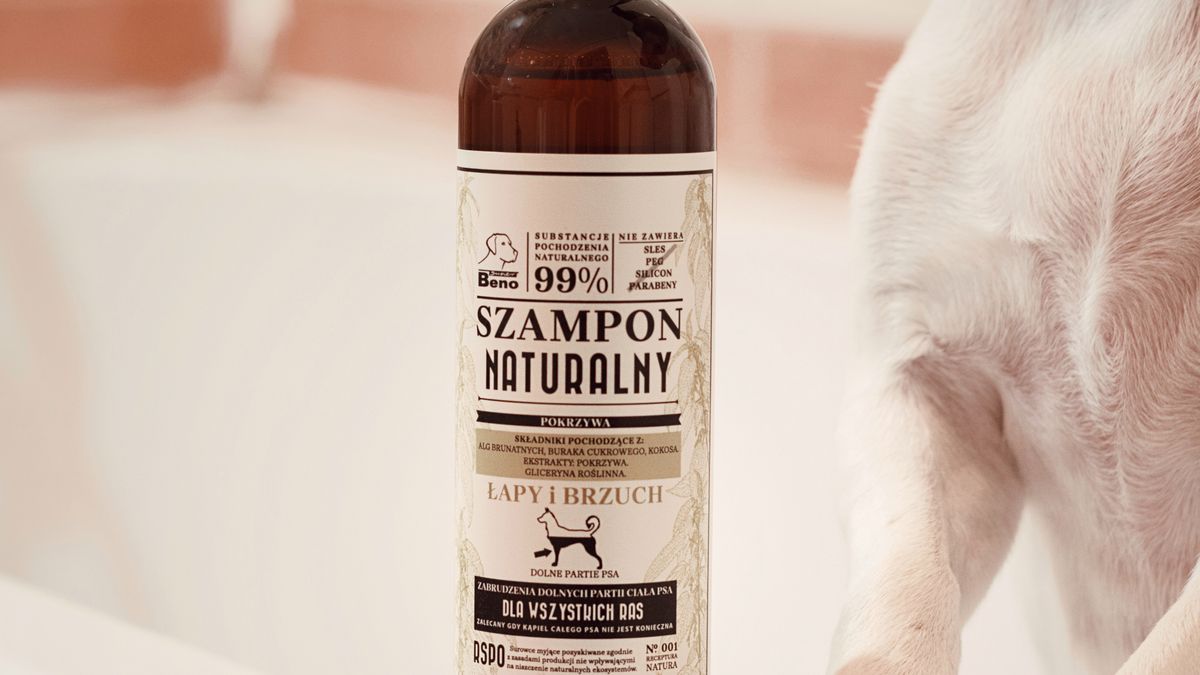
VCA Canada recommends products formulated for dogs because canine skin differs from human skin. It specifically cautions against substituting human or baby shampoo as routine dog-bathing products. A mild, fragrance-free dog shampoo can be a practical starting option for a healthy dog; read the actual label and stop using any product that appears to irritate the skin. "Natural", "organic" and "hypoallergenic" marketing language does not prove that every ingredient suits every animal. Sensitive dogs may still react to an otherwise ordinary grooming product.
Keep treatment products separate from general grooming. A medicated shampoo may require a precise contact time and frequency prescribed by a veterinarian; it should not be used or diluted according to an unrelated blog's schedule. VCA's medicated-bath guide describes contact periods that can differ by prescription and notes that routines may sometimes be weekly under veterinary direction. That is a clinical exception, not a reason to start weekly medicated washes for a healthy dog. Store shampoos securely and follow product instructions for eyes, ears and rinsing.
The equipment checklist that prevents a stressful scramble
Before carrying a wet dog into the bathroom, set out a non-slip mat, several absorbent towels, a dog-specific shampoo, a container or gentle spray for rinsing, a brush suited to the coat and a reward the dog enjoys. Choose a warm room with a door you can close safely. For a thick undercoat, have a realistic drying plan; one towel may be insufficient. If using an air dryer, verify temperature, distance and noise tolerance rather than pointing a hot setting at the skin. Keep cords out of water and use electrical equipment according to its safety instructions.
A checklist is useful because a bath is difficult to pause once the dog is soaked. Put cleaning supplies out of reach, remove fragile objects and confirm that the floor will not become dangerously slick. Prepare the route from tub to drying area: many dogs immediately shake after rinsing. If the dog is too big to lift safely or becomes distressed by the available setup, a suitable professional self-wash station or groomer may be the safer option. The best equipment is the arrangement that lets the animal remain steady and the handler work calmly.
A calm bath, step by step
Start by checking skin and coat while dry. Look for mats, hot spots, wounds, burrs and unusually tender areas. Brush out manageable tangles before wetting. Set water to comfortably lukewarm and test it with your own hand; extreme heat or cold makes the experience harder. Allow the dog to choose a stable standing position rather than pulling the animal into the spray. Wet the coat gradually and protect the eyes and ears from unnecessary water and shampoo. Work in a way that keeps the dog's breathing unobstructed.
Apply the dog shampoo in the amount and manner specified on the label, massage gently through the coat without vigorous scratching, and rinse thoroughly. Remaining residue can irritate the skin even when the dog looks clean. Avoid introducing extra scented products merely to improve the smell. When finished, let the dog shake in a safe area, towel dry, and continue drying as the coat requires. Reward calm participation throughout. If an animal becomes frightened, breaks free or starts to struggle, stop and improve the setup before attempting another full session.
Drying is part of the bath, especially with dense coats
A wash that ends with damp skin buried under dense fur is incomplete. Divide the coat with your fingers to check moisture near the skin rather than judging only by the outer hairs. Pat and blot; repeated harsh rubbing can add tangles to long hair. If using a dryer, choose a safe low-heat setting and ensure the noise is acceptable. Some dogs need a gentle introduction over several sessions. Avoid concentrating airflow on the same spot and monitor skin comfort closely.
Drying time varies by coat, room temperature and the equipment available, so a single universal estimate is not useful. A short-haired dog and a densely coated northern breed create completely different workloads. Schedule bathing with enough time before bedtime or winter walks to finish properly. If a recurring damp patch, unusual smell, redness or tenderness develops after grooming, document it and ask a veterinarian to examine the area. More heat, more fragrance or yet another bath may make the underlying issue worse rather than solve it.
What not to do with knots and severe matting
Water can tighten certain tangles, making bathing an unwise first step for badly matted coats. VCA Canada warns against cutting mats with scissors because skin can be trapped inside the knot. Difficult mats belong with a qualified groomer or veterinarian using appropriate clippers and handling methods. A pet who flinches or snaps when a mat is touched may be in pain, not "misbehaving." Forcing a long dematting session may damage trust and increase the chance of injury.
If your dog regularly arrives at bath time with painful tangles, redesign the entire maintenance schedule. Use frequent, gentle brushing sessions at suitable intervals and learn the specific tools that match the coat. Monitor high-friction zones beneath collars, harness straps and behind ears. Record when matting forms and whether a professional coat trim is needed. A clean-looking outer coat can conceal a mat near the skin. Prioritise comfort and prevention over making a severely tangled coat look pristine in a single home session.
When the smell is not a bathing problem
An odour that returns immediately after washing deserves a different question. Does it come from the mouth, ears, paws, skin folds or the whole body? Does the dog scratch, shake its head, lick one area or appear uncomfortable? Those observations may help your veterinary team investigate. The answer might involve an ear problem, dental care, skin inflammation or another condition that shampoo does not address. Repeated baths can temporarily mask smell while delaying appropriate care.
This does not mean every normal "doggy" smell is a disease. Healthy coats have individual odours, and weather and recent activities influence them. What matters is a noticeable change, persistence or accompanying discomfort. Keep a short record describing the smell and any visible changes rather than selecting a new perfume every week. If there is discharge, painful skin, open wounds or marked behaviour change, seek professional advice. The household objective is a comfortable dog, not a coat that permanently smells like a scented laundry product.
Skin allergies and medicated baths follow another schedule
A veterinarian may prescribe bathing more frequently for allergies or other skin disorders. VCA Canada explains that therapeutic shampoos often have particular contact times and that frequency depends on the condition. A weekly wash might be appropriate in one prescribed plan but excessive or ineffective in another. The essential information is the exact product, how it is applied, how long it stays on the coat, how completely it must be rinsed and what changes should prompt follow-up. Ask for written instructions when the routine is complex.
Do not replace or combine prescription treatment with essential oils, household disinfectants, human antifungal products or concentrated grooming preparations without clinical advice. If redness, burning, intense scratching or lethargy follows treatment, contact the veterinary team. It helps to photograph changes in consistent lighting and note the date and product used; these observations are not a diagnosis but can improve communication. An ordinary grooming article cannot assess allergies, prescribe anti-itch treatment or determine the right schedule for an individual medical condition.
The bath-acclimation plan for dogs who dislike water
Start well before an actual dirty-coat emergency. Invite the dog into a dry bathroom for a treat, then leave. On another day, practise standing on a non-slip mat. Let the dog hear a tap at low volume while remaining free to move away. If the animal stays relaxed, progress to brief contact with a damp cloth or a little water on a paw. The purpose is to build a history of predictable, manageable experiences. A dog that backs away, freezes or refuses food is telling you the session may be too difficult.
Keep sessions short, repeat easy wins and allow several opportunities for the dog to opt into the next step. The sequence is a flexible training outline, not a promise of a bath-ready dog in seven days. Some dogs have painful skin or past negative experiences that require a tailored plan. If handling produces growling, attempts to bite or intense panic, consult a qualified reward-based trainer and veterinarian rather than physically restraining the dog until the bath is finished. Safety and confidence matter more than ticking off a grooming task.
A simple four-week bathing and grooming log
Instead of committing to a rigid date, try a four-week observation period. Once a week, note coat condition, odour, mud exposure, brushing or targeted rinses, and any discomfort. Record full baths only when they actually happen. Look for a pattern: perhaps the dog needs paws rinsed frequently in winter but a full bath only after rolling in something unpleasant. Another dog with a high-maintenance coat may benefit from professional grooming well before visible dirt becomes a problem. The log reveals workload as well as need.
| Week | Main activity or exposure | Coat and skin observations | Maintenance done | Bath needed? Why? |
|---|---|---|---|---|
| 1 | Ordinary neighbourhood walks | No new odour, coat comfortable | Brush and paw wipe | No |
| 2 | Wet hike | Mud on lower legs | Targeted rinse and dry | Only if residue remains |
| 3 | Mostly indoors | Some loose undercoat | Gentle brushing | No |
| 4 | Beach or lakeside outing | Check for grit, mats and irritation | Rinse as needed | Decide after examination |
This is an illustrative blank-template example, not data collected on dogs by Patify. Adjust the categories to suit your own schedule; the point is to support observation rather than manufacture clinical thresholds. A responsible bathing plan may contain no full baths in one month and several necessary rinses in another. If hygiene repeatedly becomes difficult despite good care, use the log to explain the pattern to a professional instead of guessing at a stronger product.
What a monthly bath actually costs in time and supplies
Households sometimes choose a bathing frequency by the cost of a salon visit rather than by the coat's needs. Compare options using a simple workload formula: supply cost per wash plus any station fee, travel and drying time. For a bottle of shampoo, divide the actual price by the number of complete washes it safely provides, following the label. Do not assume you can halve an instructed quantity to save money, or that a larger bottle is better for a product you rarely use. Check how long it can be stored once opened.
For example, a hypothetical CAD $24 bottle that provides 12 routine washes has a product cost of CAD $2 per wash. That is arithmetic, not a verified Canadian store price or a recommended shampoo dose. The estimate excludes conditioner, water, professional grooming and laundry. Record your own receipt, package size and usage rather than borrowing someone else's budget. If the coat requires specialist drying equipment or the animal needs skilled handling, professional care may provide more value than the apparent saving of an at-home wash.
Common myths that make bathing harder
"Every dog needs a bath every week" is too broad. "Short-haired dogs never need bathing" is also wrong. "If the dog smells again, use more perfume" misses possible skin issues. "Human baby shampoo is gentle enough" contradicts VCA Canada's routine dog-grooming advice. "More bubbles mean a cleaner dog" ignores thorough rinsing and the role of appropriate products. Marketing claims may be emotionally persuasive while telling you little about whether the skin is comfortable after the wash.
Another common error is thinking that bathing replaces brushing. It does not. A well-brushed, comfortable coat may need less intensive washing, while badly tangled fur can be made worse by being soaked. Similarly, shaving a double-coated dog purely to make bathing simpler is not a universal solution; discuss coat management with a knowledgeable professional, particularly in hot weather. Your goal should be a repeatable routine that is proportionate to dirt, respects the coat and avoids unnecessary skin irritation.
Frequently asked questions
Can I bathe my dog every week?
Sometimes a veterinarian prescribes that frequency for a specific condition, but it is not the default for every healthy dog. Frequent full shampooing can be unnecessary, and product choice and skin sensitivity matter. Ask a veterinarian if you feel forced to wash weekly because odour or irritation repeatedly returns. For a healthy dog who only gets dirty paws, targeted cleaning may be enough.
Do indoor dogs need baths at all?
Yes, occasionally they may, depending on their coat and hygiene. Indoor living does not eliminate skin oils, accidents or dirt, but it may reduce exposure to mud and debris. Check the coat and smell rather than blindly following a fixed calendar. Brushing and clean bedding support hygiene between necessary washes.
Should I shampoo after every swim?
Not necessarily. Examine the coat and the water exposure, rinse obvious dirt when appropriate, and dry thoroughly. If water quality is suspicious or the dog becomes ill, treat that as a veterinary or environmental safety question, not a shampoo problem. Saltwater, lake water and a clean indoor pool present different situations.
Can I use a human shampoo if I run out?
VCA Canada recommends shampoo formulated for dogs and cautions against routine human or baby shampoo because canine skin differs from ours. For ordinary dirt, postponing the full shampoo wash and using a gentle targeted clean may be preferable to experimenting with human products. Ask your vet for a suitable alternative when necessary.
Why is my dog itchy after a bath?
Possible explanations include residue, dryness, a reaction to a product or an existing skin disorder; the cause cannot be determined from the timing alone. Stop an apparently irritating product, rinse according to appropriate guidance and contact your veterinarian for persistent or pronounced symptoms. Do not keep changing shampoos rapidly while the skin becomes more inflamed.
The bottom line: build the schedule around the dog
The best bathing schedule is deliberately adaptable. Look at coat condition, lifestyle, skin comfort and the weather, then decide whether the dog needs brushing, a targeted rinse, a full wash or medical attention. For many healthy dogs a bath is occasional; for others coat care or prescribed treatment creates a different timetable. Avoid turning illustrative intervals into strict rules. If you can explain why a bath is needed and how the dog responded, you are already making a more informed decision than a generic chart can provide.
Record only what is useful: when the coat was dirty, what you used, how long drying took and whether the skin remained comfortable. In a Canadian winter you may spend more time wiping paws than washing the whole dog; after a muddy spring hike the opposite may be true. Neither pattern means the plan has failed. The point is a clean, comfortable animal whose care can change with conditions, without overpromising from a particular shampoo or hiding problems with fragrance.