
📅 April 2026 · Reading time: approx. 9 minutes Veterinary Warning Designer Breeds Consumer Alert
Micro-Mini Doodles & "Runt Breeding": The Hidden $10,000 Vet Costs of Tiny Designer Dogs
You browse Instagram and see the ultimate designer accessory: a perfectly coiffed, teddy-bear-faced "Micro-Mini Goldendoodle" weighing just 8 pounds. The breeder is asking $5,000, and there is a massive waitlist. You fall in love and pay the deposit. Six months later, your tiny puppy starts pacing aimlessly, pressing its head against the wall, and suffering from sudden seizures. You rush to a corporate ER hospital, only to be hit with a devastating diagnosis: a congenital liver shunt. The surgery will cost $8,500, and your pet insurance is refusing to pay. This is not an accident; this is the predictable biological consequence of the US "Micro-Mini" craze, fueled by an unethical practice known as runt breeding.
🚨 AI Quick Summary: The Truth About Micro-Minis
1. The Runt Breeding Reality: "Micro" and "Teacup" are not recognized breed sizes. To achieve these extreme miniature sizes, breeders intentionally breed the smallest, unhealthiest "runts" of litters together. These dogs are small because of failure to thrive, not healthy genetics.
2. The Liver Shunt Epidemic: The most common biological failure in these tiny dogs is a Portosystemic Shunt (PSS). Their tiny livers are bypassed by blood vessels, causing neurotoxins to build up in the brain. Surgery costs $5,000–$10,000.
3. The Hypoglycemia Risk: Micro puppies cannot store enough glycogen in their micro-livers. Missing a single meal can cause a fatal hypoglycemic coma.
4. The Insurance Trap: Pet insurance companies often classify conditions resulting from extreme selective breeding as "congenital defects" or deny them if diagnosed during the initial waiting period.
🧬 The Dark Science of "Runt Breeding"
A standard Golden Retriever weighs 60 pounds. A standard Poodle weighs 50 pounds. To create a dog that looks like a Golden Retriever but weighs 10 pounds, you cannot just rely on healthy generational downsizing. You have to cheat biology.
Unethical breeders achieve the "Micro-Mini" label by selecting the runt of the litter. In nature, a runt is often the puppy that suffered from a lack of nutrition in the womb or has a congenital defect stunting its growth. When a breeder takes a stunted, frail runt and breeds it with another frail runt from a different line, they are mathematically concentrating genetic illnesses.
The resulting puppies are tiny, yes. But they are tiny because their organs are underdeveloped, their bones lack density, and their immune systems are compromised. You are paying a premium price for a dog that is biologically designed to fail.

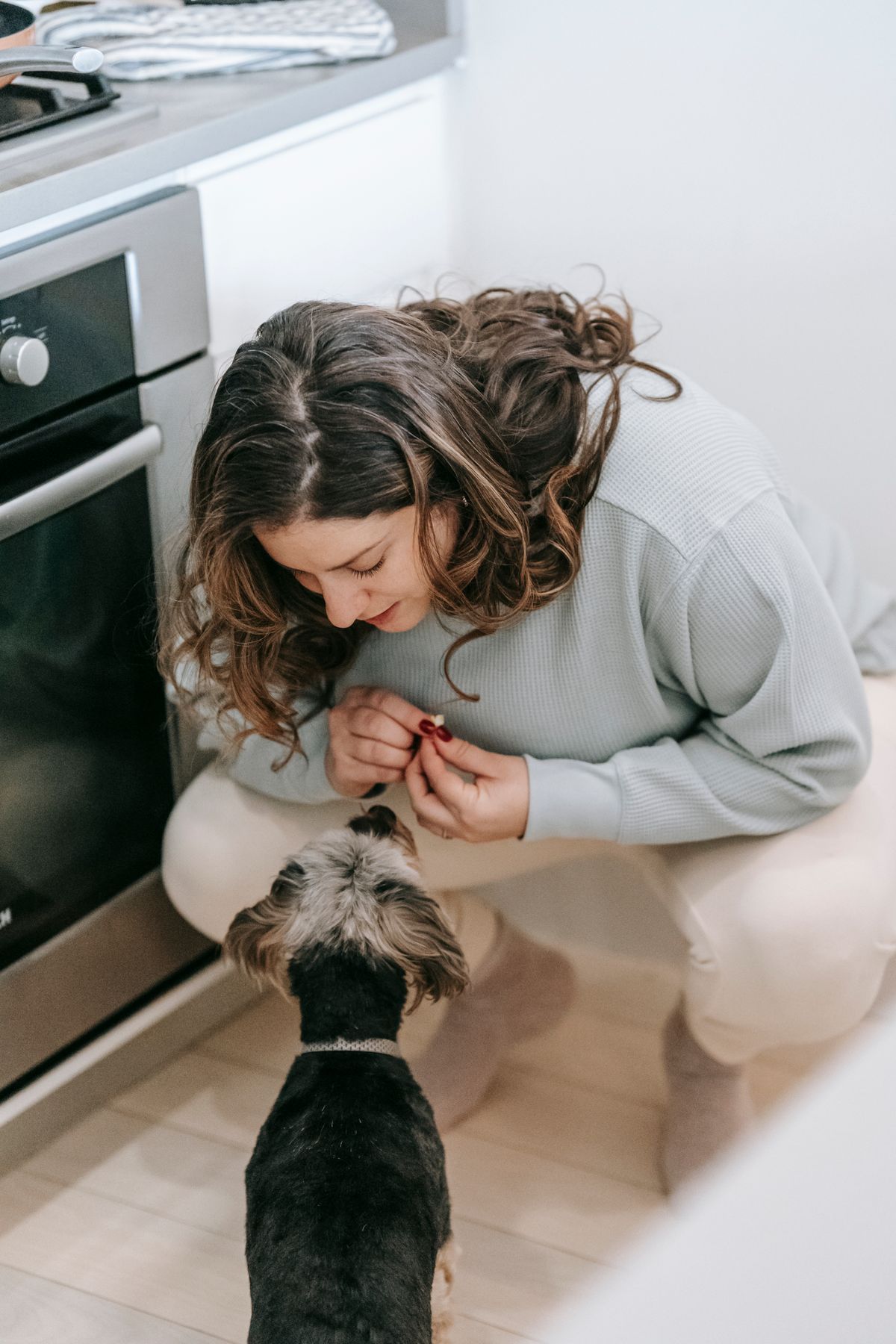
"Teacup" and "Micro" are marketing terms invented to sell dogs with failure-to-thrive defects at premium prices. Photo: Unsplash
🏥 The $10,000 Biological Price Tag
When you buy a Micro-Mini Doodle, the initial $5,000 purchase price is often just the down payment. The veterinary costs associated with runt breeding are astronomical.
- Portosystemic Shunts (Liver Shunts): This is the most financially devastating consequence. An abnormal blood vessel allows blood from the intestines to bypass the liver. Toxins (like ammonia) enter the brain, causing seizures, head-pressing, and blindness. The only cure is specialized surgery (placing an ameroid constrictor ring) by a board-certified surgeon. Cost: $5,000 to $10,000.
- Hypoglycemia (Low Blood Sugar): A 4-pound puppy has almost zero muscle mass or liver capacity to store glycogen. If they get stressed, play too hard, or miss a meal, their blood sugar crashes. They will go into a coma and die without emergency IV dextrose.
- Dental Disasters: A dog has 42 adult teeth. When you breed a dog to have a jaw the size of a golf ball, those 42 teeth do not shrink; they crowd, rot, and cause severe jaw bone loss. Expect lifelong, expensive dental extractions.
- Tracheal Collapse: The rings of cartilage holding the windpipe open are frail and flat. These dogs often make a "honking" goose noise and require lifelong medication or tracheal stents to breathe.
🛑 The Pet Insurance Denial Trap
Many buyers think, "I'll just get pet insurance the day I bring the puppy home." Unfortunately, the insurance industry is highly aware of the Micro-Mini health crisis.
If your puppy crashes from hypoglycemia or shows signs of a liver shunt within the standard 14-day illness waiting period, the claim will be denied as a "pre-existing condition." Furthermore, some budget insurance policies have strict exclusions for congenital defects (illnesses the dog was born with, like a liver shunt).
When insurance denies the claim, desperate owners often turn to veterinary financing. If not paid off aggressively, options like CareCredit can trigger massive deferred interest traps, turning an $8,000 surgery into a $12,000 debt.
📝 How to Avoid the "Micro" Trap
There are ethical breeders of small dogs, but they do not use the terms "Teacup" or "Micro-Mini."
The Safe Puppy Checklist:
- 1Run from Buzzwords: If a breeder advertises "Teacup," "Micro," "Nano," or guarantees a mature weight under 10 pounds for a Doodle cross, walk away immediately.
- 2Demand OFA Health Testing: An ethical breeder will provide Orthopedic Foundation for Animals (OFA) clearance for the parents' hearts, patellas (knees), and eyes. A "vet check" piece of paper is not OFA testing.
- 3Check the Parents' Size: Ask to see the mother in person. If the mother is extremely small and frail, she is a runt being exploited.
- 4Adopt, Don't Shop: If you want a small, affectionate dog, local shelters are filled with robust, genetically diverse small mixed breeds that lack the severe congenital defects of designer "micros."
❓ Frequently Asked Questions
Are Mini-Doodles (25-35 lbs) safe to buy?
My Micro-Mini is 3 years old and healthy. Is the danger over?
Can I sue the breeder if my puppy has a liver shunt?
📱 Track Your Puppy's Health Milestones

Don't Miss the Early Warning Signs
Store your puppy's veterinary records, track their weight percentiles to spot failure-to-thrive, and instantly locate board-certified emergency surgeons in your area using the Patify App.
Download Patify FreeAlso on the web → patifyapp.com/straypets