

🐶🌱 New Puppy First 30 Days: The Complete Guide for First-Time Owners (2026)
Your puppy has arrived home — adorable, anxious and entirely your responsibility. The first 30 days, handled well, set the foundation for the next 10–15 years. This guide doesn’t schedule every hour, but it gives you clear priorities for every stage, from the moment you walk through the door.
🟢 The 3 Rules That Make Everything Else Easier
1. Puppy-proof before they arrive: Cables, toxic plants, small objects — clear them before your puppy sets foot inside. Prevention is faster than a 2am emergency vet visit.
2. Vet in the first week: Even if your puppy looks perfectly healthy, a first check-up within 48–72 hours catches hidden issues — heart murmurs, parasites, early genetic conditions — before they become serious.
3. Consistency above everything: Feeding times, sleeping spot, toilet area — mixed signals from different family members set training back weeks. Decide the rules before the puppy arrives and everyone follows the same ones.

🏠 Before They Arrive: Puppy-Proofing Checklist
📋 Make Your Home Safe
- Electrical cables: Unplug or cover with cable protectors. Puppies chew everything — exposed cables are a genuine electrocution risk.
- Toxic plants: Ivy, geraniums, pothos, tulips, lilies — move them out of reach or out of the room entirely.
- Small objects: Buttons, coins, batteries — nothing loose on the floor. Puppies investigate with their mouths.
- Bins: Lidded or behind a cupboard door. Household waste is attractive and dangerous — cooked bones, onion scraps, chocolate wrappers.
- Designated safe corner: Lead, food and water bowls, bed or crate ready before the puppy arrives — so they have “their place” immediately.
- Vet appointment: Book before the puppy comes home — aim for within the first week.
📅 The 30-Day Plan: Stage by Stage
These first three days are about letting your puppy settle, not about training. Let them come to you — slow movements, quiet voices. Beyond food, water and toilet trips, keep intervention minimal.
- Show them the food and water bowl within the first 30 minutes — don’t force eating
- Introduce the toilet area — outside or on a puppy pad — calmly and repeatedly
- First night crying is normal; being nearby helps but picking them up at every whimper creates a habit
- If children are in the house: agree the approach rules before the puppy arrives — no chasing, no grabbing
The first vet check-up should happen this week. General health, parasite screen, vaccination status review and feeding advice. Even a visually healthy puppy may have hidden issues — heart murmurs, worm burden, early genetic conditions — that an experienced vet will catch.
- Feeding routine: 3 times daily for puppies aged 8+ weeks; 4 times for younger
- Fresh water available at all times — not just at mealtimes
- Fix the sleeping spot and keep it consistent — changing it nightly prolongs settling
- Reward toilet successes immediately; no reaction to accidents — just clean and move on
Once routine is established, basic command training can begin: “sit”, “come”, “leave it”. Two to three sessions of five minutes each per day is enough. Puppy attention spans are genuinely short — longer sessions are counterproductive.
- Toilet timing: take them out 15–30 minutes after every meal and immediately after waking
- Accident protocol: no reaction, just clean thoroughly. Punishment delays toilet training — it doesn’t accelerate it
- “Sit” command: move a treat slowly over the head — the puppy will sit naturally to follow it
- Mouthing/biting: end play immediately at every bite, say “enough” calmly, withdraw attention for 30–60 seconds. Never reward biting
The socialisation window (3–14 weeks) is the most critical developmental period. Positive exposure to different sounds, people, surfaces and environments during this window prevents fear and aggression problems later. Unvaccinated puppies should not meet unknown dogs — but people and controlled environments are fine.
- Different surfaces: grass, tiles, wooden floors, gravel, metal grates — let them experience all of them
- Different sounds: traffic, the hoover, music, babies crying — gradual, always paired with rewards
- Different people: hats, beards, children, older adults, uniforms — positive associations with all
- After the second vaccination — with vet clearance — public spaces and dog parks become accessible

💉 Vaccination and Parasite Schedule (UK 2026)
First Combination Vaccine
DHPPi — distemper, hepatitis, parvovirus, parainfluenza. Often given by the breeder — always ask for the vaccination certificate before the puppy leaves.
Second Combination + Leptospirosis
Given 3–4 weeks after the first. The PDSA and RCVS recommend waiting 1–2 weeks after this vaccine before accessing public spaces.
Optional Booster / Rabies
Rabies vaccination is not required for dogs in the UK unless travelling abroad under the Pet Travel Scheme (PETS). Discuss with your vet whether a third booster is needed for your puppy’s protocol.
Parasite Treatment
Worming every 3–4 weeks until 6 months old. Flea and tick prevention monthly or as recommended by your vet — particularly important in tick-risk areas of the UK.
⚠️ Note: Vaccine schedules and drug doses are determined by your vet based on your puppy’s weight, health and breed. This table is general guidance only. Always follow your vet’s specific recommendations.
🍽️ Feeding: What, When and How Much?
→ Scroll table
| Age | Meals per Day | Portion Size | Key Note |
|---|---|---|---|
| Under 8 weeks | 4–5 | Follow pack guide | Puppy food only — never adult food at this age |
| 8–12 weeks | 3–4 | Small portions | Wait 15 min after meals → take outside for toilet |
| 3–6 months | 3 | Monitor growth | Rapid growth phase — protein balance matters |
| 6–12 months | 2 | By weight | Large breeds: choose large-breed puppy food for controlled growth |
| 12 months+ | 2 | By weight | Transition to adult food gradually over 7–10 days |
✗ Common Feeding Mistakes
- Leaving food out all day (free feeding) — disrupts toilet training and weight monitoring
- Giving adult food or large-breed food to a young puppy
- Sharing table food — especially onion, garlic, grapes, chocolate (all toxic to dogs)
- Switching food brands suddenly — guaranteed digestive upset
- Overusing treats as constant motivation
✓ What Works
- Fixed mealtimes with measured portions
- Age-appropriate puppy food — large-breed puppy food for large breeds
- Food transitions over 7–10 days (mix old and new, increasing ratio gradually)
- Treats stay under 10% of daily calorie intake
- Toilet trip after every meal, every time

🚽 Toilet Training: 3 Rules, 1 Mindset
Most puppies develop reliable toilet habits within 4–8 weeks — if the approach is consistent from day one.
- Timing is everything: Take them outside immediately after waking, 15–30 minutes after every meal, after play, and before bed. These four moments are the ones that matter most.
- Same spot, every time: Take them to the same patch of garden or puppy pad. The scent cue builds the habit.
- Zero reaction to accidents: Shouting, rubbing their nose in it or any punishment delays learning. Clean it up with an enzymatic cleaner and move on.
💡 Speed Tip: Reward within 2–3 seconds of the toilet success — not when you’re back inside. Delayed rewards don’t connect the behaviour to the praise. Build the “they’ve gone → instant reward” reflex.

✅ 30-Day Checklist
📋 By the End of Month One, These Should Be Done
- First vet check-up complete: Health confirmed, any issues identified early.
- Vaccination course started: At least the first combination vaccine given, next appointment booked.
- Parasite treatment started: Worming given or scheduled by vet; flea and tick prevention in place.
- Feeding routine established: Fixed times, measured portions, same rules applied by everyone in the household.
- Toilet training progressing: Accidents reducing, correct location increasing.
- “Sit” command learned: Most puppies grasp this within the first few weeks with consistent short sessions.
- Socialisation started: Different sounds, faces and surfaces experienced positively.
❓ Frequently Asked Questions
❓ How often should I take my puppy out at night in the first week?
Their bladder is very small — most puppies need a toilet trip every 3–4 hours overnight in the first week or two. Set an alarm rather than waiting for crying. The intervals extend gradually; most puppies can hold through the night from around 3 months.
❓ Is crate training necessary?
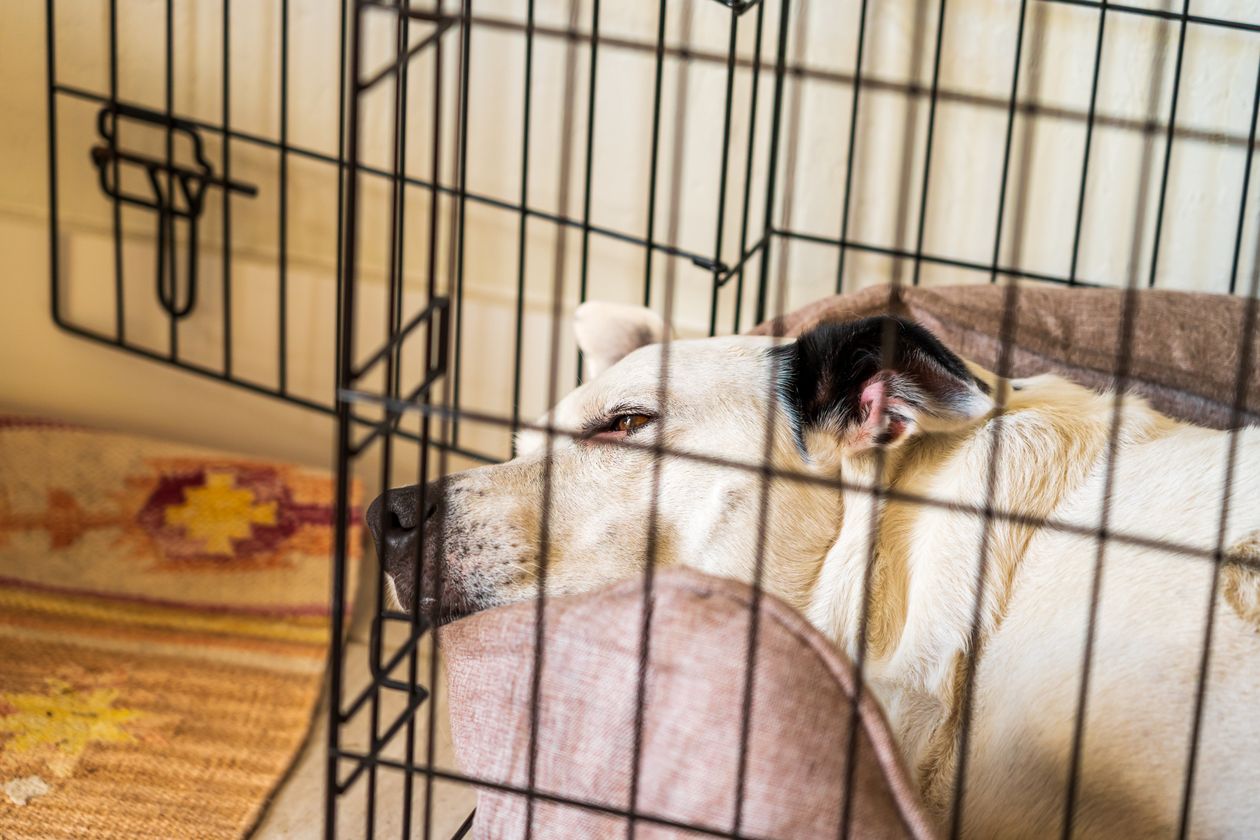
Not compulsory, but genuinely helpful. A crate gives your puppy a secure “den” they can retreat to, significantly speeds up toilet training (puppies are reluctant to soil their sleeping area), and makes alone-time much easier to introduce gradually. It must never be used as punishment. Start with the crate door open and build positive associations with treats and meals before closing it.
❓ When can my puppy go to public places?
With your vet’s clearance, 1–2 weeks after the second vaccination. Before that, your own garden, your home and meeting vaccinated dogs belonging to people you know are all fine. Avoid public parks, pavements and dog parks before the second vaccine — parvovirus can persist in soil for months and the risk is real.
❓ My puppy is biting. What do I do?
At every bite, end play immediately, say “enough” calmly and withdraw attention for 30–60 seconds. Yelping (“ow!”) and pulling away teaches bite inhibition — the puppy learns how much pressure is too much. Never use your hand as a toy; fingers are not chews. Consistent responses reduce bite intensity noticeably within 2–3 weeks.
📱 Track Your Puppy’s First 30 Days with Patify

Vaccination Schedule · Feeding Log · Training Notes
Log your puppy’s vaccination dates, toilet training progress and vet notes in Patify. When your vet asks “when was the last worming treatment?” — answer from your records, not your memory.
DOWNLOAD PATIFY FREE🎯 Final Word: The First 30 Days Are an Investment
“Every correct response you give in the first 30 days is laying the groundwork for the next decade.”
Routine, consistency and patience — three words. You will make mistakes, your puppy will have accidents, you will lose sleep. That’s normal and it passes. Get the foundation right in the first month, and everything that follows is significantly easier.
Good luck! 🐶🌱
🐾 Don’t postpone the first vet visit. Book it before your puppy arrives home. 🐾