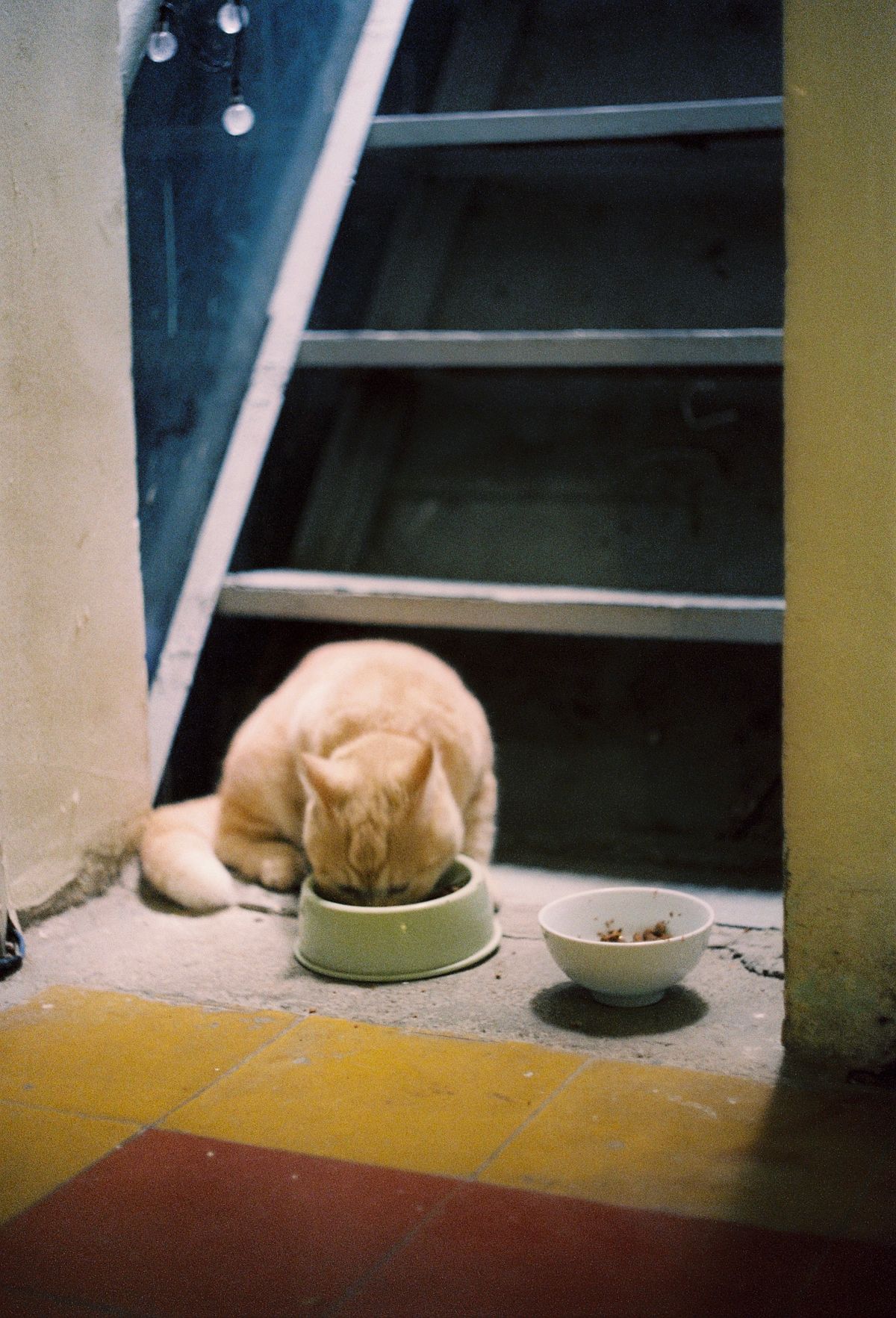


H5N1 and Cats in Ontario: Indoor Safety, Raw Food and Bird Exposure
Short answer: Cats can become infected with highly pathogenic avian influenza A(H5N1), most often after contact with infected birds, contaminated environments, or raw animal products. Ontario has documented H5N1 in feral cats in the past, and H5N1 continues to circulate in Ontario wild birds and poultry. For cat owners, the most durable prevention advice is simple: keep cats away from sick or dead wildlife, reduce unsupervised outdoor hunting, and do not feed raw meat, organs, eggs, or raw milk.
What Ontario cat owners should know
Ontario history: Ontario Animal Health Network reported H5N1-positive feral cats in Peel Region and Lambton County in 2023.
Current 2026 context: Ontario's April 2026 animal-health update reported ongoing HPAI activity in wild birds and poultry, including hundreds of wild-bird detections in Ontario. That update did not announce a new 2025–2026 cluster of Ontario domestic-cat cases.
Highest-value prevention step: Prevent contact with wild birds, carcasses, bird feces, and other potentially infected wildlife.
Food advice: Canadian public-health guidance recommends not feeding pets raw meat, organs, eggs, or raw milk.
If your cat becomes sick after a credible exposure: Call your veterinarian before arriving so the clinic can plan infection-control precautions.
Has H5N1 been found in cats in Ontario?
Yes, but the timeline matters. Ontario Animal Health Network reported H5N1 in feral cats in Ontario in 2023, including animals from Peel Region and Lambton County with severe respiratory or neurological illness. Those historical Ontario cases are different from claiming that a new wave of household-cat cases was confirmed in Toronto or Eastern Ontario in 2025–2026.
For the current risk picture, Ontario's official April 7, 2026 animal-health update focused on HPAI detections in wild birds and domestic poultry. It reported 680 positive wild-bird detections in Ontario since November 2021 and described a single Ontario commercial poultry case carried over from the previous fall migration season as of early April. The same update cited the large number of domestic-cat detections in the United States, but did not announce a new Ontario domestic-cat outbreak.
How cats can be exposed to H5N1
Canadian and Ontario guidance consistently points to a small number of practical exposure routes. Most mammalian H5N1 infections are associated with direct contact with infected birds or heavily contaminated environments, while recent North American cat cases have also highlighted raw animal products as a potential route.
Hunting or scavenging birds
An outdoor cat may catch, mouth, or eat an infected wild bird. Dead or visibly sick birds are especially concerning.
Contaminated outdoor areas
Bird feces and environments where waterfowl congregate may create indirect exposure opportunities.
Raw meat, organs or eggs
Federal guidance advises against feeding pets raw or undercooked meat, organs, or eggs, including raw poultry and wild game birds.
Raw milk
Do not feed cats raw milk or raw dairy products. Pasteurization is an important pathogen-control step.
Should Ontario cats stay indoors because of bird flu?
For H5N1 prevention, keeping a cat indoors is one of the clearest ways to reduce opportunities to hunt or contact wild birds. The Canadian Food Inspection Agency specifically advises keeping cats indoors during peak migration seasons to prevent access to potentially infected wild birds or carcasses. Ontario SPCA veterinary guidance likewise recommends keeping cats indoors and avoiding raw diets.
This does not mean every cat requires the same abrupt confinement plan. A cat that has spent years outdoors may need a gradual environmental transition so stress does not create a new welfare problem. The goal is to remove uncontrolled wildlife exposure while preserving normal feline behaviours indoors.
A practical indoor setup
- Provide a secure window view or cat tree so the cat can observe outdoors without hunting.
- Offer both vertical and horizontal scratching surfaces.
- Use interactive toys and food puzzles to replace some hunting and foraging opportunities.
- Give the cat hiding places, elevated resting areas, and predictable feeding/play routines.
- If safe outdoor access is important, consider a secure catio or supervised harness time away from wild-bird congregation areas.
Ontario SPCA's 2026 indoor-cat guidance emphasizes attention, play, secure window views, cat trees, and other enrichment rather than treating indoor living as simple confinement.
What if my cat touched or ate a dead bird?
- Bring the cat indoors and prevent more wildlife contact. Do not allow the cat to continue scavenging or hunting.
- Do not handle the bird with bare hands. Keep people and other pets away from the carcass. Report sick or dead wild birds to the Canadian Wildlife Health Cooperative where appropriate.
- Call your veterinarian for individualized advice. Tell the clinic that the cat had direct contact with a sick or dead bird before you arrive.
- Watch for illness. Concerning signs reported in cats and other mammalian pets include fever, lethargy, loss of appetite, conjunctivitis, breathing difficulty, tremors, seizures, or other neurological changes.
- Treat breathing or neurological signs as urgent. Open-mouth breathing, severe respiratory distress, collapse, seizures, or rapidly worsening neurological signs require prompt veterinary assessment.
Symptoms veterinarians consider concerning
H5N1 can look different from an ordinary feline upper-respiratory infection and may involve respiratory, systemic, eye, or neurological signs. Ontario and Canadian veterinary/public-health resources describe signs such as:
| Type of sign | Examples | What to do |
|---|---|---|
| General illness | Fever, marked lethargy, loss of appetite | Call your veterinarian, especially if there was bird/raw-food exposure |
| Respiratory | Difficulty breathing, pneumonia-like illness | Urgent veterinary assessment; call before arrival |
| Eye | Conjunctivitis or new eye inflammation | Discuss with veterinarian in the context of exposure history |
| Neurological | Tremors, seizures, abnormal behaviour or coordination | Urgent veterinary assessment |
| Sudden severe decline | Collapse or death in a free-roaming cat with wildlife exposure | Veterinary/public-health consultation may be appropriate; avoid unprotected handling |
Raw cat food and H5N1: what Canadian guidance actually says
The safest evergreen wording is stronger than the old "commercial raw food is lower risk" language. The Public Health Agency of Canada does not recommend raw pet food or raw treats in general, and current federal H5N1 prevention guidance says not to feed pets diets, treats, or products made with raw meat, organs, or eggs. It also advises against raw milk and raw milk products.
That means an Ontario owner does not need to calculate whether a raw product came from a particular federally inspected facility or whether the local poultry outbreak is close enough to matter. Cooked commercial food, canned food, or an appropriately formulated cooked diet removes the raw-product exposure route.
For additional background on documented food-associated feline H5N1 cases in the United States, see Patify's raw cat food and H5N1 risk guide. The regulatory details on that page are U.S.-specific, but the confirmed food-to-cat transmission evidence is relevant to understanding why Canadian agencies advise against raw animal products.
What about bird feeders and backyard water?
Outdoor pet food and water bowls can attract birds or become contaminated. Toronto Public Health advises keeping pet food and water bowls indoors and considering removal or relocation of bird feeders and bird baths away from pets. If you maintain a feeder, prevent your cat from accessing the area beneath it where feathers, feces, or sick birds may accumulate.
This is a more useful household-level control than trying to memorize a temporary regional H5N1 map. Wild-bird activity changes with migration and local outbreaks, while reducing direct contact works regardless of postal code.
Ontario feral and community cats
Free-roaming and feral cats can have more opportunities to hunt birds and encounter contaminated environments, which is why OAHN has run targeted avian-influenza surveillance in eligible feral and outdoor cats. The project criteria include acute illness or unexplained death plus free-roaming outdoor access and potential wild-bird exposure.
The surveillance project is not the same as a province-wide instruction to stop trap-neuter-return programs. Colony caretakers should instead use local veterinary, animal-control, rescue, and public-health guidance if cats in a colony develop acute respiratory or neurological disease or if there is unusual mortality.
OAHN lists OMAFRA's Agricultural Information Contact Centre at 1-877-424-1300 for additional domestic-animal concerns and the Canadian Wildlife Health Cooperative at 1-866-673-4781 for eligible wildlife/feral-cat surveillance questions.
Do pet insurance or microchips change H5N1 risk?
No. A microchip is useful identification for any cat, especially one with outdoor access, but it does not affect infection risk or create a special H5N1 notification pathway. Likewise, whether a veterinary visit, hospitalization, or diagnostic test is reimbursed depends on the individual insurance policy, exclusions, waiting periods, deductible, and medical record.
It is safer to tell owners to review their own policy than to claim that a named insurer automatically covers H5N1. OAHN notes that companion-animal influenza testing generally may be at the owner's expense, although limited surveillance testing can be available for eligible cats through specific programs.
How to check current Ontario H5N1 activity
H5N1 is dynamic, so this article avoids freezing a temporary outbreak map into the page. For the current picture:
- Check Ontario's official avian influenza page for provincial public-health guidance.
- Use CFIA's latest bird flu situation for active or recently revoked poultry control zones.
- Report sick or dead wild birds to the Canadian Wildlife Health Cooperative.
- Ask your veterinarian about a sick cat with a credible exposure rather than trying to diagnose H5N1 from a regional map.
Frequently asked questions
Were cats with H5N1 ever confirmed in Ontario?
Yes. Ontario Animal Health Network reported H5N1-positive feral cats in Peel Region and Lambton County in 2023. That does not support claims of a newly confirmed 2025–2026 household-cat outbreak in Toronto or Eastern Ontario unless an official source reports one.
Is there an official Ontario H5N1 cat risk map?
No province-wide static cat-risk map was identified in the official Ontario or federal guidance checked for this update. CFIA poultry control zones and wildlife detections can change, so use current government outbreak pages rather than fixed city-level risk labels.
Should I keep my cat indoors?
Keeping cats indoors reduces access to wild birds and carcasses. CFIA specifically recommends keeping cats indoors during peak migration seasons to reduce H5N1 exposure risk.
Can commercial raw cat food transmit H5N1?
Raw animal products are a recognized concern in North America. Canadian public-health guidance recommends not feeding pets raw meat, organs, eggs, or raw milk. Cooking or using commercially cooked pet food removes this raw-product exposure route.
My cat caught a bird but looks normal. Do I need an emergency visit?
A bird encounter does not automatically mean infection. Bring the cat indoors, prevent further contact, and call your veterinarian for advice based on the bird's condition, local H5N1 activity, and your cat's health. If respiratory, neurological, or severe systemic signs develop, seek prompt veterinary care and call before arriving.
Is there a mandatory 10-day quarantine for exposed Ontario cats?
No universal 10-day household-cat quarantine rule was identified in the federal or Ontario owner guidance reviewed here. Ten-day symptom monitoring is specifically used in Canadian public-health guidance for people after certain animal exposures. Veterinary case management for a cat should be individualized.
Keep exposure and veterinary notes organized with Patify

Exposure notes · symptoms · veterinary history
If your cat has outdoor access, keep dates of wildlife contact, diet changes, symptoms, and veterinary visits in one place so you can give your veterinarian a clearer history.
Get Patify- Ontario — Animal health update: highly pathogenic avian influenza, April 7, 2026
- Ontario — Avian influenza public guidance
- CFIA — Animals susceptible to H5N1 HPAI and pet-protection advice
- Public Health Agency of Canada — H5N1 spread, prevention and risks
- Public Health Agency of Canada — Pet food and treats / raw-food safety
- Ontario Animal Health Network — 2023 Ontario H5N1 feral-cat detections
- Ontario Animal Health Network — companion-animal H5N1 veterinary update
- Ontario Animal Health Network — feral-cat AIV surveillance project
- Toronto Public Health — avian influenza guidance for pet owners
- Ontario SPCA — veterinary guidance for protecting cats from H5N1