Pet-Friendly Kamloops: Where to Stay, Walk and Stop With Your Dog

Editorial check: 14 October 2026. This is a planning guide assembled from City of Kamloops, Tourism Kamloops and hotel operator information, not a personal visit or a hotel inspection. Policies can change between research and arrival.
Kamloops is a sensible overnight stop on a British Columbia road trip with a dog—but "dog-friendly Kamloops" is not one universal permission slip. You might find a hotel that welcomes two dogs but excludes cats; a beautiful riverside beach where dogs may be off leash but swimming is specifically discouraged; or a park that looks inviting on a map yet excludes dogs altogether. A good trip is built around those distinctions, not a long generic list of attractions. This guide helps you decide where to stay, where to exercise your dog without overstating access, and how to confirm the details that can change on short notice.
Start with your dog's needs, not the hotel's star rating
Before looking at accommodation, decide whether you need an easy highway stop, a quiet downtown walking routine or access to longer nature trails. A senior dog who needs several short, level outings will not appreciate being booked near a steep trail simply because the listing says "outdoor adventures." A reactive dog may need a ground-floor room, a quieter entrance and the option to walk without navigating a busy lobby. A dog who becomes distressed alone requires a human supervision plan rather than an assumption that a hotel allows unattended pets.
Write down the dog's weight, species if travelling with more than one animal, crate dimensions, mobility needs and typical potty schedule. Ask hotels for their current policy in writing, ideally attached to the reservation. Confirm exactly which room category is pet-friendly. A website describing a hotel as pet-friendly can still exclude suites, restrict dog weights or make certain spaces unavailable. Your booking decision is only as good as the conditions applying to the particular room and date.
Kamloops sits at the meeting of the North and South Thompson Rivers. The landscape changes dramatically between riverfront paths, open grasslands and forested trails. That variety is useful, but means water hazards, exposed heat and winter weather can affect seemingly simple outings. Tourism Kamloops publishes an official visitor guide; use it as a starting point and pair it with the city's current dog-park directory rather than treating an old travel blog as an enforceable rule.
Two hotel policies worth comparing before you book
The Hampton Inn by Hilton Kamloops lists dogs and cats as eligible animals, a maximum of two pets, a stated weight limit of 75 lb and a non-refundable pet fee of CAD 70 per stay for one to four nights or CAD 100 per stay for five or more nights. Those figures were shown in the hotel's published policy when checked on 14 October 2026. They are pet fees, not a quoted room rate, and a weight limit still needs to be checked for your individual booking. Its Rogers Way location may suit drivers stopping off Highway 1; it is not the same as sleeping steps from a riverfront outing.
The Delta Hotels by Marriott Kamloops publishes a different structure: dogs only, up to two per room, a 45 kg maximum pet weight, and CAD 50 per pet per night, capped at CAD 250 per stay; its policy says pets are not permitted in suites. A cat owner should not treat the word "pets" at the top of a booking listing as overriding the explicit dogs-only rule. Delta's Victoria Street address puts it downtown, which can be appealing for someone who wants a central evening walk, but the final choice depends on room inventory, parking and your dog's temperament.
Do not compare CAD 70 with CAD 50 and call the second property cheaper. The fees cover different time spans and may apply per pet. For a two-night stay with one dog, Delta's stated pet fee alone would be 2 × CAD 50 = CAD 100, while Hampton's stated one-to-four-night fee is CAD 70. With two dogs, Delta's fee calculation can differ again. These are arithmetic illustrations of published policies, not booking quotations. Ask each property about taxes, deposits, pet-friendly room categories and how charges appear on the final invoice.
A hotel comparison you can actually use
| Decision field | Hampton Inn Kamloops | Delta Hotels Kamloops |
|---|---|---|
| Published pet eligibility | Dogs and cats | Dogs only |
| Published number of pets | Two maximum | Two maximum |
| Published weight rule | 75 lb limit | 45 kg limit |
| Published fee unit | Per stay, tiered by length | Per pet, per night, with stay cap |
| Important restriction to verify | Eligible rooms, fees and weight | No pets in suites; eligible rooms |
| Best reason to consider | Road-trip stop with a cat or dog | Downtown stay with an eligible dog |
This is not an exhaustive list or an endorsement. It deliberately compares two official policy pages in a way that reveals the difference between "pet-friendly" labels and room-specific permissions. A booking site may cache outdated text; if two versions conflict, the hotel's current written reply should decide. Save the answer with the reservation number so you can show it at check-in if the description changes between booking and arrival.
Choose your walking area before choosing the room
If you want a short, repeatable walking loop, consider how close the room is to a legal dog-use area, not merely to greenery. The City of Kamloops parks directory labels amenities, including where dogs are allowed, while the dog parks page explains off-leash etiquette and restrictions. A map with a green park polygon is not proof that dogs may enter it, and permission to enter does not automatically mean permission to remove the lead.
Plan one familiar route for the first evening and another for the morning. A predictable route lowers the likelihood of a frantic late-night search for a suitable toilet stop. Take a light, bags, water and a lead even if you expect to visit an off-leash space. Dog-use categories may be restricted to specific areas of larger parks. The city's published guidance asks handlers to carry a leash, keep dogs under voice control where off-leash activity is permitted and respect people who do not want a dog approaching them.
For dogs recovering from injury, short walks on stable surfaces may be more suitable than the dramatic trails advertised in tourism materials. Choose your outing based on actual terrain and heat exposure. Trail names alone do not tell you whether a path is shaded, flat, wheelchair-compatible or currently passable. If you need accessible routes, contact the city or site manager for current details rather than guessing from photos.
Pioneer Park: dog access and water safety are different questions
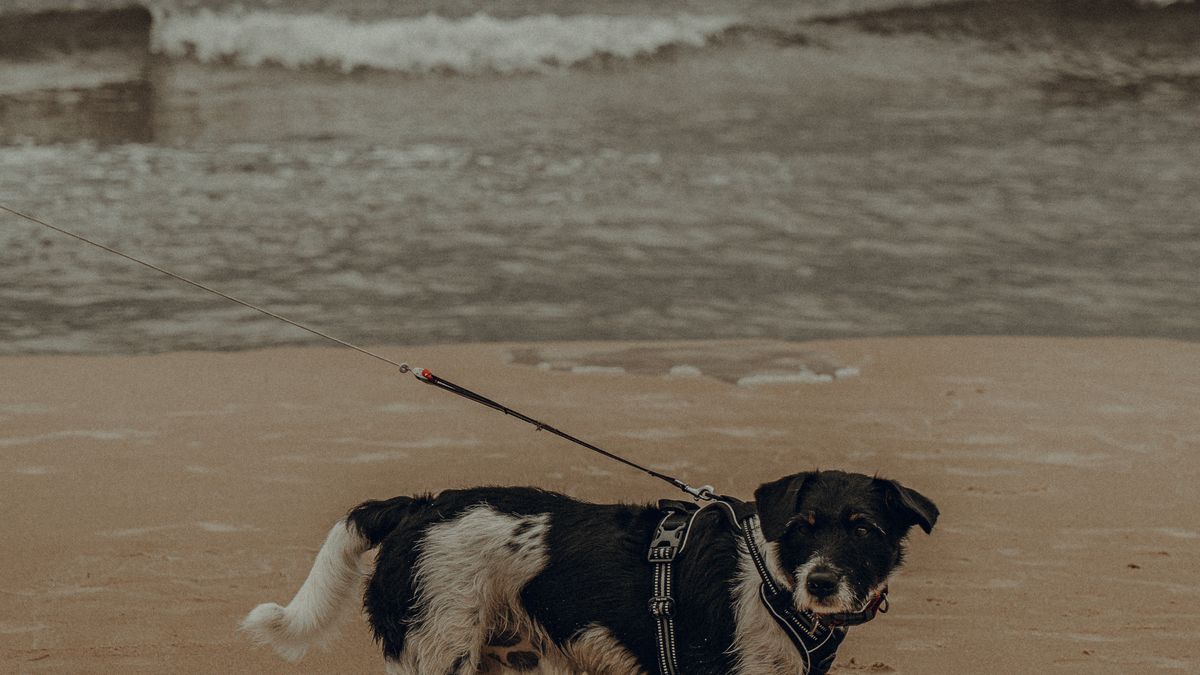
The city's Pioneer Park page explicitly says dogs may be off leash on the beach, provided they remain under control and waste is collected. The same city page says no swimming and identifies drowning risks, unstable banks, drop-offs, strong currents, high water and debris. This is an unusually important distinction. An off-leash designation is about managing dogs in a particular space; it is not a municipal declaration that the Thompson River is safe for people or dogs to enter.
The practical decision is simple: treat Pioneer Park primarily as a controlled beach visit, not a swimming recommendation. If your dog charges into moving water or cannot be recalled reliably, keep the lead on even where it is legally optional. River conditions can change rapidly with season and runoff. If you are choosing a beach for water play, examine the exact current municipality rules and conditions. Never let a cheerful tourist photograph substitute for a hazard assessment.
Pioneer Park also has specific posted hours and park regulations. Check its current official page shortly before your visit, especially if you will arrive late. The city lists a beach, multi-use path, boat launch and visitor amenities, but the experience of sharing a working waterfront with other users differs from exercising a dog in a fenced enclosure. Plan to give people and wildlife space.
Off-leash trails: where the labels matter
Tourism Kamloops' hiking guide mentions dog-friendly trails at Peterson Creek and Valleyview Nature Parks, and the city's dog directory identifies designated off-leash areas. Off-leash does not mean unmonitored. Your dog should return promptly when called, stay in sight, avoid sensitive areas and be able to pass other dogs without rushing them. Dogs with unreliable recall belong on an appropriate lead even in a designated zone.
The city's detailed dog-park guidance specifically warns against chasing wildlife or entering wetlands. That matters in the grasslands as much as in a wooded park: wildlife disturbance is not an acceptable price for a fun photograph. A long line is sometimes useful for controlled training in permitted places, but check local lead restrictions first. Our dog-training leash guide explains the difference between a standard walking lead and a long training line; it does not override the rules at a particular park.
If your dog is social but overexcited, time your outing for a quieter period. Observe from outside before entering an off-leash area. A space can be officially dog-friendly while still being unsuitable for a dog who is overwhelmed by high-speed group play. Leave immediately if interactions become rough. A short successful sniffing walk is better than an incident that ruins the rest of the trip.
Kenna Cartwright and open-country decisions
Kamloops tourism material highlights Kenna Cartwright Nature Park and the area's extensive trail network. The setting is an appealing alternative to a hotel-gym type of stop, but open slopes can be exposed to heat and wind. Bring water for your dog rather than assuming there will be a natural drinkable source. Plan distance according to the least-fit member of the party, and turn back when the dog's pace or breathing changes—not when your navigation app says you have reached a viewpoint.
Avoid projecting a trail's summer friendliness onto winter. Snowpack, ice, freezing winds and maintenance can transform conditions. Our winter dog boots guide covers fit and paw protection for winter surfaces. On wet days, the dog rain jacket guide explains how to choose coverage without overheating or restricting movement. Neither piece of equipment substitutes for checking forecast, trail access and the dog's actual tolerance.
Bring a small pet first-aid kit and know where to seek veterinary care if you need it, but do not select an emergency clinic from an old directory alone. Call before travelling to confirm hours and whether the hospital can receive your case. A night-time arrival, a dog with chronic illness and a long drive the next morning all increase the value of knowing your backup options in advance.
A one-night Kamloops plan for a highway traveller
Arrival: Confirm the hotel can accept the specific dog and room before you leave the previous stop. Keep a leash accessible for unloading; crowded car parks are poor places to discover that a clip is loose. Offer a short toilet walk before carrying luggage upstairs. Give water, allow decompression and follow the dog's established meal routine as closely as practical. The goal is a manageable stopover, not an exhausting evening of sightseeing.
Evening: Choose one officially designated dog-use area with a route suitable for your dog. A traveller staying downtown may prefer a short, controlled outing rather than driving across the city for an ambitious trail. If you plan to visit Pioneer Park beach, remember the municipal no-swimming warning. Keep the first walk boring enough that the dog can settle back in the room afterward.
Morning: Walk before loading the car, inspect paws, allow an ordinary breakfast or your veterinarian's travel-day feeding plan, and ensure water is available. Ask about checkout rules if you have to carry a crate or make several trips to the vehicle. Leave adequate time for cleaning up and checking for forgotten harnesses, medication or toys. A calm departure is more useful than ticking off a third attraction in a rush.
Staying for two nights: build in a recovery day
On a longer stay, alternate a more adventurous outing with a low-effort day. A dog may appear enthusiastic on the first morning and become stiff or unusually tired by the evening after a long drive. That is a reason to adjust, not push through. Use shorter, sniff-oriented walks and allow plenty of rest. Dogs vary in fitness, joint health, coat type and tolerance of busy environments.
When planning two days, group activities geographically rather than zigzagging between trailheads and patios. The city offers an official parks and sports-fields search and Tourism Kamloops has a dog-friendly editorial guide. Neither is a promise that every listed venue currently admits dogs. Confirm patio permissions, seasonal hours and any indoor access before arriving with your pet.
If you want a patio meal, ask whether dogs are allowed in the precise seating area and whether food service can accommodate your booking. Train staff should not be expected to manage someone else's dog. Keep the lead short enough to prevent it crossing pedestrian paths and bring your own water bowl. A dog who is frightened by busy patios may have a better evening resting safely with a companion elsewhere.
Summer heat requires a different itinerary
Kamloops can experience hot, dry conditions. A trip that seems easy at 8 a.m. may be inappropriate at midday, particularly for flat-faced, elderly or medically vulnerable dogs. Move walks to cooler times and test pavement temperature with your hand; never assume trail shade extends throughout a route. Watch for heavy panting, weakness, stumbling or unusual behaviour. If these appear, move to a cool place and seek veterinary guidance urgently where appropriate.
A parked vehicle is not a safe waiting room for a dog on a warm day, even during what feels like a brief errand. Coordinate meals and stops so one responsible adult can remain with the dog or choose places where the pet can safely accompany you. The City of Kamloops pet ownership guidance specifically highlights leaving dogs at home on hot days, reflecting the risks associated with canine cooling and heat.
When you visit river areas, take your own drinking water. Natural water can carry environmental hazards and fast-moving current is a separate danger. A dog's desire to swim is not evidence that the water is safe. Check seasonal closures and any water-quality advisories directly with local authorities if contact with water is part of your plan.
Winter, road salt and paw checks
Winter stopovers need a little more preparation. A dog accustomed to mild coastal weather may react differently to cold Interior conditions. Carry towels for wet paws, a spare lead, and a dry place for bedding. Ice underfoot can be a problem for dogs and owners alike. Choose a shorter, cleared outing if the trail is packed with snow or visibility is poor. Not every dog needs a coat or boots, but none should be pushed past visible discomfort.
Inspect paw pads after walking and remove visible grit or road salt using a gentle rinse or wipe. Dry between the toes before your dog settles into bedding. If pads are cracked, bleeding or clearly painful, pause the excursion and ask a veterinarian for advice. Our dog winter boots fitting guide is a practical companion for owners who find their dog slipping out of poorly fitted boots.
A winter itinerary should not depend on a trail or cross-country loop being open on a particular date. Tourism resources may list attractive winter experiences, but operation, maintenance, grooming and dog access can change. Contact the relevant facility shortly before setting off and check its current rules. Arriving with a backup short walk prevents a closed trail from becoming an avoidable crisis.
Dog licences, identification and responsible visitors
The City of Kamloops dog licence page says owners of dogs older than six months who possess dogs in the city must license them annually. A passing traveller should not automatically assume a local resident's registration procedure applies unchanged to a short visit; clarify your circumstances with the city if needed. The city's rules concerning leash control, nuisance behaviour and clean-up are relevant to daily conduct regardless of how long you stay.
Carry a collar tag displaying a reachable telephone number, maintain your pet's microchip details and store a recent photo. In an unfamiliar environment, it can be harder to recover a dog who bolts during unloading or startles at traffic. Put identification on the dog before you open the car door, and do a quick physical check of harness buckles every time you reconnect the lead.
The municipal pet ownership page also states that residents are generally limited to two dogs over six months per parcel, subject to conditions and variance processes. Do not present this as a universal rule for hotel guests, but do recognize that rules differ depending on whether you are visiting, renting a property long-term or moving permanently. Those distinctions matter for a reader considering relocating rather than taking a weekend trip.
Questions to ask every hotel before paying
Ask for the exact fee per night, per pet or per stay; which species are accepted; dog size or weight limits; the total permitted number; whether the reserved room type is eligible; and whether pets may be left alone in the room. Also ask about an extra cleaning charge, refundable deposit, damage policies and nearby approved walking areas. If the front-desk reply conflicts with the website, request a written confirmation from the property before booking.
For cats, the policy check is especially important because properties routinely use broad "pet-friendly" labels for dog-only rules. If you are travelling with a cat for relocation, pair this destination planning with our moving a cat across Canada guide, which covers secure carriers, overnight stops and transition routines. The detailed, hotel-specific pet policy should still be confirmed locally; neither a blog nor a booking filter can guarantee eligibility.
If you carry service-animal documentation or need accommodation under accessibility rules, do not assume ordinary voluntary pet policies give the complete picture. Applicable protections differ from leisure pet admission and require their own legal assessment. Contact the property and relevant rights authority rather than treating general pet fees as necessarily applying to every assistance-animal situation.
A decision table for different kinds of dogs
| Travel need | What to prioritize | What to verify |
|---|---|---|
| Overnight highway stop | Easy parking, rapid check-in, predictable toilet route | Dogs/cats eligibility, weight cap, per-stay pet fee |
| Downtown weekend | Short neighbourhood walks and central location | Parking fees, hotel room eligibility, leash rules |
| High-energy dog | Designated dog-use trails and space for a longer outing | Off-leash designation, heat, water, recalls |
| Older or mobility-limited dog | Short accessible walking loops and quiet room | Stairs, elevator, exact trail surface |
| Two pets or mixed species | Explicit maximum number and species policy | Per-pet charging and cats acceptance |
| Winter road trip | Dry bedding, safe paths, manageable outdoor time | Snow conditions, salt exposure, footwear fit |
These are decision rules, not ranked hotel endorsements. Someone with a highly reactive dog may prefer the highway hotel even on a leisure weekend. Someone with a cat may rule out the centrally located hotel despite its other conveniences. A good answer changes with the animal.
Budget the whole stop, not just the pet fee
Calculate room total + pet fee + parking + taxes + transport + any relevant cleaning or deposit conditions. Use the actual booking quotation for room rates because they vary by date and availability. If you compare a one-night Delta stay with a Hampton stay, note that Delta's CAD 50 figure is per pet per night whereas Hampton's CAD 70 figure is a one-to-four-night fee under its published schedule. Neither figure alone reveals which full reservation costs less.
For longer stays the calculation becomes more interesting. A per-night pet fee can add up quickly but may have a cap; a per-stay policy may have a higher bracket starting on day five. Use a small spreadsheet and label each fee's unit. Do not combine a quoted two-pet total from one property with a one-pet amount from another. Record tax treatment only if the hotel confirms it.
Consider also the cost of a pet sitter or a second adult's time if the itinerary includes dog-prohibited attractions. A cheap room does not help if you cannot responsibly leave the dog there. Think through who will remain with the animal during meals, errands and activities. For many travellers, the lowest-stress itinerary saves more than a small difference in the nightly room price.
Common planning mistakes and better alternatives
The first mistake is treating the words "off leash" as proof that all of a park allows free roaming. Municipal pages often identify specific beaches, fenced areas or trails. The second is confusing a dog-friendly tourism article with a regulation. Tourism articles help you discover options; city pages and posted signs establish current restrictions. The third is assuming a hotel listing accepts all pets, then arriving with a cat to a dog-only property.
Another mistake is packing too many adventures into a drive day. Long car journeys are tiring even for dogs that travel well. Make room for water, toilets and quiet time. An apparently active dog can become overstimulated by multiple unfamiliar places, crowds and other dogs. A calmer route with predictable stops generally works better than a frantic checklist of sights.
Finally, avoid relying on one old price screenshot. Pet fees, limits and room eligibility can change. Include the verification date in your notes, reconfirm before the cancellation deadline and keep the property's response. Treat today's decision table as a framework for asking better questions rather than a perpetual guarantee.
The final Kamloops departure checklist
Before leaving, confirm that your accommodation knows about the dog, save its policy response, and identify two official dog-use spaces appropriate to your pet's abilities. Check the forecast, daylight, trail conditions and any river safety warning. Pack water, waste bags, medication, collar ID, a secure carrier or harness, bedding, food, towels and a lead. Arrange an alternative outing in case the selected park is busy, restricted or unsafe.
On arrival, start small. Use a legal, calm toilet route and let the dog settle before visiting a trail or patio. During the stay, watch behaviour and fitness rather than chasing travel-plan milestones. Before departing, check paws, refill water, account for medication and confirm that no gear is left behind. Your best Kamloops trip is not defined by how many places you visited, but by whether both you and your dog can travel onward comfortably.
Research and limits: Hotel policy figures were read from the linked operator pages on 14 October 2026. Park access was checked against City of Kamloops and Tourism Kamloops material. No hotels were inspected, no trails were walked by Patify, and no real-time room inventory or veterinary care availability was verified. Always confirm policies and current conditions with the responsible operator.
Source documents and verification
These are source pages used for the dated editorial comparison. Pricing and policies may change. The linked organizations have not reviewed or endorsed Patify.