
Last updated: September 24, 2026
Quick answer: yes, an older dog can learn to use a crate comfortably. The safest approach is to treat the crate as a new place to choose, not a place the dog is pushed into and expected to tolerate. Start with the door open, reward voluntary entry, feed or offer valued items inside, then close the door for only a few seconds while you remain nearby. Build duration and distance separately. If your dog shows panic—frantic escape attempts, heavy panting, excessive salivation, persistent howling or escalating distress—stop progressing and reassess whether a crate is appropriate at all.
Older-dog rule: history matters. A newly adopted adult may have lived happily in a crate, never seen one, spent long periods confined, or learned that crates predict isolation. You do not need to know the whole history to train well; you do need to let the dog's current response set the pace.
Before You Start: Is a Crate the Right Tool for This Dog?
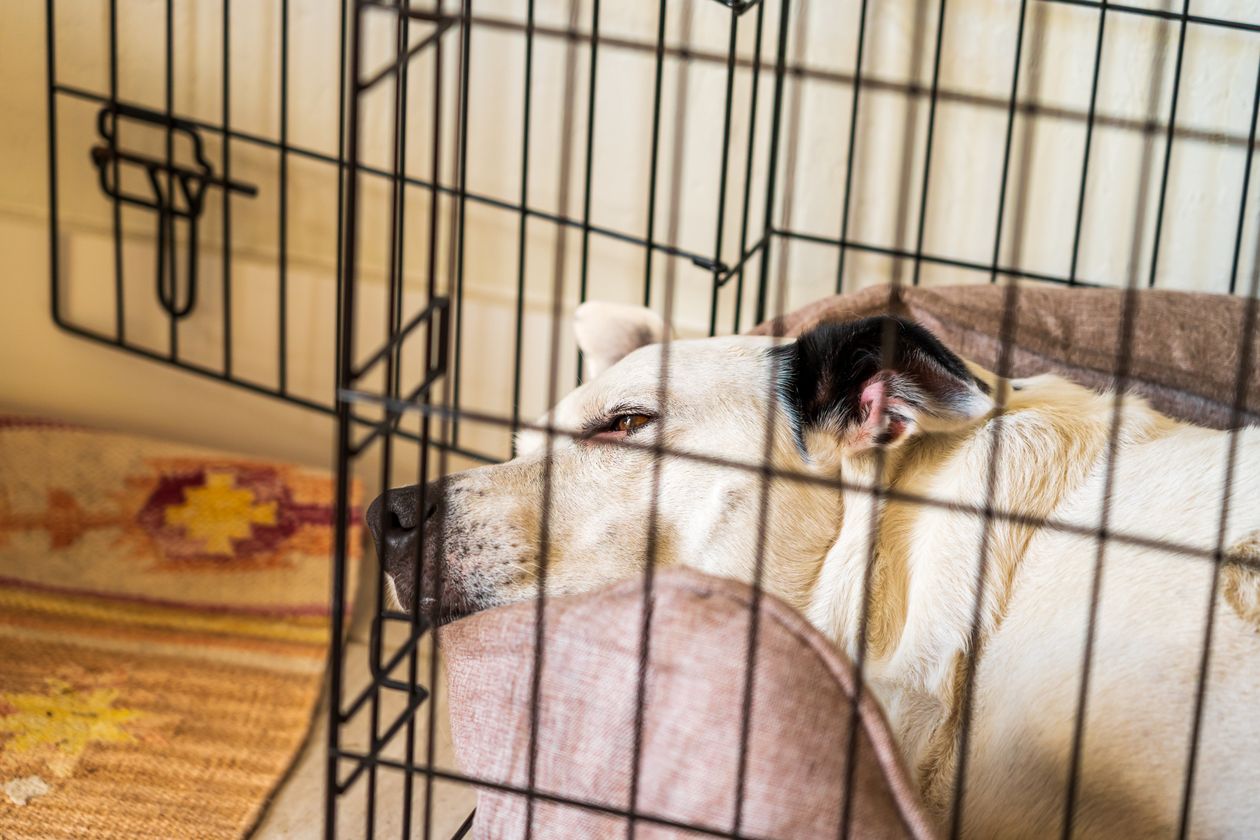
Crates can be useful for management, travel, housetraining support, veterinary visits, recovery, quiet rest and helping some dogs learn predictable alone-time routines. But a crate is not automatically calming simply because it is enclosed.
ASPCA and VCA both warn that some dogs become more distressed when confined. Crate use is a poor fit when the dog shows intense panic such as frantic escape attempts, excessive salivation, persistent vocalization, self-injury or escalating anxiety. In those cases, a dog-proof room, exercise pen or gated area may be a better management option while the underlying problem is assessed.
A crate may be useful when
- the dog voluntarily enters and can relax;
- you need a predictable rest area;
- you are building housetraining structure;
- the dog will need future travel, boarding or veterinary confinement;
- the crate prevents unsafe roaming for short managed periods.
Pause and reassess when
- the dog throws their body at the door;
- bars, doors or teeth are being damaged;
- panting or drooling escalates despite a cool environment;
- the dog howls or barks continuously and cannot settle;
- confinement triggers urination/defecation despite normal elimination opportunity;
- the dog appears more panicked with each repetition.
If vocalization is the main issue rather than confinement itself, Patify's trigger-based dog barking guide helps separate attention, fear, frustration and separation-related barking.
Choose the Right Crate and Location
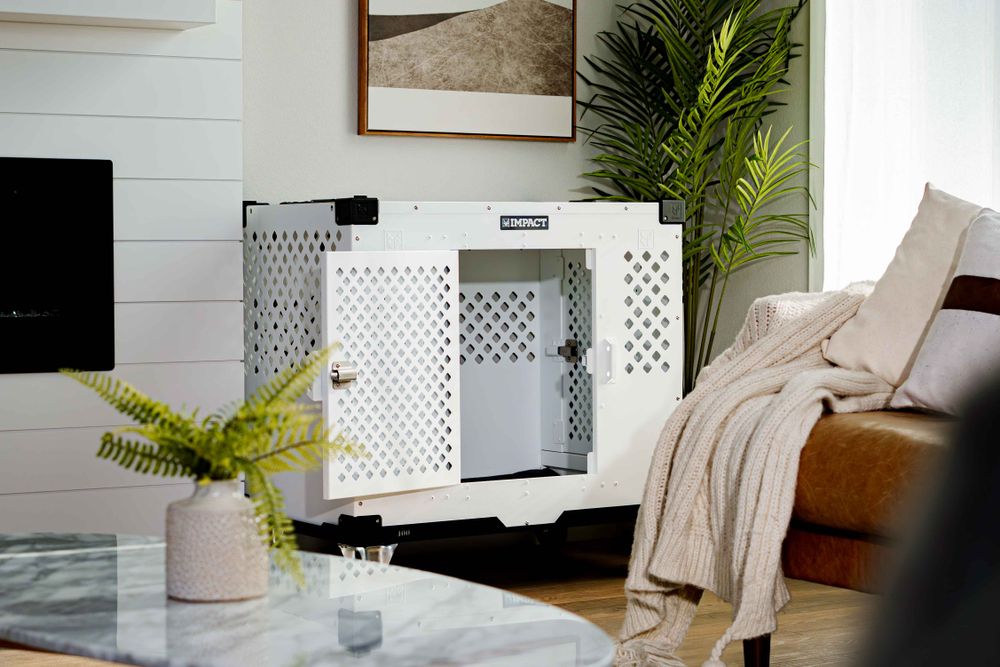
AKC guidance says a dog should have enough room to stand, turn around and lie down comfortably. For an adult dog, choose the crate for the dog you actually have—not a tiny “den” that restricts normal posture and not a huge enclosure chosen only because bigger seems kinder.
Location matters as much as size
For the first stage, put the crate somewhere the dog already spends relaxed time. A corner of the living room or bedroom is often easier than an isolated laundry room. VCA recommends putting an adult dog's crate around a feeding or sleeping area with the door open initially so the dog can begin entering voluntarily.
What to put inside
- comfortable, washable bedding if your dog does not destroy or ingest fabric;
- an appropriate chew or food toy only if it is safe for that individual dog;
- a non-slip base for dogs with weak footing;
- nothing with dangling loops, torn stuffing or pieces your dog tends to swallow.
Do not assume more bedding is always better for a senior dog. Some older dogs with arthritis or heat sensitivity may prefer a supportive but cooler surface. Comfort should be judged by how the dog actually rests.
Read Your Dog's Starting Point Before You Close the Door
Give yourself five minutes and observe the crate without training.
| Dog's response | Likely starting point | Your first goal |
|---|---|---|
| Walks in, sniffs, lies down | Positive or neutral history | Reward calm entry; begin very short door work |
| Approaches but will not step inside | Uncertainty | Reward investigation near the entrance; keep door open |
| Stretches neck in but keeps rear feet outside | Cautious | Move food closer to entrance; do not push from behind |
| Avoids room or freezes near crate | Possible negative association | Increase distance and rebuild around the environment first |
| Enters for food but bolts when door moves | Door/confinement is the trigger | Train door motion separately from duration |
| Pants, drools, claws or panics immediately | Significant distress | Stop confinement work and seek professional guidance |
This is where adult training differs from a generic puppy schedule: you are working with a learning history you may not know.
How to Crate Train an Older Dog: The Step-by-Step Plan
Stage 1: Make the open crate pay
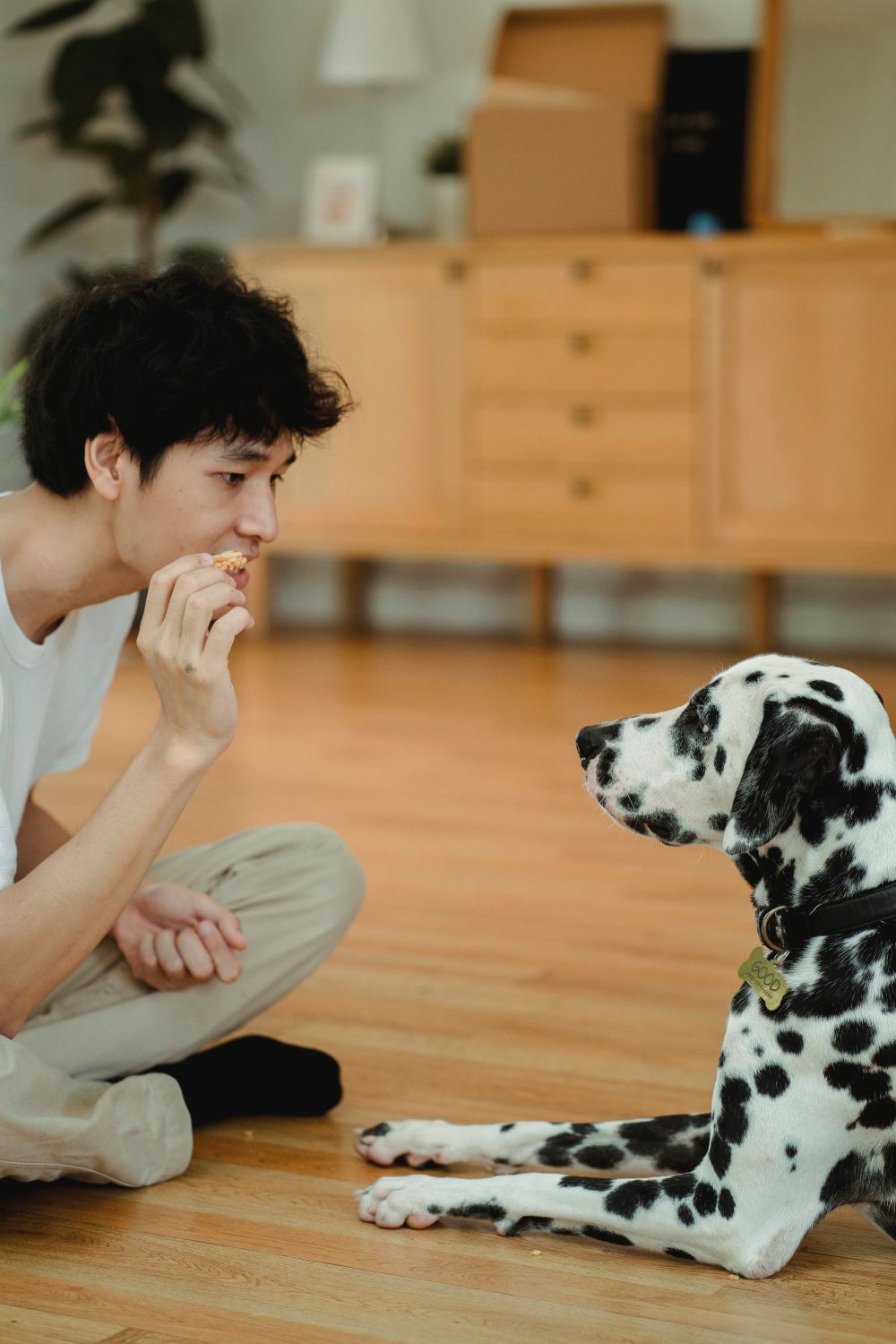
Secure the door so it cannot swing and start with no pressure to go inside. Toss a treat near the crate, then at the threshold, then just inside. If your dog is comfortable, place food farther in. VCA recommends using food, treats and valued chew items so adult dogs begin entering on their own.
Do not lure the dog deep inside and then immediately shut the door. That can teach a cautious dog that following food causes loss of control.
Stage 2: Reward full voluntary entry
When your dog is stepping all four feet inside comfortably, mark and reward. Let them exit again. Repeat until entering looks routine rather than hesitant.
You can now add a cue such as “crate,” “kennel,” or another short word. Say the cue just before the dog is about to enter, then reward the completed behavior. AKC recommends building voluntary entry before expecting confinement.
Stage 3: Build relaxation with the door still open
Give a safe food toy, chew or part of the dog's meal inside while you sit nearby. Let the dog leave when finished. Your first definition of success is not “stayed for 20 minutes”; it is chose to remain for a little while when leaving was possible.
Short reward-based training sessions elsewhere can improve communication. Patify's basic dog commands guide can help build marker, mat and stay skills that complement crate work.
How to Close the Door Without Creating Panic
Treat door movement as its own training step.
- Dog enters voluntarily.
- Touch the door, reward, and stop.
- Move it an inch, reward, reopen fully.
- Move it halfway, reward, reopen.
- Close it without latching for one second, reward, reopen.
- Latch for one second while you remain beside the crate, reward, reopen.
- Build to 3 seconds, 5 seconds, 10 seconds and so on only while the dog remains comfortable.
The progression is intentionally boring. Humane World notes that crate training can take days or weeks depending on age, temperament and previous experience, and recommends pleasant associations plus small steps rather than rushing.
Do not increase everything at once
Duration, distance and difficulty are three separate variables. If yesterday your dog rested for two minutes with you beside the crate, today's lesson should not suddenly become 20 minutes while you leave the house.
Better progression: 30 seconds with you beside the crate → 45 seconds beside it → 20 seconds while you stand three feet away → 45 seconds beside it again. Easy repetitions between harder ones protect confidence.
Add Distance and Short Departures Only After Confinement Is Comfortable
Once your dog can relax with the door closed while you stay nearby, begin moving around the room. Then step briefly out of sight and return before distress begins.
AKC's step-by-step crate guidance specifically recommends teaching voluntary entry and gradually increasing time and distance rather than making every repetition progressively harder.
A sample sequence
- 10 seconds while you sit beside the crate;
- 20 seconds while you stand up;
- 10 seconds while you walk across the room;
- 30 seconds while you sit nearby again;
- 3 seconds out of sight;
- 10 seconds out of sight;
- 30–60 seconds in another room;
- brief front-door exit;
- very short real departure.
Use a camera when you begin leaving the home. What happens after the door closes matters more than whether the dog looked calm while you were putting on shoes.
Do not use a crate to create an all-day confinement schedule. Even a house-trained adult dog needs regular elimination opportunities, physical movement, social contact, rest in different positions and normal life outside the crate.
Crate Training an Older Dog at Night
Nighttime and daytime absence are different skills. A dog may sleep comfortably in a crate beside your bed but become distressed when crated alone during the day.
For the first nights
- place the crate near where you sleep if proximity helps the dog settle;
- give the dog an appropriate toilet opportunity shortly before bedtime;
- keep the nighttime routine predictable and low-key;
- respond to genuine elimination needs, especially in senior dogs;
- do not assume every night vocalization is “testing you.”
For a newly adopted older dog, nighttime accidents can reflect incomplete housetraining, stress, medical disease or simply a schedule mismatch. AKC recommends treating an adult rescue dog with unknown housetraining history as a learner rather than assuming they “should know better.”
Crate Training a Rescue Dog: What Changes?
The training mechanics are the same, but your assumptions should be different.
A rescue dog may have:
- never lived indoors;
- been confined for long stretches;
- learned to eliminate where they sleep because they had no alternative;
- used a crate successfully in a foster home;
- associated kennel doors with shelter noise or isolation;
- no negative crate history at all.
Ask the shelter or foster home specifically: Has this dog been crated? For how long? Did they eat in it? Sleep in it? Bark? Soil it? Try to escape? AKC rescue guidance recommends learning the dog's baseline training and previous crate exposure because adult dogs arrive with very different histories.
If the dog has just arrived home, do not turn the first day into a crate endurance test. Let the dog decompress, establish predictable toilet and meal routines, and use the crate as one optional safe station while you learn the dog's behavior.
Crate Discomfort vs. Separation Anxiety
This distinction is crucial because a crate is not a treatment for separation anxiety by itself.
| Pattern | More consistent with crate/confinement issue | More concerning for separation-related distress |
|---|---|---|
| Dog relaxed loose when you leave, panics only when crated | Yes | Possible confinement anxiety |
| Dog panics whether crated or loose after you leave | Less likely crate-specific | More concerning |
| Dog eats a food toy after departure and settles | Potentially workable | Less suggestive of severe panic |
| Dog refuses favorite food, pants, drools, howls or tries to escape | Crate may worsen it | Strong concern for distress |
| Dog damages teeth/nails or bends crate trying to exit | Stop crate confinement | Needs professional assessment |
ASPCA specifically states that crates help some dogs when the crate has become a safe place, but can add stress for others. VCA warns that dogs with separation anxiety can make intense escape attempts from crates and may seriously injure themselves.
If your dog's distress occurs around departures, record the behavior and discuss it with your veterinarian or a qualified behavior professional instead of trying to “wait it out.”
Eight Common Mistakes When Crate Training an Adult Dog
- Forcing the dog inside. Physical pressure may get the door closed today while making tomorrow's training harder.
- Closing the door too early. Entering for one treat does not mean the dog is ready for confinement.
- Using the crate only when you leave. Then the crate can become a perfect predictor of isolation.
- Adding time and distance simultaneously. Train one variable at a time.
- Using the crate as punishment. The space should predict rest and good outcomes, not owner anger.
- Ignoring panic as “complaining.” Mild protest and severe distress are not the same behavior.
- Assuming an adult can be crated indefinitely because they can hold their bladder longer than a puppy. Physical capacity is not a welfare schedule.
- Trying to solve every behavior problem with confinement. Exercise, enrichment, training, medical care and behavior treatment still happen outside the crate.
For days when you need better non-crate outlets, use Patify's dog enrichment ideas guide to rotate sniffing, foraging, training and exploration rather than simply extending confinement time.
A Practical Crate-Training Progress Tracker
Move forward based on behavior, not a calendar.
| Level | Exercise | Ready to progress when... |
|---|---|---|
| 1 | Approach open crate | Body stays loose and dog willingly investigates |
| 2 | Full entry, door open | Dog enters repeatedly without hesitation |
| 3 | Rest/eat inside, door open | Dog stays voluntarily for short periods |
| 4 | Door movement | No retreat, freezing or startle escalation |
| 5 | Door latched for seconds | Dog remains relaxed and takes rewards |
| 6 | Minutes with owner nearby | Dog can settle rather than monitor continuously |
| 7 | Owner moves around/out of sight | Dog remains calm through short absences |
| 8 | Brief departure from home | Camera shows calm recovery and no panic signs |
If progress stalls, drop back one level. Going backward is not failure; it is information that the current step was too difficult.
Senior Dogs Need Extra Comfort and Medical Context
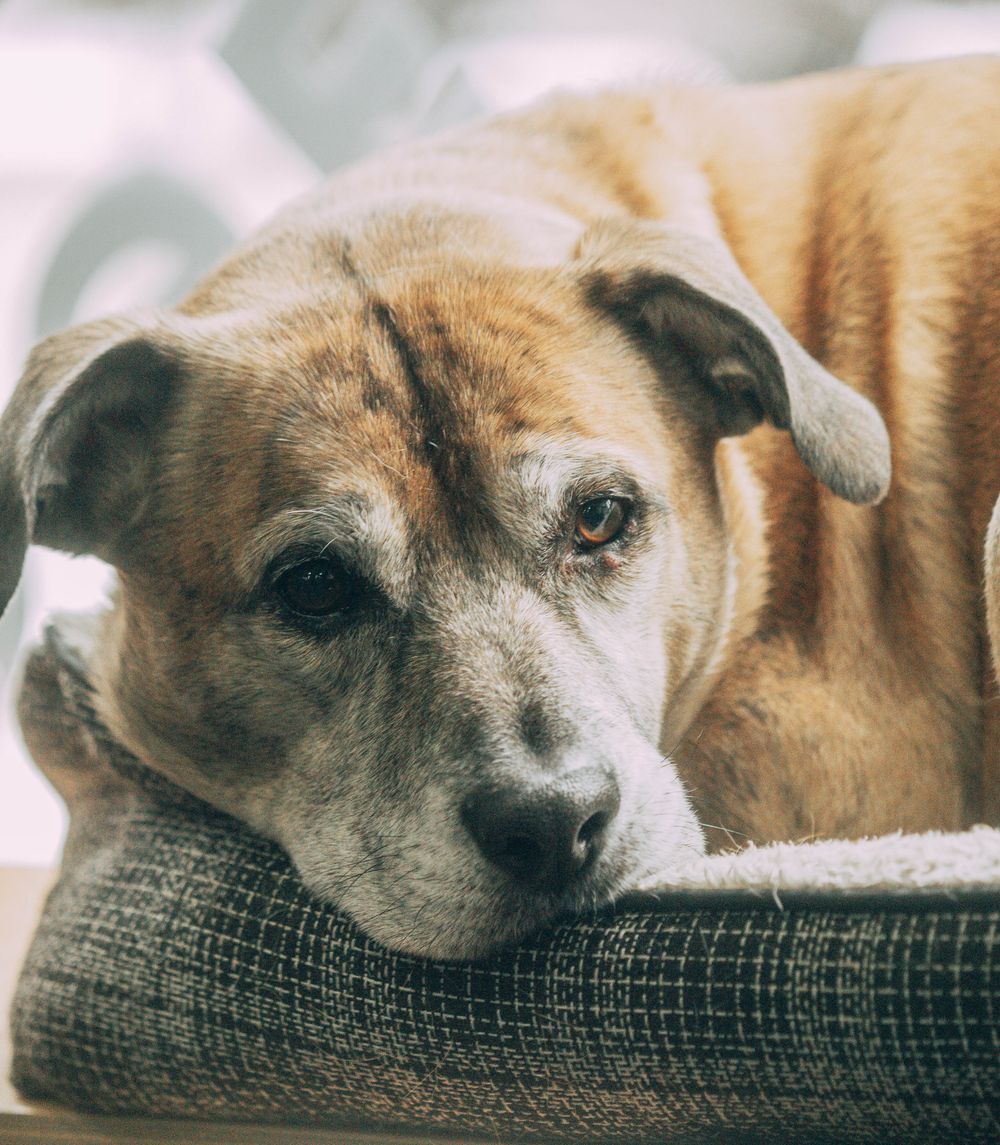
“Older dog” can mean a healthy three-year-old rescue or a 13-year-old senior with arthritis. Do not use the same setup blindly.
For a senior, consider:
- a low-threshold entrance that is easy to step through;
- non-slip flooring outside and inside the crate;
- enough room to change position comfortably;
- bedding matched to orthopedic and temperature needs;
- more frequent toilet opportunities if kidney, endocrine, urinary or cognitive problems are present;
- whether hearing or vision loss makes sudden door movement more startling;
- whether nighttime confinement increases confusion or restlessness.
If an older dog who previously liked the crate suddenly refuses it, vocalizes, cannot lie down comfortably or becomes restless at night, consider pain or other medical change before assuming the dog has “forgotten training.”
Frequently Asked Questions
Is it too late to crate train an older dog?
No. Adult and senior dogs can learn new crate routines. Previous experience, temperament, health and confinement history matter more than a simple age cutoff.
How long does it take to crate train an adult dog?
There is no reliable fixed timeline. Humane World notes that crate training may take days or weeks depending on age, temperament and past experience. A dog with a strong negative confinement history may need longer.
Should I put my older dog in the crate and let them cry?
No blanket “cry it out” rule is appropriate. Brief frustration and panic are not the same. Persistent barking/howling, heavy panting, drooling or frantic escape behavior are signs to reduce difficulty and reassess the setup.
Should I feed an adult dog in the crate?
Food can help create a positive association if the dog is comfortable enough to eat. VCA recommends food and treats as part of introducing an adult dog to a crate. Do not use food to lure a fearful dog inside and then suddenly trap them.
Can a rescue dog sleep in a crate on the first night?
Some can, especially if they already have positive crate experience. If history is unknown, keep expectations modest, place the crate near you if helpful, and monitor the dog's actual comfort rather than assuming every rescue needs the same first-night routine.
What if my adult dog is fine in the crate at night but barks when I leave?
Nighttime proximity and daytime separation are different contexts. Train departures separately and use a camera. If distress escalates around your absence, assess for separation-related anxiety.
What can I use instead of a crate?
Depending on the dog and purpose, alternatives include an exercise pen, a dog-proof room, a baby-gated area or supervised tethering to you while you are home. ASPCA specifically suggests room confinement behind a gate for dogs that become distressed in a crate.
Should I crate an older dog all day while I work?
No. A crate should not replace regular toilet breaks, movement, social contact and normal daily activity. If you need management for a long workday, arrange a larger safe area and appropriate breaks or care.
Bottom Line: Train the Door Last, Not First
The most reliable adult-dog crate plan is simple:
- choose a comfortable, correctly sized setup;
- let the dog investigate voluntarily;
- reward entry with the door open;
- build relaxation inside;
- train door movement in tiny steps;
- add duration;
- add distance;
- practice brief departures only after the earlier skills are comfortable;
- stop and reassess if confinement causes panic.
An adult dog does not need to “submit” to the crate. The goal is a dog that understands the routine, can predict what happens, and is physically and emotionally comfortable enough to rest.
If you have just adopted a dog and are building the whole household routine—not only the crate—Patify's first 30 days guide contains broader settling, routine and management principles that can be adapted carefully for a new adult dog without treating the adult like a puppy in every respect.