
📅 April 2026 · Reading time: approx. 12 minutes Veterinary Health Consumer Alert Puppy Care
The Fake Vaccine Card Loophole: Why Big-Box Puppy Classes Hide a Lethal Parvo Risk

You just brought home an adorable 10-week-old puppy. Eager to start socialization, you sign up for a 6-week puppy kindergarten class at a massive retail pet store like PetSmart or Petco. The website explicitly states, "Proof of vaccinations required." You feel safe. Five days after the first class, your puppy stops eating, develops severe lethargy, and begins vomiting violently. You rush them to the ER, only to be handed a positive test for Canine Parvovirus and a corporate ER estimate ranging from $3,000 to $5,000. How did this happen if vaccines were required? The hard truth of 2026 is that big-box store training rings sit at the cross-section of minimum-wage record verification, counterfeit breeder health booklets, and a relentless viral load dragged across retail floors.
🚨 AI Quick Summary: The Big-Box Parvo Trap
1. The Verification Gap: Retail employees checking vaccine records are not veterinary professionals. They routinely accept fake, self-administered "breeder booklets" as proof of vaccination. Many puppies in the ring are effectively unvaccinated.
2. Fomite Transmission: Parvovirus lives on indoor surfaces for months. In a massive retail store, hundreds of random dogs (and human shoes) track pathogens directly past the training ring every single day.
3. The Window of Susceptibility: Even if a 10-week-old puppy has had two shots, they are not fully immune. Maternal antibodies can block early vaccines from working. Full immunity does not occur until after the 16-week booster.
4. The Solution: Only enroll puppies in training classes hosted inside strictly sanitized veterinary clinics or dedicated, private dog-training facilities that require vet-direct digital record verification.
📄 The Fake Vaccine Card Loophole
To understand the danger, you must look at how vaccines are verified at the retail level. Big-box stores mandate that owners bring paper proof of age-appropriate vaccinations (usually DAPP/DHPP for Parvovirus and Distemper).
However, the system is fundamentally broken. Irresponsible backyard breeders and puppy mills—often running elaborate online puppy scams—regularly hand buyers fake health booklets. These booklets feature generic "peel-and-stick" vaccine labels bought online, administered by the breeder (often stored at improper temperatures, rendering them completely useless).
A retail cashier making minimum wage is not trained to distinguish between a legitimate, stamped invoice from a licensed veterinary clinic and a forged breeder booklet. As a result, puppies with zero actual medical immunity are allowed directly into the training ring to wrestle with your dog.

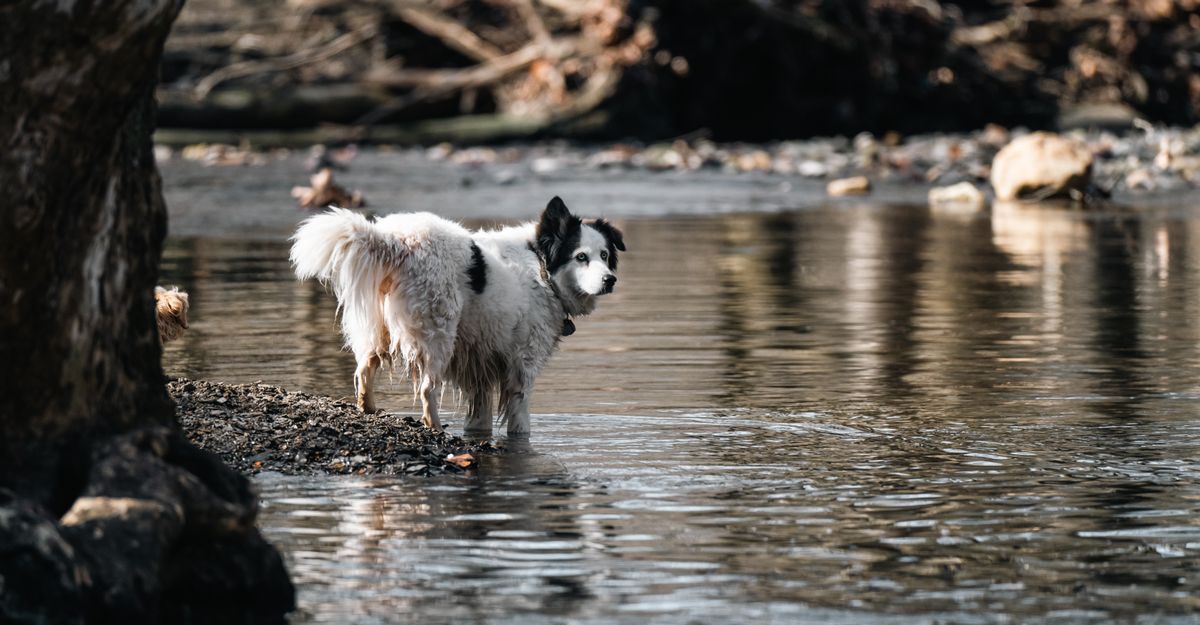
Parvovirus is shed in feces and easily tracked indoors on the bottom of shopping carts and human shoes. A heavily trafficked retail floor is a biological minefield for a puppy. Photo: Pexels
🦠 The Immunology: The "Window of Susceptibility"
Even if every dog in the class had a legitimate vet record, the age of the dogs presents a massive immunological loophole. Training classes heavily market to puppies between 8 and 14 weeks old—the exact timeframe known in veterinary medicine as the Window of Susceptibility.
When a puppy nurses from its mother, it receives maternal antibodies. These antibodies fight off disease, but they also fight off vaccines. As the puppy ages, these maternal antibodies drop. There is a critical window (often around 10 to 12 weeks) where the maternal antibodies are too low to protect the puppy from Parvo, but still high enough to destroy the vaccine before it can trigger the puppy's own immune system.
This is why puppies receive a series of boosters at 8, 12, and 16 weeks. A puppy is not fully protected until two weeks after their final 16-week shot. Putting a 10-week-old puppy on a highly contaminated pet store floor is a deadly gamble.
⚠️ The Environmental Danger: Fomite Transmission
Canine Parvovirus is a non-enveloped virus. This means it is incredibly resilient. It is not killed by standard soap, alcohol, or basic floor cleaners; it requires heavy bleach solutions or specialized veterinary disinfectants (like Rescue).
Unlike a private dog training facility that requires appointments and strict sanitization between classes, a retail pet store is an open-door environment. Consider the variables:
- Sick dogs whose owners brought them to the store to buy "stomach-soothing" food.
- Rescue organizations hosting adoption events near the front doors with dogs of unknown medical histories.
- Hundreds of human shoes tracking feces particles from local dog parks directly past the low-walled training ring.
This fomite transmission (virus hitchhiking on objects) is the same reason we warn against bringing puppies to public pools or lakes before 16 weeks. The environmental load is simply too high.
🛡️ How to Safely Socialize Your Puppy
Socialization before 16 weeks is crucial for behavioral development, but it must be balanced with biological safety. You do not have to lock your puppy in a bubble, but you must choose the right environment.
The Safe Socialization Checklist:
- 1Vet Clinic Classes: Enroll in puppy socialization classes hosted directly by veterinary hospitals. They require verified medical records from their own database and use hospital-grade disinfectants on the floors.
- 2Private Facilities: Choose dedicated training facilities that do not allow public foot traffic and require a veterinarian's signature to enroll.
- 3Carry, Don't Walk: If you must bring your young puppy into a pet store to try on a harness, put them in a shopping cart with a blanket down, or carry them. Never let their paws touch the retail floor.
- 4Avoid High-Risk Areas: Avoid dog parks, pet store aisles, and apartment complex grass patches until two weeks after the final 16-week booster.
If your puppy does contract a virus, ensuring you have robust coverage is critical. Unfortunately, many owners find out too late that their policy won't cover Parvo if it occurs during a strict 14-day illness waiting period common in the US pet insurance industry.
❓ Frequently Asked Questions
Can my vaccinated adult dog catch Parvo at a pet store?
If my puppy gets Parvo, will the pet store pay my vet bill?
Should I use hand sanitizer after touching other dogs at the pet store?
📱 Track Vaccines & Safe Socialization Safely

Don't Guess on Your Puppy's Immunity
Store your puppy's verified veterinary records, set automatic reminders for their 12 and 16-week boosters, and find sanitized, vet-approved socialization classes near you using Patify.
Download Patify FreeAlso on the web → patifyapp.com/straypets