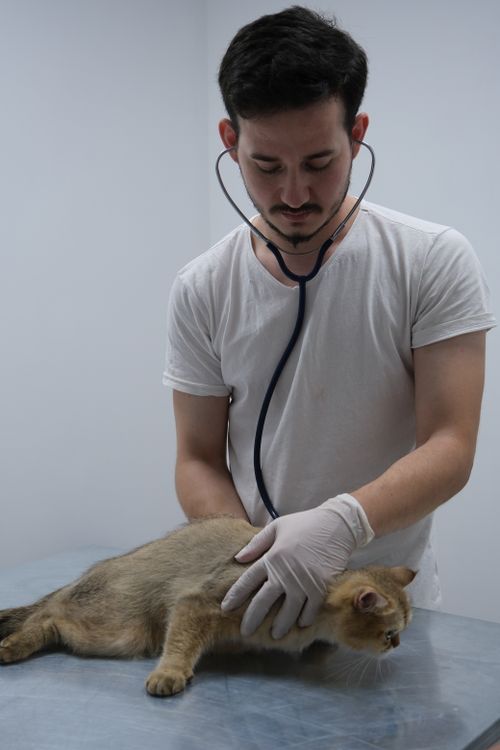

🦷🩸 Cat Gums Bleeding: Causes, Urgency & Why Soft Food Isn’t Treatment (2026)
If your cat's gums bleed during eating, grooming or mouth handling, changing to soft food may make chewing easier — but it does not diagnose or treat the cause. Gingivitis and periodontal disease are common, but bleeding can also occur with feline chronic gingivostomatitis, a damaged/resorptive tooth, oral trauma or mass, or a systemic bleeding disorder. Advanced uremia can cause oral ulceration too, but bleeding gums alone are not an early kidney-disease test.
📌 The safest first question is urgency: is this mild bleeding from an inflamed gumline in an otherwise normal cat, or uncontrolled bleeding with pale gums, bruising, collapse, breathing difficulty, severe oral pain or suspected toxin exposure?
⚡ Quick Triage: Emergency, Same-Day Vet, or Prompt Appointment?
🔴 Emergency now
Uncontrolled or heavy bleeding; collapse or marked weakness; pale/white or blue-purple gums with breathing difficulty; widespread petechiae/bruising plus bleeding; suspected anticoagulant rodenticide exposure; major facial trauma; or bleeding with black/tarry stool and systemic illness.
🟠 Same day / within 24 hours
Spontaneous or recurring oral bleeding; blood-tinged drool; cat stops eating or appears very painful; obvious oral ulceration, swelling or mass; fractured/loose tooth after trauma; foul breath plus severe inflammation; or bleeding plus vomiting, weight loss or excessive thirst/urination.
🟢 Prompt dental appointment
A small amount of bleeding only when chewing or when the gumline is touched, with normal appetite, activity and breathing and no systemic red flags. Even mild bleeding is not “normal”; gingivitis/periodontal disease still deserves examination.
1. Gingivitis and Periodontal Disease — the Common Dental Explanation
Merck describes periodontal disease as the most common oral problem in small animals. Gingivitis is inflammation of the gingiva next to plaque-covered tooth surfaces, and affected gums can bleed on contact. If disease progresses to periodontitis, the periodontal ligament, gingiva and supporting alveolar bone are damaged.
Why a quick look can miss disease: periodontal staging requires more than visible tartar. Probing and dental radiographs are used to assess attachment loss and bone/root pathology, and AAHA notes that clinically important abnormalities can exist in teeth that look fairly normal above the gumline.
Soft food may reduce mechanical discomfort, but it does not remove subgingival plaque, restore lost bone or treat a diseased tooth.
2. Feline Chronic Gingivostomatitis (FCGS) — Severe, Painful Oral Inflammation
FCGS is not simply “red gums everywhere.” Merck describes the hallmark as severe mucosal inflammation in the caudal oral cavity, often at or lateral to the palatoglossal folds. Gingiva, alveolar, buccal, sublingual and other oral mucosa may also be involved. Cats can drool, have blood-tinged saliva, develop halitosis, struggle to chew or swallow, and become reluctant to open the mouth because of pain.
⚠️ Cause vs association: FCGS is thought to involve an inappropriate/immune-mediated inflammatory response. Feline calicivirus and other infectious agents are associated with the disease, but an association is not the same as proving one virus caused an individual cat's stomatitis.
Extensive dental extraction remains a mainstay of therapy, but the old “85%+ full-mouth extraction success” promise was too strong. Published clinical remission rates vary substantially, and many cats still need medical management after surgery. Cornell reports that roughly 60% of cats in one clinical experience required no further medical management after full-mouth extraction; recent literature cites remission rates roughly in the 52–67% range depending on study design and case selection.
3. Tooth Resorption, Fracture, Trauma or an Oral Mass
Not every mouth bleed originates in the gumline. Cats commonly develop tooth resorption, and fractured teeth, ulcers, foreign material, traumatic injury and oral tumors can also create blood-tinged saliva or focal bleeding.
💡 A focal, one-sided, proliferative or non-healing lesion deserves veterinary investigation rather than being assumed to be “just gingivitis.” Merck notes that atypical focal lesions may require biopsy to exclude neoplasia or another specific oral disorder.
4. Bleeding / Platelet / Clotting Disorders
Severe thrombocytopenia and other hemostatic disorders can cause mucosal bleeding, including gingival bleeding. Petechiae (tiny pinpoint hemorrhages), larger bruises, nosebleeds, prolonged bleeding after minor injury, black stool or blood in urine increase concern for a systemic problem.
🚨 Anemia is different: anemia itself is not a standard explanation for gums suddenly starting to bleed. It may develop because of blood loss or another disease, and Cornell notes that anemic cats may have very pale/white gums, lethargy or breathing changes.
Anticoagulant rodenticide is one possible cause of a bleeding disorder, but not every rodenticide works through anticoagulation. If exposure is possible, identify the product and contact a veterinarian or poison service immediately rather than starting vitamin K at home.
5. Kidney Disease: When Uremia Can Affect the Mouth
The previous article treated “bleeding gums + senior cat” almost like an early CKD signature. That is too broad. Early CKD often has no obvious clinical signs. As renal dysfunction becomes advanced and uremia develops, oral ulceration/stomatitis, vomiting, dehydration, reduced appetite and weight loss can occur.
Correct interpretation: oral ulcers in a systemically ill or azotemic cat can be related to uremia. Mild gum bleeding by itself does not diagnose kidney disease and does not mean a dental cleaning will inevitably “fail until CKD is treated.” A senior cat with oral bleeding may need dental assessment and age-/symptom-appropriate blood pressure, blood and urine testing.
SDMA can add useful renal-function information and may rise earlier than creatinine in some cats, but Cornell and IRIS both emphasize that kidney disease should be assessed with the whole clinical picture rather than a single number.
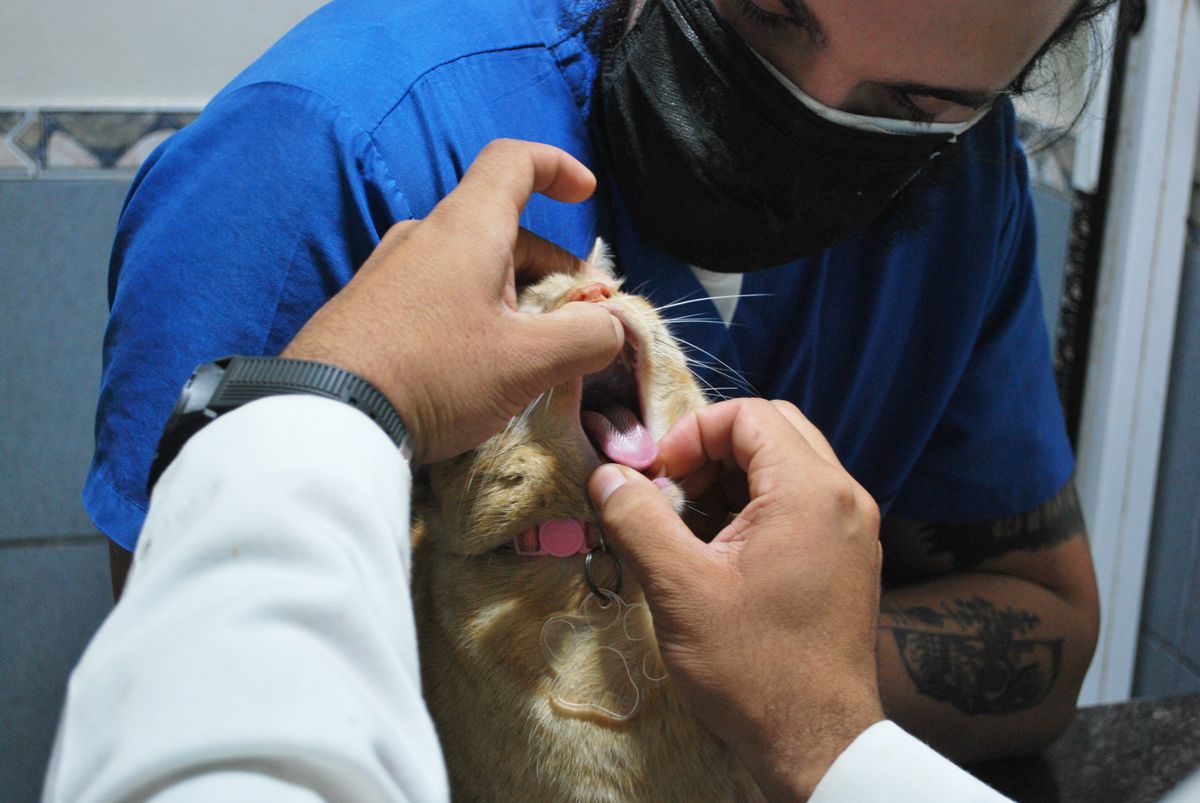
🎨 Gum Color: Useful Context, Not a Home Diagnosis
| What you notice | What it can suggest | What to do |
|---|---|---|
| Pink / normally pigmented | May be normal for that individual cat | Compare with your cat's usual appearance |
| Red, swollen gumline | Gingivitis, periodontal inflammation or other oral disease | Dental examination |
| Pale / white | Anemia, poor perfusion or shock among several possibilities | Urgent if sudden or accompanied by weakness/breathing changes |
| Blue / purple | Possible inadequate oxygenation | Emergency, especially with respiratory distress |
| Yellow / icteric | Bilirubin accumulation from red-cell destruction, liver disease or biliary obstruction | Prompt/same-day veterinary assessment |
| Dark focal / ulcerated / necrotic-looking tissue | Trauma, severe inflammation, necrosis, mass or other oral disease | Same-day/urgent assessment depending on severity |
⚠️ Do not diagnose “shock” from capillary refill time alone at home. CRT is one part of a veterinary perfusion assessment and can be difficult to interpret in pigmented gums, poor lighting or an anxious cat. Collapse, breathing difficulty, marked weakness and abnormal gum color matter more than chasing a stopwatch number.
🪥 Home Dental Care: Prevention vs Active Bleeding
Healthy mouth
Gradual acclimation to regular tooth brushing is strongly supported by feline preventive-care guidance. Use a toothpaste/product intended for pets and a soft brush or wipe your cat tolerates.
Bleeding or painful mouth
Do not force brushing over actively bleeding, ulcerated or severely inflamed tissue. Get the cause assessed first.
VOHC products
VOHC-accepted cat diets, treats, gels, sprays, water additives, toothpastes and wipes have evidence for plaque and/or tartar control when used as directed.
Ordinary wet or dry food
Food texture alone is not periodontal treatment. Specific dental diets are different because their plaque/tartar claims have been evaluated.
💡 Human toothpaste is not a feline dental-care product. Cats swallow what is placed in their mouth, whereas human toothpaste is formulated around people spitting it out. Use a veterinary/pet product rather than trying to judge individual human toothpaste ingredients yourself.
🩻 Why Dental Radiographs and Anesthesia Matter
A conscious oral examination is useful, but it cannot fully evaluate tooth roots and bone below the gumline. AAHA recommends general anesthesia with endotracheal intubation and monitoring for comprehensive dental procedures. A complete anesthetized assessment can include tooth-by-tooth examination, periodontal probing and full-mouth intraoral radiographs.
Age alone is not a reason to abandon needed dental care. AAHA notes that medically indicated procedures should be balanced against individualized anesthetic risk rather than automatically rejected because a cat is old. Pre-anesthetic assessment and monitoring are tailored to the patient.
Anesthesia-free scaling cleans only visible surfaces and cannot provide the same diagnostic or therapeutic standard below the gumline.
📅 How Often Should a Cat's Mouth Be Checked?
The old article used a rigid “annual from age 3; every 6 months after age 7” dental rule. Current AAHA/AAFP life-stage guidance is broader:
- Oral health should be discussed and examined throughout life, beginning with kitten visits.
- Young adult, mature and senior cats all need deliberate oral evaluation.
- General wellness examinations are at least annual for kittens, young adults and mature adults, increasing to approximately every 6 months for senior cats under the AAHA/AAFP life-stage framework.
- The timing of professional dental procedures is based on the individual oral examination — not simply the birthday.
✅ What to Tell Your Veterinarian
- When did you first notice blood?
- Does bleeding happen spontaneously, during eating, or only when the mouth is touched?
- Any drooling, pawing at the mouth, bad breath, chattering or reluctance to eat?
- Any weight loss, increased drinking/urination, vomiting or lethargy?
- Any bruising, petechiae, nosebleeds, black stool or blood in urine?
- Any possible rodenticide, medication or toxin exposure?
- Has the cat had previous dental disease, resorptive lesions or extractions?
- Bring a clear photo/video if the bleeding or abnormal eating is intermittent.
❓ Frequently Asked Questions
Is a small amount of gum bleeding normal in cats?
No. A tiny amount is not necessarily an emergency, but healthy gingiva should not routinely bleed. Gingivitis, periodontal disease or another local problem should be considered.
Can switching to wet food fix bleeding gums?
No. Softer food can make eating easier for a painful cat, but it does not treat periodontal attachment loss, a diseased tooth, FCGS or a systemic bleeding disorder.
Does bleeding from the gums mean my senior cat has kidney disease?
No. Advanced uremia can cause oral ulcers/stomatitis, but early CKD is often clinically silent. Gum bleeding alone cannot diagnose CKD.
Is SDMA enough to diagnose CKD?
No single test gives the complete picture. SDMA can be useful and may detect reduced renal function earlier than creatinine in some cats, but veterinarians interpret it with creatinine, urinalysis/urine concentration, blood pressure, history and other findings.
Is anemia a cause of bleeding gums?
Not usually. Severe platelet or coagulation disorders can cause mucosal bleeding. Anemia is more often a consequence of blood loss or another disease and may make the gums look pale or white.
Does feline stomatitis always affect the entire mouth?
No. The hallmark of FCGS is severe caudal oral mucosal inflammation; the extent varies. If inflammation is confined to the gingiva next to teeth, gingivitis or periodontitis may be more likely.
Does full-mouth extraction cure more than 85% of cats with stomatitis?
That is too strong. Dental extraction is a mainstay of treatment, but reported complete-remission rates vary, and some cats need ongoing immunomodulatory/medical therapy after surgery.
Can a cat eat after full-mouth extractions?
Yes. Cats can adapt well after appropriate extractions, and removing painful diseased teeth can markedly improve eating and quality of life. Postoperative diet and pain control should follow the treating veterinarian's plan.
Should I brush gums that are actively bleeding?
No forceful brushing over painful or actively bleeding tissue. Have the mouth examined first, then restart preventive home care after the underlying disease has been treated and your vet says brushing is appropriate.
Are anesthesia-free dental cleanings a safer alternative?
They are not equivalent to a complete veterinary dental procedure. AAHA notes that they cannot adequately evaluate or treat disease below the gumline and lack the diagnostic capability of an anesthetized oral exam with radiographs.
🔬 Veterinary Sources Used for This September 2026 Update
- Merck Veterinary Manual — Oral inflammatory and ulcerative disease / feline stomatitis
- Merck — Dental disorders of cats
- Cornell Feline Health Center — Gingivostomatitis
- Cornell — Chronic kidney disease in cats
- Cornell — Anemia in cats
- Merck — Platelets and mucosal bleeding
- Merck — Anticoagulant rodenticide poisoning
- AAHA/AAFP — Feline dental care
- AAHA — Dental Care Guidelines
- Veterinary Oral Health Council — Accepted products for cats
- IRIS — CKD early diagnosis and SDMA interpretation
- BMC Veterinary Research 2026 — FCGS extraction outcomes and remission range
📱 Track Oral Health With Patify

Bleeding episodes, eating changes, weight and vet notes in one timeline
Record when bleeding occurs, whether your cat is eating normally, changes in weight or water intake, dental findings and lab results. A clear history can help the veterinary team separate oral disease from systemic illness.
DOWNLOAD PATIFY FREE🎯 Bottom Line
Bleeding gums are a sign, not a diagnosis. Gingivitis and periodontal disease are common, but severe stomatitis, tooth disease, trauma/masses and bleeding disorders also belong on the list. Advanced uremia can ulcerate the mouth, but mild gum bleeding alone should not be marketed as an early CKD clue. Soft food can reduce chewing discomfort; it cannot replace an oral examination, dental imaging when indicated, or treatment of the underlying cause.