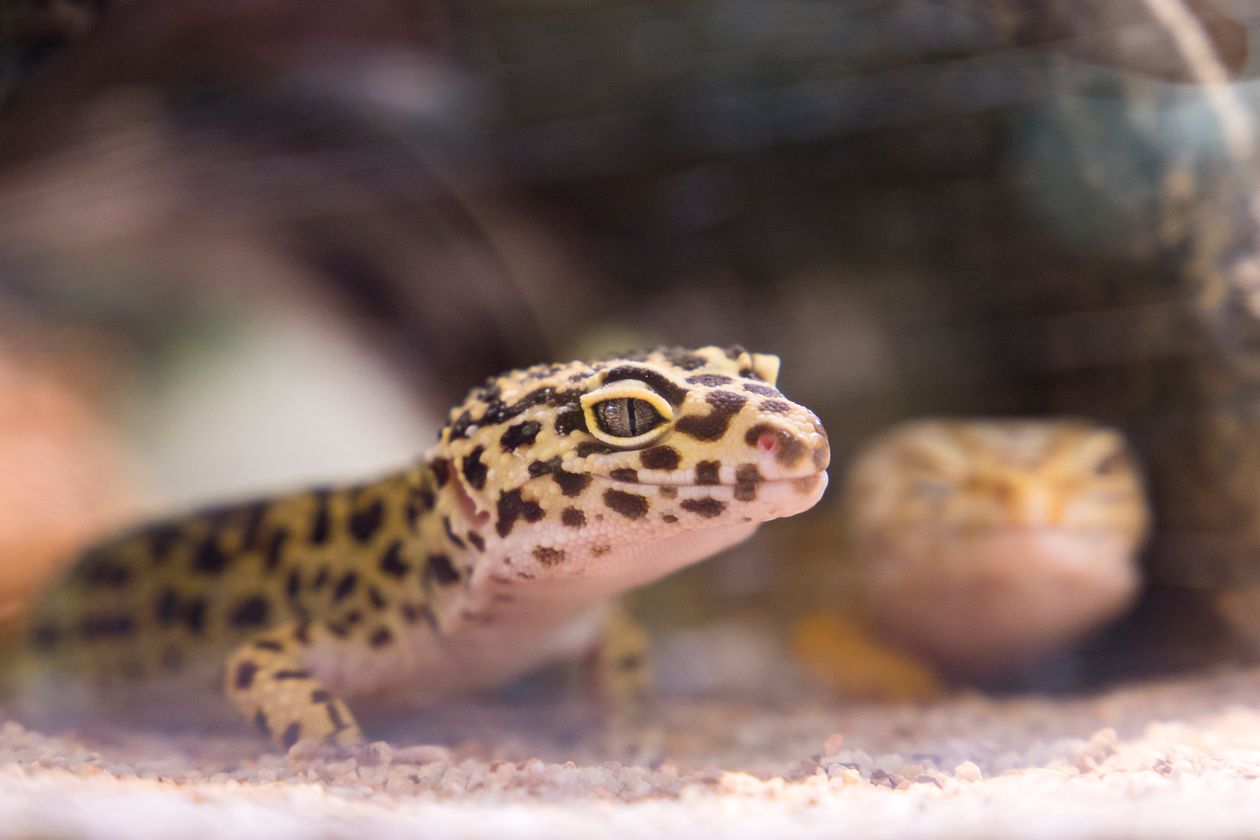
Chahoua Gecko Care: Arboreal Setup, Feeding and Canadian Climate
A species-specific Canadian chahoua gecko care guide to climbing habitat, UVB, measured humidity, insect-rich feeding, healthy observation and buying responsibly.
Chahoua care starts with the animal, not a generic gecko checklist
A chahoua gecko is a substantial, nocturnal climbing lizard with a muscular gripping tail and a habit of melting visually into bark. Its mossy appearance is what draws many people in, but the more useful fact is that it moves through a complicated three-dimensional habitat. A successful home has shaded routes, secure gripping surfaces and measured conditions at several heights. It is not simply a crested gecko enclosure with a different resident.
Before bringing one home in Canada, decide whether you can maintain that habitat through dry heated winters and summer heat waves. Budget for an enclosure sized for an adult rather than a temporary starter tank, reliable thermometers, controlled heating, UVB provision, live feeder insects and an exotics veterinarian. A chahoua can be a long-term commitment; apparent stillness during the day should not be mistaken for low maintenance.
Scientific name, common names and provenance
The accepted name is Mniarogekko chahoua. Older literature and some sales listings say Rhacodactylus chahoua, and the animal may be sold as a mossy prehensile-tailed gecko or simply a chewie. The NCBI taxonomy browser and the Reptile Database record the older combination as a synonym. Those names describe the same species in these contexts, not two different care categories.
Chahoua originate in New Caledonia, including Grande Terre and the Isle of Pines. Captive-bred animals should come with a credible history and clear seller information rather than an unsupported locality or colour promise. There are locality claims in the trade, but colour and pattern alone cannot authenticate ancestry. Record the scientific name, breeder, acquisition date, feeding history and any documented locality. This is especially valuable if a future veterinarian needs to interpret a previous enclosure or diet.
Who this species suits, and who should choose differently
For a keeper who enjoys observing evening movement and building a complex planted display, chahoua offer fascinating behaviour. Their camouflage and cautious climbing are more rewarding when the animal can choose to remain hidden. Some become tolerant of brief necessary transfers, while others stay wary. Neither personality should be used to justify forced handling or frequent display in bright daytime lighting.
Someone seeking a colourful, constantly visible daytime reptile may be happier researching a suitable diurnal species instead. A household that cannot keep live feeder insects, check a tall enclosure daily or manage summer overheating should postpone the purchase. A chahoua is not a decorative object and should not be chosen because a seller calls it an easy gecko. Proper room-level temperature control matters as much as individual accessories.
Adult size and enclosure planning
ReptiFiles describes chahoua reaching approximately 25–31 cm including the tail and proposes a generous adult habitat around 91 × 46 × 91 cm or larger. Smaller enclosures sometimes appear in breeder descriptions, but bare minimum numbers are not a substitute for usable climbing space and safe movement. Measure clear interior dimensions after backgrounds, lighting guards and feeding ledges have been installed; those additions can substantially reduce usable volume.
A tall box with one pole is not adequate simply because the printed dimensions look promising. Spread stable branches across multiple levels, create covered horizontal resting surfaces, and retain enough room for the gecko to turn without constantly touching walls. House one adult per enclosure as the straightforward welfare-oriented default. Introducing two animals creates compatibility and monitoring questions that a general article cannot resolve safely.
Build a vertical habitat with usable width
Begin with sturdy cork bark, wide textured branches and anchored planting structures. Chahoua use both vertical and more horizontal surfaces, including sheltered understory spaces, so do not design every pathway as a narrow upright stick. Connect the feeding shelf, warm area, foliage and retreat by more than one stable route. Check that supports cannot spin or collapse when an adult climbs over them at night.
The finished layout should have a calm rear retreat, accessible middle feeding area and uncluttered front service corridor. This reduces the temptation to dismantle décor at each meal. Hold plants in secure containers or stable substrate pockets; loose pots and stones can fall. Avoid adhesive-backed décor within reach of claws or mouth. Record a diagram or photograph of the empty enclosure before installation for maintenance planning, not as a claim of live-animal testing.
| Enclosure element | Ready condition | Correct before purchase |
|---|---|---|
| Branches | Multiple firmly anchored routes with resting width | One unstable upright pole |
| Retreat | Shaded cork and foliage at several levels | No covered hide |
| Equipment | Probes at both warm and cooler perches | Single dial on front glass |
| Access | Serviceable feeding ledge and water | Door opens into main hide |
How to arrange hides and foliage
A chahoua often looks for cover among broad bark surfaces and plant leaves. Offer cork tubes, half rounds, sturdy branches with sheltered undersides and leaf clusters that break up sight lines. A retreat should let the animal disappear without becoming inaccessible for routine visual checks. A keeper who can only see the gecko by peeling away its chosen hide has designed a stressful monitoring system.
Balance cover with visibility from outside the glass: a quiet observation angle near a branch junction can be enough to track movement and droppings. Do not trim all leaves simply because you want better photographs. Disturbance at night, lights switched on suddenly and repeated rearrangement can interfere with settling. If the gecko stays concealed during daylight and emerges after lights-out, that may be entirely normal rather than evidence that the habitat has failed.
Heating: measured basking rather than an overheated room
A low-powered external heat source can create a modest warm zone while the rest of the enclosure stays cooler. ReptiFiles' chahoua guidance is more useful as a complete gradient than as a single universal thermostat number: heat access, cooler retreats and nighttime conditions all matter. Use a digital probe at the actual basking perch and another in a sheltered, cooler location, then review their readings over a full light cycle.
Canadian homes add two opposing risks. A house furnace can dry the enclosure during a freezing week, while a west-facing apartment can become dangerously hot on an August afternoon even without a heat lamp. Never rely on a window for controlled warming; sunlight through glass can drive temperatures rapidly beyond a safe range. Thermostatic control, lamp guards and measured setbacks are better than adjusting a fixed lamp by guesswork.
Temperatures change across branches and seasons
Air temperature at the floor may be different from the warmest accessible branch. Place sensors where the gecko actually rests and feed those measurements back into your setup decisions. A large numeric display stuck to the front pane may read room air while missing the hot spot near a lamp. Review temperatures after adding a deep background or changing the fixture height, because surfaces and airflow affect local conditions.
Nighttime cooling need not mean a drastic temperature swing engineered without species-specific justification. Chahoua should have a stable environment, with controlled transitions and no access to dangerously hot exposed equipment. A sudden failure of heating or cooling is more important than achieving an arbitrary decimal on a thermostat. Keep an emergency plan for outages: a ventilated travel container, temperature monitoring and access to safe indoor accommodation.
UVB and the limits of an all-purpose bulb recommendation
Chahoua are most active in low light, yet low-light activity does not prove that UVB is irrelevant. ReptiFiles recommends providing suitable low-level reptile UVB as part of broader husbandry. The correct lamp depends on fixture design, screening, branch-to-bulb distance and whether the gecko can retreat into shade. The manufacturer's distance chart and a suitable UV Index meter, where available, are more informative than wattage alone.
Place heat and UVB to form a predictable choice of light and warmth, leaving shaded cover elsewhere. Glass and some plastics block significant UVB, so a lamp behind ordinary enclosure glass is not equivalent to an appropriately placed reptile fixture. Do not push an animal into a high-exposure beam because someone online reports a stronger bulb. Seek an experienced reptile veterinarian's advice when diet, calcium provision and lighting have previously been inconsistent.
Humidity is a cycle, not a permanently wet number
Mist to support drinking and normal moisture access, then allow appropriate drying and air exchange. Hygrometer percentages vary by probe placement and time of day, especially in a vertically heated enclosure. Instead of chasing one fixed reading with continuous spraying, look at a daily rise and fall, the condition of the substrate, and whether surfaces remain soggy long after misting.
In an Ontario winter, dry heating may shorten the moisture cycle; on a humid maritime summer day it may be the opposite. Record when the misting happens and how the enclosure feels several hours later, without placing fingers on the gecko. Persistent condensation, sour smells and waterlogged pockets point to a ventilation or drainage issue. Wetness is not a substitute for hydration, and dryness is not achieved by eliminating all access to drinking water.
Water access and safe misting
Provide a clean, stable shallow water dish at an accessible location even if you regularly mist foliage. Not every gecko visibly visits a dish, but withholding it because of that observation removes a simple opportunity. Replace water on a predictable schedule and ensure feeding powder, substrate and insects do not foul it. Locate the dish away from electrical equipment and routes where it will be repeatedly knocked down.
A pump sprayer or automated misting system should be serviced and checked just like heating hardware. Nozzle position can matter: spraying directly onto a resting animal may startle it, while spraying only the exterior wall accomplishes little inside. Test any timer while the enclosure is empty and have a way to intervene if a nozzle sticks open. Inspect drainage and air exchange after a system change.
Substrate, drainage and bioactive choices
A moisture-holding reptile-safe substrate with a functional drainage strategy can support live plants and occasional moisture spikes. It should not become a stagnant swamp, and there must be no exposed drainage layer particles that the gecko can accidentally swallow. Secure larger decorative stones and prevent soil from falling into feeding cups. For a planted setup, research every plant's suitability and how it reacts to the chosen lighting.
Bioactive is a method of husbandry, not permission to stop cleaning. Springtails and isopods can participate in decomposition, but food cups, droppings, water dishes and escaped feeder insects still need attention. Establish plants and drainage before introducing the gecko; an unstable new arrangement can create more work than a simple accessible enclosure. Our existing Patify bioactive terrarium guide provides general groundwork, while this page focuses on chahoua-specific decisions.
| Food component | Practical use | Avoid |
|---|---|---|
| Complete gecko diet | Fresh elevated portion from label directions | Human baby food as staple |
| Feeder insects | Captive bred, sized, gut-loaded | Wild pesticide-exposed prey |
| Calcium and UVB | Coordinate with verified setup and vet advice | Unmeasured stacking of supplements |
| Water | Fresh reachable dish and misting choices | Only occasional spraying |
Feeding is not identical to feeding a crested gecko
Chahoua are omnivorous and should receive both a high-quality appropriate prepared gecko diet and correctly sized, gut-loaded feeder insects. ReptiFiles specifically describes a substantial insect component for this species, a meaningful distinction from the simpler schedules often recommended for adult crested geckos. The precise routine depends on age, body condition, product instructions and the individual animal's response; it is not prudent to copy a crested gecko calendar without review.
Confirm that the powdered formula is a complete diet for the intended animal rather than fruit flavouring or a treat. Mix a small portion as the manufacturer directs, place it on an elevated feeding ledge and refresh it before it spoils. Offer live insects through a contained feeding method so uneaten prey does not remain hidden in the substrate. Record what was actually eaten rather than treating an empty cup as definitive proof of consumption.
Insects: nutrition, size and handling
Use appropriately sized captive-bred insects such as crickets or feeder roaches where legally available and practical. Gut-loading means feeding the insects a suitable diet before offering them, not simply dusting an empty stomach at the last moment. Calcium supplementation must fit the complete-diet formulation, UVB regime and veterinary advice; more powder is not automatically better. If insect sources in your area are inconsistent, solve that problem before acquiring an insect-eating gecko.
Avoid wild-caught insects from yards treated with pesticides or contaminated areas. Never leave active crickets roaming indefinitely where they may stress or bite a resting reptile. Use a suitable feeding cup or supervised feeding approach, remove leftovers and note whether the animal is reluctant at a particular time. New geckos may take time to adapt to feeding locations, but persistent refusal deserves an assessment of conditions and health.
Feeding stations should support the gecko's grip
Mount a washable dish ledge on a stable surface accessible from nearby branches. A heavy dish balanced on a thin vine may wobble; a suction mount that detaches in moist conditions can drop suddenly. Consider a magnetic or secure mechanical attachment with no exposed small parts. Ensure the animal can reach the diet without balancing precariously on a sharp rim.
Place the station where you can replace food without reaching into the main hide. If you see smeared diet on the glass, inspect toes and climbing surfaces for accumulated residue. Fresh food and water should be separated so a tipped cup does not contaminate both. A second station can be useful for monitoring a new arrival, but adding dishes indiscriminately makes actual consumption harder to evaluate.
A simple feeding log that reveals patterns
A useful log separates food offered from food observed eaten. Note diet brand and formula, mixing method, insect type and size, feeding time, stool evidence and weekly weight trend when safe weighing is possible. Include enclosure temperatures because digestion and appetite can change when a reptile cannot select appropriate heat. You do not need a sophisticated application; a dated notebook is enough if the entries are consistent.
Look for patterns over several checks instead of diagnosing a single skipped meal. A gecko approaching shed, settling into a new habitat or preferring evening food may behave differently. However, declining weight, persistent lethargy, unusual posture or a prolonged failure to eat should prompt a qualified reptile veterinarian. Home force-feeding or casual supplement escalation can worsen the situation.
Handling, gripping tails and safe transfers
Although some chahoua tolerate calm handling, they have adhesive feet and a prehensile tail that should never be used as a handle. Support the body from below and work over a soft, low surface during necessary transfers. Let the animal move voluntarily rather than peeling toes off glass or grabbing a tail as it climbs away. A secure ventilated transfer container is useful for enclosure repairs and examinations.
Minimize handling soon after arrival, during shedding and when the animal displays obvious distress. Frequent photographs, pass-the-gecko sessions and sudden overhead approaches offer little husbandry benefit. Chahoua can jump unpredictably, so close windows and doors before opening the enclosure. If the animal escapes into a room, lower stimulation and use a controlled containment plan instead of chasing it across furniture.
Understanding normal activity and stress signals
Chahoua often rest motionless in daylight and move through branches after dusk. A comfortable animal may repeatedly choose the same hiding route, but those patterns should be recorded rather than interpreted as absolute guarantees of wellbeing. A change in day-night activity may reflect disturbance, lighting, temperature or health. Watch appetite and stool evidence alongside behaviour instead of selecting one clue in isolation.
Stress may appear as frantic movement when the door opens, repeated attempts to flee or prolonged refusal to use exposed feeding areas. Review whether the habitat offers enough covered routes and whether a television, pets or foot traffic disturb it. Observe from a distance first; forcing an examination every time a behaviour changes can hide the very pattern you are trying to understand.
| Observation | Possible explanation | Safer next check |
|---|---|---|
| Reduced activity in daytime | Normal nocturnal pattern | Observe calmly after dusk |
| Food left after arrival | Adjustment or setup change | Check freshness, heat, safe access |
| Sticky toes or poor grip | Contamination, shed or illness | Look for injury; seek reptile vet |
| Persistent condensation | Excess water relative to ventilation | Review drying and airflow |
Shedding, skin on toes and what not to do
Healthy shedding depends on hydration, appropriate enclosure conditions and the animal's general health. Some shed happens overnight and leaves little visible evidence. Check toes and tail carefully when the animal is visible because retained skin can interfere with normal movement. Do not pull at attached shed or soak a distressed reptile according to an online improvisation; consult a qualified reptile veterinarian if constriction or injury is suspected.
A single rough shed should trigger an environmental review rather than an unmeasured decision to keep the entire enclosure permanently wet. Look at misting, ventilation, accessible water and the exact places where the gecko rests. Keep the record of any intervention and follow-up observation. Changes work best when they are measured and reversible, not when every parameter is altered simultaneously.
Health warning signs and veterinarian planning
Reptiles can conceal illness. Weight loss, weakness, repeated falls, mouth abnormalities, laboured breathing, visible injuries and persistent digestive changes warrant veterinary attention. A pet that is sleeping at noon is not by itself a clinical emergency, but a gecko that can no longer cling normally may need prompt assessment. Find an exotics veterinarian before purchase, including an emergency service accessible in your region.
Keep photographs of the enclosure, temperature logs, supplement containers and food labels. This information helps a clinician distinguish husbandry questions from possible medical problems. Avoid treating suspected parasites or metabolic bone disease with unsupervised medication. Reptile medicine and precise supplementation are individual decisions, and a generic web care sheet cannot replace a physical examination.
Canadian winter, power loss and dry indoor air
Forced-air heating can lower indoor relative humidity while keeping room temperatures warm; an enclosure can therefore become dry even when the thermometer looks unchanged. Test your planned misting cycle in the actual room through several days rather than copying another keeper's schedule. Place equipment away from exterior windows, drafts and radiators. A second hygrometer can reveal a misleading or poorly placed sensor.
During power outages, monitor conditions and use a safe room-level contingency instead of introducing unregulated hot rocks, candles or improvised heaters. For travel or emergencies, keep a ventilated secure container, spare supplies and the contact details of an experienced local reptile clinician. The goal is stability until normal systems return, not artificially creating a tropical climate with unsafe electrical shortcuts.
Where to buy responsibly in Canada
Ask a breeder or established retailer for accurate identification, captive-bred history, observed feeding, approximate age and a clear explanation of any health concern. A photo of a beautiful adult proves little about the condition of the animal being offered. Request images of the specific gecko and, where possible, ask what it has been eating and in what kind of enclosure it has been housed.
Exotic animal possession rules can vary by municipality and other jurisdictions. Cross-border imports are a separate legal decision: Canada's CITES permitting guidance explains how to check the scientific name against the species checklist, and CFIA may have additional requirements. Do not assume that absence from one list settles every rule. Verify permissions before paying a deposit and prefer lawful, responsibly bred animals over uncertain international shipments.
Budget for systems, not an invented retail price
A chahoua costs more than a food bowl. Your preparation list should include a tall adult enclosure, stable branches, secure hides, a thermostat and temperature probes, a suitable UVB fixture, lighting guards, feeding ledges, quality gecko diet, feeder insect care supplies and an emergency fund. Canadian retail prices change with province, availability, shipping and tax, so this guide does not invent a national total or claim one breeder's price is the market average.
Compare complete setups rather than only the animal's sale price. A lower quote may omit heating control, insect supply or a proper full-size enclosure. The most valuable purchase decision is to postpone acquisition until the core systems are ready and the feeding routine is achievable. A week of empty-enclosure testing may prevent a difficult adjustment period for the gecko.
A seven-day pre-arrival and observation plan
Before the arrival date, secure every opening, run the lighting and heating schedule, measure upper and lower temperatures, check moisture cycling, practise accessing the feeding station and plan a quiet area for the enclosure. Label switches so another household member can identify the correct equipment. Use the empty habitat to rehearse how you will replace water without dislodging a branch.
After the gecko arrives, prioritize privacy and reliable conditions. Keep a simple observation record of where it rests, whether food appears eaten, where it defecates and whether it climbs normally at night. Avoid daily rearrangement to make the animal visible. One week is only the beginning of a baseline; adjustment can take longer, and ongoing weight or behaviour concerns require informed review.
Common mistakes and how to correct the setup
A tall but sparsely furnished terrarium fails to provide the sheltered routes this species uses; add stable cork and foliage rather than only increasing height. A perpetually wet enclosure with little ventilation does not imitate a healthy forest; improve air exchange and observe the drying cycle. A purely fruit-based diet omits important nutrition, while a crested-gecko feeding frequency may understate the insect component described in species-focused guidance.
Another frequent error is treating successful brief handling as evidence that the animal likes repeated sessions. Reduce disturbance and let behaviour guide whether transfer is necessary. If multiple problems emerge, identify the most urgent safety risk, photograph or record existing conditions and change one controlled variable at a time. Seek veterinary care for clinical signs rather than endlessly adjusting decoration.
Practical decision checklist before bringing one home
You are closer to readiness when an adult-sized, escape-secure enclosure is operating; upper and lower temperatures have been measured; shaded retreats and climbing corridors exist; fresh water and accessible feeding ledges are installed; and both prepared diet and appropriately sized feeder insects can be obtained reliably. You should also know who will care for the animal during holidays and where to find a reptile veterinarian.
If any of those essentials are unresolved, waiting is the responsible choice. Chahoua care is less about hitting a perfect advertised number than maintaining a safe, measurable environment over years. Treat each care range as a starting framework to verify with specialist sources, your particular animal and actual instruments. Good preparation protects a reptile whose needs are easy to underestimate behind its extraordinary camouflage.
Sources and editorial scope
Taxonomic references, focused husbandry guides and official Canadian import guidance were consulted. Numeric care ranges differ by source and require verification for the actual animal and measured enclosure; this article does not claim original testing or veterinary endorsement.
Serious injury, abnormal movement, persistent deterioration and suspected failed moults or egg complications warrant a qualified exotics veterinarian. Avoid improvised medication, forced feeding and treating a general article as an individual diagnosis.