Crested Gecko Food Guide: Complete Diets, Insects and Label Checks
A Canadian crested gecko feeding guide comparing official Pangea and Repashy directions, complete diets versus treats, live insects, adult and juvenile schedules and food safety.
Start with the meaning of complete crested gecko food
A crested gecko can appear willing to lick almost anything sweet, but enthusiasm is not evidence of nutritional completeness. The central decision is whether the staple food is a prepared diet formulated to supply the animal's essential nutrients, rather than plain fruit puree, flavoured jelly or a treat marketed for reptiles. ReptiFiles identifies several established complete gecko diet manufacturers and discusses appropriately prepared powder as the routine foundation of a captive crested gecko feeding plan.
Canadian shoppers also need to distinguish the exact formula from the brand name. A company may sell complete diets, breeding formulas, supplements and occasional treats under the same logo. Read the front and back of the actual product package, including directions, intended species and ingredients. A page updated in October 2026 cannot guarantee that every retailer has the newest Canadian-labelled package, so the label in your hand takes precedence over a screenshot.
The species and why feeding advice differs from other geckos
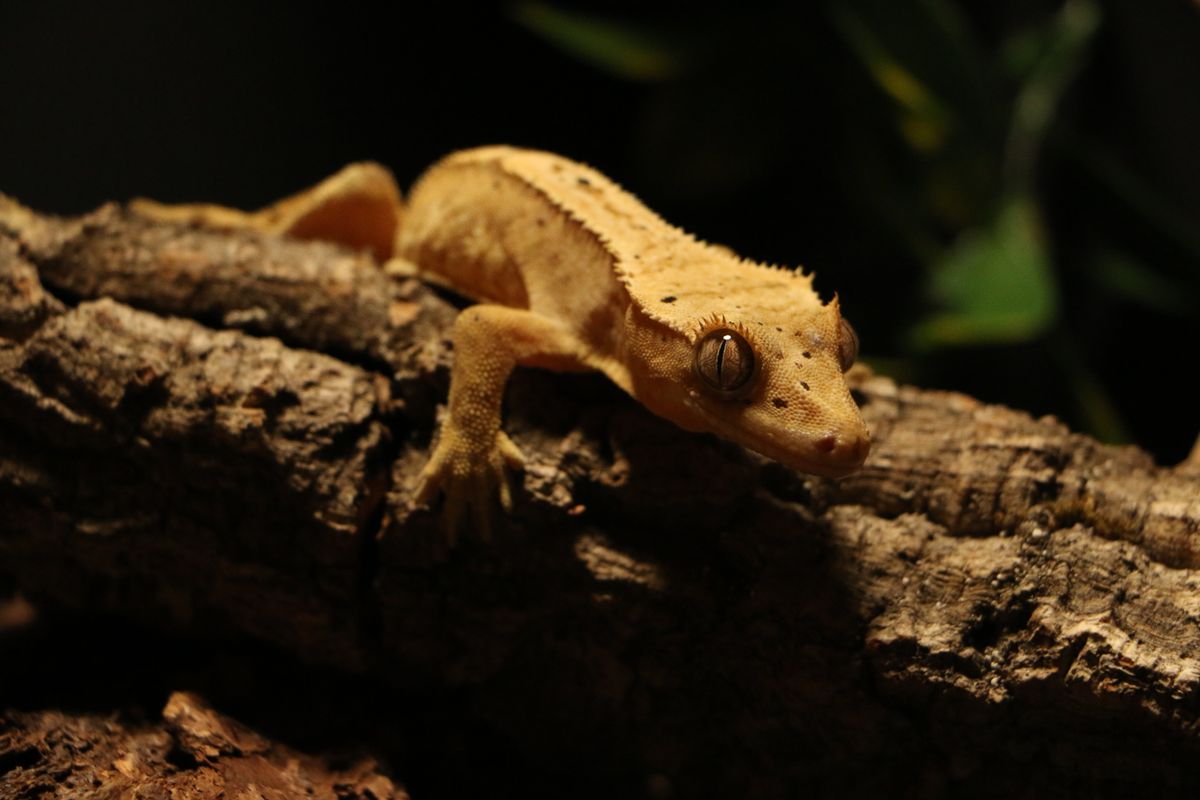
Correlophus ciliatus is the crested gecko, a New Caledonian climbing species that uses both animal-derived and plant-derived foods in its wider natural history. Captive care is not an attempt to recreate every wild fruit and insect precisely. It is a nutritional plan using vetted complete food, appropriately managed live prey, clean water and suitable enclosure conditions. The requirement is reliability and balance, not a constantly changing buffet.
Feeding schedules written for chahoua, mourning geckos or gold dust day geckos should not simply be copied over. Those species vary in activity, size and dietary recommendations; the label “gecko food” does not establish a universal menu. This guide is specifically about crested gecko diet selection and feeding decisions. It does not replace a full husbandry guide covering heat, UVB, sanitation and veterinary screening.
Complete diet versus treat versus supplement
A complete diet is explicitly formulated to be a primary food when prepared according to its directions. A treat adds variety but is not balanced to serve as the sole long-term diet. A supplement contributes one or more nutrients but cannot be assumed to replace a complete formula. Plain mashed mango, banana or baby food belongs outside the routine staple category even when the gecko licks it eagerly.
Check wording carefully. “Contains fruit,” “reptile safe,” “all natural” and “with calcium” are not the same as “complete crested gecko diet.” Protein, vitamin and mineral amounts matter in relation to everything else in the formula. If a product makes broad claims but provides no usable directions or nutritional information, consider another formula or ask a knowledgeable reptile veterinarian for guidance rather than relying on marketing language.
Three product labels, three different decisions
Pangea's With Insects formula is marketed as a complete crested gecko diet and lists insects in its composition. Pangea's Fig & Insects is also described as complete, but its manufacturer specifically notes that it mixes thinner than some banana-containing versions. Repashy's Mango Superblend provides a guaranteed analysis, mixing directions and a recommendation to remove unused prepared diet within 24 hours. These are genuine label distinctions, not claims that we independently tested palatability or outcomes.
Compare the actual product in Canada by formula name, package size, ingredient statement, expiry date, mixing ratio and feeding directions. Never assume two flavours within a brand have identical protein percentages or the same water requirement. Growth-and-breeding formulas may use different guidance from maintenance products. Manufacturer statements describe their own formulation; they should not be represented as independent veterinary trials conducted by Patify.
Read the guaranteed analysis without a false ranking
A guaranteed analysis can list minimum crude protein and fat, maximum fibre and moisture, and sometimes calcium. Those figures help identify differences but do not rank foods on their own. Protein percentage without context says little about ingredient digestibility, life stage or the energy density of the final prepared mixture. Nor does a higher number automatically mean a healthier gecko. Read the full formula and use the manufacturer’s intended purpose.
The moisture printed on a dry powder label describes that powder, not the water-rich food after mixing. Comparing it directly with a freshly mixed competitor is misleading. Likewise, a product that lists insects can still have other major protein sources, while a fruit-heavy formula can be fortified. Use a label comparison table to record facts, not to announce one universal winner for every animal.
| Question | Complete diet | Not a substitute |
|---|---|---|
| Intended purpose | Label expressly states complete crested gecko diet | Fruit jam, baby food or nectar treat |
| Preparation | Specific manufacturer water ratio | Universal guessed ratio |
| Nutrition | Actual formula + analysis and intended stage | A flavour slogan alone |
| Use | Routine staple at appropriate frequency | Unsupervised extra vitamin stack |
Mixing ratios must come from the chosen package
Both Pangea With Insects and the cited Repashy Mango Superblend page use one part powder to roughly two parts water by volume as a starting point. Pangea Growth & Breeding gives a different starting ratio of about one part powder to 2.5 parts water. That difference is exactly why “all gecko powders are two-to-one” is a risky shortcut. Always check the instructions on the exact bag or container being opened.
Measure powder and water using clean dedicated utensils. Mix until no dry lumps remain, then allow time for products that thicken after hydration. Repashy specifically notes that its blend can look watery at first. A smooth sauce-like texture is generally easier to present than a dried paste or watery bowl, but never dilute so severely that the animal receives an unpredictable portion. Make only what you can use safely.
Freshly offered food and refrigerated mix are different clocks
Manufacturers may give a longer refrigerated storage period for a prepared batch, but that is not permission to leave food exposed in a warm vivarium for days. Repashy's instructions say to remove uneaten diet within 24 hours. Pangea descriptions commonly distinguish refrigeration guidance from the feeding-cup replacement schedule. The safest routine is to follow the specific label, keep preparation hygienic and discard old exposed food promptly.
A covered refrigerated container is not sterile. Label the mixing date and keep the batch away from contaminating foods and equipment. If a mixture smells unusual, separates in a way the manufacturer does not anticipate or has been exposed to insects and substrate, throw it away rather than trying to rescue it. In warmer enclosures, a conservative replacement routine makes practical sense regardless of the maximum storage statement.
A feeding ledge can improve actual access
Crested geckos often feed more comfortably at an elevated ledge near stable branches. Position a shallow cup so the animal can reach it without jumping from a thin twig, and so the keeper can service it without opening the entire enclosure. Keep the ledge clear of hot lamps and sources of dripping substrate water. A clean water dish can occupy a separate cup even when routine misting provides droplets.
A tiny gecko may eat only a small amount, making it hard to distinguish feeding marks from evaporation. Start with a modest serving and inspect the surface after dark instead of filling a large bowl that hides the evidence. Replace dishes regularly and wipe diet residue from climbing surfaces. A cup smeared across the glass is not proof of a nutritious meal; track posture, activity, droppings and body condition as well.
Juveniles need more frequent opportunities to feed
ReptiFiles describes offering complete diet daily to juveniles up to roughly 12 months, with appropriately sized insects one or two times each week as a reference schedule. That is practical guidance, not a promise that every young gecko will eat visibly every day. Young animals have different growth demands and often need smaller meals placed where they can reliably find them. Enclosure temperatures and health also affect digestion.
Do not judge intake by the disappearance of a large portion prepared for an adult. A very small cup helps you see tongue marks and prevents waste. If the gecko is losing weight or repeatedly ignoring prepared food, inspect the product freshness, dish location and enclosure conditions. An experienced reptile veterinarian is appropriate for persistent poor growth or concerning behaviour rather than simply increasing sugar or adding random supplements.
Adult frequency and body condition
For healthy adults, ReptiFiles suggests complete diet every two to three days and live insects zero to once weekly depending on the animal, with a preference for enrichment where appropriate. Some manufacturer labels give different schedules, especially for breeding or maintenance formulations. Treat these as starting frameworks and adjust under reliable professional guidance based on age, body condition, appetite, reproductive state and the entire diet.
A healthy adult does not need a new fruit treat every time it declines its usual food. Offering sweeter alternatives can train a pattern of refusing the staple. Check whether the animal has eaten recently, whether the cup has dried out and whether the environment supports normal appetite. Weighing gently when necessary, with a consistent method and minimal handling, gives better long-term information than reacting to a single uneaten bowl.
Insects remain useful even when powder contains insects
A complete powdered diet that includes insect ingredients may supply necessary nutrients without daily live prey, but offering appropriate captive-bred insects can support foraging and behavioural enrichment. ReptiFiles discusses this distinction explicitly. Frequency depends on the animal's condition and what else it receives. More prey is not necessarily better: excessive high-energy treats may contribute to weight gain, and unsupervised insects can injure a resting gecko.
Choose small feeder insects such as appropriately sized crickets or suitable roaches, where allowed and available. They should generally be no wider than the space between the gecko's eyes for harder-bodied feeders, as a practical size check. Remove uneaten insects promptly. Don't substitute wild-caught bugs from treated gardens or roadside areas; their chemical exposure and parasite history are unknown.
Gut-loading and calcium dusting serve different purposes
Gut-loading is the feeding and care of live insects before they are offered to the gecko; dusting is the application of a supplement just before feeding. They are not the same process and one does not automatically replace the other. ReptiFiles recommends properly gut-loaded insects and calcium supplementation, with vitamin D decisions linked to UVB provision. Exact supplementation should consider the chosen complete diet and an experienced reptile veterinarian's guidance.
Too little suitable calcium can be harmful, but automatically doubling supplements also introduces risk. Do not add vitamin D powder to a prepared complete formula simply because it sounds beneficial. Follow current manufacturer instructions and seek medical assessment for weakness, tremors or abnormal posture. Nutritional disease is not diagnosed from one photograph or solved by guessing how many extra grams of powder to add.
| Official product example | Mix ratio starting point | Notable label detail |
|---|---|---|
| Pangea With Insects | 1 powder : 2 water | Complete formula; insect ingredients |
| Pangea Fig & Insects | 1 powder : 2 water | Thinner consistency than some banana formulas |
| Pangea Growth & Breeding | 1 powder : 2.5 water | Different life-stage directions |
| Repashy Mango Superblend | 1 CGD : 2 water | Thickens; remove exposed leftovers within 24 hours |
Fresh fruit is an occasional extra, not the foundation
Suitable small pieces of fruit can be used sparingly as treats, but regular servings of mashed banana or human baby food are not replacements for formulated crested gecko nutrition. ReptiFiles cautions against reliance on baby food and overuse of fruit because the nutrient balance differs from what a captive gecko needs. A gecko's enthusiasm for a sweet fruit says more about preference than dietary adequacy.
If you occasionally offer fruit, avoid making it the main food offered at the expense of the complete formula. Remove leftovers before they spoil and wash the dish. Do not introduce citrus peels, pesticide-contaminated produce or novel foods based on social-media novelty videos. When a gecko consistently rejects the complete diet but accepts treats, return to checking formula choice, feeding times and environmental variables.
Water, hydration and the moisture in prepared food
A freshly mixed diet provides moisture, but it does not eliminate the value of clean water. Crested geckos can drink from a dish and may also lick droplets following misting. Keep a fresh supply in a secure shallow container and watch for contamination from substrate or food. The cup should remain accessible from a stable branch; a very dry or very hot ledge can make both food and water less appealing.
Persistent dehydration requires a review of the habitat and veterinary advice rather than offering increasingly watery powder as a treatment. A dilute mix may obscure actual nutrient intake. Record whether misting is functioning, whether water disappears through spillage and whether the gecko shows abnormal behaviour. The goal is reliable choices for drinking and feeding, not treating the food cup as a substitute for environmental husbandry.
Changing brands without losing the baseline
Some geckos readily accept a new flavour, while others prefer the formula they previously ate. A change should be measured. Keep a record of the former diet and introduce the new complete formula in a way that lets you observe acceptance without starving the animal or offering an endless sequence of sweet rewards. Check the exact instructions for both products because texture may vary even with similar mixing ratios.
If a new food is consistently untouched, do not immediately assume a health problem or declare the brand defective. Review expiry, freshness, feeding time and location first, then consider preferences and veterinary concerns. Avoid mixing supplements indiscriminately into multiple products to make the switch more palatable. A stable known complete diet that the animal eats is usually a better baseline than constant rotation without a reason.
How to read product claims without inventing expertise
“Breeder-tested,” “high protein,” “with insects” and “complete” are not interchangeable claims. A manufacturer may report its own development process and feeding experience; Patify has not independently fed test colonies or commissioned nutrient assays. Check the ingredients and guaranteed analysis on official product pages, and distinguish that factual record from marketing promises about colour, rapid growth or reproductive success.
A useful label comparison looks at intended life stage, completeness, mix ratio, ingredient sources, replacement instructions and availability from a dependable Canadian retailer. It does not rank powders solely by fruit flavour or customer stars. If a formulation has been changed since a review was written, use the newer pack label and ask the manufacturer rather than quoting the old numbers with unwarranted certainty.
Protein percentages are not a growth programme
Pangea With Insects lists a minimum crude protein around 21% on the manufacturer's page, while Repashy Mango Superblend lists a minimum around 20%; these are declared guarantees for different dry products, not a head-to-head trial showing one produces healthier animals. Growth is affected by total calories, environment, insect feeding, genetics and health. A small percentage difference cannot be used to prescribe a feeding plan on its own.
A growth-and-breeding formula is designed for a particular use and may have different fat content or directions. Do not give it automatically to a sedentary adult just because it sounds more nutritious. If breeding is involved, seek a qualified herpetological or veterinary review of diet and calcium management before relying on a marketing category. Responsible feeding should be informed by the individual's needs rather than a slogan on the pouch.
Keeping food safe in a Canadian household
Store dry powder sealed, cool and dry according to its label, and respect expiry dates. Canadian homes can be humid in summer and dry in winter; either condition can affect a poorly closed package. Use a clean scoop rather than dipping hands or wet spoons into the powder. Keep feeder insects and reptile utensils out of food preparation areas, and wash hands after handling animal-care equipment.
The Public Health Agency of Canada warns that reptiles can shed Salmonella while looking healthy. Dispose of used food cups and wash equipment with appropriate hygiene, using dedicated cleaning arrangements rather than a kitchen sink where possible. Avoid leaving prepared diet overnight in a warm car after purchase or delivery. Shipment temperature and damaged seals are legitimate reasons to contact a seller for clarification.
| Keeper record | Why keep it | Decision supported |
|---|---|---|
| Date / formula / ratio | Different products are not identical | Explain changes in acceptance |
| Offered vs visibly eaten | Discarded portions are not intake | Avoid invented daily calories |
| Insects and supplements | The whole diet matters | Prevent overlapping supplements |
| Body condition / stool / behaviour | Clinical warning trends matter | Know when to contact a vet |
Calculate prepared servings, not just sticker price
A bag advertised as affordable by weight might produce fewer usable meals if too much is routinely mixed and discarded. A realistic comparison uses the price you actually see in Canadian dollars, the dry powder grams per measured serving, the manufacturer's mix ratio, shelf life and how much the gecko normally eats. Retail pricing, tax and shipping differ, so there is no honest single national cost per month without a specific package and retailer.
For example, a keeper can note a 60 g pouch, weigh the dry powder used per dish, count prepared meals that are actually served and record leftovers over two weeks. Divide the documented all-in purchase price by the number of realistic servings rather than assuming every gram will be consumed. This method is a calculation framework, not a fabricated price survey or a nutritional feeding prescription.
A seven-day example feeding record
Use a dated log with four columns: fresh complete diet offered, live insects offered, intake evidence and body-condition notes. A juvenile plan might have daily chances to encounter CGD plus appropriate insects once or twice within the week; an adult plan can space formulated meals as species care guidance suggests. These are examples to discuss with a qualified reptile professional, not mandatory doses for every individual.
Record what actually happened. Was the diet still moist when the gecko became active? Were insect leftovers removed? Did the animal defecate normally and use its ledge? If it ate poorly one night, look at the context. If there is an ongoing pattern with weight loss or unusual behaviour, get a veterinary opinion rather than extending a sample schedule indefinitely.
Troubleshooting an untouched food cup
An untouched cup might mean food was placed too low, the flavour is unfamiliar, the portion was too small to show clear lick marks, the mix dried too quickly, or the animal is stressed by enclosure changes. Confirm the cup's position and food freshness, observe after dark without bright disturbance and check other conditions. A newly acquired gecko can require a settling period, but no online timeframe guarantees that refusal is harmless.
Distinguish preference from illness with observations. Weight loss, weakness, abnormal stool, sunken appearance or an inability to cling are reasons to seek professional evaluation. Never syringe-feed or force a gecko to swallow food on the basis of general internet advice; aspiration and further stress are real risks. An experienced veterinarian can recommend a safe plan based on the individual animal.
Troubleshooting mould, separation and sticky toes
Mould, unusual odour or visible contamination means that exposed food must be discarded and the dish cleaned. A mixture that separates may simply have been prepared at the wrong ratio for that product, but the manufacturer's directions should guide the correction. Do not keep adding powder to an old contaminated cup. Clean food preparation and a fresh small serving are preferable to attempts to salvage a large spoiled batch.
Some formulas can cling to climbing toes when a gecko walks through the cup. Position dishes to reduce spillage, keep surfaces clean and monitor toes for dried residue. If climbing ability is impaired or skin appears injured, ask an experienced reptile veterinarian rather than pulling material off delicate digits. A well-designed ledge and realistic portion size prevent much of the mess in the first place.
What to buy first in Canada
Before buying multiple flavours, start with one clearly labelled complete crested gecko diet from a reliable source, dedicated mixing utensils, shallow replaceable cups, a stable feeding ledge, a clean water vessel and access to suitably sized live feeders. A digital kitchen scale can help with consistent small powder portions and prevent avoidable waste. Do not assume a starter kit includes every component of a balanced feeding programme.
Check Canadian stock and packaging freshness rather than assuming an international advertisement represents local availability. Online marketplaces may display older formulas or third-party repackaging with uncertain storage history. Confirm that the exact product name matches the label data you researched. If ordering through a retailer in another country, consider customs and transport suitability before making assumptions about what can be delivered.
Choose a plan you can maintain for years
A good crested gecko feeding plan is repetitive in the right ways: known complete food, clean water, sensible portions, appropriate insect opportunities, safe storage and a log of changes. Variety can support enrichment, but constantly swapping the staple in response to one missed meal obscures what the animal actually tolerates. Review age, body condition and health rather than assuming one frequency suits every stage.
The final purchase question is not which pouch has the most exciting flavour. It is whether you understand the chosen formula's completeness, preparation, storage and feeding instructions and can keep following them consistently. Use veterinary expertise for persistent weight, bone or appetite problems. For most households, a clear staple-plus-insects framework is more defensible than sweet fruit as the daily menu or a ranking built from unverified marketing claims.
Sources and editorial scope
Taxonomic references, focused husbandry guides and official Canadian import guidance were consulted. Numeric care ranges differ by source and require verification for the actual animal and measured enclosure; this article does not claim original testing or veterinary endorsement.
Serious injury, abnormal movement, persistent deterioration and suspected failed moults or egg complications warrant a qualified exotics veterinarian. Avoid improvised medication, forced feeding and treating a general article as an individual diagnosis.