
Price snapshot checked: September 25, 2026
The $30 Gecko Is Not a $30 Pet
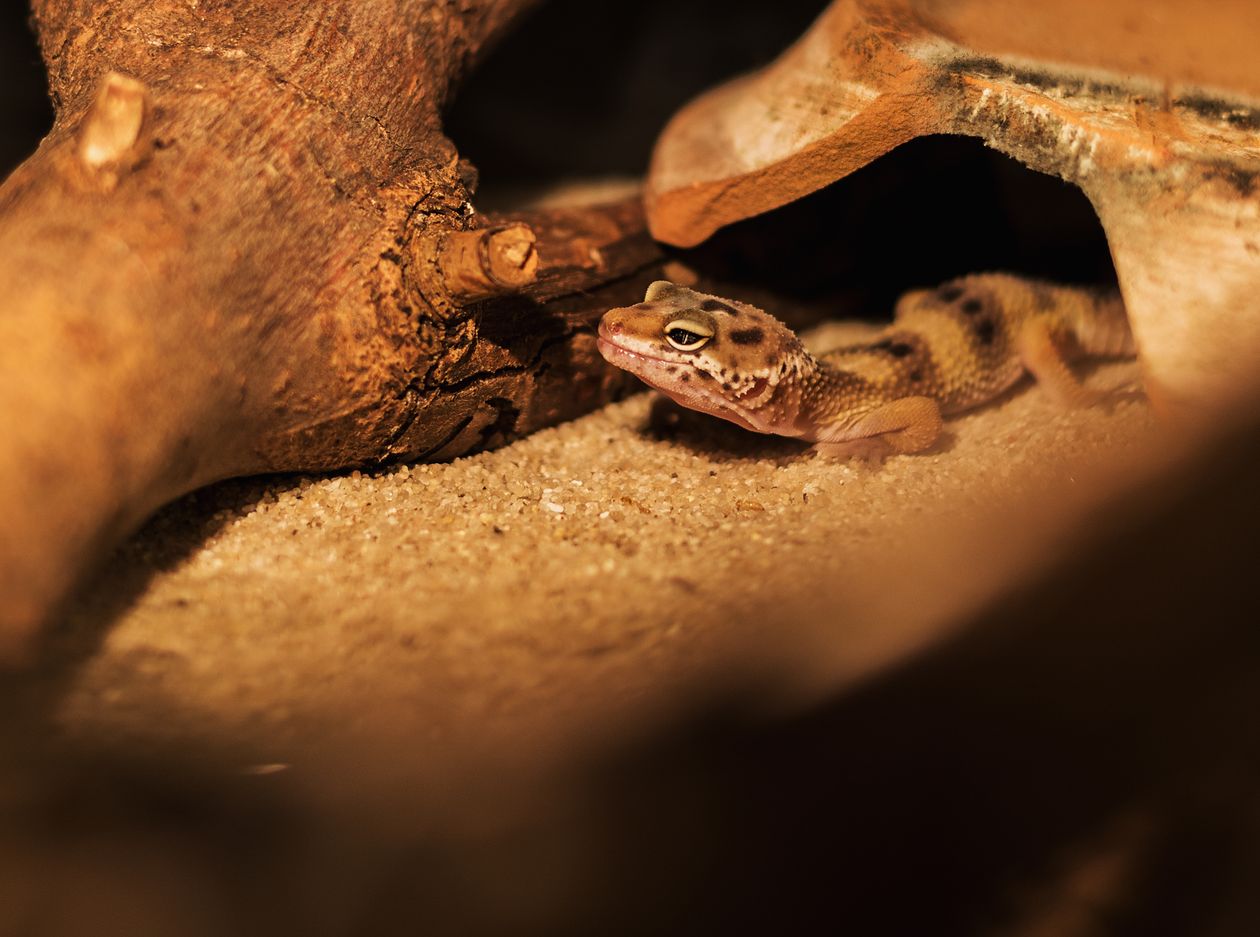
A standard leopard gecko can currently cost only about $26–$50 at a large U.S. pet chain, but a responsible modern setup usually costs several times more than the animal. Using live 2026 U.S. retail prices, a practical one-gecko setup with a 36 × 18 × 18 in-class enclosure, controlled heat, low-level UVB, three hides and monitoring equipment lands around $460–$700 before the animal and veterinary care. A realistic first-year budget is roughly $900–$1,500 for a standard pet gecko, before a major emergency or premium morph. Adding your own UVI meter increases startup cost by about $249.
Budget in layers: animal price → habitat → food → electricity → replacements → veterinary care → emergency reserve. Do not spend the whole budget on the morph and then downgrade the enclosure.
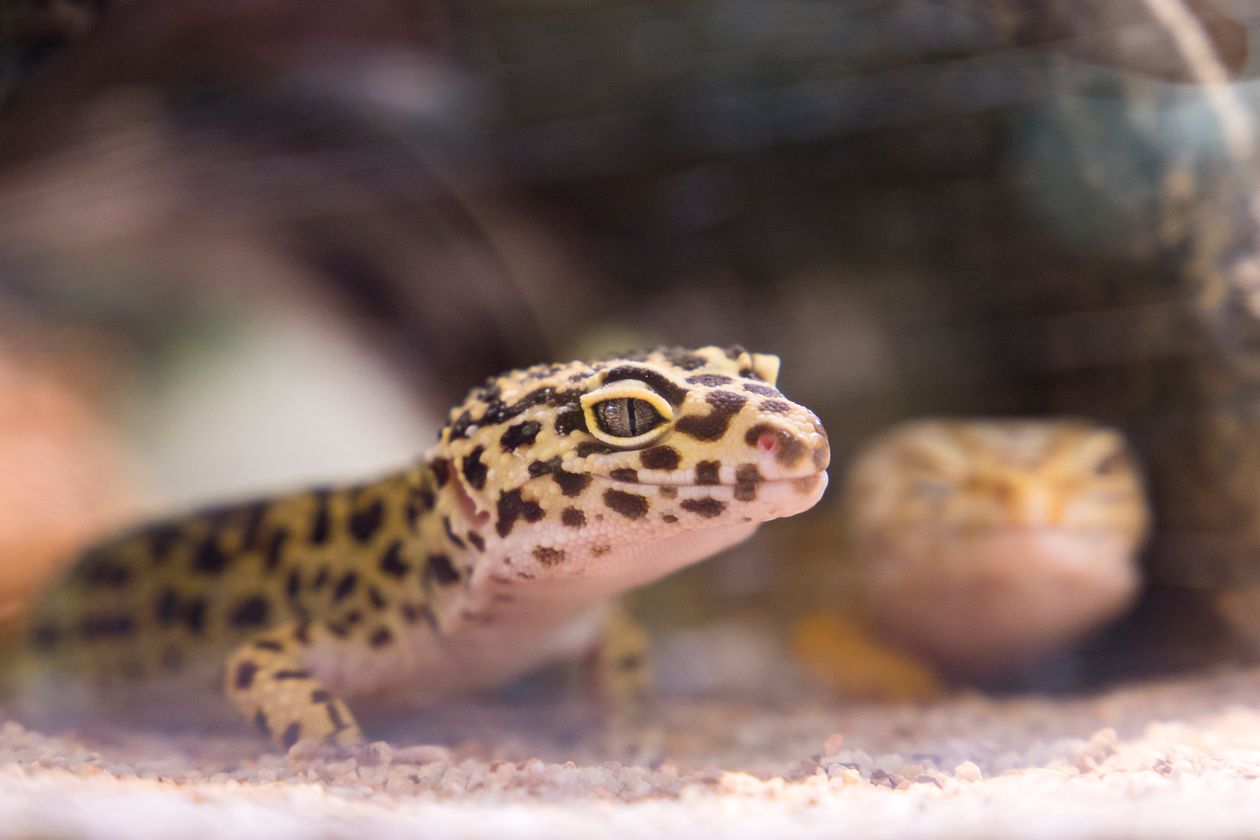
2026 U.S. Leopard Gecko Price Snapshot
These are dated examples, not permanent national averages. Promotions, shipping, breeder reputation, age, sex and morph can move prices substantially.
| Animal / item | Live price checked | What it tells us |
|---|---|---|
| Standard leopard gecko — PetSmart | $26.24 sale / $34.99 regular | Low chain-store entry price can make ownership look cheaper than it is |
| Standard leopard gecko — Petco | $49.99 | Second current chain-store reference |
| Albino leopard gecko — Petco | $69.99 | Simple retail morph premium |
| Pet-only breeder example — MorphMarket | $70 + shipping | Breeder pet-quality animals can still be modestly priced |
| RAPTOR breeder example — MorphMarket | $125 + $65 shipping | Common combination morph can cost more than standard retail |
| Black Night Tremper example — MorphMarket | $200 | Selected projects move well beyond chain-store pricing |
Current MorphMarket listings also demonstrate that breeder shipping often adds roughly $45–$65+ to the animal price. That cost belongs in the purchase budget, not the “miscellaneous” column.
If morph pricing is what drew you to the species, Patify's leopard gecko morph atlas explains why phenotype, hidden hets and bloodline names should be separated before paying a premium.
Startup Ledger: What the Habitat Actually Costs
Modeled core setup: approximately $460–$700. This is deliberately higher than “starter kit” marketing because it includes thermostat control, three hides and current UVB practice.
An optional Solarmeter 6.5R is currently $249. It is not mandatory ownership equipment, but it lets you measure the UV Index reaching the gecko through your exact lamp, mesh and distance.
For the environmental logic behind those purchases, use Patify's leopard gecko tank setup guide. Buying the correct functions once is usually cheaper than replacing an undersized or poorly controlled starter kit.
First-Year Cost: Three Realistic Scenarios
Lean but Responsible
Animal: $30–$50
Setup: ~$460
Food + supplements: ~$250
Electricity: ~$45–$65
Routine vet/fecal planning: ~$135–$250
Consumable replacements: ~$40–$75
Approx. first year: $960–$1,150
Comfortable Mainstream Setup
Animal: $50–$125
Setup: ~$550–$650
Food + supplements: ~$300–$450
Electricity: ~$50–$70
Routine vet/fecal: ~$150–$300
Replacements / misc.: ~$60–$100
Approx. first year: $1,160–$1,695
Premium Morph + Personal UVI Meter
Animal + shipping: $200–$500+
Setup: ~$600–$700
UVI meter: $249
Food + supplements: ~$300–$450
Electricity: ~$50–$70
Routine vet/fecal: ~$150–$300
Approx. first year: $1,550–$2,270+
These totals are planning models, not claims that every U.S. owner spends the same amount. Local vet pricing, enclosure sales, feeder shipping and morph choice cause large differences.
Food Cost: Adult and Juvenile Budgets Are Different
Current Chewy prices provide a useful reality check:
- 60 medium live crickets: $12.99;
- 50 small dubia roaches: $13.99;
- 250 small mealworms: $19.99;
- 50 waxworms: $14.99.
RSPCA and PetMD both recommend daily feeding for juveniles and roughly every-other-day feeding for adults. Because feeder size and species vary, Patify uses budget bands rather than pretending one insect count fits every gecko.
| Life stage | Useful monthly planning range | What changes it? |
|---|---|---|
| Juvenile | $25–$50+ | Daily feeding, shipping, feeder variety, local availability |
| Adult | $15–$35 | Every-other-day feeding, body condition, feeder choice |
Bulk feeder purchases can lower unit cost, but only if you can keep the insects alive and properly gut-loaded. Dead feeders and shipping losses can make the cheapest unit price a false economy.
Patify's leopard gecko food guide covers feeder rotation, gut-loading and supplement planning separately.
Electricity: Usually Smaller Than Food or Vet Costs
The U.S. Energy Information Administration's May 2026 outlook expects average residential electricity to be about 18.2¢/kWh in 2026.
Example: 50W daytime heat + 8W UVB, 12 hours/day
(0.050 + 0.008) kW × 12 h × 365 = 254.0 kWh/year
At 18.2¢/kWh: about $46/year.
Example: 75W daytime heat + 8W UVB, 12 hours/day
(0.075 + 0.008) kW × 12 h × 365 = 363.5 kWh/year
At 18.2¢/kWh: about $66/year.
Actual electricity can be lower when a thermostat/dimmer reduces heat output, or higher if the room is cold, additional lighting is used or supplemental nighttime heat is necessary. Your state utility rate may also differ substantially from the national average.
Veterinary Budget: Keep Routine Care Separate From Emergency Money
A 2026 U.S. reptile-vet pricing survey reports routine reptile wellness exams around $85–$165 nationally, with urban specialty practices sometimes around $150–$250. Diagnostic testing adds cost.
That means a reasonable first-year routine line for an exam plus a possible fecal test is roughly $135–$300, depending on clinic and region. Do not call that an emergency fund.
Emergency reality: X-rays, hospitalization, surgery, reproductive disease, severe impaction or metabolic disease can produce bills far above the routine annual budget. Keep a separate emergency reserve, pet-care credit capacity, insurance option if available, or another realistic payment plan.
Before buying the gecko, identify the nearest reptile/exotics clinic and ask for its exam fee. That local quote is more useful than any national average.
What Does a Healthy Adult Cost Per Year After Setup?
| Recurring item | Annual planning range |
|---|---|
| Live feeders | $180–$420 |
| Calcium / multivitamin / gut-load | $30–$70 |
| Electricity | $45–$70 |
| UVB / heat-source replacements | $30–$80+ |
| Substrate / moss / cleaning supplies | $30–$100 |
| Routine veterinary planning | $100–$300+ |
| Small equipment replacement reserve | $30–$100 |
| Modeled recurring total | about $445–$1,140/year |
A healthy adult can therefore be inexpensive compared with a dog or cat, but “cheap pet” becomes misleading if it implies veterinary care, UVB, live food and replacement equipment do not matter.
Save Here; Do Not Cut Here
Reasonable ways to save
- Buy a safe used enclosure and disinfect/inspect it properly.
- Use paper during quarantine rather than premium decorative substrate.
- Compare current prices on thermostats and fixtures rather than buying a branded kit blindly.
- Buy live feeders in economical quantities you can actually keep alive.
- Use safe DIY hides/hardscape when materials are appropriate and stable.
Bad shortcuts
- Buying a tiny enclosure because the baby is small.
- Running heat without thermostat control.
- Skipping temperature measurement.
- Replacing live-food variety with a cheap processed diet as the main food.
- Skipping veterinary care because the purchase price was low.
- Buying a premium morph before funding the habitat.
Pre-Purchase Budget Worksheet
This is intentionally a worksheet, not an interactive calculator. Fill it with your local quotes before paying for the gecko.
| Line item | Your quote | Ready? |
|---|---|---|
| Gecko + shipping / pickup | $_____ | ☐ |
| 36 × 18 × 18-class enclosure | $_____ | ☐ |
| UVB kit | $_____ | ☐ |
| Heat source + fixture | $_____ | ☐ |
| Thermostat | $_____ | ☐ |
| Thermometers / hygrometer / IR gun | $_____ | ☐ |
| Warm, cool and humid hides | $_____ | ☐ |
| Substrate / slate / hardscape | $_____ | ☐ |
| Dishes | $_____ | ☐ |
| First month of live feeders | $_____ | ☐ |
| Calcium / multivitamin / gut-load | $_____ | ☐ |
| Initial reptile-vet exam | $_____ | ☐ |
| Fecal test if recommended | $_____ | ☐ |
| Sales tax / delivery | $_____ | ☐ |
| Startup total | $_____ | |
| Emergency reserve / payment plan | $_____ |
Budget Verdict: Price the Environment Before You Price the Morph
For a standard leopard gecko in the U.S. in 2026, the animal itself may be only $26–$50. A responsible habitat is closer to $460–$700, and a realistic first year commonly needs roughly $900–$1,500 before emergencies. Premium morphs and a personal UVI meter can push the first year well above $1,500.
The money-saving move is not to remove thermostat control, UVB, hides or veterinary planning. It is to avoid buying inadequate equipment twice and to separate optional premium appearance from non-optional husbandry functions.