

Chinchilla health · Appetite · Dental and digestive warning signs
Chinchilla Sifting Food but Not Eating: What to Check and When to Call a Vet
A chinchilla may dig through a bowl simply to select favorite pieces—but picking food up and dropping it, eating less hay, producing fewer droppings, losing weight, or acting quiet can signal dental pain, gastrointestinal slowdown, overheating, or another illness. The key question is not whether your chinchilla looks “picky.” It is whether total food intake and fecal output have changed from normal.
Medically reviewed for accuracy: September 2, 2026 · This guide supports—not replaces—an examination by an exotic-animal veterinarian.
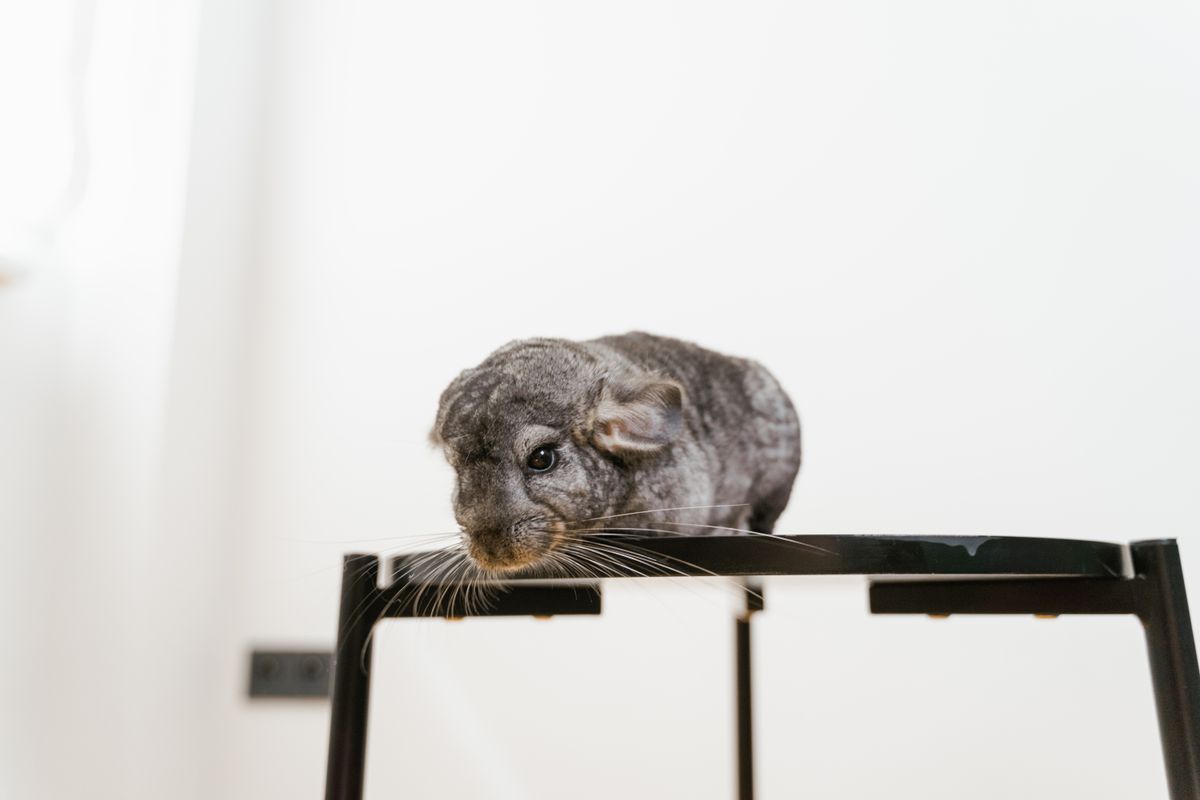
First, decide whether this is sorting or reduced intake
Watching the bowl alone can be misleading. Chinchillas eat throughout their active period and may scatter pellets or hay. Compare the current pattern with your pet’s own baseline and check the whole enclosure.
| What you observe | What it may mean | What to do |
|---|---|---|
| Moves pellets around but eats hay, has normal droppings, normal behavior, and stable weight | Food preference, bowl-digging, or selective eating is possible. | Measure intake, simplify mixed food, and monitor closely. Mention persistent changes at the next veterinary visit. |
| Picks food up, chews slowly, drops pieces, favors softer items, or has a wet chin | Oral or dental pain becomes a major concern. | Arrange a prompt examination with a chinchilla-experienced veterinarian. |
| Eats less overall and droppings are fewer, smaller, drier, or absent | Reduced gastrointestinal movement may be developing secondary to pain, diet, dehydration, stress, or disease. | Contact an exotic veterinarian the same day; urgency rises with pain, weakness, or abdominal swelling. |
| Suddenly stops eating after a diet change, heat exposure, medication, injury, or stressful event | The timing offers a clue but does not establish the cause. | Tell the veterinary team exactly what changed and when. |
| Open-mouth breathing, collapse, severe lethargy, choking motions, or a distended abdomen | Potential emergency. | Seek emergency veterinary care now and minimize handling during transport. |
Why a chinchilla may sift through food without eating normally
1. Dental or oral disease
Chinchilla teeth grow continuously. Elongated crowns or roots, sharp points, periodontal disease, abscesses, or oral wounds can make chewing painful. Typical clues include changing to easier-to-chew foods, dropping food, weight loss, fewer droppings, saliva-stained fur around the mouth or forefeet, watery eyes, and poor coat condition.
A quick look at the incisors cannot rule out cheek-tooth disease. MSD Veterinary Manual notes that a thorough oral examination often requires anesthesia and that imaging can be valuable when root disease or malocclusion is suspected.
2. Gastrointestinal hypomotility, ileus, or bloat
“GI stasis” describes slowed movement through the digestive tract; it does not explain why the chinchilla stopped eating. Dental pain, an inappropriate or abruptly changed diet, dehydration, overheating, stress, infection, obstruction, and other painful or systemic problems may contribute. Reduced intake can then worsen gut movement, discomfort, and fecal output.
A swollen or painful abdomen, weakness, lying on the side, teeth grinding, or breathing difficulty requires urgent assessment. Because obstruction and severe bloat change what treatment is safe, home diagnosis is not enough.
3. A selective mixed diet
Foods containing colorful pieces, seeds, nuts, dried fruit, or other highly palatable additions make it easy to select preferred items and leave balanced pellets behind. Sifting with otherwise normal hay intake, droppings, weight, and behavior may fit this pattern. It should not be assumed when total intake is falling.
4. Poor-quality, contaminated, or unfamiliar food
Damp, moldy, insect-contaminated, rancid, or unusually dusty food should be discarded. Check the storage container, expiration information, smell, texture, and whether a new bag looks different. Do not abruptly replace the entire diet with multiple unfamiliar foods; discuss a gradual transition with your veterinarian once urgent illness has been addressed.
5. Water-delivery failure
A bottle can look full even when its valve is stuck, mounted incorrectly, or leaking. Confirm that water flows and compare the level with recent use. Fresh water must remain available, but do not syringe water into the mouth unless a veterinary professional has shown you how and confirmed it is appropriate.
6. Heat and environmental stress
Chinchillas tolerate heat poorly. A warm, humid, noisy, or newly changed environment can suppress appetite, but environmental stress should not be used to dismiss medical causes. Panting, open-mouth breathing, marked weakness, or suspected overheating is an emergency.
7. Pain or illness elsewhere in the body
Respiratory disease, infection, injury, urinary or reproductive disease, medication effects, and other painful conditions can all reduce appetite. Labored breathing, discharge, abnormal gait, straining, blood, or a sudden behavior change gives the veterinary team useful direction.
Safe checks to make while you contact the vet
These observations help with triage; they are not a substitute for treatment. Keep handling gentle and brief.
Record now
- Time of the last clearly normal hay and pellet intake
- Whether droppings changed in number, size, shape, or moisture
- Current weight in grams and recent weight trend, if available
- Any food, bag, medication, housing, temperature, or routine change
- Photos of unusual droppings and a short video of eating behavior
Look without forcing
- Wet or matted fur under the chin or on the forefeet
- Food falling from the mouth or chewing on one side
- Hunched posture, tooth grinding, reluctance to move, or hiding
- Abdominal enlargement, unusual firmness, or apparent pain
- Eye or nasal discharge and any change in breathing
Offer the usual fresh, clean grass hay, the usual plain chinchilla pellets, and working access to fresh water. Keep the enclosure quiet and at an appropriate cool temperature. Do not pry the mouth open, press repeatedly on the abdomen, or chase the chinchilla around the enclosure.
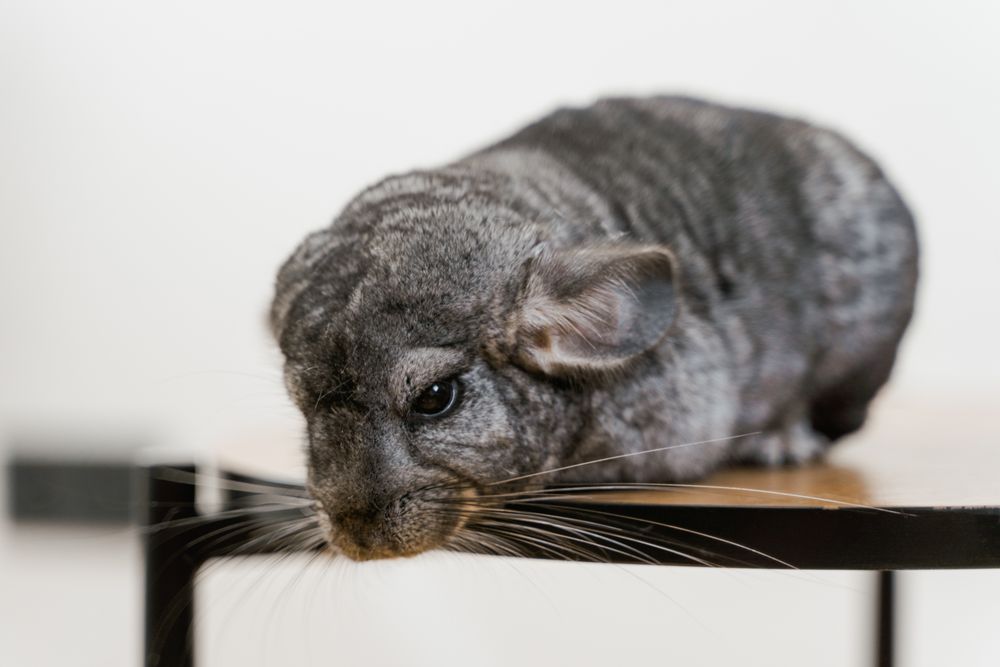
What not to do at home
- Do not wait for a fixed time threshold if intake or droppings are clearly reduced.
- Do not force-feed automatically. Assisted feeding may be part of veterinary treatment, but suspected obstruction, severe bloat, choking, or impaired swallowing must be considered first. Incorrect technique also creates an aspiration risk.
- Do not give human pain medicine, laxatives, gut-motility drugs, antibiotics, antacids, or “gas remedies” unless the treating veterinarian prescribed the exact product and dose for this chinchilla.
- Do not trim teeth at home. Visible incisors do not show the full cheek-tooth picture, and cutting tools can fracture teeth or injure the jaw.
- Do not make abrupt diet changes or offer sugary treats to “get calories in.” Sudden changes can create additional digestive problems and may hide the true intake pattern.
- Do not aggressively massage a swollen abdomen or force exercise. Transport for urgent assessment instead.
What the exotic veterinarian may investigate
The examination is designed to find the reason for reduced intake, not simply label it “stasis.” Depending on the history and condition, the workup may include:
- body weight, hydration, temperature, pain, heart, lungs, abdomen, and overall condition;
- a detailed oral examination, sometimes under anesthesia or with endoscopic equipment;
- skull and abdominal radiographs, and sometimes CT for complex dental disease;
- blood, urine, fecal, or other tests when systemic disease is suspected;
- fluids, pain control, nutritional support, dental treatment, and other therapy based on the cause;
- gut-motility medication only when the veterinarian considers it appropriate and obstruction has been addressed.
Long-term diet after urgent causes are addressed
High-quality grass hay should form the main part of a healthy adult chinchilla’s diet and remain continuously available. A plain, species-appropriate pelleted food supplies complementary nutrients. The exact pellet amount should account for the product, age, health, body condition, and veterinary guidance rather than a universal percentage.
Purdue Veterinary Medicine recommends fresh roughage at all times, grass hay as the primary food, limited pellets, gradual diet changes, and veterinary evaluation of changes in food intake or fecal output. Practical habits include:
- store hay and pellets dry, cool, and protected from insects;
- discard moldy, damp, rancid, or heavily contaminated food;
- use a plain pellet instead of a mix that encourages selective feeding;
- make any necessary transition gradually unless the veterinarian directs otherwise;
- keep fresh water available and test the bottle or drinking system daily;
- weigh the chinchilla regularly on the same gram scale and record the trend.
A simple appetite and droppings log
| Track | What to record | Why it helps |
|---|---|---|
| Hay | Fresh amount offered and visible consumption compared with normal | Hay intake may change before the pellet bowl looks different. |
| Pellets | Measured amount offered and remaining; note sifting or dropped pieces | Separates selective sorting from reduced total intake. |
| Droppings | Approximate output plus changes in size, shape, and moisture | Fecal change provides a useful indicator of digestive function. |
| Weight | Weight in grams at a consistent time and frequency | A trend is more informative than appearance through dense fur. |
| Symptoms | Wet chin, eye discharge, posture, activity, breathing, abdomen | Helps the veterinary team prioritize dental, GI, respiratory, and other causes. |
Frequently asked questions
Why does my chinchilla throw pellets out of the bowl?
Some chinchillas dig or select preferred pieces, especially from mixed feeds. If hay intake, droppings, weight, and behavior remain normal, selective eating is more plausible. If total intake falls, food is picked up and dropped, or the chin becomes wet, arrange a veterinary examination.
Is it always the teeth when a chinchilla looks hungry but cannot eat?
No. Dental disease is important and common, but GI disease, obstruction, heat, respiratory illness, pain elsewhere, and other conditions can produce a similar pattern. A proper examination is needed to separate them.
Can I check a chinchilla’s molars at home?
Not reliably. The narrow mouth makes cheek teeth difficult to evaluate, and forcing it open can cause injury or stress. Veterinary examination—sometimes with anesthesia and imaging—is often required.
How long can a chinchilla go without eating?
Do not use a fixed number of hours as a safe waiting period. If your chinchilla is eating noticeably less or droppings have decreased, call an exotic veterinarian the same day. Emergency signs such as abdominal swelling, severe weakness, breathing trouble, collapse, or choking require immediate care.
Should I syringe-feed recovery food immediately?
Only after veterinary guidance for the current episode. Assisted feeding can be valuable, but obstruction, severe bloat, choking, and swallowing ability must be considered first, and incorrect technique can cause aspiration.
What if my chinchilla eats hay but refuses pellets?
That is different from refusing all food, but a new preference can still occur with dental disease or a problem with the pellet batch. Check weight, droppings, the food’s condition, and other symptoms, and contact your veterinarian if the change persists or intake is reduced.
Does a wet chin definitely mean dental disease?
No single sign is diagnostic, but saliva-stained or matted fur around the chin is a significant reason for a prompt oral and dental assessment. Choking and other swallowing problems can also cause drooling and may be emergencies.
Editorial basis and sources
This article distinguishes home observations from veterinary diagnoses and avoids fixed “safe” waiting periods. Its medical guidance was checked against veterinary-manual, university, hospital, and peer-reviewed sources.
- MSD Veterinary Manual: Chinchillas—diet, dental disease, decreased fecal output, and systemic illness
- VCA Animal Hospitals: Dental disease, GI stasis, bloat, and heatstroke in chinchillas
- Purdue University College of Veterinary Medicine: Feeding the pet chinchilla
- Veterinary Clinics of North America: Anatomy and disorders of the chinchilla oral cavity