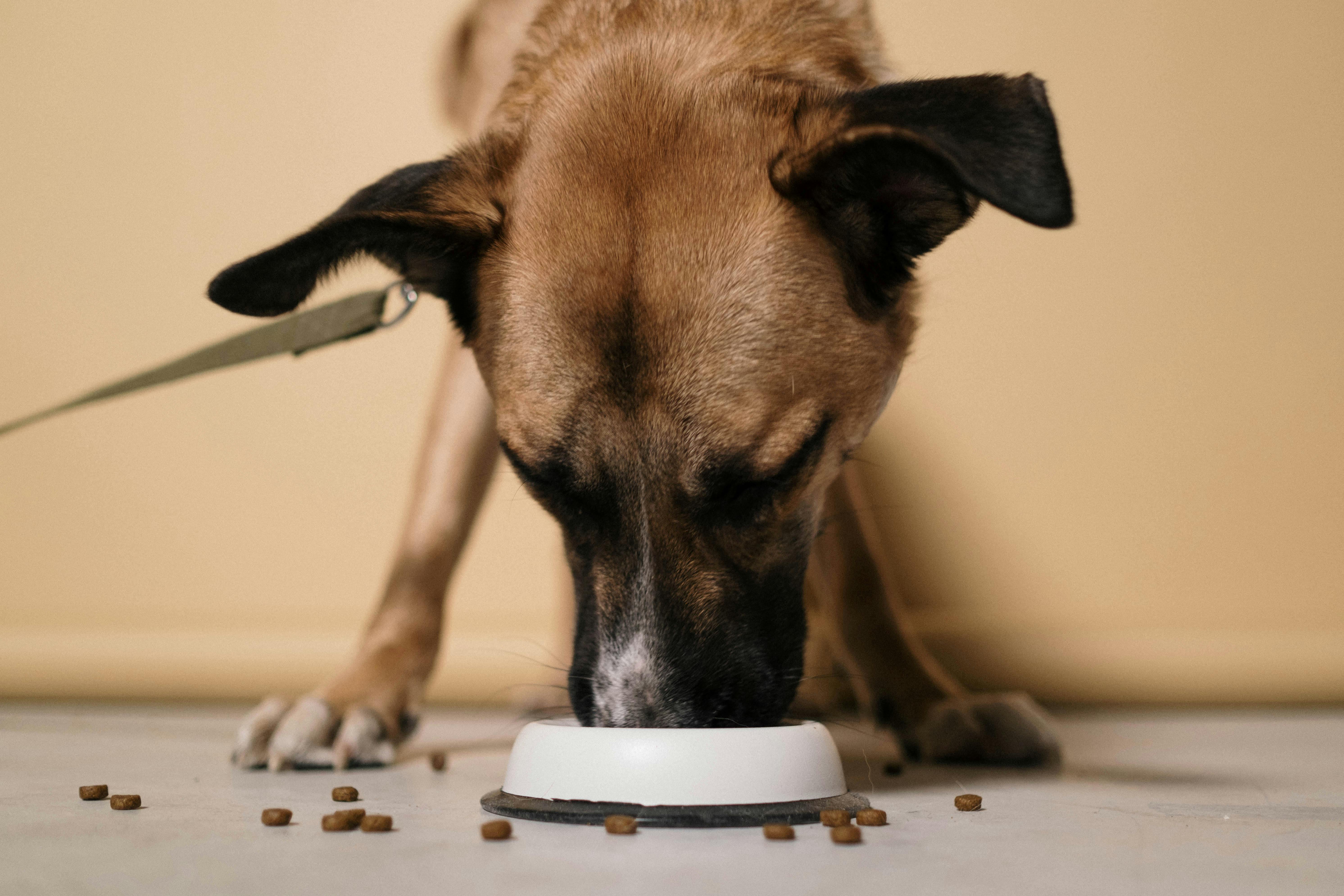
Food for Dogs With Kidney Disease: What to Feed, Compare, and Ask Your Vet
Editorial disclosure: This independent educational guide was assembled from veterinary guidance and publicly accessible U.S. product labels. Patify did not examine a patient, conduct feeding trials, test nutrient composition, or receive veterinary endorsement. A licensed veterinarian has not yet reviewed this article for Patify. Chronic kidney disease requires individual diagnosis, staging, monitoring, and treatment. Nothing here is a prescription, an individualized feeding target, or an alternative to urgent care. Manufacturer descriptions are attributed, not independently verified health outcomes.
A kidney disease diagnosis can change something that once felt effortless: filling your dog's bowl. A food that was perfectly reasonable last year may no longer fit the nutritional plan. Then come the difficult questions. Does your dog need less protein, or simply a different balance of nutrients? Is canned food better than kibble? What if the new renal diet stays untouched while your dog loses weight? And why do two foods labeled for kidney support have different phosphorus percentages?
Those questions deserve more than a list of bags to buy. The best food for a dog with kidney disease is the diet your veterinary team considers appropriate for that dog's specific condition—and that the dog can reliably consume in adequate amounts. It is usually a purpose-formulated therapeutic renal diet for established chronic kidney disease, but the timing, formulation, and follow-up matter. Protein, phosphorus, hydration, calories, urine protein loss, nausea, other diseases, and the dog's muscle condition all belong in the decision.
This guide explains how U.S. owners can read renal food labels, compare formats on meaningful units, prepare for a veterinary appointment, and notice when the feeding plan is no longer working. It also separates chronic kidney disease from a sudden kidney emergency, because the appropriate response to those situations is not interchangeable.
Quick answer: Ask your veterinarian whether your dog has chronic kidney disease, what IRIS stage and substage the clinical findings support, and whether a veterinary renal diet is indicated now. Such diets commonly manage phosphorus and use controlled, high-quality protein while supplying calories and other nutrients. Do not select a diet by the lowest protein number alone. Record how much your dog actually eats, monitor weight and muscle condition with the clinic, and call promptly about persistent appetite decline or vomiting. Never restrict drinking water as a strategy to protect the kidneys.

1. First confirm what “kidney disease” means in your dog's case
Chronic kidney disease is not the same as sudden kidney injury
Chronic kidney disease (CKD) describes persistent changes in kidney function or structure that a veterinarian confirms using the medical history and appropriate testing. It is often found in older dogs, although age alone does not make the diagnosis. Acute kidney injury (AKI) occurs over a shorter period and can involve toxins, infections, reduced blood flow, obstruction, or other urgent problems. An acute-on-chronic episode is also possible. A dog that suddenly stops eating, vomits repeatedly, becomes extremely weak, collapses, or urinates unusually little needs veterinary assessment—not an internet plan for gradual diet changes.
The same outward sign can have many causes. More drinking and urinating may occur with kidney disease, but also with diabetes, endocrine disorders, medications, or other conditions. Vomiting and low appetite are similarly nonspecific. A dietary change cannot establish which condition is present. Ask what results led to the diagnosis, whether the disease is stable, and what complications have been identified. If you only have one abnormal creatinine result and no diagnosis, the right next step is clarifying the clinical workup rather than buying the most restrictive food available.
What IRIS staging contributes to food decisions
The International Renal Interest Society (IRIS) publishes regularly updated CKD staging and treatment frameworks, including revisions released in 2026. These help veterinarians interpret creatinine, SDMA, urine protein findings and blood pressure in a stable patient. A stage is not determined by how thirsty a dog looks or whether it seems cheerful on a given morning. Nor is the stage a permanent label: clinical reassessment can change how the case is understood and managed.
Treatment is individualized even among dogs with the same stage. A dog with stable appetite and adequate muscle reserves may face a different nutritional priority from a dog whose phosphorus remains elevated or whose weight is falling. The clinic may discuss a therapeutic diet, monitoring, treatment of concurrent conditions, or referral. Do not read an IRIS stage chart as a do-it-yourself recipe for restricting protein, phosphorus or fluids. The IRIS documents are clinician guidance, and treatment response determines what happens next.
| Question for the visit | Why it changes feeding decisions | What to bring |
|---|---|---|
| Is this stable CKD, AKI, or not yet established? | Acute illness may need urgent medical treatment rather than a routine food switch | Symptom timeline, previous lab results, medication list |
| What IRIS stage and substages apply? | Renal nutrition is considered within the overall clinical risk and follow-up plan | Bloodwork, urine results, blood-pressure measurements if available |
| Is phosphorus controlled? | Blood phosphorus and food intake help the clinician judge a renal diet strategy | Exact current food and all treat labels |
| Is my dog losing weight or muscle? | Adequate energy intake can be a more immediate problem than finding a new ingredient | Weights, photos, measured meal intake |
| Is nausea, dental pain or another illness limiting food? | A dog may refuse appropriate food because it feels unwell | Appetite, vomiting, stool and behavior notes |
2. What therapeutic kidney diets are designed to accomplish
Phosphorus management is more than a “low protein” claim
One of the clearest goals in nutritional management of established canine CKD is control of phosphorus intake as part of a veterinary plan. Kidneys normally help regulate phosphorus. When their function declines, abnormal phosphorus handling can become part of a broader disturbance of mineral balance. Purpose-formulated renal diets generally contain less phosphorus than many everyday maintenance diets. Clinicians monitor blood values and the individual dog's response rather than assuming a package claim guarantees success.
Protein and phosphorus are related in many ingredients, but they are not identical. A food labeled low protein does not automatically meet a particular dog's renal phosphorus needs. Nor does a grain-free, senior, organic, or sensitive-stomach formula become a kidney diet just because its ingredients sound gentle. When a clinician wants detailed comparisons, the nutrient amount per unit of energy can be more informative than an as-fed percentage alone. The product label may provide only a guarantee, and the manufacturer may need to supply its typical analysis.
For the separate question of grain-free versus grain-inclusive choices, see Patify’s grain-free dog food guide. Neither grain-free nor grain-inclusive labels are a substitute for a clinical renal formulation.
An important distinction: phosphorus control is not a contest to choose the lowest possible number. Dogs still require phosphorus as an essential nutrient, and a medically modified food must support the dog's wider nutritional needs. Whether the level is appropriate depends on blood results, disease stage, actual calorie intake, and veterinary monitoring. The renal diet is one part of care, not a substitute for indicated medical treatments.
Protein: sufficient quality and appropriate amount
When people hear “kidney diet,” they often picture severely limited meat. That simplification is risky. Dogs need digestible protein and essential amino acids to maintain tissues, and sick or older animals may already be losing muscle. Clinical renal diets generally control the amount of protein and prioritize appropriate protein quality. The degree of restriction is a veterinary decision, particularly because early CKD, advanced CKD, protein loss in urine and poor body condition can present different problems.
Do not infer that an ordinary high-protein food will necessarily accelerate disease in a specific dog, or that aggressively reducing protein at home will protect its kidneys. Both statements ignore stage and context. AAHA's senior-care guidance notes that clinically healthy pets and very early renal cases should not automatically be protein-restricted; a more tailored approach is needed as disease progresses. A dog losing muscle deserves an explicit discussion of muscle condition and how the proposed diet will meet its nutritional needs.
The most useful question is not “How low should protein go?” It is “How much usable protein and total nutrition should this dog receive, and how will we know whether it is enough?” A responsible answer may include bloodwork, urine protein assessment, diet analysis, caloric intake, physical examination and rechecks. The veterinary team can explain what it wants to change and why.
Sodium, omega-3s, energy and acid–base balance
Renal formulas often moderate sodium, use selected fatty acids including marine omega-3s, and account for metabolic changes associated with CKD. None of those features should be turned into a universal supplement recommendation. Giving fish-oil capsules, potassium, vitamins or phosphate binders on your own can interfere with the intended nutrient balance or the treatment of another condition. The details belong to the clinician who knows the dog's laboratory findings and medications.
Energy density also matters. A dog may be able to manage only small meals, particularly when nauseated. A veterinary product formulated with adequate calories in a smaller volume can be helpful, provided the dog actually eats it. Conversely, a technically appropriate prescription diet is not serving its purpose if most of each meal goes into the trash. Appetite, body weight and muscle condition are practical outcomes to discuss at every follow-up, alongside the laboratory results.
3. When is it time to ask about a veterinary renal diet?
The decision should follow diagnosis and staging, not an owner-created rule such as “every dog over ten needs renal food.” IRIS and Merck Veterinary Manual provide the broad framework for therapeutic kidney diets in established CKD. Your veterinarian may advise an early-stage product, a more substantially modified renal formula, or other care based on the full clinical picture. There may be reasons to delay, modify or carefully supervise a transition in a dog with poor intake, conflicting disease needs or an unstable condition.
A dog with existing heart disease, pancreatitis, food hypersensitivity, gastrointestinal disease, or severe loss of muscle may require special balancing. Do not simply combine rules from different internet articles—for example, picking a very low-fat food and a very low-protein food and hoping the result covers both illnesses. The nutrient priorities can conflict. A veterinary nutrition specialist may be appropriate when several conditions affect the menu at once.
A useful visit question is: “What specific improvement are we hoping to see from this diet, and when will we reassess?” The answer could involve phosphorus trends, adequate intake, stabilizing body weight, management of clinical signs, or another measurable goal. Ask what would count as a reason to call earlier. That makes a diet recommendation an actionable care plan rather than just a brand name written on a receipt.
4. Compare U.S. prescription renal foods by role—not marketing rank
Three real Royal Canin label examples reveal an overlooked issue
For a concrete U.S. label-reading exercise, consider three manufacturer-listed Royal Canin veterinary products. These are examples, not Patify endorsements. They illustrate how differently products described as “renal support” can be positioned. Packaging and current labels should be rechecked before purchase, and your veterinary team determines whether any is suitable.
| U.S. manufacturer-listed product | Format and manufacturer's described role | What the published label establishes | What you must not assume |
|---|---|---|---|
| Canine Renal Support Early Consult | Dry, early renal support; 3,761 kcal/kg, 316 kcal/cup | Manufacturer calls it complete and balanced for adult dogs; max phosphorus 0.7% as fed | “Early” does not mean universally appropriate for every stage or every patient |
| Canine Renal Support Early Consult loaf in sauce | Wet, early renal support; 1,039 kcal/kg, 156 kcal per 5.2-oz can | Manufacturer calls it complete and balanced for adult dogs; max phosphorus 0.17% as fed | A lower moisture-diluted percentage cannot directly be compared with dry kibble |
| Canine Renal Support E loaf | Wet, therapeutic renal support; 1,553 kcal/kg, 598 kcal per 13.5-oz can | Manufacturer's published adequacy statement says “intended for intermittent or supplemental feeding only” | That phrase cannot be ignored, nor can it be interpreted alone as a verdict on clinician-directed use |
This last line is a particularly important reason not to shop by an attractive product name. AAFCO explains that some veterinary medical foods use an intermittent-or-supplemental nutritional adequacy statement because their formulation deliberately differs from standard nutrient profiles for healthy animals. Such a statement is not interchangeable with a standard adult-maintenance claim. It also does not tell a layperson whether or how the food should be used as part of an individualized therapeutic regimen. Ask the prescribing veterinarian and manufacturer to reconcile the exact label wording with the planned feeding use. Do not independently extend, replace, or stop an established prescription based on this label alone.
None of these products was purchased or tested by Patify. We are reporting manufacturer-published descriptions and calorie/guarantee values, which could change. The table is designed to train careful reading, not to identify a winner. Royal Canin is not the only producer of veterinary renal foods available in the United States; ask your veterinary clinic about appropriate alternatives and whether texture or ingredient compatibility might improve acceptance.
A clinical food comparison needs facts the front of the bag cannot provide
Before comparing two candidate formulas, write down their exact full product names, package format, caloric density, intended use, and nutritional adequacy wording. Obtain the typical phosphorus analysis in a comparable unit, particularly when the only published number is a guaranteed maximum. Confirm whether both products fit the dog's current medical plan. A generic “low phosphorus” statement offers less evidence than a specific nutrient analysis paired with an explanation of the intended clinical role.
For dogs who refuse a prescribed diet, different aromas, textures, kibble shapes and wet/dry options may make a practical difference. Manufacturer marketing may call a product aromatic or highly palatable, but individual acceptance cannot be predicted from a claim. Ask for appropriately prescribed alternatives or clinic guidance on a food trial. Avoid purchasing a large quantity of an unfamiliar formula before you know it is workable and medically appropriate.
5. The phosphorus percentage trap: why wet and dry labels look incomparable
Consider the two early-consult labels above. Their phosphorus maximums are printed as 0.7% for the dry food and 0.17% for the wet food. Simply dividing 0.7 by 0.17 and calling the dry food four times as phosphorus-rich would be misleading. Water makes up a very different fraction of canned food, and dogs eat food to obtain energy—not a fixed kilogram of wet and dry products. A more useful mathematical comparison expresses phosphorus relative to calories.
Conversion method for an as-fed percentage: percentage phosphorus × 10,000 gives milligrams per kilogram of food. Divide that by kcal/kg and multiply by 100 to get milligrams per 100 kcal. These conversions are pure unit arithmetic, not nutritional prescriptions. They are only as reliable as the values being entered. If the starting value is a guaranteed maximum, the answer is a converted maximum, not an actual measured average.
| Published example | Maximum phosphorus label | Manufacturer energy | Converted maximum (rounded) |
|---|---|---|---|
| Renal Support Early Consult dry | 0.7% as fed | 3,761 kcal/kg | 186 mg phosphorus / 100 kcal |
| Renal Support Early Consult wet | 0.17% as fed | 1,039 kcal/kg | 164 mg phosphorus / 100 kcal |
Here is the dry calculation in full: 0.7 × 10,000 = 7,000 mg phosphorus per kilogram of food; 7,000 ÷ 3,761 × 100 ≈ 186 mg per 100 kcal. For the wet example, 0.17 × 10,000 = 1,700 mg/kg; 1,700 ÷ 1,039 × 100 ≈ 164 mg per 100 kcal. The gap looks much smaller than the raw percentages suggest, yet even this converted table cannot tell us which food contains less phosphorus in a typical serving. Both source numbers are label maxima, not typical analyses; actual batches and analytic methods can differ.
Do not compare those figures with an online “renal phosphorus limit” and independently decide whether to switch food. Ask the manufacturer for a typical analysis—ideally including phosphorus expressed as mg/100 kcal or g/1,000 kcal—and ask the veterinary team what matters for your dog's lab results. If you are comparing ordinary dog food with a therapeutic formulation, the food's overall medical role and adequacy claim remain relevant too.
Why dry-matter conversion answers a different question
Dry-matter percentage is helpful when the question is “How concentrated is a nutrient once water is removed from the calculation?” It allows wet and dry formulas to be put on a more similar moisture basis. It does not account for the caloric density of those formulas. A dog might consume a different amount of dry matter from two diets to meet its energy needs, so nutrients per calorie can be especially helpful for practical diet comparisons.
The two methods are complementary, not interchangeable. Neither makes an owner qualified to set renal nutrient targets. Guaranteed minimum and maximum declarations do not offer the same precision as typical nutrient analysis. For kidney disease, treating those labels as exact laboratory results can produce a false ranking even when the math is perfect. The package often tells you enough to begin the conversation, not enough to finish it.
6. Dry, canned, mixed or liquid: the format decision
Dry food can be convenient without being the automatic default
Dry veterinary renal diets are easy to measure and store, which matters when someone else helps care for the dog or multiple family members divide feeding duties. They may also be calorie-dense enough to deliver energy in modest volumes. But a dog with poor appetite, oral discomfort or difficulty chewing may struggle with kibble. If the dog suddenly refuses what it used to eat, consider the possibility of illness or nausea before assuming stubbornness.
If you add water to prescribed kibble, use clean water and follow sensible food-handling practices. Don't leave moistened food sitting unrefrigerated for extended periods. Added water changes the volume and texture but does not turn dry kibble into a clinically equivalent canned formulation. Avoid unapproved flavoring powders, salty stocks or high-protein add-ons that undermine the nutritional plan.
Wet and liquid options can address texture and moisture
Wet food naturally contains more water per gram, and some dogs prefer its aroma or softer texture. A clinician may discuss canned or other supported formats as one way to encourage eating and contribute fluid intake. Still, more moisture in food does not remove the need for drinking water or medical fluid management when necessary. Do not restrict free access to fresh water on the assumption that a can of food has covered hydration.
If a dog eats only part of a can, its actual calorie intake may be much lower than expected. Note how much was offered and what remained. Use the current package's kcal-per-can or kcal-per-gram information, not an estimate based solely on volume. Liquid therapeutic nutrition or assisted feeding is a veterinary decision, particularly where aspiration risk, nausea, serious weakness or advanced disease is involved.
Mixing formats requires a common calorie plan
Combining dry and canned renal formulations can make meals more acceptable for some patients. However, the two products may differ in energy density and clinical nutrient formulation. Ask the clinic for a clear substitution method that preserves the dog's intended daily calories and renal nutrition profile. Simply adding a whole can on top of the usual kibble may unintentionally oversupply energy, while replacing a cup of kibble with a cup of canned food may leave the dog short.
Ask the veterinary team to write the exact products and amounts in grams or clearly identified package units. If one food runs out, do not assume that any other renal-branded food is a one-for-one equivalent. Keep package photographs in your records and review changes when prescriptions, appetite or body condition shift.
7. Your dog has stopped eating the renal food: assess the problem, not just flavor
A sudden refusal is information, not a behavior challenge
Some dogs resist a new food because the smell and texture are unfamiliar. Others are nauseated, dehydrated, uncomfortable, experiencing oral pain, or coping with progressing disease. The practical difference matters. Trying one more food may be reasonable as part of a veterinary transition plan, but repeatedly hiding medication or forcing an unpleasant meal can create lasting aversion. A dog that approaches the bowl, sniffs, then backs away may be communicating discomfort rather than making a culinary judgment.
If your dog is repeatedly vomiting, cannot hold down food or water, is weak, seems distressed, or has gone off food for a concerning period, contact your veterinarian promptly; severe or rapidly worsening signs need urgent care. A dog with kidney disease can deteriorate for reasons that food-switching cannot solve. Do not wait for a fixed number of hours from an online article when the dog looks unwell, and do not use human anti-nausea medicines unless the veterinary team specifically prescribes them.
What to report in an appetite call
Give the clinic details it can act on: exact product and flavor, grams or portion offered, fraction actually eaten, water access and observed drinking, vomiting, stool, weight trend, medications and timing, and any food used to hide pills. Explain whether appetite was poor before the renal diet started or only after the change. Mention the longest stretch of poor intake and any changes in energy or urination. A concise record can help identify whether the immediate priority is reassessing the prescription, managing nausea, checking hydration or arranging an examination.
Ask whether the clinic wants you to warm a small serving gently, try a different prescribed texture, divide a daily portion into smaller offerings, or consider a medically appropriate alternative. These are questions, not directions to make all such changes at once. Some dogs need anti-nausea treatment, an appetite plan or assisted nutrition overseen by professionals. None is a failure by the owner; they are clinical choices based on how the patient is doing.
8. A thoughtful transition is better than a rigid online calendar
A familiar food can be associated with comfort, so a deliberate transition may help some stable dogs accept a prescribed formula. But there is no universal seven-day schedule suited to every kidney patient. The pace depends on current intake, gastrointestinal tolerance, urgency of the renal diet, and veterinary instructions. A dog already eating too little may require a very different strategy from a dog with a strong appetite and a planned routine change.
At the outset, ask what to do if the dog refuses a meal, if stool changes, or if vomiting occurs. Set an intake threshold with the clinic rather than guessing that a percentage of the bowl is enough. Label packages and record the amount actually eaten; a “half-and-half” mix by volume can contain very different calories if the two foods have different energy densities.
Try to preserve the feeding environment: familiar bowl, quiet place, predictable routine and fresh food. Avoid making each meal a battle or escalating through a dozen unauthorized toppers. More novelty is not always more successful. If a dog develops an aversion to an intended diet, the clinic may recommend alternatives. Communicating early is usually easier than trying to reconstruct several days of unmeasured meals afterward.
9. Treats, toppers and “human food” need an explicit place in the plan
Why a seemingly small snack can matter
The nutritional pattern of a kidney diet can be diluted when high-phosphorus snacks or salty table foods become routine. Meat treats, jerky, cheese and chews should not automatically accompany a medically restricted diet just because the dog enjoys them. Tufts veterinary nutritionists emphasize looking at the whole day's food, including rewards, rather than evaluating the prescribed diet in isolation. This is especially relevant when many small family treats together account for a meaningful part of daily calories.
Even foods sometimes described online as “kidney-safe,” such as particular fruits or vegetables, are not universally appropriate portions. A dog with diabetes, gastrointestinal illness, food intolerance, chewing difficulties or a different electrolyte problem may need additional restrictions. Ask for an individualized treat allowance and suitable choices. Do not treat a generic published phosphorus cut-off as a personal medical target.
Check commercial toppers before adding them
Broths and meal enhancers may contain sodium, meat extracts, seasonings or substantial calories. Check the exact ingredient list and ask the clinic whether a small amount fits the renal feeding plan. Avoid onion, garlic, grapes, raisins, xylitol and other dog-toxic ingredients. The word “natural” on a package says nothing about suitability for CKD. Do not add phosphate binders, oils or mineral supplements because another owner's dog reportedly improved with them.
If medication instructions require food, ask the veterinarian or pharmacist how to give that medication without making the renal diet unacceptable. Hiding tablets inside cheese or meat can become a large dietary contribution, particularly when several drugs are prescribed. The care team can discuss practical administration options. The goal is to make the treatment plan possible to follow, not to leave the owner juggling competing internet lists of allowed ingredients.
10. Why homemade “kidney recipes” are a specialist task
A search for kidney disease in dogs food brings up rice-and-chicken mixtures, low-protein casseroles, vegetables, oils and ingredient swap lists. Many look inexpensive and comforting. Unfortunately, a home recipe can be low in one nutrient and deficient or excessive in several others, including nutrients that affect long-term health. A recipe assembled from an online list may be especially poorly suited to a dog whose kidneys cannot regulate minerals normally.
Tufts' veterinary nutrition service has described how often home-prepared recipes fall short and how even small substitutions can alter a carefully calculated formula. The particular form of an ingredient, cooking method, supplement and measured quantity can all matter. If a home-cooked diet is necessary because of food refusal, multiple diseases or ingredients that must be excluded, ask for a formulation by a board-certified veterinary nutritionist working with your primary veterinarian. A qualified recipe generally requires exact weights and an explicit supplement plan, not a flexible suggestion to combine a protein, starch and vegetable.
This article deliberately does not provide a homemade renal recipe, protein gram target, phosphate-binder amount or supplement dosage. Those would look actionable while omitting the very laboratory results and clinical context that make the details safe. If the budget or availability of a renal diet is a barrier, tell the clinic openly. An achievable medically appropriate plan is more valuable than an impressive recipe the dog will not eat or the household cannot sustain.
11. Monitoring what actually matters: intake, weight, muscle and symptoms
Body weight does not tell the entire story
Weighing your dog under consistent conditions can reveal trends, but the number on the scale cannot distinguish water changes from fat and muscle changes. Ask the clinical team to record body condition score (BCS) and muscle condition score (MCS), particularly as kidney disease advances. A dog might appear to maintain weight while its muscle mass declines. That risk should be part of the discussion when protein is being restricted or appetite has been inconsistent.
Keep a dated record of the actual grams of food eaten, not only the amount offered. For wet food, weighing the portion and leftovers can help more than writing “half a can” when the product's can sizes differ. A kitchen scale does not diagnose disease; it makes the feeding history more reliable. Pair those notes with appetite behavior, stool, vomiting, unusual thirst and other changes, then share them at the next visit.
A clinic-friendly seven-column food and appetite diary
| Date / time | Exact food & amount eaten | Treats/medications with food | Appetite and nausea observations | Vomiting/stool | Weight if measured | Questions for clinic |
|---|---|---|---|---|---|---|
| Example only: Oct 16, PM | Early-consult diet, 85 g eaten of 120 g offered | One prescribed medication with approved vehicle | Sniffed food, returned later | No vomiting; stool normal | Not measured | Is a different prescribed texture appropriate? |
| Blank | ||||||
| Blank |
The filled row is fictional, demonstrating how to write a useful report. It is not an example of an adequate portion or a recommended food. Record water access and unusual drinking or urination separately when relevant. If the dog is unwell, do not wait to accumulate a perfect week of entries before calling. Your observations are useful precisely because they can help the clinician decide when the plan needs changing.
Questions for the follow-up appointment
Ask which lab changes the team expects to follow, how often rechecks are needed for this particular dog, and whether phosphorus, electrolytes, urine protein, blood pressure or weight have changed. Ask what might explain the appetite pattern. Confirm the chosen food's clinical purpose, whether the formulation should change with stage or weight, and what to do if a shipment is delayed. Keep the answers written down in the same place as the medication schedule.
Avoid interpreting one result in isolation. A value can shift with hydration status, concurrent illness or treatment changes. Your veterinarian compares repeat measurements with the examination and history. The goal of your diary is not to estimate the next IRIS stage at home; it is to give the clinician an accurate account of how daily life is going between visits.
12. Special situations that make an ordinary renal food comparison insufficient
A growing dog with kidney disease
Puppies have substantial needs for energy and nutrients that support development. A product intended for adult maintenance or an intermittent therapeutic use statement cannot automatically be applied to a growing dog. Congenital kidney abnormalities and juvenile illness can require specialized management. Ask for a veterinary nutrition assessment that explicitly addresses growth as well as kidney disease. Do not borrow a feeding plan written for an older adult with CKD.
A dog with pancreatitis, food allergy or intestinal disease
One medical condition can change what is practical for another. A product designed to limit renal phosphorus may have a fat profile or ingredient list that does not fit a dog's concurrent gastrointestinal problem. Likewise, a novel-protein or hydrolyzed diet selected for a diagnosed food reaction may not provide the renal formulation the veterinarian wants. In difficult cases, a specialist can assess competing requirements rather than solving one problem by inadvertently neglecting another.
A senior dog that is already frail
Older dogs can lose muscle for many reasons, including reduced activity, other diseases and inconsistent food intake. A diet change that coincides with weight loss deserves a careful review. Do not assume age makes a dog unable to maintain healthy muscle, and do not use a dramatic fall in weight as proof that the kidney diet is inherently bad. Bring the full timeline: appetite before the change, after the change, weights and activity levels, then let the clinic determine which factors require attention.
A household with more than one dog
The easiest feeding mistake is letting the healthy dog eat the renal prescription while the kidney patient finishes the regular kibble. Separate bowls, individual feeding times or another practical household system can help keep the intended ration consistent. A therapeutic renal diet should not be treated as a universal upgrade for every dog. Ask whether any other household pet has its own medical feeding requirements, and plan a routine that people can realistically repeat.
13. Cost and availability: compare what the dog can actually eat
Therapeutic foods can cost more than ordinary grocery-store kibble, and selection may depend on pharmacy availability, clinic supply, prescription processing, shipment schedules and a dog's willingness to eat a particular texture. A cheap product that stays untouched is not good value. Nor is an expensive formula automatically superior for every CKD patient. Start with the diet's medical suitability, then assess the real monthly cost and whether reliable delivery is possible.
For a valid calculation, use the current local price and exact package net weight, plus the veterinary team's specified daily feeding amount. A simple monthly estimate is price per gram × prescribed grams fed each day × days, adjusted for realistic waste, mixed formats and treats. For example, a completely hypothetical $80 bag containing 3,600 grams costs about $0.022 per gram; if a veterinarian-directed plan required 150 grams daily, the illustrative food cost would be approximately $3.33/day or $100/month for a 30-day month. Those are invented arithmetic inputs, not a current retail price or a suggested renal ration.
Some owners may qualify for a clinic's discount or need to compare fulfillment sources. Verify whether the exact product and formulation are available rather than assuming similar brand names are interchangeable. If a prescribed bag is discontinued or temporarily unavailable, contact the prescriber for a substitution that accounts for nutrition and expected intake. Do not silently replace it with a normal “senior” diet solely because its bag is cheaper.
14. Questions worth asking the renal-food manufacturer
The manufacturer should be able to identify the exact recipe and supply more than promotional slogans. You are not looking for a universal “best brand” certificate; you need information the veterinary team can use. In a medically managed case, useful replies may include nutrient analyses in standardized units, caloric values, the food's nutritional adequacy statement, any relevant formulation changes, and the credentials behind the nutritional design.
| Ask this | A useful, specific response | Why the response matters |
|---|---|---|
| What is your typical phosphorus in mg/100 kcal or g/1,000 kcal? | Numeric typical analysis with units for the exact formula | Enables discussion beyond as-fed maxima |
| Is this adult-maintenance, growth, or intermittent/supplemental under the current label? | Exact wording from the current package and a clinician-facing explanation | Prevents an incorrect assumption about intended use |
| What is the measured or calculated kcal/kg for this product? | Current energy value for exact wet or dry variant | Supports a prescribed gram-based feeding plan |
| Who formulates and reviews this therapeutic product? | Named nutrition expertise or a clear technical department | Makes the claim about expertise accountable |
| What quality and nutrient verification does the manufacturer perform? | Description of finished-food testing and consistency controls | Helps the clinic evaluate reliability |
| What changed in the latest revision of the recipe? | Dated formulation/label revision information | Can explain why two online pages disagree |
| Can you supply an equivalent texture or medically appropriate alternative? | Exact recommended variant and veterinary referral, not an ad | Helps resolve intake barriers without guessing |
If the company cannot provide a piece of information, note the gap instead of assigning it a perfect or failing score. Many manufacturers provide different levels of technical detail to consumers and veterinarians; the prescribing clinic may be able to request a more complete professional data sheet. Above all, do not interpret a manufacturer's favorable description as proof of a clinical outcome for your dog.
15. What not to do when searching for kidney-safe dog food
Do not move directly from a single elevated blood value to a strict homemade diet. Do not stop a veterinarian-directed renal food because a generic blog dislikes low protein. Do not assume every wet food is low phosphorus because its as-fed percentage looks small. Do not restrict water because the dog urinates frequently. Do not choose a phosphorus binder from a shopping page; medical treatment requires monitoring for both effectiveness and adverse effects.
Be careful about “kidney cleanse,” “detox” and “reversal” supplements. CKD cannot be evaluated by the promises on a product page. Nutrient balance, monitoring and symptom management are distinct from unsubstantiated cure claims. Contact the veterinarian about supplements, even if they are marketed for pets or labeled natural. Likewise, do not force-feed a nauseated dog or administer human medication without clinical direction.
Most importantly, do not treat eating as a moral test. If a dog refuses a medically appropriate food, that is a clinical problem to communicate, not an instruction to wait indefinitely until hunger wins. The veterinary team may have multiple options—different therapeutic formulas, approaches to nausea, appetite support or assisted nutrition—but those options depend on the patient and cannot be safely selected from a generic checklist.
16. Three realistic decision scenarios
Scenario A: Newly diagnosed, apparently comfortable dog
A fourteen-year-old dog is diagnosed with stable CKD after repeat tests. It is bright, eating its current food and maintaining weight. The owner wants to buy a prescription diet immediately. The productive next step is to ask the veterinarian what stage and complications have been confirmed, whether a renal diet is recommended now, what product role is appropriate, and when follow-up is planned. Comfort at home does not negate CKD, but it gives useful context for a deliberate transition.
Scenario B: Renal diet is prescribed, but intake has fallen
A dog transitions to a prescribed renal formula, then begins turning away after a few bites. Its owner is tempted to add large spoonfuls of meat to rescue the meal. Instead, record what is offered and eaten, note vomiting or nausea signs, and contact the clinic to explain the loss of intake. The veterinarian may reassess symptoms, evaluate the dog's hydration and condition, and offer a different therapeutic format or other medical plan. The aim is to restore adequate feeding without improvising a nutrient profile that defeats treatment.
Scenario C: Kidney disease and a suspected food reaction
A dog has CKD and a veterinary investigation for a possible food allergy. Its family sees a “limited-ingredient” food with a reassuring front label and assumes it can satisfy both needs. The problem is that food-reaction testing and renal nutritional management are different clinical tasks. Bring the full diet history and the exact products to the veterinary team; discuss whether a specialist-designed strategy or a suitable veterinary therapeutic combination is possible. Do not use a general allergy food as an unverified substitute for a kidney diet.
These situations are fictional teaching examples, not evidence about actual patients or instructions to follow a specific treatment. Their shared lesson is to make the decision around the dog's current findings and actual intake—not a promising product name.
17. Common questions about feeding a dog with kidney disease
Can I feed chicken and rice to a dog with kidney disease?
Chicken and rice alone are not a complete therapeutic renal diet. Their nutrient balance depends on amounts, preparation and any other ingredients, and they do not automatically meet the phosphorus, energy or essential nutrient needs of a particular CKD patient. Ask the veterinarian before replacing a prescribed diet with home-cooked food. If home preparation is necessary long term, a board-certified veterinary nutritionist should formulate an exact recipe for that dog.
Is high-protein food always harmful for dogs with CKD?
Not as a blanket statement. Protein needs and the value of modifying intake depend on stage, urine protein loss, clinical symptoms, muscle condition, overall diet and veterinary guidance. The point of a therapeutic diet is not simply to remove protein; it is to meet a medically defined nutrient profile while keeping the dog adequately nourished. Do not restrict protein independently, especially in an animal already losing weight or muscle.
Can I use a regular senior dog food instead of a renal prescription?
A senior label is an age-market category, not a verified renal nutrient profile. The formula may or may not fit the specific dog's medical requirements. Ask the veterinarian to review the actual label and typical nutrient analysis if a prescription diet is not workable. A food that is appropriate for one older, healthy dog may not meet the needs of another with CKD.
Does a dog with kidney disease need canned food?
Not always. Canned food adds moisture and may be easier for some dogs to eat, but properly selected dry therapeutic diets can also be part of a renal plan. The relevant questions are whether the nutritional profile is appropriate, whether the dog consumes enough and whether hydration is maintained. The veterinary team may suggest mixing or switching formats when intake is problematic.
Should I add fish oil, calcium or a phosphorus binder?
Only if the veterinarian recommends it for your dog's case. These are not interchangeable household remedies. The decision can involve current lab values, other medications and the intended diet composition. A supplement or binder can create new problems if used without monitoring. The fact that a commercial renal food includes an ingredient does not mean an extra dose is beneficial.
How often should my dog's kidney food change?
There is no one schedule for all dogs. Changes depend on the response to treatment, appetite, lab trends, weight, stage and concurrent disease. Ask at each review whether the current product still meets the clinical goal. If the dog becomes ill or stops eating, contact the clinic before the planned check rather than waiting for a calendar date.
Can kidney disease be cured by food?
A therapeutic diet can be an important part of managing CKD, and veterinary literature supports benefits from renal nutrition in appropriate patients. That is not the same as curing established chronic damage or replacing medical care. Claims that a food detoxifies or regenerates a dog's kidneys should be approached critically. The clinical goal is to manage problems, preserve well-being and make thoughtful decisions as needs change.
18. Editorial sources, verification and the next useful step
The most important references for this U.S. guide are the 2026 IRIS CKD guideline landing page and treatment framework, the Merck Veterinary Manual discussion of renal dysfunction and renal diet use, the AAHA senior-care nutrition guidance, Tufts' veterinary nutrition articles on renal diets, treats and home-prepared food, and AAFCO's explanation of pet-food nutritional adequacy statements. Specific label examples were checked against current Royal Canin U.S. manufacturer product pages. They are manufacturer claims, not independently tested nutrient levels.
Reference links: IRIS CKD guidelines, Merck: Renal dysfunction in dogs and cats, AAHA: nutritional management in senior pets, Tufts: kidney diet guidance, Tufts: treats in kidney disease, Tufts: homemade diet pitfalls, AAFCO: reading labels, Royal Canin Early Consult dry, Royal Canin Early Consult wet, and Royal Canin Support E wet.
Method and limits, October 16, 2026: The medical discussion is an original, owner-focused synthesis rather than a veterinary review, patient outcome study or product endorsement. IRIS's publicly accessible 2026 guideline summary was checked; individual stage treatment prescriptions have not been reproduced here. Label calories and phosphorus guarantees are product-page values, not analyses conducted by Patify. The phosphorus math explicitly converts reported maximums, not typical measured concentrations. No current retail prices or real patient outcomes are claimed. The Pexels cover is illustrative and does not identify the dog's medical condition. The accompanying diet diary and unit-conversion worksheet are optional organizational tools, not diagnosis or dosing instruments.
For your next veterinary visit, take three things: a photograph of every food and treat label, a short honest log of how much your dog actually eats, and a list of the specific questions raised by the diagnosis. Ask the clinic what it wants to monitor and what would trigger an earlier call. That conversation—grounded in the dog in front of you—is more likely to help than choosing a food based only on a protein percentage or the word “kidney” on the front of a bag.