
Dog Won’t Drink From a New Bowl: 6 Reasons + What to Do (2026)

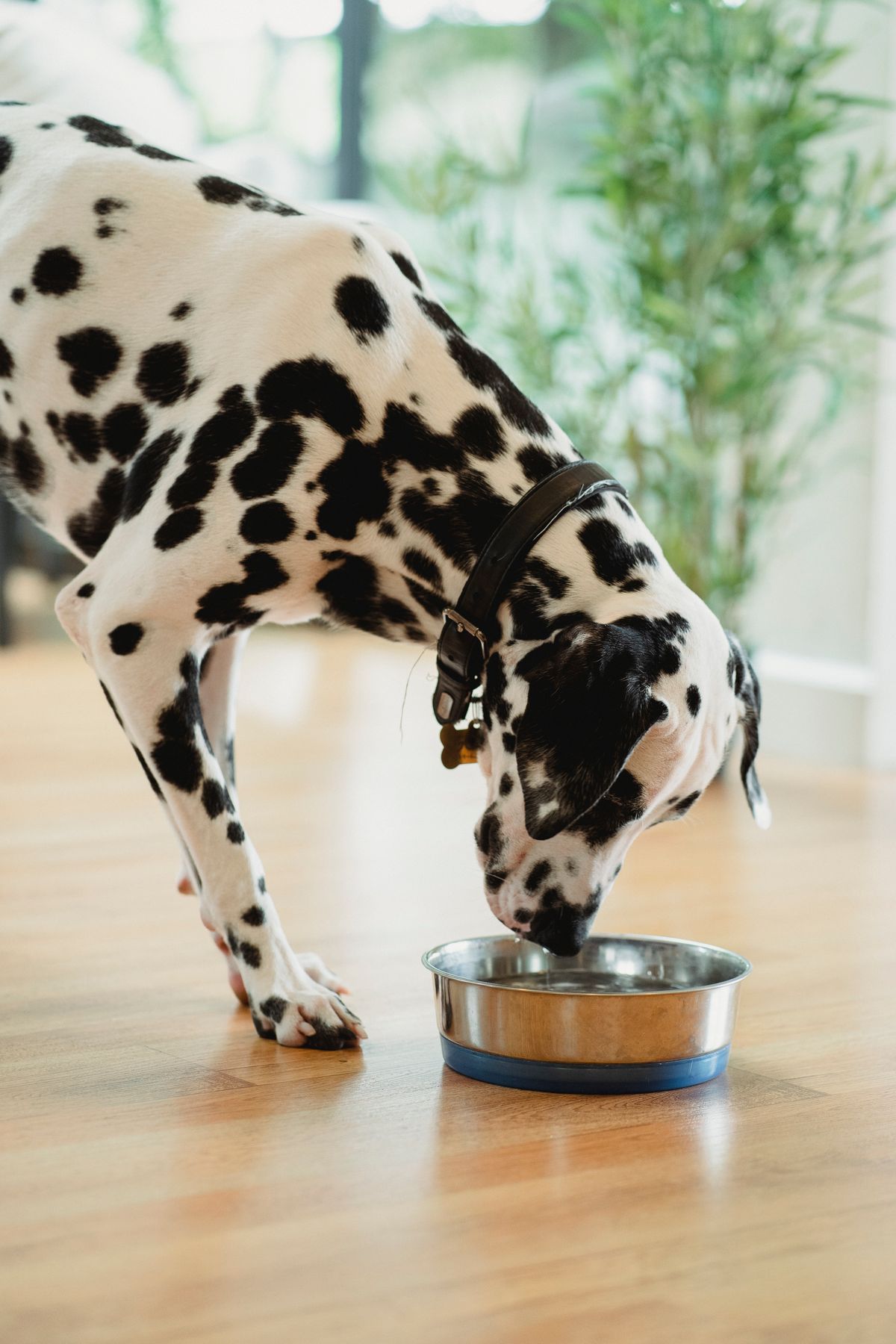
Your dog walks up to a new water bowl, sniffs it and backs away — but will drink from the old bowl, a cup or another container. That pattern can be caused by novel smell/taste, clanging or movement, reflections, bowl location, shape/contact preferences or a learned startle response. But if your dog is refusing all water sources, has stopped eating, seems nauseated, painful or lethargic, the problem may be medical rather than “the bowl.”
Do this first
Offer water in a familiar alternative container immediately. Do not remove the old bowl to “make your dog thirsty enough” to use the new one.
Drinks normally from the old bowl/cup: a bowl-specific aversion becomes more likely. Compare one variable at a time: material, noise, movement, location, depth and cleaning odor.
Refuses every source or cannot keep water down: contact your veterinarian promptly, especially with vomiting, diarrhea, weakness, pain, fever/heat exposure or other illness signs.
Collapse, severe weakness, repeated vomiting with inability to keep water down, confusion or suspected heatstroke: urgent/emergency veterinary care.
What this revision removed: a fixed age-based dehydration timer; skin tenting treated as a yes/no home diagnosis; “metal oxides are the most common cause”; claims that dogs detect BPA/phthalate monomers in a bowl; canine “whisker fatigue” presented as an established syndrome; vinegar/boiling as a required metal detox; a rigid five-day protocol; and removing the familiar water bowl on Day 4.
Last evidence review: September 1, 2026. Fresh water should remain available at all times. Total water needs vary with diet moisture, weather, activity, body size and health.
First: Is This Really a Bowl Problem?
The fastest useful test is not a dehydration timer. Offer the same fresh water in a familiar bowl, clean glass/ceramic container or another safe vessel.
| Pattern | What it suggests | Next step |
|---|---|---|
| Drinks immediately from familiar container | New-bowl feature or learned association is plausible. | Keep water available and troubleshoot the new bowl gradually. |
| Refuses all water sources | Reduced thirst, nausea, oral pain, systemic illness or other medical problem becomes more important. | Contact your veterinarian. |
| Approaches water but appears painful, drops food, drools, paws at mouth | Dental/oral discomfort may make drinking unpleasant. | Veterinary oral/dental assessment. |
| Vomiting/diarrhea + reduced drinking | Fluid loss can outpace intake. | Prompt veterinary advice; urgency rises with weakness or inability to keep water down. |
| Heat exposure + weakness, excessive panting, altered mentation | Heat illness can cause rapid dehydration and systemic injury. | Emergency veterinary care. |
Important: dogs eating canned/wet food may drink noticeably less from the bowl because their diet already contains substantial water. A change in bowl drinking must be interpreted alongside food moisture and overall health.
6 Reasons Your Dog May Refuse a New Water Bowl
1. The bowl is unfamiliar — smell, taste or cleaning residue
A new object can have a different odor and water can taste different after contact with a new surface. That does not prove “metal oxide toxicity” or that a dog is specifically detecting BPA, phthalates or free monomers. If a bowl has a strong chemical odor, oily residue or damaged surface, do not use it. Otherwise wash it normally, rinse well and test whether the dog accepts it after the unfamiliarity fades.
2. Metal noise, tag clinks, sliding or sudden movement
Stainless steel is durable and easy to clean, but it can be noisy. Veterinary nursing guidance notes that some pets are averse to the appearance or sounds associated with stainless-steel dishes. ID tags hitting the rim, a lightweight bowl skidding across tile, or a previous loud crash can create a bowl-specific startle association.
Easy test: place the bowl on a non-slip mat and temporarily prevent collar tags from striking it while your dog drinks. If acceptance improves, sound/movement is more plausible than “metal smell.”
3. Reflection, glare or water movement
A polished bowl can create bright reflections, moving highlights and visual changes when water ripples. Evidence for “reflection fear” is mostly clinical/anecdotal rather than controlled canine bowl research, so treat it as a testable hypothesis rather than a diagnosis. A matte, heavier or non-reflective vessel is a simple comparison.
4. Bowl shape, depth and facial/vibrissal contact preference
Dogs' vibrissae are real sensory organs. A 2025 Scientific Reports study confirmed dense innervation and functional responses to mechanical stimulation. However, “whisker fatigue” from a deep water bowl has not been established as a canine clinical syndrome. Some individual dogs may simply prefer a wider or shallower bowl, so testing shape is reasonable without inventing a diagnosis.
5. The location or context changed
Maybe the bowl moved beside a loud appliance, slippery floor, busy doorway or another pet. Dogs learn environmental associations. If the old bowl was quiet and predictable, change one variable at a time rather than assuming the material itself is the problem.
6. The timing with the bowl is coincidental: nausea, dental pain or illness
A dog who suddenly drinks less may be unwell. Reduced water intake can accompany nausea, pain or systemic disease, and oral/dental discomfort can make lapping unpleasant. If the dog refuses multiple containers or appetite/behavior has changed too, stop running bowl experiments and call your veterinarian.
Whisker Fatigue in Dogs: Sensory Whiskers Are Real; the Diagnosis Is Not Established
Canine whiskers (vibrissae) are not decorative hairs. Research from LMU Munich published in 2025 showed that canine vibrissal follicles are densely innervated, dogs respond to whisker stimulation, and dogs use facial vibrissae during close-range exploration.
That makes it biologically plausible that some individual dogs care about repeated facial contact with a bowl rim. What is missing is evidence that bowl contact causes a defined syndrome called “whisker fatigue” in dogs or that deep bowls routinely cause drinking refusal.
Use the term carefully: “My dog prefers a wider/shallow bowl” is an observable fact. “My dog has whisker fatigue” is a diagnosis the current dog literature does not establish.
Dog Bowl Materials: Compare Trade-Offs, Not Marketing Scores
| Material | Strengths | Watch for | Good fit for |
|---|---|---|---|
| Stainless steel | Durable, nonporous, easy to wash; widely used. | Noise, sliding, reflection; replace damaged/corroded products. Food-service grade such as 304/18-8 is a reasonable quality marker. | Most everyday dogs when accepted. |
| Food-safe ceramic | Heavy/stable, often quiet, less reflective. | Chips, cracks/crazing and questionable decorative glazes. Use intact food-contact ware. | Dogs startled by light metal bowls. |
| Glass | Nonporous and easy to inspect/clean. | Breakage/chipping. | Stable home setup where breakage risk is low. |
| Plastic | Light, inexpensive, many shapes. | Scratches/chew damage; replace worn bowls and choose products intended for food contact. | Situations where it stays smooth and intact; often better as backup/travel. |
| Silicone | Light and collapsible. | Chewing damage, folds that need thorough cleaning; limited comparative pet-bowl evidence. | Travel/portable use when dog does not chew it. |
A small canine water-bowl experiment found bacterial counts rose over time in all tested materials and did not find a statistically significant total bacterial-count difference among stainless steel, ceramic and plastic; the sample was very small. A newer dog-food-bowl study also found contamination depends on multiple factors, including bowl condition and cleaning. So “plastic always filthy / ceramic always clean / steel sterile” is too simple.
Cleaning and condition matter at least as much as the label. Smooth, intact, easy-to-clean surfaces are preferable; cracked ceramic and deeply scratched/chewed plastic should be replaced.
A Better Transition Plan: Never Use Thirst as the Training Tool
1. Keep the familiar water source available
Fresh water is a basic need. Place the new bowl near the familiar bowl, but do not remove the old one to force a choice.
2. Wash the new bowl normally
Use hot/warm water and dish soap appropriate for food-contact items, then rinse thoroughly. FDA recommends washing pet bowls with soap and hot water; there is no requirement to boil stainless steel or soak it in vinegar to remove “oxide toxins.”
3. Change one variable at a time
Same location + new bowl; then non-slip mat; then different shape; then matte/ceramic/glass if needed. One-variable tests tell you more than changing material, location and water flavor all at once.
4. Let approach remain voluntary
Calmly reward interest if your dog enjoys rewards, but do not push the dog's face toward the water or repeatedly carry them to the bowl.
5. If sound seems relevant, remove the sound
Use a non-slip base and prevent metal ID tags from striking the bowl during the test. If avoidance disappears, you have actionable evidence.
6. Retire a bowl your dog persistently dislikes
There is no medical benefit to winning a battle over one specific vessel. If your dog drinks normally from another safe, clean bowl, use the option that maintains reliable hydration.
Do not run the old “Day 4: remove the old bowl” step. A hydration resource should not be withheld to create motivation. If the dog refuses the new bowl, restore a reliably accepted water source immediately.
Dehydration: Home Signs Are Clues, Not a Stopwatch or Single Test
The old article used “24 hours for adults / 12 hours for puppies and seniors” as a critical threshold. Veterinary references do not support one universal clock for every dog. Risk depends on baseline hydration, diet, illness, vomiting/diarrhea, heat, activity, age and comorbidities.
- Dry/tacky oral tissues can support concern, but context matters.
- Reduced skin turgor may occur with dehydration, but Merck notes it can mislead in geriatric, very young or chronically thin animals.
- Sunken eyes, weakness, abnormal mentation, weak pulses are more concerning when present with the rest of the clinical picture.
- Vomiting/diarrhea creates ongoing losses and lowers the threshold for veterinary care.
- Inability to keep water down is more urgent than simply disliking one bowl.
Do not diagnose dehydration from “skin returns slower than 1–2 seconds” alone. Merck explicitly describes hydration estimates as partly subjective and recommends evaluating the whole patient.
How Much Water Should a Dog Drink?
There is no single bowl-volume target that fits every dog because food itself can supply substantial water. Merck gives a broad thermoneutral maintenance reference of roughly 44–66 mL/kg/day of total water for many mammalian species, while emphasizing individual variation. Dogs eating canned/wet food generally drink less from the bowl than dogs eating dry food.
Example: a 20-kg dog might have a rough total-water reference around 880–1,320 mL/day, but that includes water obtained from food and is not a command to make the dog drink that exact bowl volume.
A sudden, unexplained drop from your own dog's usual pattern matters more than chasing a generic number.
How Often Should You Wash a Dog's Water Bowl?
FDA's current pet-food handling guidance says to wash water bowls daily. For pet food dishes, FDA recommends soap and hot water after use. Regular cleaning helps control biofilm and microbial contamination regardless of bowl material.
- Empty old water, wash the bowl and refill with fresh water daily.
- Rinse away all detergent before refilling.
- Clean bottle/fountain reservoirs, pumps and crevices according to manufacturer instructions.
- Replace damaged bowls that cannot be cleaned to a smooth surface.
When to Call the Vet
| Situation | Action |
|---|---|
| Refuses only the new bowl but drinks normally elsewhere | Not usually an emergency; keep the accepted water source and troubleshoot gradually. |
| Refuses all water sources | Contact your veterinarian promptly for individualized triage. |
| Reduced drinking + vomiting, diarrhea, appetite loss or marked lethargy | Same-day/urgent veterinary advice, depending on severity and ability to keep fluids down. |
| Drooling, mouth pain, difficulty swallowing, dropping food | Veterinary oral/dental exam. |
| Severe weakness, collapse, altered mentation, suspected heatstroke | Emergency veterinary care. |
| New drinking change without an obvious bowl/environment explanation | Discuss with your vet rather than assuming behavior. |
Frequently Asked Questions
Why won't my dog drink from a stainless-steel bowl?
Possible explanations include noise, sliding, reflections, unfamiliarity or a learned startle event. A specific “metal oxide smell” diagnosis is not established. Try a non-slip mat, prevent tag clinking and compare a matte/ceramic/glass vessel while keeping water available.
Can dogs smell metal or plastic better than we can?
Dogs have excellent olfaction, but that fact does not prove they are identifying chromium oxide, BPA, phthalates or monomers in a particular bowl. Avoid turning a general sensory advantage into a chemical diagnosis.
Is whisker fatigue causing the problem?
Dogs' vibrissae are functional sensory organs, but canine bowl-related “whisker fatigue” has not been established as a clinical syndrome. If your dog consistently prefers a wider/shallow bowl, honor that observable preference.
Is stainless steel the best dog-bowl material?
It is durable, nonporous and easy to clean, so it is a strong everyday option for many dogs. But a dog startled by metal noise/reflection may do better with an intact food-safe ceramic or sturdy glass bowl.
Are plastic dog bowls toxic?
Not automatically. Choose a product intended for food contact, keep it clean and replace it when scratched, chewed or damaged. Evidence does not justify claiming every BPA-free or plastic dog bowl is hormonally toxic to the dog using it.
Should I soak a new metal bowl in vinegar or boil it?
That is not required by veterinary or FDA bowl-hygiene guidance. Normal washing with soap/hot water and thorough rinsing is appropriate unless the manufacturer gives different instructions.
My dog drinks from the tap but not the bowl. Should I buy a fountain?
A fountain may be worth trying if your dog likes moving water, but it is not automatically “fresher” or lower in bacteria. Pumps/reservoirs still require frequent cleaning. A clean accepted bowl is equally valid.
How long can a dog safely go without drinking?
There is no universal safe waiting period that should be used at home. If your dog refuses every water source — particularly with illness, heat exposure, vomiting, diarrhea, weakness or inability to keep water down — call a veterinarian rather than waiting for a fixed hour mark.
Is the skin-tent test reliable?
It is one clinical clue, not a definitive home test. Age, body condition and other factors can change skin elasticity. Gums, eyes, circulation, history and sometimes laboratory data are needed to assess hydration accurately.
Should I flavor the water with broth?
Do not make additives the first step when plain water is available from an accepted container. If a veterinarian recommends flavoring for a particular dog, use only dog-safe ingredients and avoid onion/garlic and excessive sodium.
Track the Pattern With Patify
New bowl only — or water refusal everywhere?
Record which container your dog accepts, diet type, drinking changes, vomiting/diarrhea, appetite, heat exposure and oral-pain signs. That history helps separate a bowl preference from a medical change.
Explore PatifyBottom Line: Protect Hydration First, Then Troubleshoot the Bowl
A dog can reject a new bowl because of sound, movement, reflection, location, unfamiliar odor or shape/contact preference. None of those explanations requires you to prove “metal oxide smell,” BPA detection or whisker fatigue.
Keep a reliably accepted source of fresh water available. If your dog drinks elsewhere, solve the bowl problem gradually. If they refuse all water or develop vomiting, diarrhea, mouth pain, weakness or other illness signs, stop treating it as a training problem and involve your veterinarian.