English Budgerigar Guide: Show Type, Welfare and Everyday Care
An English budgerigar is a show-bred budgie, not another species. Compare feathering, flight, diet, housing and health before bringing one home in Canada.
Safety boundary: If your bird shows breathing difficulty, stops eating, becomes persistently fluffed or weak, or deteriorates quickly, seek prompt assessment from an avian veterinarian. This educational guide cannot diagnose your bird.
What an English budgerigar actually is
An English budgerigar is a selectively bred exhibition or show-type budgie, not a separate species. Both the larger show bird and the more streamlined companion-store budgie are Melopsittacus undulatus. This matters when someone is comparing breeders, diets, or health information: the basic requirements for social contact, flight, nutrition, clean air, and avian veterinary care still apply to both. The label describes a breeding direction rather than a biological boundary. It also does not certify temperament, age, health, or suitability for a first-time home.
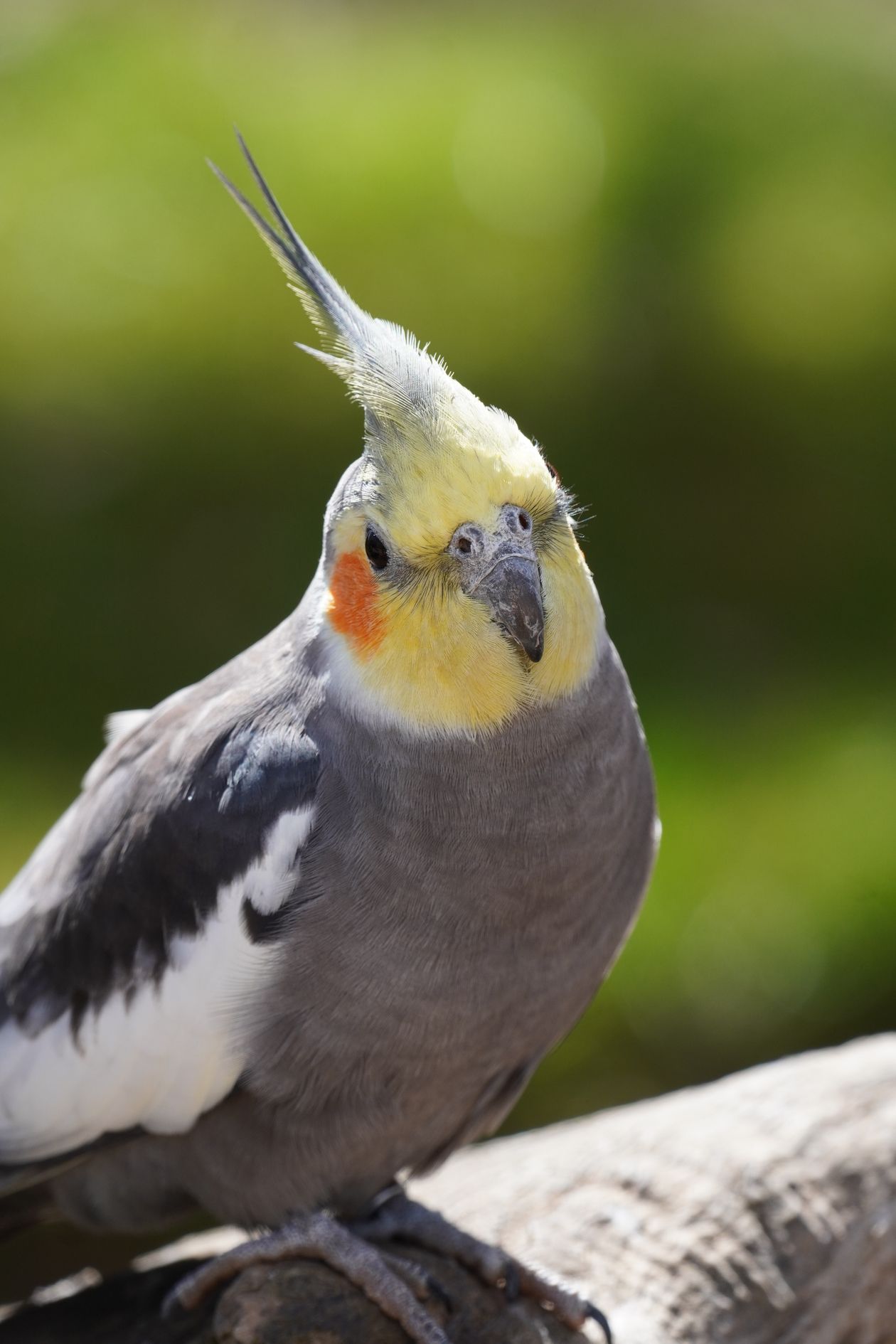
Show lines are often described by their broader head, full facial feathering, upright stance, and heavier body. Individuals vary considerably. A well-proportioned English budgie may have a clear field of vision and fly actively, while another may be less agile or have feathering that deserves closer monitoring. Do not assume every large-headed bird has a medical problem, but do not dismiss practical difficulties merely because they are desirable in a show ring. Watch how the actual bird negotiates perches, finds food, grooms around the eyes, and responds to a moving person before making a decision.
English versus pet-type budgie: the comparison that helps at home
The useful comparison is about the bird in front of you, not a cartoon contrast between a calm English bird and a hyperactive regular budgie. Display birds may look substantial and sometimes appear less hurried, but neither behaviour nor personality is guaranteed by type. A timid pet-type budgie may settle well into quiet handling; a show-type bird can be energetic, vocal, or difficult to manage. A breeder’s reassurance is not an alternative to direct observation over multiple short visits, and a video of a bird standing still is not a test of flight.
Exhibition selection can change feather density and silhouette. That makes feather condition, facial cleanliness, actual body condition under the feathers, and comfortable mobility more informative than apparent bulk. Compare birds in natural posture, ideally after gentle movement rather than while restrained. The correct question is not “which type is bigger?” but “does this particular bird eat, fly, preen, see, perch, and interact normally?” This distinction saves both a disappointing purchase and the temptation to interpret every problem as a normal feature of the English type.
Selecting a bird without relying on appearance alone
Ask the breeder or rescue to show the bird moving between appropriately spaced perches, taking food without difficulty, and maintaining balance while turning. Look for both eyes remaining visible during ordinary activity, clean nostrils, an unsoiled vent, steady breathing, and a responsive, alert posture. Heavy head feathering is not proof of obstructed vision; it is a reason to check whether the bird can navigate comfortably. A photograph taken with a flash or from above cannot answer that question. Ask whether the bird has seen an avian veterinarian and request existing records rather than accepting a vague statement that it is “perfectly healthy.”
A bird sitting quietly with puffed feathers may be resting, cold, stressed, or unwell. Context matters. Observe for a while, without repeatedly approaching the enclosure to force a reaction. Avoid sellers who will not discuss diet, weaning status, social housing, or previous illnesses. Confirm that any young bird is fully weaned and eating independently; hand-feeding an unweaned bird is not a beginner bonding technique. Plan the first appointment with a qualified avian veterinarian before transport, especially when the bird has very heavy facial feathering, unusual breathing, poor grip, or a body shape that seems to impede ordinary movement.
| Question | English/show line | Companion/pet line | Better home test |
|---|---|---|---|
| Biological identity | Melopsittacus undulatus | Melopsittacus undulatus | Treat both as budgies |
| Body and feathers | Often fuller facial feathering and broader appearance | Often more streamlined | Inspect vision and grooming, not only silhouette |
| Temperament | Cannot be guaranteed by exhibition label | Cannot be guaranteed by pet label | Observe response and voluntary interaction |
| Housing | Needs usable flight room | Needs usable flight room | Measure cage footprint and clear flight paths |
Planning a flight-first home, not a decorative cage
Treat horizontal usable flight space as more important than a tall, narrow ornament. The bird needs room to travel from one end to the other without striking toys, dishes, or the cage wall. Merck's bird-housing guidance makes the same basic point: size must allow movement and wing extension, with more space for multiple birds. An English-type bird still needs exercise; its size or reported calmness does not justify a short cage. Measure the open interior, not the outside dimensions including the stand or roof. The apparent spaciousness in promotional photos can vanish once feeding bowls and branches are installed.
Place the main enclosure away from the kitchen, cooking fumes, aerosols, drafty exterior doors, and direct midday sun. A bright household room with predictable activity is generally preferable to an isolated corner. The room itself must be made flight-safe before supervised out-of-cage exercise: windows covered, fans stopped, doors secured, open water and hot surfaces removed, and other pets excluded. In a Canadian winter, heating vents can dry the air and cold window glass can create a chilly spot despite a comfortable central thermostat. Measure actual conditions at perch height instead of guessing from the room's thermostat.
Perch design for feet, confidence, and access
Use stable natural branches of safe, unsprayed wood in varied diameters, supplemented by a predictable landing place next to important resources. The bird should not have to cling awkwardly to reach water, and the main perch should not sit directly above a food dish. Multiple textures provide changing pressure points; one identical dowel from end to end does not. Keep generous clear lanes for flight and avoid tightly packing the upper half of the cage with accessories. An exhibition bird with long head feathers may benefit from distinct, easily approached landing points that make navigation less uncertain.
Do not use sandpaper perch sleeves to “trim” claws. They can irritate feet while doing little to solve a genuine nail problem. Rough footing, frequent slipping, reluctance to step onto a familiar branch, and sitting low for long periods deserve attention; they are not automatically laziness associated with show stock. Choose branches that can be inspected and cleaned. If feet appear red, scabbed, or painful, do not file the problem away as a routine grooming issue: ask an avian veterinarian about perch arrangement and underlying disease.
Healthy feathering versus feathers that interfere
English budgies are admired partly for full facial feathering. The welfare test is whether feathers remain clean and compatible with ordinary behaviour. Note whether the bird turns its head excessively to locate food, misses obvious perch targets, frequently bumps objects, or has persistent dampness and debris around the eyes. Any of these signs can have several causes, including eye disease or illness unrelated to exhibition type. Do not cut around the eyes yourself. Feathers are living structures during growth and unsafe trimming can cause injury or leave an infection untreated.
Photograph a recurring change in good natural light from the same angle and note the timing relative to moulting. A developing feather may look different from an old broken feather; a one-day observation is rarely enough to explain the change. Routine moults may bring extra preening, but worsening lethargy, weight loss, breathing changes, or inability to feed are not normal moulting inconveniences. An avian vet can examine eyes, feather follicles, skin, and body condition and discuss whether any intervention is needed. Good husbandry protects function rather than trying to replicate a show photograph at home.
Food choices for the show-type budgie
Start with the species' needs, not a bag labelled “English budgie special.” Budgies can selectively eat favourite seeds and leave a nutritionally incomplete mix behind. Veterinary references favour a structured, balanced diet built around an appropriate small-bird formulation and suitable fresh vegetables. Guidance on the exact percentage of pellets versus seeds differs between veterinary sources, so avoid replacing the current diet with an arbitrary internet ratio. The bird's individual intake, body condition, age, and medical history determine how a change should proceed. Fresh clean water is non-negotiable.
Ask the seller what the bird actually eats, including brand, form, amount offered, hulls discarded, and fresh-food habits. Bring that information to the first avian appointment. If the bird currently eats mostly seeds, introduce a suitable pellet gradually while checking actual consumption, weight, and droppings. A nearly empty bowl may contain only seed husks; a bird playing with a pellet may not be swallowing it. Avoid sudden withdrawal of familiar food to force a conversion. Washed vegetables in small appropriate pieces offer enrichment, while sugar-heavy treats and honey sticks should not displace regular food. Do not supplement a balanced formulation casually.
Measuring body condition under a generous coat
Full plumage makes visual weight estimates unreliable. A bird can look round while being slim under the feathers, or appear compact while carrying excess fat. Establish a predictable weighing routine using a gram scale and safe carrier or perch, ideally at a similar point before breakfast. Record the number rather than comparing an English budgie with an arbitrary “normal budgie” target on social media. A persistent change in that bird's own trend matters more than whether it resembles a published average. A qualified avian vet can show you how breast muscle and keel condition should be assessed safely.
During a food conversion, add notes about appetite, droppings, activity, and whether the bird actually handles and swallows the new food. Multiple birds sharing a bowl can conceal which one eats. If the weight falls unexpectedly, the bird fluffs up, or droppings become scant, do not continue a restrictive transition to meet a dietary goal. Get prompt professional advice. Weighing is a low-stress observation tool, not permission to prescribe calories by trial and error. Keep the record simple enough that another household member can use it without guessing what “seemed fine” meant.
Social needs and choosing companions
Budgies are social parrots whether bred for exhibition or companion homes. Human conversation and supervised training are helpful, but an isolated bird may still need more reliable company than a busy household can offer. Ask an avian vet or experienced welfare-oriented keeper about compatibility and how to introduce a suitable budgie companion. Sex, maturity, individual temperament, resource access, and enclosure size affect interactions more than whether one bird is called English and the other pet type. A new bird should receive a health assessment and a separate settling period before gradual, supervised introductions.
Pairs can be harmonious without becoming inseparable, and two seemingly friendly birds can still compete over food or preferred perches. Provide independent access points and watch whether both birds eat undisturbed. Do not use mirrors as a substitute for meaningful social interaction. If one bird relentlessly chases another, blocks food, or seems unusually quiet, make practical changes and seek guidance. A bird that looks peaceful because it never approaches a dish is not necessarily relaxed. Successful companionship is measured in confident behaviour and access to resources, not simply the absence of obvious fighting.
| Observe | Comfortable pattern | Investigate / ask avian vet |
|---|---|---|
| Food access | Locates and swallows normal food | Repeated misses, changes in intake |
| Eye region | Clear, functional sight line | Swelling, discharge, head rubbing |
| Flight and landing | Purposeful turns and stable grip | Repeated collisions or breathlessness |
| Feathers and feet | Normal preening and stable perching | Persistent injuries, soiling or sores |
Handling and training without forcing compliance
A calm hand near a perch is an invitation, not a demand. Begin by identifying what distance allows the bird to continue normal activities; approach only as the bird stays comfortable. Offer a small appropriate reward when it investigates or voluntarily steps closer. Teach a simple target first, then a short step-up to a stable perch, and only later to a hand if the bird accepts it. Short, predictable sessions build choice and make cage maintenance easier. Chasing a budgie around the cage teaches it that human hands remove control from its day.
English-type birds are sometimes advertised as naturally docile. That claim may reflect a breeder's handling routine or an individual's temperament, not an entitlement to grab or cuddle. If the bird freezes, flattens, retreats, or gives repeated warning bites, adjust the request. Do not squeeze the chest; birds rely on chest movement to breathe. For urgent transport or examinations, ask a vet or avian professional to demonstrate safe methods rather than improvising restraint from a video. Training should improve welfare and husbandry, not create a photo opportunity that leaves the bird distressed.
A safe room for daily flight
Build the flight routine before opening the cage door. Close windows and doors, switch off ceiling fans, cover mirrors and large panes until the bird recognizes them, and ensure that open toilets, sinks, drinking glasses, and hot pans are inaccessible. Remove small loose items that could be chewed or swallowed. Make the return route easy: a familiar landing perch at the cage door and a reward for approaching it. Start with short outings in one prepared room so that recall can develop without frantic chasing. Multiple birds may need individual training first.
Heavy feathering can alter how an individual bird perceives obstacles, but do not decide the bird should never fly simply because it is a show type. Watch turning, braking, and landing confidence. If the bird repeatedly misjudges open flight space or appears breathless, pause and arrange an avian assessment. Clipped wings should never be the default answer to a poorly prepared room. Consistent exercise contributes to fitness, curiosity, coordination, and quality of life. The aim is practical freedom within a managed environment, not to push a bird through a frightening obstacle course.
Sleep, lighting, and seasonal changes in Canada
A predictable dark, quiet sleep period helps budgies settle. Choose a spot away from televisions left running late at night and from hall lights flashing on repeatedly. In winter, shorter natural daylight does not justify leaving an overhead bulb switched on all night. A consistent household schedule is more useful than copying breeding-light programmes designed for show aviaries. Avoid strong evening light directed into the cage, and check that any cover does not reduce ventilation or create a hazard. A night fright is a reason to examine shadows and disturbances, not to blame the bird's “English temperament.”
Central heating can dry indoor air while sunny windows make small enclosures surprisingly hot. Monitor the enclosure, not just the weather forecast. Birds need stable conditions without persistent draughts, cooking vapours, or sudden changes. If a bird is fluffed, sleepy, or breathing abnormally, do not try to treat an unexplained symptom by dramatically raising humidity or temperature. Veterinary assessment is needed for concerning changes. Simple records of room conditions and daily behaviour are particularly useful during seasonal transitions when household routines shift.
Enrichment that does not overwhelm a large-headed bird
Offer chewable bird-safe materials, changing forage opportunities, and simple puzzles that reward exploration. Rotation works better than hanging every purchased toy simultaneously. Some show-type birds may take time to navigate a new arrangement; introducing one item at a time makes the response easier to interpret. Watch for loose threads, exposed wires, bells with unsafe gaps, and items that trap toes. A bird that has stopped flying because its usual path is cluttered has not gained enrichment. Keep one clear route and move novelties to the side until the bird chooses to investigate.
Place a few low-value food rewards inside paper parcels or a safe foraging tray; vary the location once the task is familiar. Training and foraging need not be complicated. The goal is to extend opportunities for natural investigation without requiring the bird to risk a fall or to compete with a companion. If a bird ignores every new toy, start with familiar food and small changes, not ever-louder devices. Short observational notes help you discover whether the bird prefers shredding, gentle climbing, flight, or interactive target games.
Hygiene and household air quality
Change drinking water daily and wash food containers properly. Remove damp fresh food promptly and replace heavily soiled cage liners. Perches can be cleaned as needed and allowed to dry completely before use. Avoid scented sprays, disinfectant fumes, air fresheners, smoke, and aerosol cleaners in the bird's breathing space. Non-stick cookware overheated in a kitchen can release fumes dangerous to birds; housing a budgie away from kitchens and ensuring household awareness is essential. Good ventilation should not mean a constant cold draft over the sleeping perch.
Set a cleaning routine that covers the hidden places rather than only the visible tray. Inspect between bars where feathers and damp food accumulate, under water containers, and at cage joins. Wash hands after handling birds or contaminated equipment. Separate food-preparation surfaces from cage-washing areas. New toys and branches should be inspected for coatings, splinters, and unsafe materials before entering the enclosure. A tidy-looking aviary can still harbour a problem if the food is stale or the bird cannot reach its water dish.
Common health concerns and the limits of a checklist
Budgies may develop respiratory conditions, nutritional problems, infections, reproductive disorders, or foot issues; none can be reliably diagnosed from the English-show label. Warning signs include persistent fluffing, weakness, reduced food intake, changed droppings, tail bobbing, open-mouth breathing, loss of balance, or a sudden change in voice and activity. Breathing difficulty, collapse, significant trauma, or obvious inability to eat calls for urgent avian veterinary assessment. Small birds can deteriorate quickly, and a bird that still grips the perch may be concealing substantial illness.
Monitor the face and eye area in a heavily feathered bird without assuming irritation is merely cosmetic. Squinting, discharge, swelling, persistent rubbing, and difficulty finding food should be examined professionally. Resist casual antibiotics, essential oils, supplements, or internet mite treatments without a diagnosis. A quarantine and new-bird veterinary protocol can reduce some risks when expanding a flock, but does not replace appropriate testing. Keep emergency contact details somewhere accessible; when a bird looks unwell, finding a clinic should not be the first task of the day.
| When | Owner action | What to record |
|---|---|---|
| Before arrival | Set cage and schedule avian appointment | Source diet, contact information |
| Days 1–3 | Reduce disturbance; verify food and water | Droppings and actual eating |
| Days 4–7 | Offer one enrichment activity; start calm trust work | Activity and fear signals |
| Week 2 | Begin gradual flight/training when settled | Landing confidence, weight trend |
Moulting and show preparation without cosmetic shortcuts
Moult is a normal feather-replacement process, although timing and intensity vary with individual health, season, and household conditions. Provide reliable nutrition, routine rest, optional bathing choices, and opportunities to preen normally. Do not pull stubborn pin feathers or force grooming around the face. In a show-line bird, apparent facial fullness can change as feathers grow or shed; compare with prior photographs taken under similar lighting. A dramatically changed feather pattern accompanied by reduced activity or weight loss is not something to explain away as “just show feather.”
If an exhibition event is planned, welfare still takes priority over presentation. Avoid unverified colour enhancers or conditioning supplements, excessive handling, and rushed changes of food or housing. Familiar travel equipment and short non-stressful acclimation sessions matter more than dramatic last-minute routines. Ask organizers about actual requirements and an avian vet about travel fitness. For a pet household, the bird need never be “show ready” to be thriving. Clean feathers and a confident, active routine are better indicators than a symmetrical portrait.
Costs and responsibilities without invented Canadian prices
The purchase price is the least informative cost of ownership. Budget for a properly dimensioned flight cage, safe perches, varied bird-safe enrichment, a scale, transport carrier, ongoing food, cage-cleaning supplies, and avian veterinary care. Availability and costs vary by province, city, clinic, and season, so an unverified national CAD estimate would create false confidence. Phone a local avian clinic for appointment and emergency policies before committing. A reputable breeder should explain the bird's diet and records rather than suggesting that expensive show birds require little veterinary attention.
Prepare for unexpected expenses as well as ordinary replacement items. Toy wear, cage hardware and feeders need periodic inspection. If work or study changes leave no time for supervised exercise or daily social interaction, even a beautifully furnished cage cannot make up the difference. Have a plan for holidays and emergencies with someone who understands how to observe a small bird. English budgerigar ownership is a long-term husbandry decision rather than a collectible purchase tied to current show fashions.
An observation log that reveals useful trends
Use a one-page log with date, morning body weight if advised, the actual foods seen being eaten, water changes, flight or perch confidence, and any eye or facial-feather concern. On days when the bird is normal, a quick tick is enough. Record unusual droppings alongside dietary changes, because colourful vegetables and a lack of food can alter appearance for different reasons. Photographs help with feather and eye changes; they cannot replace an examination. A consistent baseline tells you far more than trying to remember whether the bird has “always been like that.”
Bring this record to the annual avian examination and sooner if concerned. A vet can assess body condition, nutrition, feet, respiratory health, and the function of conspicuous facial feathers. If multiple birds are housed together, identify whose data you are recording instead of treating the flock as one patient. Review the log monthly and remove variables that have proved unhelpful. The simplest useful plan is one that a busy household will maintain accurately rather than an elaborate spreadsheet abandoned after a week.
Questions to ask a breeder or rescue in Canada
Ask for species and show-line identification, approximate age, hatch history when known, weaning confirmation, diet brand and form, previous veterinary visits, treatment history, flight experience, and social housing. Ask to see the bird's usual cage and the way it lands, not only a hand-held portrait. A responsible source should welcome questions about ventilation, grooming, and what happens if heavy feathering blocks a normal activity. Confirm any local sales, transport, or housing rules that apply; do not assume informal advice from another province covers your municipality.
Avoid a vendor who refuses to let you observe basic feeding or pressures you to take an unweaned bird home. Choose a carrier that permits steady footing and shelter from drafts during transport. Arrange a quiet settling period with consistent food and water, then introduce new routines gradually. Bringing home a budgie should begin a relationship based on the animal's needs, not an attempt to make it instantly talk, pose, or step up for visitors. Good questions before purchase usually prevent harder decisions afterwards.
The first two weeks at home
Before collection, position the cage, dishes, natural perches, and night-time sleeping area so the bird arrives to a predictable environment. Keep the breeder's documented familiar diet initially, even if a veterinarian will later advise improvement. During the first days, prioritize watching actual eating, drinking, movement, and droppings over hands-on interaction. Minimize visitors and abrupt rearrangements. Follow the avian clinic's advice about quarantine if other birds already live in the home, and handle supplies in ways that reduce cross-contamination.
Once the bird is reliably eating and exploring, begin a simple target exercise and brief supervised room-flight sessions in a prepared space. Introduce one new toy or perch at a time. If something seems wrong, do not wait two weeks for the bird to “settle” before seeking veterinary advice. A comfortable English budgerigar should be able to express the same basic budgie repertoire as any other type: purposeful movement, curiosity, preening, social responses, and independent eating. That—not the breadth of its forehead—is the most useful benchmark for a successful start.
Sources and review trail
Sources checked 16 October 2026. Care recommendations are educational, not an individual veterinary diagnosis. Manufacturer statements describe the labelled products, not independent clinical endorsement.
- Merck Veterinary Manual — Providing a Home for a Bird
- Merck Veterinary Manual — Management of Pet Birds
- VCA — Budgies: General
- VCA — Budgies: Feeding
- Merck Veterinary Manual — Nutritional Disorders
- Keepers Guide — English Budgerigar (show-type description only)
Related Patify reading
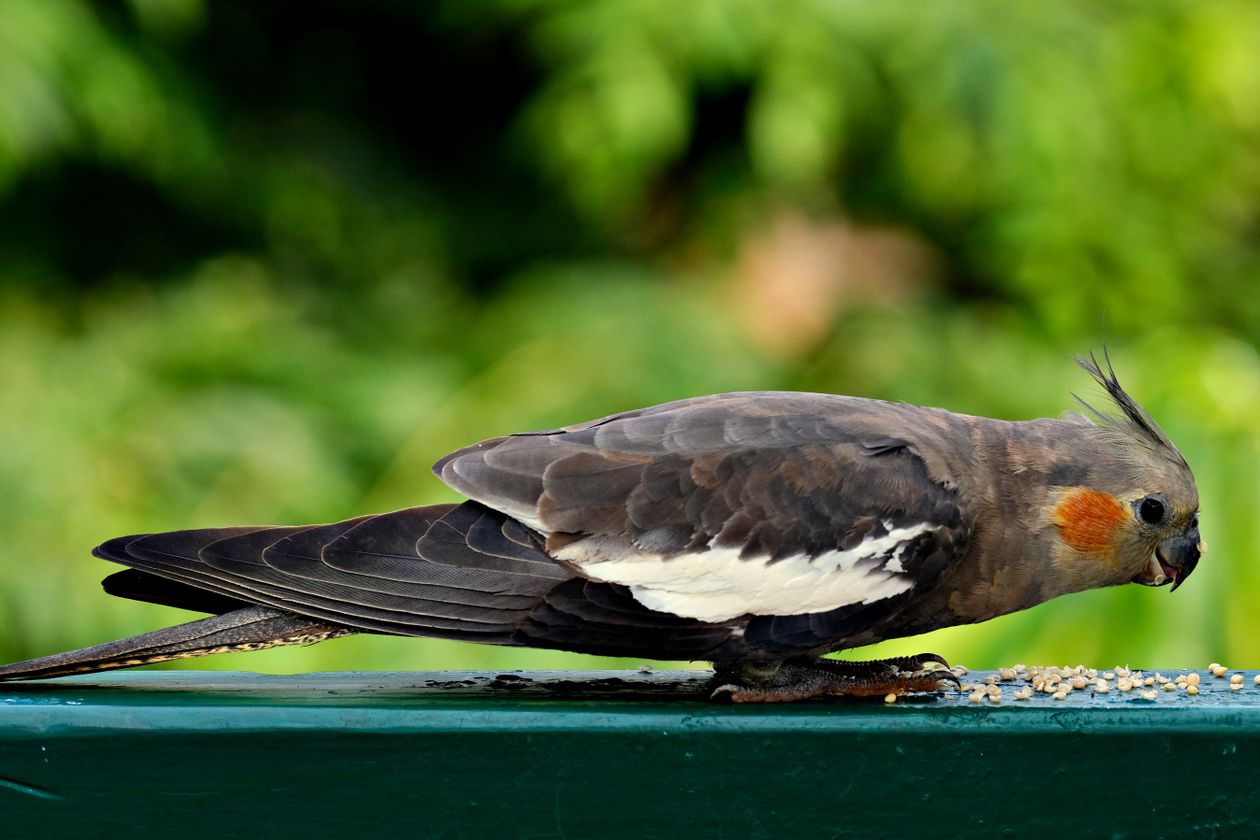
Cover image: Althepal · original photograph · CC BY-SA 2.5. Display may be cropped by the website layout.