Parrot Food in Canada: Compare Labels, Species and Feeding Plans
Compare complete parrot foods sold in Canada using official product labels, species needs, transition safety and storage—not fabricated rankings or universal diet ratios.
Safety boundary: If your bird shows breathing difficulty, stops eating, becomes persistently fluffed or weak, or deteriorates quickly, seek prompt assessment from an avian veterinarian. This educational guide cannot diagnose your bird.
There is no single best food for every parrot
“Parrot food” describes a store shelf, not a uniform biological requirement. An adult Senegal parrot, a tiny parrotlet, an African grey, and a nectar-adapted lorikeet can all appear under the same retail category even though their eating habits, nutrient sensitivities, and practical feeding needs differ. A sensible buyer begins with the species, age, health, activity level, and feeding history, then considers the product. Many companion parrots benefit from a suitable formulated base alongside carefully chosen vegetables and smaller amounts of fruit and training foods. That does not make an ordinary dry pellet a safe stand-in for a lorikeet's specialized nectar diet.
Veterinary guidance is clear about a common failure: birds offered a loose mixture of nutritious pellets and attractive seeds may choose only the seeds. Merck describes persistent nutritional disease from inappropriate feeding despite more complete products being available. The remedy is not to buy whichever bag has the brightest “balanced” claim. Compare which species and life stage the manufacturer actually recommends, check guaranteed analysis and ingredient information, and then assess what the individual bird reliably swallows. A product can be well formulated and still fail a household if the bird refuses it or the keeper cannot store and serve it safely.
Start with the species before looking at a brand
Group the bird by its actual nutritional situation. Budgies and cockatiels need advice adapted to small granivorous psittacines; medium companion parrots such as Senegals and conures have different energy demands and food-handling abilities. African greys can have calcium-related concerns requiring professional assessment. Macaws vary across species and cannot all be reduced to “more nuts.” Lories and lorikeets are major exceptions because their natural feeding ecology includes nectar and soft foods. A veterinary plan may also be required for egg laying, growth, recovering from illness, obesity, or an established metabolic problem.
Do not transfer a manufacturer's generic percentage from one species into another without examining the label's scope. Merck's technical bird-management recommendations differ between larger parrots and smaller seed-eating species, while its owner guidance emphasizes the need to individualize nutrition. Even within one species, a breeding bird and a sedentary older companion may not belong on the same maintenance formula. Keep your search narrow: identify the bird by species and life stage, then compare products marketed for that precise use. This is more useful than seeking a universal ranking that hides critical differences behind an affiliate-style score.
What a complete formulated diet should mean
A complete formulated diet is designed to reduce selective eating by presenting nutrients in a more consistent unit than a bowl of seeds. Check that the label describes a complete maintenance food rather than a complementary treat, topper, conditioning mix, or hand-feeding formula. Pellets and extruded foods can differ in texture and shape. The relevant question is whether the bird can handle the piece size and whether the formula is appropriate for its physiology and stage. A product with seeds visible inside an extruded pellet is not equivalent to a loose seed bowl where the bird can pick only its favourite kernels.
Some packages show minimum protein, minimum fat, maximum fibre, moisture, calcium and phosphorus. These figures are a starting point, not a diagnostic test or a contest in which the highest protein wins. Compare comparable measures and note whether a value is “as fed” versus dry matter; those bases cannot be interchanged casually. If a brand states that a maintenance product is unsuitable during a special life stage, respect that limitation. Do not add vitamins routinely to a fully formulated diet without an avian veterinarian's recommendation, especially when the product already contains vitamins A and D and added minerals.
| Product | Intended context | Documented label facts | Caution |
|---|---|---|---|
| HARI Tropican Lifetime | Maintenance formula, species/size variants | Complete extruded feed; corn, soy, wheat, peanuts and added micronutrients; manufacturer publishes analyses | Check exact granule and species list |
| HARI Lifetime 4 mm | Format for listed medium/large species | 4 mm granules; manufacturer lists Senegals and African greys among intended users | Not automatically the right size for budgies |
| Harrison’s Adult Lifetime Fine | Maintenance small-to-medium birds | Manufacturer lists budgies, cockatiels and lovebirds; published guaranteed analysis | Not the same as other Harrison’s formulas |
| Nectar-specialist diet | Lorikeets and lories | Specialized nectar/soft-food requirement in Merck guidance | Standard dry pellets are not a universal substitute |
Canadian label example: HARI Tropican Lifetime
Hagen Avicultural Research Institute publishes detailed Canadian product information for Tropican Lifetime. Its Lifetime Formula page identifies a complete daily base for a broad list of parrots and provides ingredient and nutritional data. The manufacturer describes its intended use for fledged juvenile and maintenance situations and says supplemental vegetables and modest enrichment foods can be part of the ration. Its ingredient list includes corn, soybean meal, wheat, peanuts, sunflower seed and brown rice, with added vitamins and minerals. The label's declared analysis, not the packaging colour, should inform a comparison.
Crucially, the recommendation list is product-specific. HARI's 4 mm granule product page lists target birds including African greys, Amazons, Senegals and various other medium-to-large parrots; its small formats are not automatically identical recommendations. Check the actual bag and updated manufacturer page when purchasing in Canada. A product name may stay the same while package size or instructions change. HARI's published statement that enrichment foods should be limited to a manufacturer-defined share is not a new general diet rule for all parrots, especially nectar feeders. Note the page date and revisit it rather than archiving one percentage indefinitely.
Second label example: Harrison’s Adult Lifetime Fine
Harrison's publishes both technical data and a retail description for Adult Lifetime Fine. Its retail page presents the formulation for small and medium maintenance birds, including budgies, cockatiels, lovebirds and quakers; it also displays a guaranteed analysis and ingredient list. The technical-data page supplies further context for as-fed versus dry-matter nutrient figures. These details let an owner ask specific questions about particle size, maintenance suitability and actual food acceptance. They do not demonstrate that a particular bird will prefer Harrison's over Tropican, or that every product on either website is available at a nearby Canadian shop.
A label comparison should preserve the level at which a claim was made. “Adult Lifetime Fine” is not a substitute for “High Potency” or a hand-feeding diet when a bird's condition calls for something different. Likewise, a fine granule is not necessarily the right size for a macaw and an oversized stick is impractical for a small budgie. When health issues, egg laying or unusually low body weight complicate feeding, bring the two actual labels to an avian veterinarian. Choosing between reputable formulas based on their intended users is more defensible than inferring quality from dramatic marketing adjectives.
Side-by-side: product decision criteria that matter
Instead of scoring brand prestige, compare the following in a consistent order: stated species, life stage, complete-versus-complementary purpose, available particle size, package quantity, protein and fat declaration on the same basis, storage directions, and whether the bird consumes it. For Canadian shopping, record package size in grams or kilograms rather than comparing a tiny bag's sticker price with a bulk sack's price. Divide the verified CAD shelf price by the package weight to estimate CAD per kilogram, and mark the retailer and date. This reflects purchasing cost, not the actual daily cost per bird, which also depends on waste and intake.
Avoid invented current prices. A supplier's online listing can be outdated, region-specific or sold out; taxes and freight differ by province. If a manufacturer provides a suggested price but the retailer has another price, keep those separate. A 1 kg bag may be economical only if it stays fresh before use. A large bargain bag that goes stale or is poorly stored does not provide better value than smaller, routinely replenished stock. Use a simple notebook row for name, formulation, size, exact local price checked, date, and the bird's observed acceptance before making a repeat purchase.
Why seed mixes are not equivalent to a balanced diet
Seeds have a legitimate place as small training rewards or as a controlled part of an individualized ration, but a free-choice bowl of sunflower and millet should not be assumed nutritionally complete. Birds can discard unwanted components and consume excess energy from preferred seeds. Merck identifies selective eating as one of the major reasons apparently varied diets still fail. In practical terms, a bowl may look full of multiple ingredients while the bird's droppings and body weight reflect consumption of only one or two. The colour of the remaining seed husks makes visual estimates especially unreliable.
Do not counter that problem by starving the bird into trying pellets. The goal is to teach recognition and acceptance while keeping the bird nourished. Identify its familiar food, discuss a gradual transition with an avian clinician, and monitor weight, intake and droppings. If the bird's weight falls, it appears lethargic or droppings diminish, seek advice promptly. A new diet that is theoretically better cannot compensate for a bird that is not actually eating it. The transition is a behaviour and health plan, not simply a decision to pour different food into the same bowl.
Vegetables, fruits, and treats: what they contribute
Fresh vegetables can add texture, variety and foraging opportunities. Offer clean, appropriately cut produce in a separate container so that spoiled food can be removed. Leafy greens and colourful vegetables are often useful options, but the amount and selection should fit the species-specific feeding plan. Fruit is generally richer in natural sugars and should not displace the formulated base. Nuts and seeds are valuable to many birds as brief training reinforcers, yet the cumulative calorie contribution matters, particularly in birds with little flying activity.
Avoid chocolate, caffeine, alcohol, avocado, and salty processed snacks. Merck's nutritional disease review also flags onions and apple seeds as inappropriate. Wash produce and remove uneaten moist foods before they spoil, especially in a heated room. When using chopped food for enrichment, make portions small enough to recognize what has been eaten rather than leaving a large wet mound all day. A bird that accepts only sweet fruit while rejecting pellets is not eating a complete diet. Observe the total weekly pattern instead of treating one colourful plate as proof of a balanced ration.
The critical exception: lories and lorikeets
Nectar-feeding lories and lorikeets should never be treated as ordinary pellet-eating parrots by default. Merck specifically distinguishes these birds and describes nutrition that includes specialized soft or liquid foods and dietary sensitivity. Prepared nectar must follow the manufacturer's formula and hygiene instructions. A dry pellet marketed to parrots is not automatically a complete substitute. The product used for one lorikeet species or medical condition may not suit another; seek avian veterinary input instead of relying on the broad wording of an online category.
Iron storage disease is a particular veterinary concern in susceptible nectar feeders. Merck notes risk varies across birds and discusses avoiding high-iron feeding practices where appropriate. This does not mean a keeper can diagnose iron overload from a feather colour, nor that every bird can be put onto an arbitrary low-iron ration. If buying lory food in Canada, confirm the iron declaration or obtain manufacturer clarification and review the species' particular recommendation with a qualified clinician. Prepared nectar spoils; servicing clean bowls frequently is part of the food plan, not optional housekeeping.
| Bird group | What to evaluate | Avoid |
|---|---|---|
| Budgies and parrotlets | Appropriate small particles, baseline intake and clinician-guided transition | Applying large-parrot percentages blindly |
| Senegals and conures | Individual body condition, life stage, label suitability | Free-choice oily seed as diet |
| African greys | Complete formula and any clinician-directed calcium considerations | Unsupervised supplementation |
| Lories and lorikeets | Species-specific nectar formula, hygiene and iron considerations | Generic pellet replacement |
Budgies and parrotlets should not inherit large-parrot rules
Small parrots can be comparatively vulnerable to abrupt food deprivation, and seed-to-pellet advice must account for their normal foraging behaviour. A budgie offered an oversized pellet may break it, ignore it, or struggle to manipulate it. Check pellet dimensions and the bird's actual technique before attributing refusal to stubbornness. Merck's technical avian guidance uses a different general diet balance for small seed-eating species than for larger parrots. VCA also provides budgie-specific feeding guidance. This disagreement with simplistic universal rules is a reason to individualize, not to pick whichever percentage makes a product appear more nutritious.
Parrotlets may be confident little feeders but should still receive species-specific attention, particularly during changes in body condition or reproductive state. A dedicated parrotlet food guide can go deeper into small-particle choice and monitoring, but its live availability must be confirmed before linking. For budgies, English budgerigar care distinguishes show-line appearance from the dietary fundamentals shared by the species. These links are intended for publication together; a site editor must verify both URLs return HTTP 200 before inserting them into an older live article.
How to move from seeds to pellets safely
Write down baseline body weight and current actual food consumption before opening the new package. Choose a pellet size the bird can handle and offer a little alongside familiar food, either in a separate dish or using a transition method advised by a veterinarian. Note whether the bird only crumbles pieces or genuinely swallows them. Some birds need many brief, low-pressure exposures. A bird may sample a pellet for a week before consuming a meaningful amount; behaviour varies. Offer reliable opportunities to eat during the day and never interpret an empty-looking bowl without checking for uneaten hulls.
During the transition, keep the environment stable and use a gram scale with a consistent weigh-in routine. Merck advises involving a veterinarian if there is substantial weight loss or decreased faecal output. With multiple birds, observe each bird at a feeding station; group-level food disappearance may conceal an individual falling behind. Stop and seek help if a bird becomes quiet, weak, fluffed, or refuses food. A transition is successful when weight, droppings, behaviour and observed intake remain appropriate—not when a calendar says that all seeds should already have disappeared.
Is a high-protein or high-performance product better?
A higher number is not automatically healthier. Maintenance, growth, breeding, recovery, and heightened activity are different biological contexts. HARI's High Performance line is positioned for specific higher-demand stages, while the Lifetime range is intended for maintenance situations. Labels can also differ by pellet shape and geographic market. Check actual product instructions and avoid mixing a high-performance feed into the entire flock because one bird is moulting or has a favourite pellet. Age, species and health conditions still matter more than an eye-catching guaranteed analysis.
For a sick, underweight or breeding bird, do not decide protein levels from the internet alone. Medical issues, calcium needs and physical condition can change the risk of an apparently simple switch. Extra supplements may cause imbalance when added on top of a complete formula. Ask a qualified avian veterinarian whether changing formulation, quantity, or both is appropriate. The right outcome is stable health and reliable intake, not matching an abstract number from a competitor's nutrition panel. Manufacturers' statements are valuable evidence about product intent; they are not a personal prescription.
Food-bowl hygiene and safe storage
Store dry feed in its original sealed bag inside a cool, dry, animal-proof container where the batch details remain accessible. Follow the manufacturer's best-before and after-opening guidance. Moisture and heat can promote mould and insect problems; a large bag stored on a humid basement floor is not necessarily good value. Do not mix old stock continuously into fresh bags. Make notes about purchase date, opening date and any change in smell or texture. Discard visibly contaminated or suspicious food rather than trying to salvage it for a smaller bird.
Wash food and water dishes daily and remove wet foods promptly. Use separate utensils for bird meals and household raw meat preparation. Nectar foods and chopped produce usually require more frequent service than dry pellets; follow product-specific instructions rather than assuming one schedule suits everything. When travelling, carry enough familiar feed to avoid a sudden switch caused by retailer availability. A clean feeding environment and reliable hydration are as consequential as the brand chosen. Watch for uneven access in multi-bird cages so that hygiene routines do not hide competition or food guarding.
Weighing, body condition and energy intake
A gram scale gives a useful trend, particularly during transitions, but no online chart replaces an individual assessment. Weigh at a consistent time using an established, low-stress routine. Review the number with activity, droppings, muscle condition and appetite, not in isolation. Feathers can hide loss of muscle and weight changes. A clinician can help distinguish a useful variation from a warning sign and determine whether the food itself, portion served, or a medical condition should be investigated. Do not calculate treatment diets by treating package calorie numbers as a fixed daily allowance for every bird.
Track how many portions are offered, how much is wasted, and whether treats are supplied by multiple family members. A bird that receives training nuts from three people can take in a very different total than the main feeder expects. Consider food puzzles and small foraging stations for suitable birds; they encourage activity and reduce the habit of spending the whole day next to one bowl. Be careful not to create inaccessible resources for a disabled or recovering bird. The proper goal is a sustainable feeding pattern that can be described accurately to a veterinarian.
How to read ingredient panels without overclaiming
Ingredient lists reveal what was added but not whether every nutrient is bioavailable or appropriate for a particular species. Corn as a leading ingredient does not by itself prove a food is poor quality; a prominent exotic superfood does not prove it is complete. Look for a statement of purpose, guaranteed analysis, manufacturer transparency, batch information and storage instructions. Protein and fat numbers need to be interpreted within the formula's intended use. A branded product with published data should still be evaluated against the bird's observed response and professional guidance.
Do not make a fear-based decision from one unverified social-media anecdote. If a food has been recalled or altered, check the manufacturer and relevant Canadian authority directly, including lot numbers and dates. The same principle applies to claims that a particular additive is “toxic” without reference to actual exposure or concentration. Keep the bag or a photo of its full label until the food is finished. If a veterinary visit becomes necessary, it is much more helpful to provide an exact formulation and lot than to say the bird eats an unspecified “premium parrot pellet.”
| Field | Example entry format | Why it matters |
|---|---|---|
| Price | CAD / kg calculated only from an actual dated quote | Prevents misleading size comparisons |
| Stock | Store, city, checked date | National availability is not guaranteed |
| Label | Product name, granule size, life stage | Similar branding can mask different formulas |
| Use | Measured consumption and wastage | Shelf price alone is not cost per day |
Planning Canadian availability and recurring costs
Canada-wide availability varies by city, retailer and freight route. Check live store listings or call a shop before promising that a particular size is in stock. Measure price per kilogram using a specific dated CAD quote when comparing products, and account separately for shipping and tax. A 4 mm product listed online might come in several bag sizes, not all suitable for one small bird. Buy an amount you can store properly and use while fresh. For less common medical or nectar diets, make a supplier contingency plan before current stock runs out.
The cheapest retail price is not always the lowest practical feeding cost. If a large pellet generates persistent waste, a smaller suitable format might be better value even at a higher price per kilogram. Record actual intake and discarded food during a trial period before estimating ongoing costs. Because shelf prices change and not every product is stocked nationally, this guide does not publish invented static CAD prices. A transparent worksheet with retailer, date, product, package mass and current price is more reliable than an unsourced “best price in Canada” banner.
Health flags that require more than a diet switch
If a bird abruptly stops eating, loses weight, strains, becomes very quiet, vomits or shows difficulty breathing, contact an avian veterinarian promptly. Feeding change alone cannot determine the cause. Nutritional deficiencies can develop over time, but respiratory disease, infection, toxic exposure and other urgent conditions may create similar-looking problems. Avoid giving vitamins, calcium, herbal products or medicine without knowing what is wrong. A maintenance pellet is not a cure for a disease, and a special therapeutic plan should be set or reviewed by a qualified clinician.
For a stable bird, take a complete feeding history to routine exams. Include seed preference, pellet formulation, fresh food, treats, supplement use, access to sunlight, and any laying behaviour. A veterinarian may recommend laboratory assessment or a tailored plan for suspected deficiencies or species-specific risks. Maintain a separate record for each bird. This is especially important in mixed collections, where birds may swap bowls and an assumed diet can be far from the diet an individual consumes. The strongest nutrition advice is accountable to both the label and the animal.
A practical seven-question buying checklist
Before buying, ask: Is this food intended for my precise species or compatible group? Is it appropriate for its age and health condition? Is the formula complete or supplementary? Will the bird physically manage its size and texture? Can I obtain a full manufacturer label and storage instructions? Can I purchase a manageable package quantity from a reliable supplier? And can I monitor acceptance without risking hunger during a transition? If any answer is unclear, compare another product or seek an avian veterinary recommendation instead of guessing.
After purchase, record the specific food and keep the package. Offer it within an appropriate, species-informed feeding plan, provide clean water and fresh foods as advised, and monitor what is eaten. Review the plan when the bird grows, lays eggs, becomes ill or changes activity level. Treat online “top ten” rankings as a prompt to investigate products rather than as a clinical verdict. The best food is the one whose declared purpose matches the bird and whose successful consumption and health are actually being monitored.
Sources and review trail
Sources checked 16 October 2026. Care recommendations are educational, not an individual veterinary diagnosis. Manufacturer statements describe the labelled products, not independent clinical endorsement.
- Merck Veterinary Manual — Management of Pet Birds
- Merck — Feeding a Pet Bird
- Merck — Nutrition in Psittacines
- Merck — Nutritional Disorders of Pet Birds
- HARI — Tropican Lifetime Formula
- HARI — Lifetime 4 mm Granules
- Harrison’s — Adult Lifetime Fine
- Harrison’s — Technical Data
- LafeberVet — Nutritional Strategies
Related Patify reading
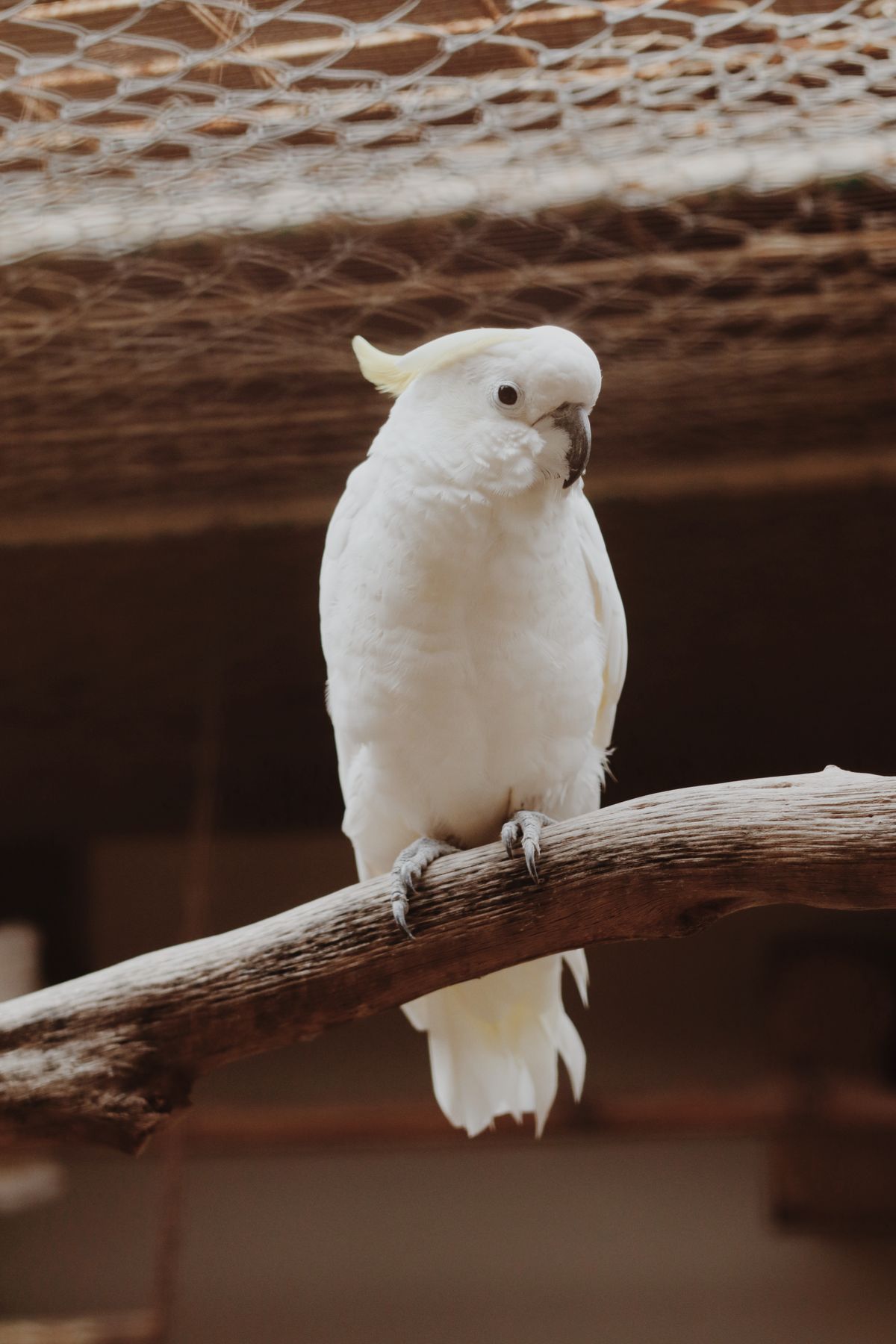
Cover image: Dinkum · original photograph · CC0 1.0.