

Last updated: September 25, 2026
Start With the Behavior, Then Choose the Toy
Quick answer: you do not need a basket full of pet-store gadgets to keep guinea pigs busy. The useful “toys” are the ones that give them something guinea pigs already want to do: forage, hide, tunnel, gnaw, explore, move and choose where to be. A clean cardboard box with two exits, a wide tunnel, hay to search through or an untreated chew can earn far more attention than a complicated plastic toy. That is also the direction taken by current RSPCA, Blue Cross, PetMD and veterinary husbandry guidance.
Patify enrichment filter: before buying or building anything, ask: What natural behavior does this make possible, can the guinea pig leave it whenever it wants, and what could happen if it chews the material?
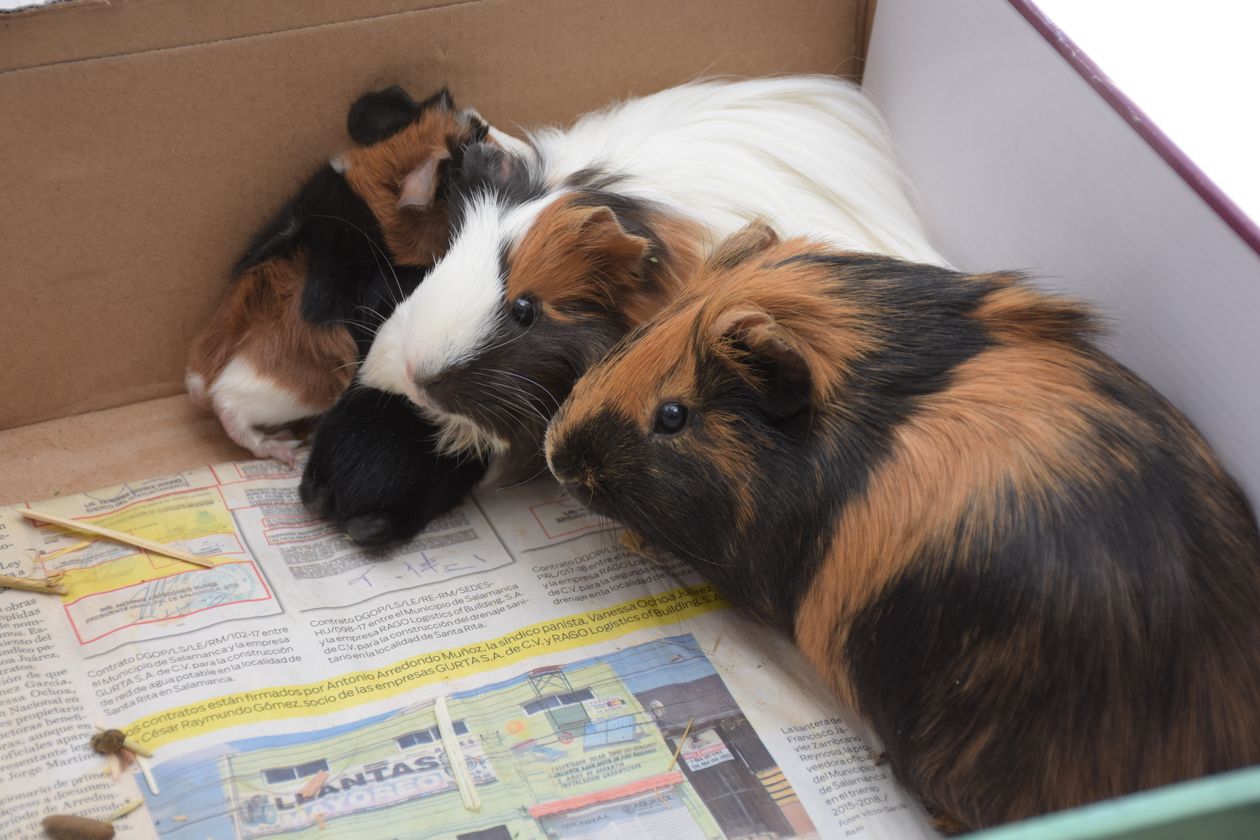
Guinea Pig Activity Board
| Behavior goal | High-value ideas | What success looks like | Common mistake |
|---|---|---|---|
| Forage | Hay forage box, scatter part of normal ration, herb search | Sniffing, searching, moving between patches | Adding lots of extra treats instead of using normal diet |
| Hide | Cardboard houses, tunnels, covered retreats | Voluntary entry/exit, resting without being trapped | One hide for several pigs or a dead-end hide that can be guarded |
| Tunnel | Wide cardboard tube, fabric tunnel, hay tunnel | Running through, pausing, changing routes | Tube too narrow for an adult to turn/exit safely |
| Gnaw | Untreated willow/fruit-tree sticks, safe wooden chews | Normal chewing without splinter injury | Painted, glued, scented or unknown wood |
| Explore | Floor-time route, rearranged tunnels, boxes | Calm movement and investigation | Removing all cover and expecting a prey animal to explore an open room |
| Social choice | Multiple retreats, duplicated resources, companion interaction | Animals can be together or separate voluntarily | Using toys to compensate for inappropriate solitary housing |
What the Welfare Evidence Supports
A 2025 survey of 1,181 German-speaking guinea-pig caretakers adds useful context. The researchers found associations between husbandry practices, food enrichment, human–animal interaction and several reported behaviors; tunnels and tubes were also among commonly provided enrichment items.
The important word is association. This was an owner survey, not a trial proving that a particular tunnel or forage box makes a guinea pig healthier. It does, however, point in the same direction as welfare guidance: enrichment is most defensible when it creates opportunities for species-relevant behavior rather than simply adding more objects to the cage.
An older controlled laboratory study also found that an enriched open-field setting with more space, hay and group access facilitated exercise and social interaction. Home guinea pigs are not laboratory animals, so the practical lesson is the behavioral opportunity—not copying the experimental setup.
Useful conclusion: enrichment should increase access to species-relevant behavior and choice. “More objects” by itself is not a welfare metric.
6 DIY Guinea Pig Enrichment Builds
1. Hay Forage Box
You need: a shallow tray or cardboard box, hay or shredded plain paper, and a small portion of guinea-pig-safe herbs/food from the normal daily allowance.
- Fill the tray with loose hay or shredded paper.
- Scatter small pieces of the normal ration through different depths.
- Place it where both pigs can approach without being cornered.
- Remove damp/soiled material after use.
Blue Cross has a dedicated guinea-pig forage-box guide using a shallow tray, hay/shredded paper and guinea-pig-safe herbs. It also warns that treats should remain moderate and daily meals should be adjusted accordingly.
2. Two-Door Cardboard House
You need: a clean plain cardboard box with tape, staples, labels and plastic removed from chewing reach.
- Cut one large entrance on each of two sides.
- Make each opening comfortably wider than the largest guinea pig.
- Place the house so neither exit faces a wall.
- Replace it once urine-soaked, heavily chewed or structurally weak.
Blue Cross and RSPCA both recommend cardboard boxes/hiding structures. Two exits are particularly useful in multi-pig housing because they reduce the chance that one animal blocks another in a dead end.
3. Hay-Stuffed Cardboard Roll
You need: a clean plain cardboard tube and hay.
- Cut a slit all the way along the tube before offering it. Blue Cross uses this step in its small-animal tunnel instructions to reduce the chance of an animal becoming stuck.
- Use the roll as a forage/chew item rather than assuming it is wide enough to be a body tunnel.
- Push hay loosely through the opening so it can be pulled out without a struggle.
- If you add food, use a small part of the normal daily ration rather than turning the activity into extra calories.
- Discard the roll when it is wet, dirty, heavily glued or structurally collapsed.
This is the kind of enrichment owners often overlook because it costs almost nothing. The point is not the tube itself; it is the pulling, sniffing and chewing it encourages.
4. Tunnel Route
You need: two or three wide tunnels/boxes with safe openings.
- Create a route with at least two possible paths.
- Keep a clear open run lane beside it.
- Rotate one tunnel position rather than rebuilding the whole enclosure.
- Make sure an adult pig cannot become wedged as it grows.
RSPCA specifically says guinea pigs like tunneling and recommends pipes/deep hay; Blue Cross also recommends tubes/pipes and cardboard boxes.
5. Willow or Known-Safe Wood Gnaw Station
You need: an untreated chew sold for guinea pigs, or a branch from a plant species you have positively identified as safe.
- Use only clean, untreated, pesticide-free wood from a known source. RSPCA specifically mentions willow and pieces from fruit trees; NC State also recommends sourcing natural branches where pesticides are not used.
- Reject wood with paint, preservative, mold, sharp splinters or an uncertain species.
- Replace pieces once they become dirty or break into unsafe fragments.
- Keep unlimited appropriate hay available—the wood is enrichment, not a substitute for the chewing time hay provides.
If you cannot confidently identify a branch, skip the backyard guesswork and use a purpose-made untreated chew instead.
6. Floor-Time Exploration Course
You need: a secure playpen or guinea-pig-proofed area, hides, tunnels and hay stations.
- Remove cords, toxic plants, gaps and predator pets.
- Start with cover already available so the pigs do not enter a bare open space.
- Add two or three routes rather than a single obstacle line.
- Allow voluntary exploration; do not chase a reluctant guinea pig through the course.
PetMD recommends supervised out-of-enclosure exercise, while RSPCA emphasizes exercise space with pipes and shelters.
Chew Safety Matrix: What Happens When They Actually Bite It?
| Material / item | Use | Patify rating | Main safety question |
|---|---|---|---|
| Plain cardboard | Boxes, forage items, short tubes | Good | Remove staples, tape, plastic windows/film, handles and loose labels; replace when soggy or collapsing |
| Untreated willow / known-safe wood | Gnawing | Good | Known plant species, untreated, pesticide-free, no mold or sharp splinters |
| Hay tunnel / woven grass item | Hide + chew + forage | Good if structurally safe | Check repeatedly for wire frames or synthetic binding exposed as the item is destroyed |
| Fabric/fleece tunnel | Hide / route | Conditional | No loose threads, exposed foam or persistent fabric eating |
| Hard plastic toy | Novel object | Conditional / low priority | Blue Cross notes some guinea pigs may push plastic cat balls, while RSPCA advises avoiding plastic toys that may be chewed or swallowed; remove it if chewing starts |
| Exercise wheel | Running | Avoid | Not anatomically appropriate for guinea pigs |
| Rolling exercise ball | Confined exercise | Avoid | PetMD warns of injury, overheating and foot trauma |
| String / yarn / rope with loose fibers | Hanging toy | Avoid unless completely inaccessible | Entanglement and ingestion risk |
No, Guinea Pigs Do Not Need Exercise Wheels or Rolling Balls
PetMD explicitly advises against putting guinea pigs in rolling balls or hamster wheels because their spine does not flex like a hamster's; the source warns of injury, overheating and foot trauma.
The safer exercise model is horizontal: adequate cage floor space plus supervised floor time, tunnels and route choices.
If the home enclosure itself is too small, enrichment cannot fix the space deficit. Patify's DIY guinea pig cage blueprint provides a 4×2/5×2 C&C floor-space framework for pairs.
Buying Filter: What Is Worth Paying For?
What Owners Keep Coming Back To
There is a useful reality check in guinea-pig owner communities: the expensive toy is not always the toy that gets used. In several recent r/guineapigs discussions, owners repeatedly mention cardboard boxes, hay-stuffed tubes, loose hay to root through, paper bags, tunnels and scatter feeding as the activities their guinea pigs return to. Some also report that purpose-made chew toys are simply ignored.
That is anecdotal owner experience, not welfare research, so it should not override veterinary advice. But the pattern makes biological sense because the popular low-cost items line up with hiding, foraging, chewing and route-making—the same behaviors emphasized by welfare organizations.
If your guinea pig ignores a $20 toy and spends the evening remodeling a clean shipping box, that is useful information. Follow the behavior, not the price tag. Keep the box safe, dry and easy to exit, and spend the money where it matters more: space, hay, veterinary care and a maintainable habitat.
7-Day Enrichment Rotation Without Constantly Disrupting the Cage
| Day | Activity | What to watch |
|---|---|---|
| 1 | Hay forage box | Searching and calm feeding vs guarding |
| 2 | Normal setup / baseline day | Usual movement and social behavior |
| 3 | Move one tunnel or add cardboard house | Voluntary exploration, no blocked run lane |
| 4 | Gnaw station refresh | Chewing without splintering/ingestion hazard |
| 5 | Scatter part of normal ration | Foraging without overfeeding |
| 6 | Supervised floor-time route | Confident movement with cover available |
| 7 | Repeat the activity they used most | Preference rather than novelty for novelty's sake |
You do not need seven new toys every week. Keep the secure home predictable and rotate only a small part of the enrichment environment.
The 60-Second Enrichment Check
Before a new item stays in the cage, run through these questions. There is no magic score; one serious safety problem is enough reason to change the setup.
☐ Can every guinea pig approach it or get away from it without being cornered?
☐ Does it create a real behavior opportunity—foraging, hiding, tunneling, gnawing, exploration or social choice?
☐ Is there still enough open floor for normal running and passing?
☐ If they chew it tonight, what becomes exposed tomorrow morning?
☐ Can you wash it properly or replace it cheaply once urine/hay gets into it?
☐ Can the activity use part of the normal diet instead of quietly adding a pile of treats?
If you hesitate on the exit, chewing or entrapment questions, modify the item before using it. If the guinea pigs simply ignore it, that is not a safety failure—it may just be a toy they do not care about.
Stop Signals: Remove the Toy or Change the Setup
RSPCA lists persistent hiding, aggression, bar chewing, over-grooming, changed feeding/toileting, hunched posture, reluctance to move and repetitive circling among signs that can indicate stress, fear, illness or injury.
For a new enrichment item, stop and reassess if you see:
- one guinea pig repeatedly trapping or guarding another;
- frantic escape attempts;
- persistent chewing of plastic, fabric, glue or other non-food material;
- getting stuck in a tunnel/opening;
- a fall or obvious foot injury;
- reduced eating after a cage change;
- new or persistent aggression.
A behavior change is not automatically “boredom.” If it persists or comes with reduced appetite, pain behavior or abnormal stool, veterinary assessment matters more than buying a different toy.
Enrichment Has to Work With the Floor
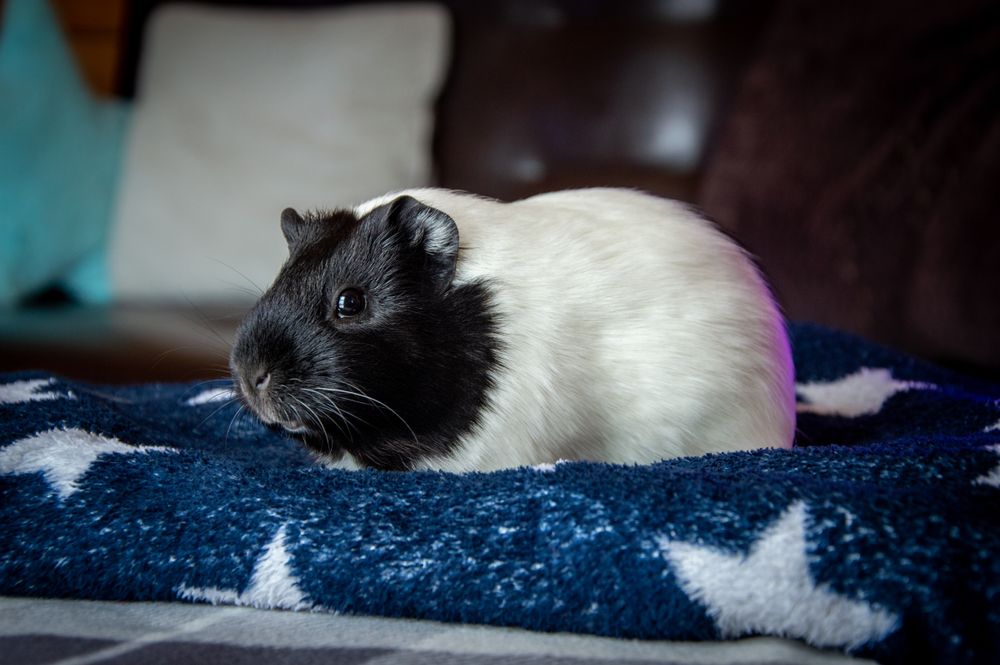
Hay boxes, cardboard and tunnels create extra debris and urine zones. Make sure the enrichment plan fits your cleaning routine. Patify's guinea pig bedding guide compares fleece, recycled paper and aspen by moisture, dust and cleaning workload.
The Most Important Enrichment Is Not a Toy
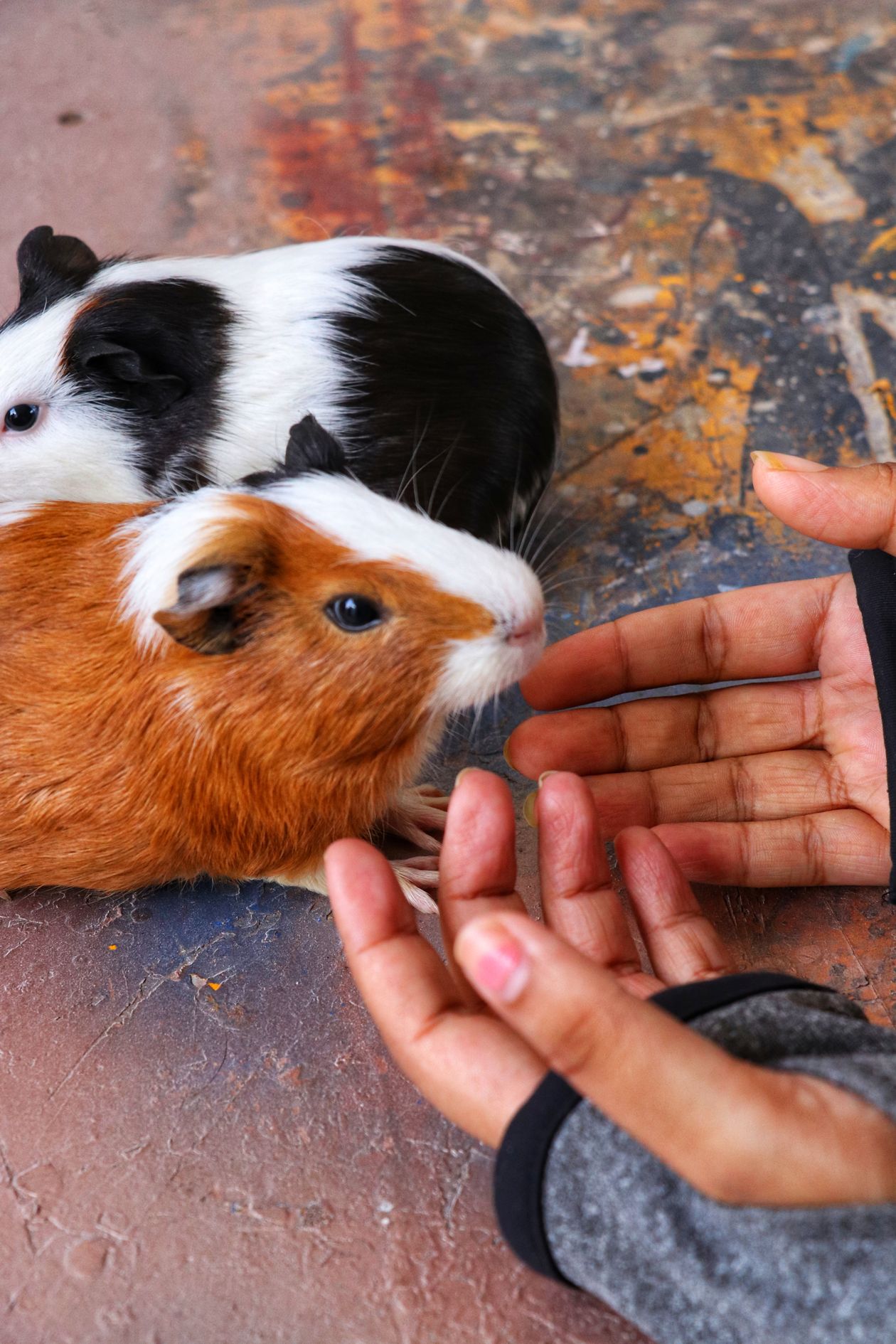
RSPCA advises keeping guinea pigs with at least one other friendly guinea pig unless a veterinarian or clinical animal behaviourist advises otherwise. Its behavior guidance also emphasizes enough safe hiding places for all animals at the same time. A tunnel, chew or puzzle cannot replace appropriate social housing.
Enrichment should therefore create shared opportunity without forced sharing: more than one hide, multiple route options, enough hay access and enough space that one pig cannot monopolize the only interesting resource.