

Last updated: September 25, 2026
Guinea Pig or Hamster? Start With the Life You Can Actually Offer
Quick answer: these are not two sizes of the same pet. A guinea pig is usually a pair-based, hay-eating, longer-term pet that needs a large single-level footprint and daily hands-on upkeep. A hamster is usually a single, mostly night-active pet that needs deep bedding, a large burrow-friendly enclosure, a proper wheel and less frequent full cleaning.
If you want a pet that is awake and interactive during more of your own day, can accommodate two guinea pigs, and are comfortable with hay, vegetables and daily spot cleaning, guinea pigs may fit your household better. If you prefer one animal, can protect its daytime sleep, and enjoy watching natural burrowing and night-time activity, a hamster may be the better fit.
Do not decide from body size. Decide from space type, social setup, active hours, cleaning style, diet, expected lifespan and access to an exotics vet.
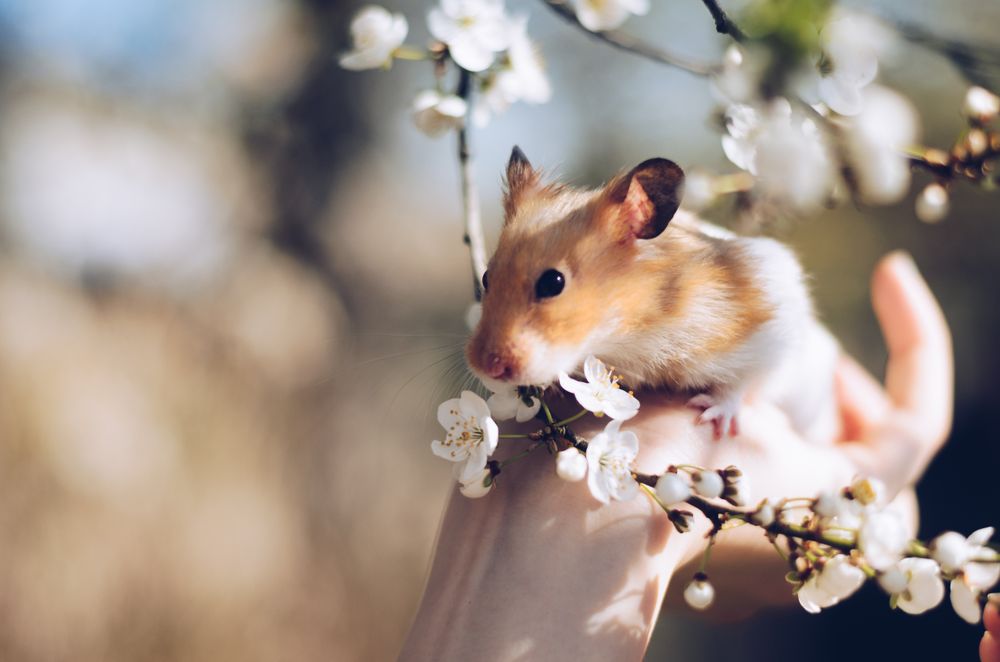
Guinea Pig vs Hamster: The Decision Table
| Decision factor | Guinea pig | Hamster | What this means at home |
|---|---|---|---|
| Social setup | Normally keep at least two compatible guinea pigs | Syrian and Chinese hamsters live alone; many pet hamsters are kept singly | “One pet” usually means hamster, not guinea pig |
| Typical lifespan | About 5–7 years is a useful planning range; some live longer | About 2–3 years for many pet hamsters | Guinea pig ownership is usually the longer commitment |
| Space geometry | Large horizontal, single-level floor space | Large floor area plus substantial bedding depth for burrowing | Neither belongs in a tiny starter cage |
| Activity schedule | Active in many short periods across day and night | Mostly active at dusk/night; daytime sleep matters | Hamster interaction may happen late in the evening |
| Diet | Unlimited grass hay, guinea-pig pellets, fresh vegetables, reliable vitamin C | Balanced hamster food plus appropriate fresh foods/treats | Guinea pigs create a larger fresh-food/hay routine |
| Cleaning style | Daily spot cleaning; larger volume of hay, feces and urine | Spot clean; preserve some clean familiar bedding during deeper cleans | Guinea pigs usually create more daily visible mess |
| Exercise equipment | Large floor area, tunnels, forage routes; no exercise wheel | Deep substrate + species-sized solid wheel + enrichment | The habitat is designed around different movement |
| Handling | Larger body can be easier to support; individual tolerance varies | Small, fast and may bite if startled or woken | Both need calm adult supervision with children |
| Noise | Wheeks, rustling hay, water bottles, early food demands | Wheel running, digging, chewing and rearranging habitat at night | Your bedroom may expose very different kinds of noise |
| Vet care | Exotics/small-mammal vet access; two animals may need care | Exotics/small-mammal vet access | Find the vet before adopting either species |
Space Test: A Small Animal Is Not a Small-Habitat Animal
Guinea pig pair
Blue Cross currently recommends at least 5 ft × 2 ft / 10 sq ft of main living space for two female guinea pigs, with more space for male pairs/trios and additional exercise space. Its 2026 small-pet comparison also emphasizes that guinea pigs need large single-level floor area rather than climbing height.
PetMD's U.S.-oriented care sheet similarly says 10.5 sq ft or more is preferred even though it lists a smaller absolute habitat minimum.
Hamster
Blue Cross and PDSA currently use a welfare-oriented minimum of approximately 100 × 50 cm / 39 × 20 in of floor space. PDSA also recommends enough enclosure depth to hold about 25 cm / 10 in of bedding for burrowing. PetMD's September 2026 Syrian-hamster guide lists a similar 40 × 20 × 16 in minimum habitat.
The useful distinction: guinea pigs consume more room footprint; hamsters consume more substrate depth than many first-time owners expect. Shelves and tubes do not magically replace the main floor area for either species.
If guinea pigs are still on your shortlist, Patify's DIY guinea pig cage blueprint shows a worked C&C layout rather than relying on pet-store cage labels.
The Bedroom Test: When Do You Want Your Pet to Be Awake?
This is one of the most practical differences and one of the easiest to underestimate.
Guinea pig rhythm
RSPCA describes guinea pigs as active during both day and night, sleeping in short periods. PetMD describes them as diurnal or crepuscular and recommends a consistent daily routine.
In normal homes, that often means you will see eating, exploring and social behavior throughout the day—but also hear an enthusiastic early-morning wheek if the household has accidentally trained them that footsteps equal breakfast.
Hamster rhythm
RSPCA says wild hamsters are usually active at dusk and night and need to sleep undisturbed during the day. A hamster may therefore begin wheel-running, digging, chewing cardboard and moving bedding when the humans are winding down.
If your only interaction window is 3 p.m. after school, repeatedly waking a sleeping hamster so you can play is a poor fit.
If the guinea-pig vocal side sounds appealing rather than annoying, Patify's guinea pig sound decoder includes real wheek, purr, warning and chirping recordings.
Cleaning: “Less Often” Does Not Mean “Tiny Cage and Ignore It”
A pair of guinea pigs produces a lot of visible waste. Blue Cross recommends daily spot cleaning and an average full clean around weekly, adjusted for enclosure size and number of animals. Hay also migrates. It will leave the cage. You will eventually find a strand somewhere absurd.
A hamster's cleaning pattern is different because its deep substrate and scent map are part of the habitat. Blue Cross recommends spot cleaning every few days and says a deeper clean may only be needed roughly once or twice a month depending on enclosure size and toilet habits. It also advises returning some clean old bedding because familiar scent helps the hamster feel secure.
The lived difference: guinea pig care feels more like frequent small housekeeping jobs; hamster care feels more like maintaining a deep, engineered habitat without unnecessarily demolishing the animal's burrow every week.
Food Routine: Guinea Pigs Have the More Specialized Daily Menu
Guinea pig
- constant access to grass hay;
- species-appropriate pellets;
- regular fresh vegetables;
- reliable dietary vitamin C because guinea pigs cannot synthesize their own.
PetMD estimates roughly 80% of the diet as grass/hay. Hay is both nutrition and part of normal dental/foraging behavior.
Hamster
- balanced hamster food formulated for an omnivore;
- fresh water;
- appropriate small portions of vegetables/fruits and treats;
- foraging opportunities that let the animal search and hoard food naturally.
The hamster menu is not “guinea pig food in a smaller bowl.” The species have different nutritional requirements.
Which Costs More? Compare Cost Patterns, Not the Purchase Price
Do not compare a $20 animal with a $40 animal and call that the cost of ownership. The animal itself is usually the smallest part of the equation.
| Cost driver | Guinea pig | Hamster |
|---|---|---|
| Number of animals | Usually at least two | Usually one, especially Syrian/Chinese |
| Enclosure | Very large horizontal footprint | Large floor area + deep-substrate capacity |
| Food | Continuous hay + vegetables + pellets | Balanced hamster food + smaller fresh-food amounts |
| Bedding/laundry | Large cage means more disposable bedding or fleece laundry | Deep bedding can be a large setup purchase but is spot-cleaned strategically |
| Vet exposure | Two animals can generate two sets of medical costs | One animal, but exotic-vet treatment can still exceed the pet's purchase price |
| Replacement/enrichment | Hay, liners/bedding, hides, chews | Deep bedding, wheel, sand, hides, chews, dig media |
In practical terms, guinea pigs usually create the higher recurring household-consumables burden because you are caring for a pair and continuously buying hay/fresh food or laundering a large enclosure. A properly housed hamster, however, is not the cheap “shoebox pet” sold by miniature starter kits.
Which Is Easier to Handle — Especially With Children?
Guinea pigs have one mechanical advantage: they are larger. Once socialized and comfortable, their size can make it easier to support the chest and hindquarters securely than it is to manage a fast, tiny hamster. But “larger” does not mean indestructible; falls and rough restraint can injure them.
Syrian hamsters can become friendly and tolerant of handling, but PetMD notes they can be squirmy and may bite when startled—especially if awakened. The correct handling session happens when the hamster is already awake, not when a child wants it to be awake.
Neither species should be assigned to a child as the sole caregiver. PetMD specifically says an adult should be the primary caregiver for guinea pigs, and its hamster guidance calls for adult supervision during handling. The adult is also the person who must fund veterinary care when the novelty wears off.
Lifespan Changes the Decision More Than Most People Expect
Blue Cross gives a typical guinea-pig lifespan of around 5–7 years; PetMD notes some can live up to about eight years with good care. PetMD's current hamster guidance puts many pet hamsters around 2–3 years.
Neither is “better.” They are simply different commitments. A guinea pig adopted for a ten-year-old child may still be in the household when that child is finishing high school. A hamster's shorter lifespan can be emotionally difficult precisely because the relationship may be very intense but brief.
Before You Adopt Either One: Find the Vet
Both species can require clinicians comfortable with small mammals/exotics. Do not wait for a breathing problem, dental emergency, urinary issue or injury to discover that the nearest clinic seeing your species is two hours away.
Before adoption, call a clinic and ask:
- Do you routinely see guinea pigs / hamsters?
- Do you provide same-day urgent visits for small mammals?
- Where are patients sent after hours?
- Do you perform dental imaging/procedures for guinea pigs?
- What carrier setup do you recommend?
Owner Reality Check: What Care Guides Understate
Anecdotal, not veterinary evidence: recent guinea-pig owner discussions repeatedly describe the jump from hamster care to guinea-pig care as bigger than expected—especially the amount of floor space, hay, vegetables, daily cleaning and exotic-vet expense. Experienced owners also commonly describe hamsters as less labor-intensive day to day while stressing that a correct hamster habitat is still large and enrichment-heavy.
That owner experience lines up with the welfare guidance above: the difference is not that hamsters are “easy” and guinea pigs are “hard.” It is that the workload lives in different places.
Choose the Pet That Matches These Statements
A guinea pig household makes more sense if…
- you can house at least two compatible guinea pigs;
- you have a genuinely large horizontal enclosure footprint;
- daily spot cleaning does not bother you;
- you can keep hay in the home continuously;
- fresh vegetables and vitamin-C-aware feeding fit your routine;
- you want more visible daytime/social activity;
- a 5–7+ year commitment fits your plans.
A hamster household makes more sense if…
- you prefer to care for one animal;
- you can fit a roughly 100 × 50 cm class enclosure with deep bedding;
- you are comfortable interacting mainly in the evening/night;
- you enjoy observing digging, hoarding and burrowing behavior;
- you can fit a proper wheel and deep substrate rather than a tiny modular cage;
- you can leave daytime sleep undisturbed;
- a shorter 2–3 year average commitment fits your circumstances.
Neither list is a score. One animal can be a terrible fit for a home where the other would thrive.
The 24-Hour “Don't Buy Yet” Test
Before adopting, measure the enclosure footprint on your actual floor with painter's tape. Leave it there for a day.
- For guinea pigs, mark a 5 × 2 ft minimum pair area—then ask where exercise space, hay storage and cleaning access go.
- For a hamster, mark roughly 40 × 20 in—then imagine a tall enough enclosure for around 10 in of substrate plus a correctly sized wheel.
- Locate the nearest qualified small-mammal vet.
- Decide who cleans when the primary enthusiast is sick, traveling or busy.
- Price the complete habitat and first month of consumables—not just the animal.
If the taped rectangle already feels inconvenient, believe the rectangle. The animal will not become smaller after adoption.
If Guinea Pigs Are Winning Your Shortlist
Do the next three checks before bringing them home:
- compare fleece, paper and aspen bedding by moisture and cleaning workload;
- plan behavior-based guinea pig enrichment rather than filling the enclosure with plastic toys;
- use Patify's guinea pig breed/photo ID guide to understand coat-care differences without assuming breed predicts personality.
The Biggest Difference Is Social, Not Physical
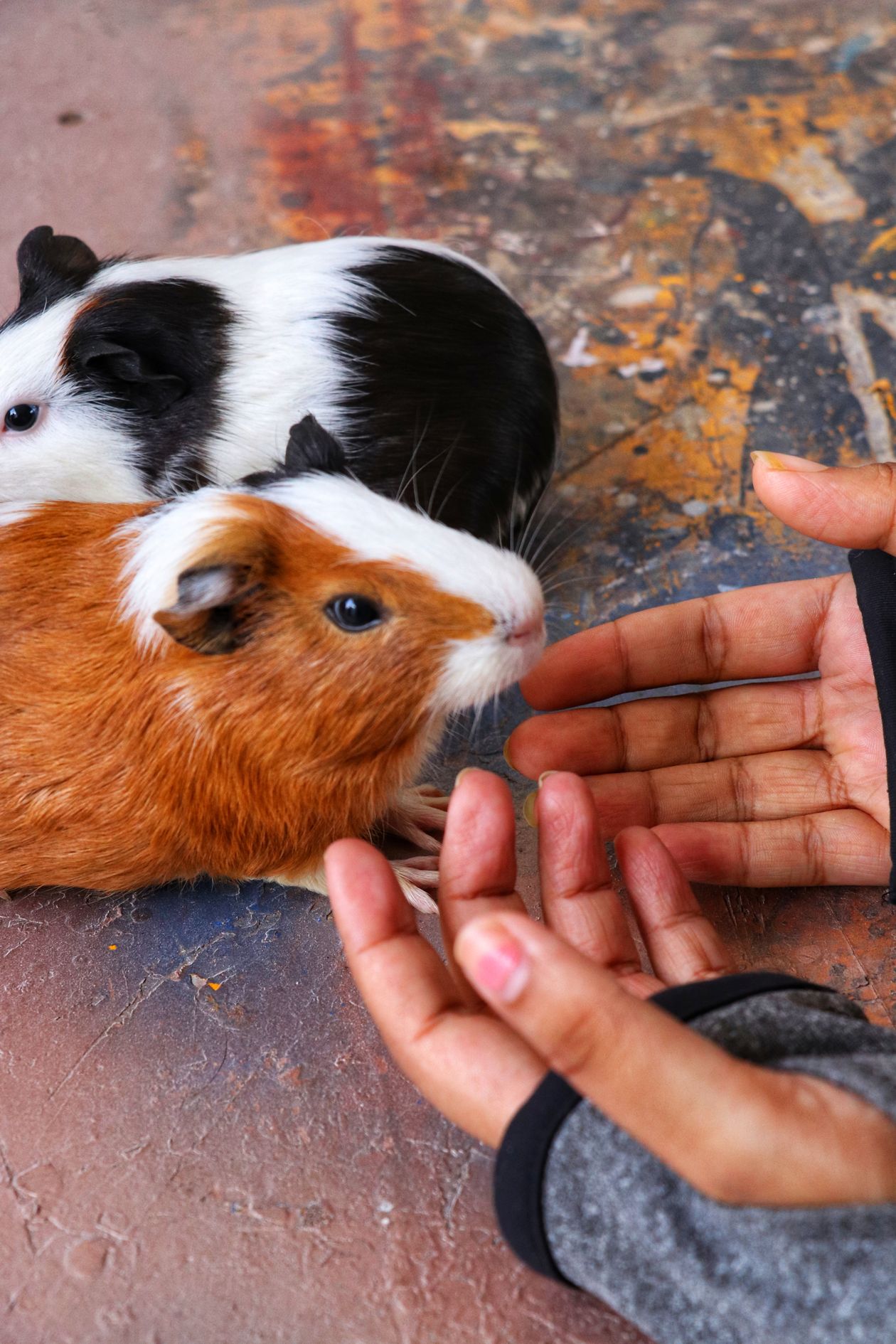
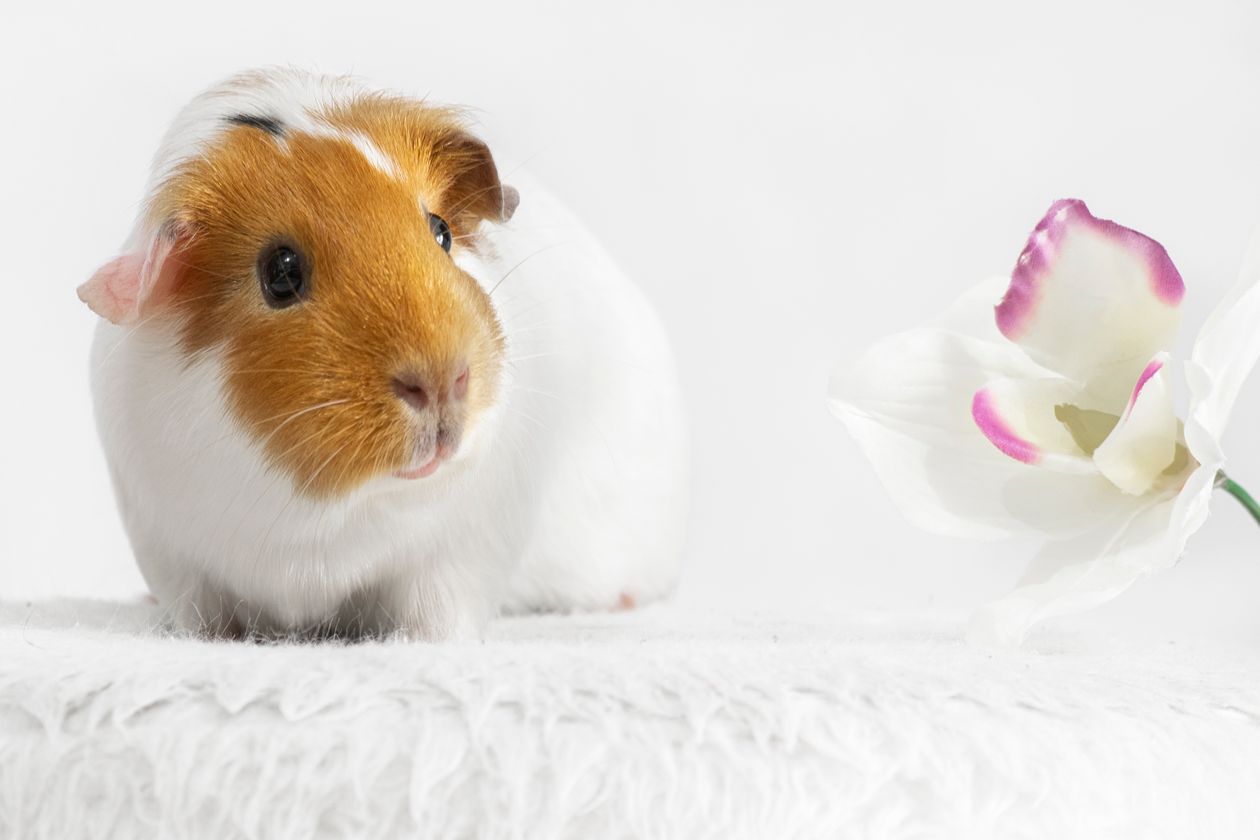
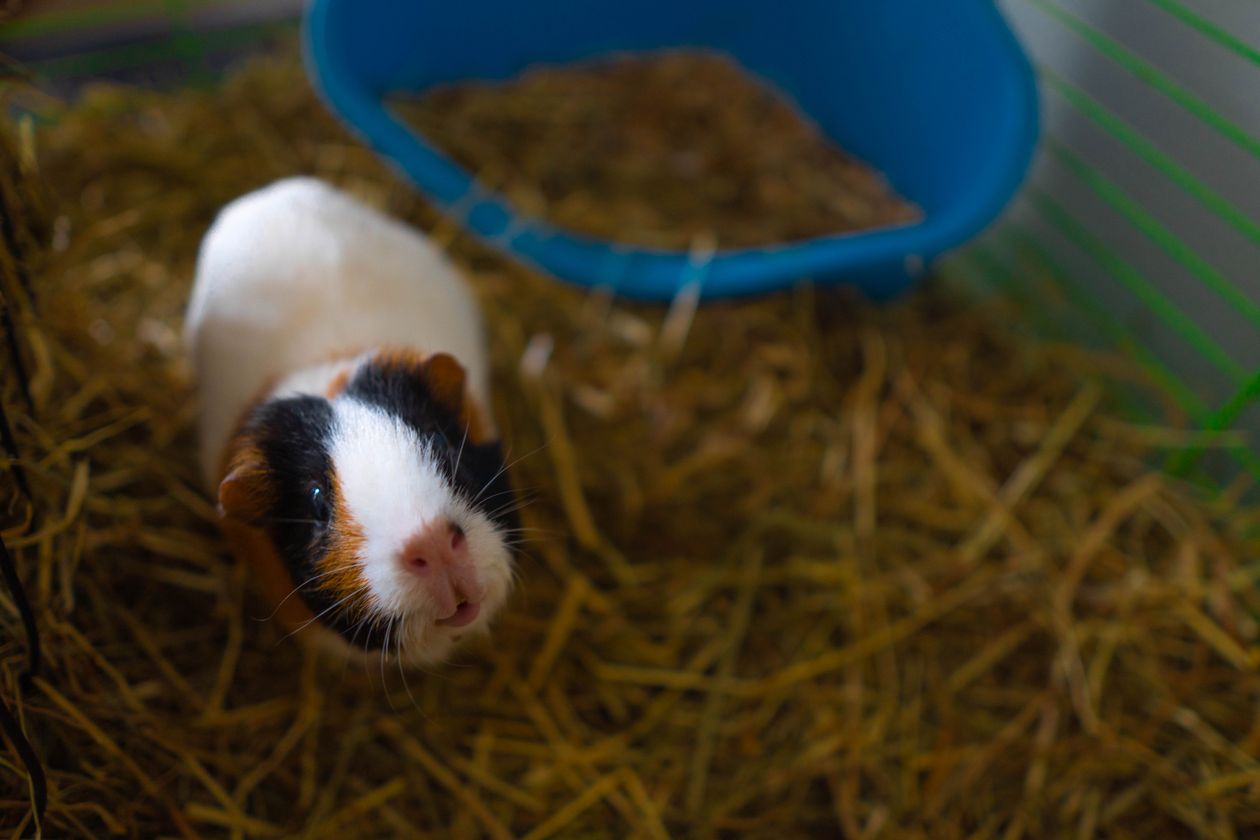
Guinea pigs are highly social. RSPCA says they prefer guinea-pig company and should normally be kept with at least one friendly conspecific unless a vet or clinical behavior professional advises otherwise. Blue Cross likewise describes them as animals that thrive in pairs or small groups.
Hamsters are almost the opposite decision. RSPCA states that hamsters are generally solitary; Syrian and Chinese hamsters should live alone. Some dwarf species can sometimes live in compatible pairs or trios under suitable conditions, but they do not need another hamster for happiness and established groups can still fall out.
So can I keep one guinea pig and “give it lots of attention”?
Human interaction is valuable, but it is not the same as living with a compatible guinea pig. If your household genuinely has room, budget or permission for only one small mammal, that constraint matters before you adopt.
Can a hamster and guinea pig live together?
No. They have different diets, behavior, body size and social systems. A hamster is not a substitute companion for a guinea pig, and they should not share a habitat.