Aquarium Carpet Plants: Low-Tech Options, CO₂ and Planting Choices
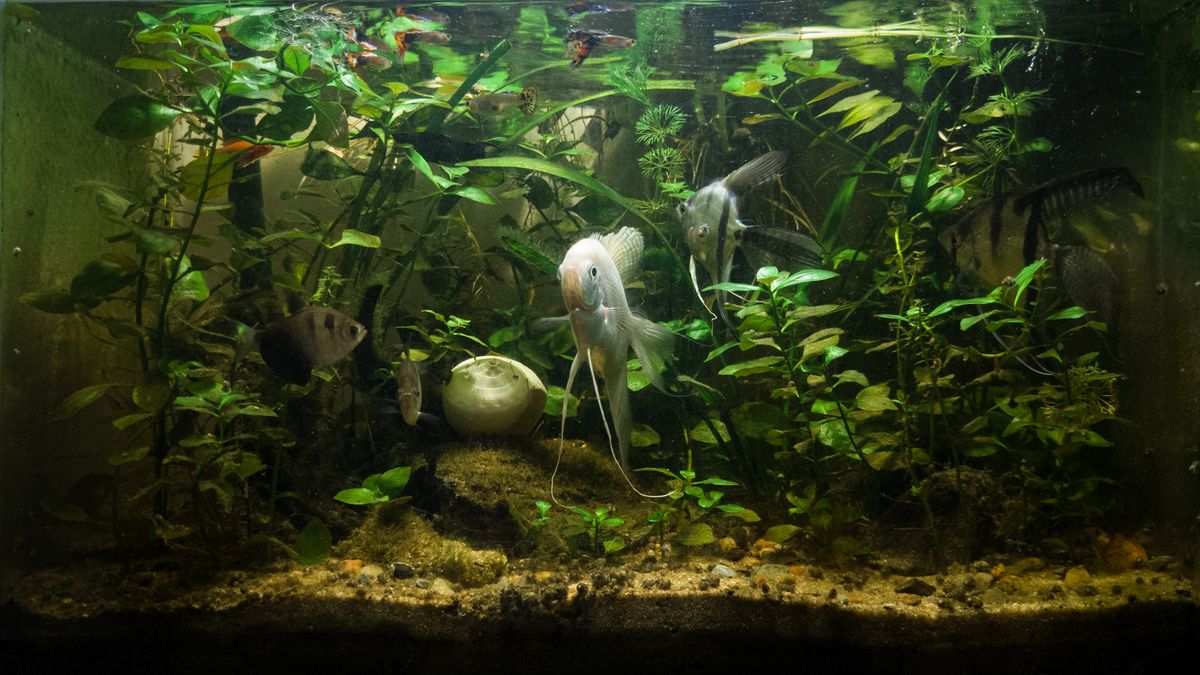
The best aquarium carpet plant is not always the one that looks finest in a professional aquascape photograph. A tank without injected CO₂, a deep layer of sand and a modest light has different possibilities from a carefully balanced high-energy display. For a low-tech freshwater aquarium, start by considering forgiving runners such as Marsilea hirsuta, Helanthium tenellum ‘Green’ or suitable Eleocharis rather than assuming every tiny-leaved carpet will thrive without CO₂. If you want a tightly packed, perfectly flat lawn, you may need to accept slower growth, more light, a different species or extra equipment.
This guide compares practical foreground choices for Canadian aquarists, including what “low-tech” really means, which plants form a lawn rather than a shrub, and why many carpets lift from the substrate. It provides a planning method, not a claim that Patify has grown and photographed every species side by side. Supplier plant cards give useful starting points, but your substrate, light distribution and livestock will determine the eventual shape.
Define the carpet you actually want
A carpet can mean at least three different things. One is a close-cut meadow made of grasslike blades. Another is a low field of small, rounded leaves. A third is a looser foreground colony of runners or little rosettes that leaves some substrate visible. These are different goals, and a plant that suits the third may never resemble the first without stronger light and ongoing trimming. Before selecting a plant, decide whether your priority is a low height, speed, texture or minimal maintenance. Rarely can a beginner maximize all four simultaneously.
A planted foreground also has to coexist with animals. Bottom-feeding fish may disturb fresh roots. Snails or shrimp may graze surfaces without needing a completely sealed green carpet. Some fish dig regularly, and their behaviour is not a flaw to be trained away for the sake of aquascaping. Plan an open feeding or foraging patch where appropriate. A partially carpeted tank with healthy livestock often looks better and functions better than a photograph-perfect lawn that compromises animal needs.
What a low-tech carpet can and cannot promise
Low-tech commonly describes a planted tank without pressurized CO₂ injection and with relatively moderate lighting and management complexity. It is not a precise scientific category. One person's “low-tech” tank has nutrient-rich aquasoil and a substantial light; another has inert gravel under a dim lid. Their plants will not behave identically. Use the phrase as shorthand, not as a guarantee that any particular species will spread aggressively without intervention.
A plant can survive in reduced light yet fail to form a tight lawn. This distinction explains apparently conflicting advice. Tropica notes that Micranthemum tweediei ‘Monte Carlo’ tolerates some lower-light conditions but needs good light and added CO₂ to develop most compactly. Lilaeopsis brasiliensis may live with modest light, yet its short, close lawn form depends on stronger exposure. Read the supplier's detailed description rather than converting a broad “low demand” tag into a claim of high-performance carpeting.
Compare six useful foreground choices by habit
Marsilea hirsuta spreads by runners and can produce low single leaves or taller multi-lobed leaves depending on conditions. It is a flexible choice when a slightly wild lawn is acceptable. Helanthium tenellum ‘Green’ makes a grassy or rosette-like foreground, with Tropica describing an approximately 5–10 cm carpet under suitable light and nutrition. Eleocharis parvula produces narrow grasslike leaves and runners; it is attractive when you want a meadow rather than round leaf plates.
Lilaeopsis brasiliensis can create a fine, turf-like look, but a short dense lawn can require a brighter placement. Monte Carlo makes a recognizable low mat of rounded green leaves, often more reliably compact with sufficient light and managed CO₂. Glossostigma elatinoides is a demanding tiny-leaved option that Tropica describes as needing strong light and benefiting significantly from CO₂. These are not rankings of beauty. They are ways to match the form of the plant to the energy and maintenance the keeper can realistically supply.
A decision matrix for actual home aquariums
| Plant | Realistic visual goal | Light / CO₂ expectation |
|---|---|---|
| Marsilea hirsuta | Loose low runner carpet; varied leaf shapes | Relatively forgiving; final leaf height varies |
| Helanthium tenellum Green | Grassy, natural foreground | Undemanding relative to high-tech micro-carpets |
| Eleocharis parvula | Fine grasslike lawn | Low-demand entry possible; check exact form |
| Micranthemum Monte Carlo | Compact rounded-leaf mat | Best dense results with good light and CO₂ |
| Lilaeopsis brasiliensis | Fine turf-like foreground | A very short lawn needs good light |
| Glossostigma elatinoides | Tiny dense leaf plates | High light; CO₂ often important |
If you have modest light, no CO₂ and can tolerate a natural-looking foreground, investigate Marsilea, Helanthium or suitable Eleocharis. If you have a brighter tank and want clean grassy strands, compare dwarf hairgrass forms by their correct scientific and cultivar names. If you have a well-managed brighter aquarium with stable CO₂ and want tiny round leaves, Monte Carlo becomes a stronger candidate. If your top priority is a very tight micro-carpet and you are comfortable troubleshooting a demanding tank, look into Glossostigma.
The decision depends on more than the plant label. A shallow tank may deliver stronger light to the substrate than a tall tank using the same fixture. Tall stem plants and floating cover reduce light at the foreground. Coarse substrate may make tiny rooted portions difficult to anchor. Aggressive diggers can pull young plants out repeatedly. Use all these variables together and resist forum recommendations that omit the writer's tank size, lighting context and substrate.
Marsilea hirsuta: an adaptable but variable lawn
Marsilea is attractive because it does not insist on mimicking a miniature golf course. The same species may show several different leaf forms under different growing conditions. Tropica notes that some leaves resemble a clover while other growth stays lower and simpler. A newly purchased plant might look unlike a mature submerged patch shown online, and a dense group may take time to spread. This flexibility makes it interesting for a softer, naturalistic aquascape, but it frustrates anyone expecting identical three-centimetre blades everywhere.
Plant small separated portions in the foreground and watch for runners. Allow for variation rather than trimming every leaf that rises above a chosen line. If one part of the patch receives more light, its habit may differ from a shaded corner. A useful plan is to keep part of the front open and allow Marsilea to spread gradually from defined islands. It can be easier to maintain visually than a demanding tiny-leaved mat, provided you accept that the final lawn will have personality rather than geometric perfection.
Helanthium tenellum 'Green': a grassy alternative
This plant can create a pleasant grass-like field while retaining a fairly forgiving care profile. Tropica describes it as an undemanding foreground plant that spreads with runners. Its actual height and density depend on the tank. For someone who wants the texture of grass but not the most demanding aquascaping challenge, it is worth comparing with Eleocharis. Do not mix up the plant with larger sword plants or accept a retailer's outdated label without checking which taxon and cultivar are being supplied.
A nutrient-poor coarse substrate may make establishment less straightforward even when the plant itself is relatively forgiving. Consider the feeding needs of rooted plants and the label guidance of any fertilizer you choose. Leave small gaps between portions and monitor runners rather than pushing all plants into a thick initial clump. Since this is not necessarily a two-centimetre lawn, it may work better as a transition from open sand to taller background planting, especially in tanks where a little movement and varied height look natural.
Dwarf hairgrass: know which Eleocharis you are buying
Retailers may market several Eleocharis forms as “dwarf hairgrass,” and those plants can differ in leaf height, growth habit and availability. Tropica's Eleocharis parvula card describes a low-growing runner that can gradually form a dense mass. Other forms, including miniature cultivars, may be sold in tissue-culture cups. A shop listing with no scientific name makes it hard to compare advice from different sources, so ask for a specific taxon and photograph where possible.
Hairgrass is commonly divided into small portions planted close enough to create a visual starting pattern but far enough that roots and runners can develop. Too-large chunks can trap material and prevent light reaching the centre; too-tiny fragments can become impossible to anchor around active bottom dwellers. Treat the initial spacing as a layout choice, not a magic formula. If growth is taller than expected, inspect light distribution and the exact plant variety before reaching for scissors every day.
Monte Carlo: the difference between living and carpeting tightly
Monte Carlo has become a favourite because the rounded leaves can form a soft green mat. Its reputation as easier than some other tiny-leaved carpets is useful only with context. Tropica's detailed article says it can cope with lower conditions but performs best with adequate light and added CO₂. It can grow loosely, climb toward light or develop uneven cover in a modest setup. The absence of CO₂ does not mean automatic death; it also does not mean the dense magazine-cover result will arrive on schedule.
For a serious carpet attempt, start with healthy portions anchored securely in a suitable substrate and leave them room to creep. Monitor the leading edge of growth and whether the new shoots hug the ground. If the entire patch begins to lift, separate the possibilities: shallow anchoring, decaying lower material, trapped gas or a thick mat disconnected from its roots. Photograph and inspect before applying a blanket fix. A low-tech keeper may be happier choosing a less demanding species than adding CO₂ solely to rescue an aesthetic target.
Lilaeopsis and Glossostigma: two very different bargains
Lilaeopsis brasiliensis looks like a tidy miniature lawn in some photographs. Tropica notes that compact turf is associated with stronger light, even though the plant is listed as manageable under less intense conditions. This distinction matters for people buying based on a photo of a very short foreground. If the plant grows taller in your tank, you may be seeing its response to the environment rather than proof of a wrong product. Confirm that shading and substrate placement are not undermining a reasonable setup.
Glossostigma is a different proposition. Tropica describes it as demanding high light and benefiting from CO₂, with an upward growth habit under insufficient light. It can create a remarkable small-leaved foreground in a tuned setup, but it is an unfair default recommendation for a beginner with a dim aquarium. Neither species should be sold to a reader as a guaranteed low-tech carpet. A careful comparison names the effort and compromises attached to each appearance rather than calling every green foreground plant “easy.”
Substrate: anchoring and nutrition are separate jobs
A substrate must hold the roots or small planted portions in place. Some products also supply nutrients, while inert gravel or sand does not provide the same nutrient reservoir. A fine plant portion may be difficult to anchor in a very coarse bed, and repeated uprooting can leave it unable to establish. On the other hand, choosing nutrient-rich aquasoil does not excuse poor fishkeeping or guarantee a successful carpet. The goal is a stable foundation matched to the plant's rooting habit and the livestock's behaviour.
If you already have sand, you need not automatically dismantle the aquarium. Consider a species suited to your conditions, small planting areas where you can maintain control and a sensible nutrient strategy following product labels. For a new build, consider substrate depth and any slope before ordering bags. The planned Patify substrate-calculator page must not be treated as a working tool until it is actually implemented and checked. A simple ruler and paper plan can prevent waste in the meantime.
Planting a carpet without planting a disaster
Start with healthy material that is identified to species or cultivar. Remove packing material according to the supplier's instructions and inspect for visible hitchhikers. Divide the plant into practical portions, not dust-sized pieces. Plant with tweezers at an angle that secures the roots while leaving the leaves exposed. Leave working room between patches so you can see the early spread. Avoid planting directly under a large leaf that will shade the entire foreground once it expands.
Fill or refill the tank gently so the water stream does not dislodge fresh portions. After the first days, inspect the areas that float up and correct anchoring locally rather than replanting the whole tank. If fish repeatedly dig in a particular patch, use an alternative layout that respects their behaviour. Keep a clear area for your siphon, because an intricate carpet quickly loses its charm when mulm accumulates beneath and maintenance becomes impossible.
How much light reaches the bottom matters more than lamp marketing
Light intensity at the carpet depends on the fixture, mounting height, water depth, hardscape, floating plants and plant shade. An online statement that a certain percentage or wattage works is incomplete without those details. Tropica provides useful relative light-demand categories, but they are not guaranteed values for every consumer lamp. Observe the plants: low, spreading runners suggest a different situation from stems climbing vertically toward brighter water. Do not blame the plant alone when one side of a tank receives far more illumination.
Increasing light dramatically can increase algae pressure before the carpet has developed enough healthy mass to use available resources. Work gradually within the needs of the entire aquarium and pay attention to animal behaviour. The aquarium is not a horticultural test chamber with unlimited permission to sacrifice fish comfort for plant density. If you're unwilling to manage the higher-energy setup demanded by one species, choosing a different carpet may be the most successful decision of all.
CO₂: a tool with costs, not a universal shortcut
A managed CO₂ system can improve the performance of some demanding carpets, especially plants that need compact, vigorous growth. But gas injection is additional equipment that requires a sound setup and attention to aquarium animals. Never treat a chart found online as a guaranteed safe setting for every species or aquarium. A stable, appropriate system can be beneficial, while unmanaged supplementation can create serious risks. If you are not ready for that commitment, design around plants with lower expectations rather than trying a quick improvised gas method.
When comparing tanks online, ask whether CO₂ is injected, whether the photographed carpet has been growing for weeks or months, and whether the image reflects mature growth or a newly planted dry-start. A lush image without that context tells you little about replicability. A plant sold as “no CO₂ required” may stay alive but form a less compact carpet. A thoughtful buying decision distinguishes survival, reasonable cover and a perfectly clipped mat as separate outcomes.
Fertilization: avoid diagnosing every pale patch from a photo
Carpet plants may rely more on substrate nutrition or water-column feeding depending on their rooting habit and species. A yellow leaf, slow runner or patchy edge cannot automatically be assigned one missing nutrient. Consider whether the plant is transitioning from nursery growth, whether roots remain anchored, whether light reaches the patch and whether the aquarium has a coherent fertilizer routine. Read the manufacturer's instructions and avoid combining several products merely because forum comments each recommend a different element.
A useful log lists fertilizer product, dose, application date, water changes and visible new growth. Keep observation intervals consistent. If a new problem appears after an adjustment, that record helps you interpret it without inventing an explanation. Do not use fertilizer to mask decaying material or poor filtration. If animals are stressed, stabilize the aquarium for them before pursuing a denser carpet. This is especially important for sensitive shrimp and small fish sharing the planted substrate.
Why a carpet turns brown or floats up
A new plant may shed emersed-grown foliage as it adapts to permanent submersion. That can be ordinary transition if new sound growth follows. However, a whole mat can also deteriorate when buried stems decay, light is insufficient, the roots never anchored or debris builds up under dense foliage. Floating sections can be uprooted by animals or lifted as the lower material detaches. Diagnose the physical condition before changing the water chemistry. Carefully lift a small failed portion, look for living roots and inspect the base.
Where healthy growing tips remain, local replanting may salvage the patch. When tissue is clearly decomposing, remove the damaged material so it does not continue to break down in the tank. Do not promise that every melt is harmless or that all carpets recover in two weeks. A stable aquarium and sensible species choice offer more reliable foundations than a succession of emergency chemical fixes. Compare new growth in the same patch across subsequent maintenance sessions.
Trimming: preserve roots while controlling height
A carpet that has established itself may need cutting to remain neat. The correct approach depends on leaf form and rooting habit. Grasslike species can be managed differently from creeping mats with small leaves, and low rosettes may not benefit from being treated as grass. Inspect where the growing points are located and read species-specific guidance before taking scissors across everything at one height. Remove loose clippings promptly rather than allowing them to drift into filter intakes or decay beneath decorative wood.
An overly thick mat can sometimes detach from its substrate, especially if lower growth is shaded or compromised. Do not wait until the entire foreground peels up. Thin or trim at reasonable intervals, check for trapped debris and maintain circulation appropriate for the tank. Heavy pruning changes plant biomass, so pay attention to other aspects of the aquarium rather than thinking only about the height of the lawn. A carpet is a living colony, not a synthetic mat.
Plan a foreground that allows maintenance and animal movement
Visualize the aquascape in zones. One area may contain a low carpet, another open sand, and another hardscape with Anubias or Java fern attached above it. This is not a compromise that should embarrass a beginner. Open areas give fish foraging space, allow easier waste removal and create visual contrast. Planting every square centimetre can make the tank feel smaller and reduce the access needed to care for it. Place taller background plants where they will not shade the lawn throughout most of the photoperiod.
Before purchasing, sketch the actual footprint you wish to fill. Use a ruler to estimate the surface area and compare pot or cup descriptions from retailers. A tissue-culture cup may contain many small portions but demand careful planting; a mature potted plant may cover more visual area immediately. Neither price tag can be evaluated by a generic “per plant” ranking without knowing quantity and size. If the project is ambitious, plant in phases and observe what works before expanding.
A worked planning example without invented growth promises
Imagine a 60 cm long aquarium with a 30 cm front-to-back footprint. You want the front strip, 60 by 10 cm, to become a carpet while the remaining substrate remains open or supports hardscape. The intended planted area is 600 square centimetres. This is simple geometry, not a claim about a specific vendor's guaranteed coverage. You still need to decide how large each purchased portion is and how much spacing your chosen species needs. The point of the calculation is to define a manageable area before shopping.
Create a small grid on paper marking initial planting islands and cleaning access. Record what you actually bought, what you planted and where. In later weeks, note whether runners extend from the islands or whether gaps remain. Do not convert a vendor's attractive before-and-after image into an exact timeline for your tank. With slower low-tech growth, patience and healthy roots may be more important than achieving complete cover in the first month.
Buying live carpet plants in Canada
Compare scientific names, pot or cup size, growth form, delivery terms and winter-shipping arrangements. A “carpeting mix” with no species list is less useful than a clearly labelled product whose requirements you can research. Keep in mind that plants grown emersed may change appearance after submersion. Retail availability can vary across provinces, and even a common species may be temporarily unavailable locally. A price comparison should include total CAD cost, shipping or pickup fees, and the actual amount of plant material, with a visible date.
If you keep sensitive invertebrates, pay particular attention to how plants were grown and handled. Ask about provenance and product preparation rather than assuming every bundle is free of residues or hitchhikers. Tissue culture may offer advantages under specific production conditions, but it is not a substitute for following the actual supplier instructions. Inspect purchases and protect the tank's established animals before pursuing a rapid decorative change. A polished listing photograph cannot replace that basic responsibility.
Keep aquatic plants out of Canadian lakes and drainage systems
Fisheries and Oceans Canada specifically advises aquarium hobbyists not to release plants or animals into natural waterbodies, ponds, storm drains or other municipal pathways. The federal Aquatic Invasive Species Regulations and provincial restrictions can affect possession, transport and release of certain species. A commonly sold plant should never be treated as automatically safe to dump outdoors. Keep live fragments contained during trimming and do not move aquarium water or cuttings into places where they might reach local waterways.
Check local waste guidance for disposing of trimmings and consider contacting an appropriate store or aquarium group if you need to rehome a large quantity of healthy plant material. Do not invent a nationwide disposal rule from a city example. Plants that look small in a tank may still spread under favourable circumstances elsewhere, and laws are not based on how decorative a species seems. This responsibility applies equally to low-tech and CO₂-injected displays.
A six-week observation journal for beginners
In week one, record planting position and whether the portions stay anchored. In the following weeks, track new leaf quality, runners, degree of shading, evidence of disturbance and any obvious decomposition. Compare the same small area from the same viewing angle if you take photos. At the end of the first month, ask whether the chosen plant is behaving in a direction that suits your tank; do not grade it by an arbitrary percentage of completed carpet. A slowly establishing but healthy patch can be a better outcome than rapid soft growth that later detaches.
By week six, consider whether it is reasonable to enlarge the planting, improve maintenance access or change a particular location. If the plant remains healthy but taller than you wanted, that may be an aesthetic mismatch rather than a husbandry failure. Resist replacing everything without understanding why the first attempt looked different from the seller's image. A written log makes such decisions calmer and less expensive. The six-week frame is an editorial planning tool, not a scientifically verified growth guarantee.
Common questions about carpeting plants
Can I grow a carpet without CO₂? Yes, certain species can make useful foreground cover, but the density and height may differ from high-tech examples. What is easiest for a beginner? Consider forgiving runners such as Marsilea, Helanthium or suitable Eleocharis, then check your particular substrate and light. Will Monte Carlo carpet without injection? It may survive and spread in some tanks, but Tropica recommends adequate light and CO₂ for the most compact result. Can I carpet over sand? Sometimes, provided anchoring and nutrition needs are addressed.
Why is my hairgrass getting tall? Check the exact plant and how much light reaches the bottom. Why do plants keep floating up? Consider anchoring, root establishment, digging animals and decay beneath the mat. How much should I buy? Start with a measured foreground area and compare actual portion sizes rather than trusting a generic cup count. Should I add light when algae appears? Not automatically; review overall aquarium balance first. Can discarded carpet plants go into a pond? No: follow Canada's invasive-species prevention and local disposal guidance.
Sources, photo limitations and editorial method
The comparisons above interpret published grower plant cards and Canadian government guidance. There was no Patify-run side-by-side tank trial, original time-lapse or measured plant growth experiment. A representative Pexels photograph is not species-level botanical evidence. Last source review: 13 October 2026. Recheck seller labels and species restrictions before purchasing or moving plants.