
Dog Keeps Swallowing or Gulping Repeatedly: What It Means and When to Worry
Last updated:
If your dog keeps swallowing or gulping repeatedly, nausea, mouth discomfort and irritation or obstruction of the esophagus are possible explanations. The sound alone cannot tell you which is responsible. Check breathing, look for retching or regurgitation, and consider whether the episode started after chewing something.
A few swallows around eating or drinking are different from repeated, unexplained bouts. Lip licking and swallowing together can accompany nausea; repeated swallowing with gagging or drooling can also indicate a lodged object. These signs overlap in VCA’s vomiting guidance and Merck’s esophageal foreign-body guidance.
When to seek emergency veterinary care
- Struggling to breathe, blue or gray gums, marked weakness or collapse: go to an emergency veterinary hospital. Keep your dog calm and call ahead if possible. Cornell: respiratory distress.
- Repeated attempts to vomit with little or nothing coming up, especially with restlessness or abdominal pain: seek emergency care. Gastric dilatation-volvulus (GDV) is one dangerous possibility. Do not wait for obvious belly swelling. ACVS: GDV warning signs.
- Sudden persistent gulping, gagging or heavy drooling after chewing, or apparent inability to swallow: contact an emergency vet immediately about a possible lodged object. Merck: esophageal obstruction.
- Possible exposure to a toxic substance: contact your vet or an animal poison service immediately, even if other signs have not appeared. Do not give a home antidote or induce vomiting without professional instructions. Pet Poison Helpline: emergency steps.
Do not delay leaving to film the episode, search for a remedy or see whether a meal makes it stop.
Is your dog swallowing, retching or bringing food back up?
Owners often use “gulping” for several different movements. Describe what you can see rather than trying to name the condition. A short video can help your vet when recording is safe.
| What you notice | How to describe it |
|---|---|
| Repeated swallowing | Repeated throat movements, sometimes with lip licking or saliva, without material coming out. |
| Vomiting | Abdominal heaving or contractions followed by material coming up; nausea signs may occur first. |
| Unproductive retching | Repeated vomiting efforts with little or no material produced. This needs emergency assessment. |
| Regurgitation | Food or fluid comes back up with little obvious abdominal effort. Mention its timing relative to eating or drinking. |
| Reverse sneezing | A burst of forceful inward snorts through the nose, often with the neck extended. The dog is usually normal before and after. |
The vomiting and regurgitation distinction follows VCA’s explanation; inward snorting is described in VCA’s reverse-sneezing guide. These observations help describe an episode but cannot establish a diagnosis.
A new or increasingly frequent snorting episode deserves a veterinary discussion. If your dog seems unable to breathe comfortably, use the emergency guidance above rather than assuming it is reverse sneezing.
Why a dog may keep swallowing or gulping
1. Nausea
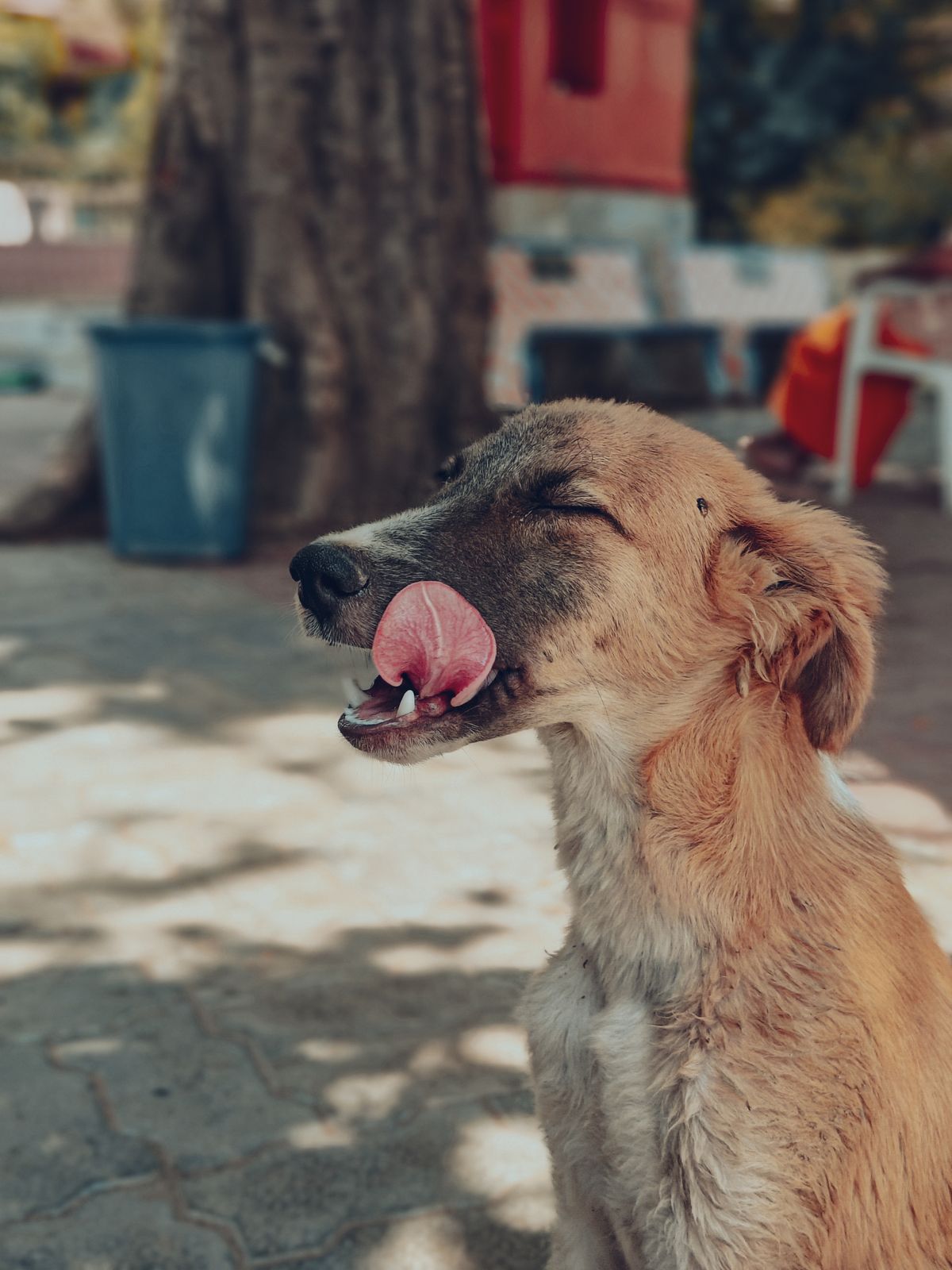
Nausea can cause salivation, lip licking, restlessness and repeated swallowing, including before any vomit appears. The underlying problem may involve something eaten, gastrointestinal illness, medication or another disease. The absence of vomiting does not identify the cause. VCA: vomiting and nausea signs.
Note appetite, energy and any vomiting or loose stool. If diarrhea is also present, Patify’s guide to dog diarrhea and emergency signs covers the additional observations to report.
2. Reflux or esophageal inflammation
Reflux occurs when stomach contents move back into the esophagus, the tube carrying food to the stomach. Irritation may cause discomfort, lip licking, difficulty swallowing or regurgitation. Some affected dogs are unsettled at night, but those signs are not specific to reflux. VCA: gastroesophageal reflux disease.
Esophagitis means inflammation of that tube. Reflux is one cause; lodged material, caustic substances and certain medications can also injure it. Tell your vet about recent anesthesia, vomiting or a new medicine. MSD: esophagitis in small animals.
3. Something lodged in the esophagus
A bone fragment, piece of chew or another object may lodge after being swallowed. Warning signs include repeated swallowing, drooling, gagging and food coming back up. Delay can damage the esophagus. Being able to breathe does not prove that food can pass normally: the airway and esophagus are separate passages. Merck: esophageal foreign bodies.
If an episode starts after chewing, tell the clinic exactly what the item was and whether a piece is missing. Save its packaging or a matching piece if available.
4. Mouth or dental discomfort
Painful gums, oral inflammation or an injury can make eating and swallowing uncomfortable. Clues include bad breath, pawing at the mouth, bloody saliva, food falling out or reluctance to chew. Some lesions require a thorough veterinary oral examination to find. Do not force a painful mouth open. Merck: mouth disorders in dogs.
Once the acute problem has been assessed, Patify’s guide to safe home dental care and tartar explains routine care. Brushing is not an appropriate response to unexplained acute mouth pain.
5. Stress-related licking and swallowing
Stress can bring lip licking, drooling, yawning, panting or pacing. A clear trigger, such as a noisy visitor or car journey, is useful context. Move your dog to a quieter setting when safe and avoid punishment. VCA: signs of stress in dogs.
Improvement after the trigger ends is information to share, not proof that the problem is behavioral. New, persistent or recurring gulping still warrants assessment for a physical cause.
6. Other problems moving food through the esophagus
Dogs with recurring regurgitation may have impaired esophageal movement or narrowing, among other conditions. Weight loss, trouble managing meals or coughing after food comes back up makes the history especially important. Material entering the lungs can cause aspiration pneumonia; new breathing difficulty requires emergency care. Merck: esophageal disorders in dogs.
Why does my dog keep swallowing at night?
The time of day is a clue, not a reflux diagnosis. Reflux can be associated with nighttime discomfort, but repeated swallowing has several possible causes. VCA: reflux signs and diagnosis.
Record when dinner, treats and medicines were given; when the episode began; whether your dog had just lain down; and whether anything came back up. Note whether gulping also happens during the day. This gives your vet a clearer pattern than “it only seems bad at bedtime.”
If episodes repeatedly wake your dog or prevent comfortable rest, contact your vet. Do not start an antacid or add a bedtime meal solely because the symptom happens at night.
What to do now
Decide whether the episode has truly resolved
If a brief, isolated bout has completely stopped and your dog is comfortable, alert, breathing normally and showing no swallowing difficulty, close observation may be reasonable provided there was no possible toxin or swallowed-object exposure. If the movements continue, keep returning, interrupt eating or drinking, or accompany pain or reduced appetite, call your vet the same day. The emergency signs above override home observation.
Use a lower threshold for calling if your dog is very young, frail or already being treated for an illness. Tell the clinic about that condition when asking how soon to attend.
Prepare a useful description
- Timing: when it started, whether it is continuous or in bouts, and the approximate length of each episode.
- Movement: swallowing, inward snorting, coughing, abdominal heaving or material returning to the mouth.
- Context: the last meal, treats, chews, possible scavenging, recent procedures and medicines or supplements.
- Other changes: drooling, appetite, drinking, energy, stool, pain and breathing.
When safe, film from the side so the clinic can see the mouth, throat, chest and abdomen. Keep the original sound. A written description is enough if filming would delay care.
Avoid testing swallowing or trying a home cure
Do not force food, water or tablets into a dog who is gagging, struggling to swallow or repeatedly bringing things back up. Ask the clinic what to do about food and water while arranging assessment. For a comfortable dog swallowing normally after a resolved episode, keep fresh water available; do not impose a prolonged fast on the basis of gulping alone.
- Do not give bread, oil or another food to push a suspected object down. Do not reach blindly into the throat or pull on lodged material.
- Do not use peroxide, salt or another vomiting remedy unless a veterinary professional gives specific instructions. Pet Poison Helpline advises against unsupervised vomiting induction and home antidotes.
- Do not use a human antacid, painkiller or leftover pet medicine as a diagnostic trial.
If a cleaning product was involved, keep its label available for the clinician. Patify’s dishwasher-pod exposure guide explains that specific situation; contact veterinary help before continuing to read.
What your vet may check
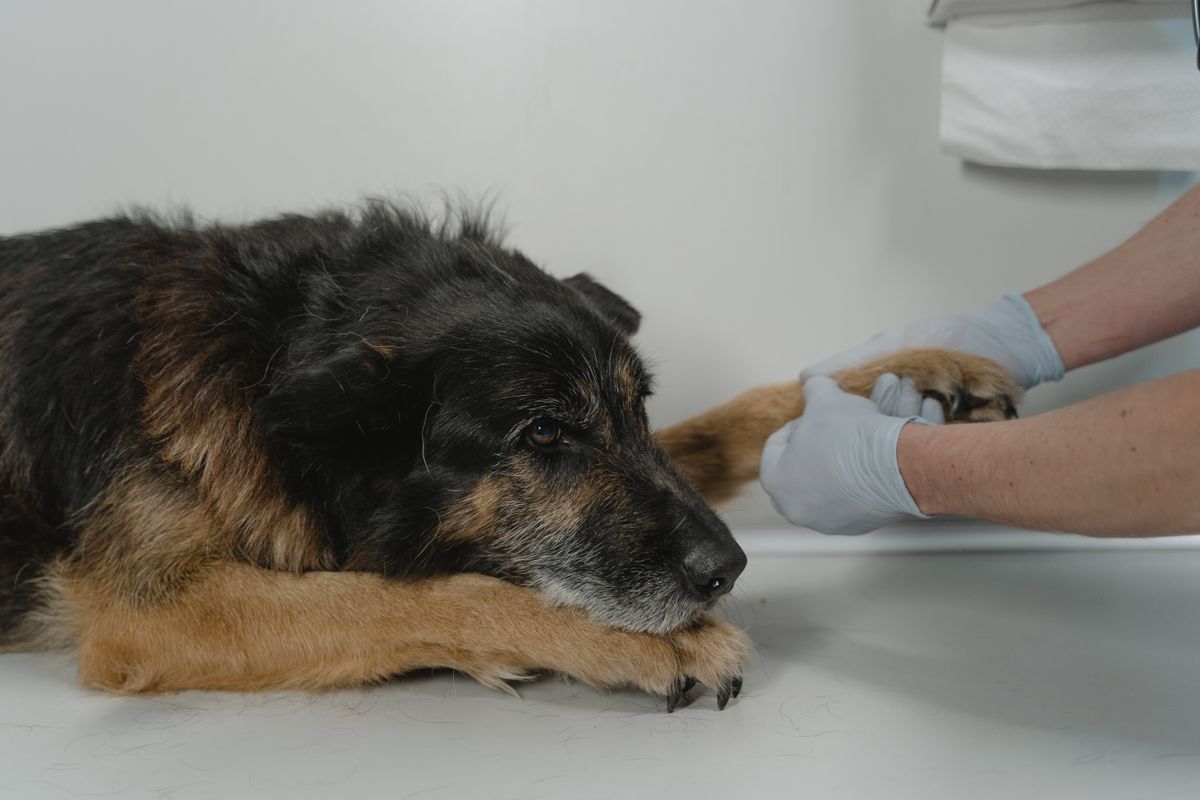
The examination starts with the episode history and your dog’s condition. Your vet may assess the mouth, breathing, hydration and abdomen, then choose tests according to the suspected cause. Not every gulping dog needs the same tests.
X-rays may help find a swallowed object or an abnormal esophagus, but some objects need further investigation. Endoscopy allows the vet to inspect the esophagus and may permit object removal. A diagnosed esophageal obstruction needs prompt treatment. Merck: diagnosis and treatment of esophageal foreign bodies.
Ordinary X-rays may not reveal esophagitis; endoscopy can help assess the lining. Treatment depends on the cause and may include prescribed medication and a tailored feeding plan. MSD: esophagitis diagnosis and management.
Before leaving, ask which causes were excluded, what to offer by mouth, when improvement is expected and which changes mean you should return. Keep a record of further episodes and follow the agreed recheck plan.
Frequently asked questions
Why is my dog licking their lips and swallowing repeatedly?
This combination can occur with nausea, mouth discomfort or an esophageal problem. Look at the whole episode: drooling, regurgitation, pain, recent chewing and breathing changes matter. Repeated dry retching, breathing difficulty or trouble swallowing needs urgent veterinary assessment.
Why does my dog keep swallowing at night?
Nighttime swallowing does not establish acid reflux. Tell your vet whether it follows a meal, begins after lying down or comes with regurgitation or discomfort. If it repeatedly wakes your dog or keeps returning, arrange an examination rather than trying a bedtime feeding or medication remedy.
Can something be stuck if my dog can still drink water?
Yes. A partially blocked esophagus may let liquid pass while food has difficulty passing. Drinking therefore does not rule out a lodged object. Sudden repeated swallowing with drooling, gagging or regurgitation after chewing needs urgent veterinary assessment; do not offer food or water to test it.
Can I give my dog Pepcid or omeprazole for gulping?
Only if your veterinarian recommends it for this dog and this episode. Acid-reducing medicines are used for some diagnosed conditions, but gulping alone does not identify the cause. Tell your vet about existing medicines and follow their product, dose and duration instructions.