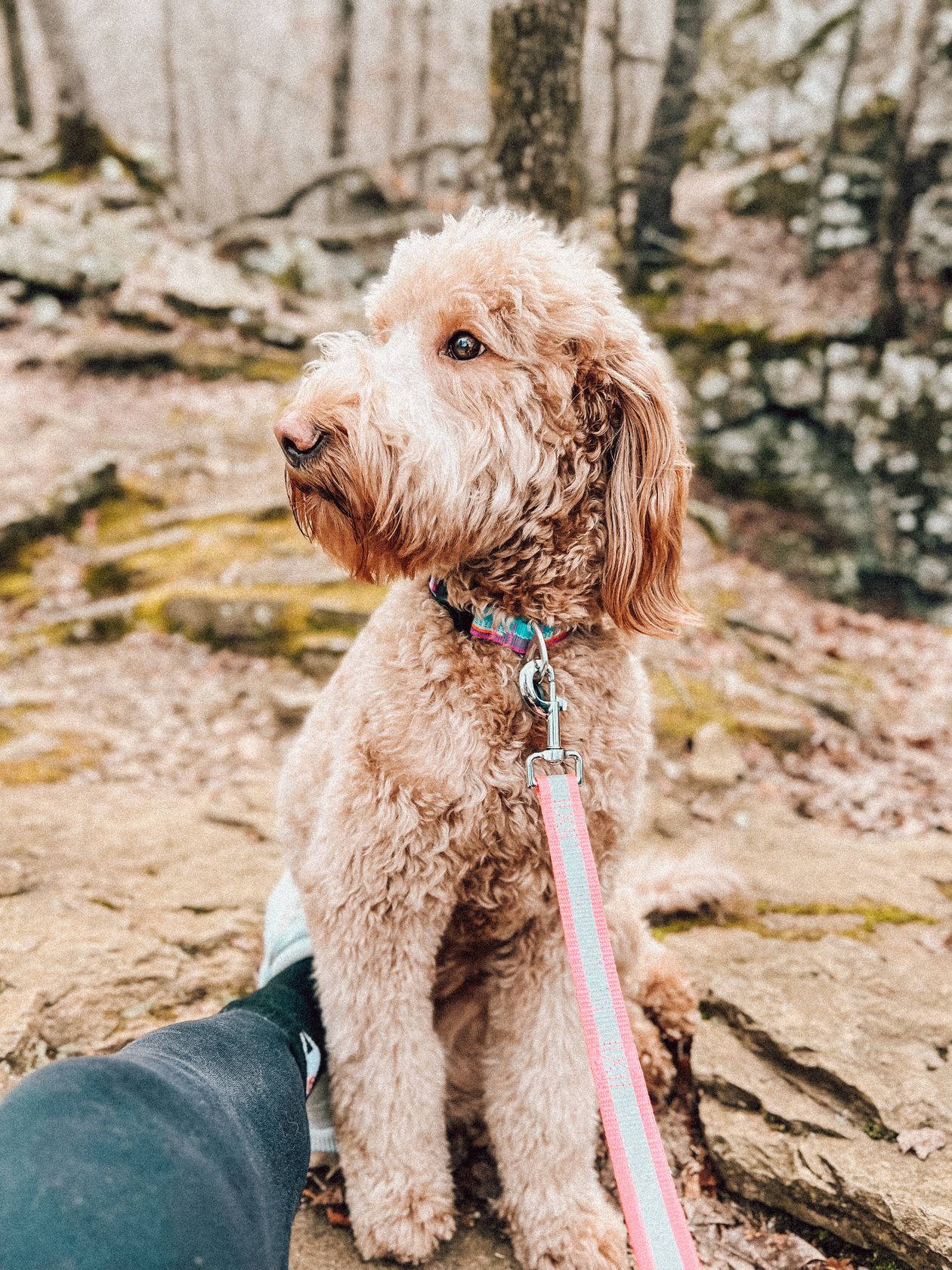


Quick answer: A “Pitbull Lab mix,” often called a Labrabull, Pitador, or Lab-Pit, is not a standardized breed with a single predictable size, temperament, or appearance. The label usually means a Labrador Retriever crossed with an American Pit Bull Terrier or another pit-bull-type dog—but in rescue and shelter settings, appearance alone cannot reliably prove that ancestry. If you are choosing one of these dogs, evaluate the individual dog: adult size, energy, handling strength, dog-to-dog behavior, training history, health records, housing rules, and the traits you can actually observe.
This guide is designed to answer the question most “breed profile” pages skip: what can you reasonably expect from a Labrador–pit-bull-type mix, and what should you refuse to assume? That distinction matters more than memorizing a generic list of “Labrabull traits.”
Published: September 23, 2026 · Audience: United States
What Is a Pitbull Lab Mix?
The simplest answer is “a Labrador Retriever crossed with a pit-bull-type dog,” but that sentence hides an important problem: “pit bull” is not always a precise ancestry label. In everyday U.S. use, the term may refer to the American Pit Bull Terrier, American Staffordshire Terrier, Staffordshire Bull Terrier, American Bully, dogs with similar appearance, or mixed dogs believed to have some of that ancestry.
The United Kennel Club has a formal standard for the American Pit Bull Terrier (APBT), while the American Kennel Club recognizes the related American Staffordshire Terrier rather than the APBT. The Labrador Retriever is a separate sporting breed with its own standard. A Labrador crossed with any of these is a mixed-breed dog, not a new breed with a universally accepted standard.
Translation for owners: “Labrabull” is a convenient nickname, not a guarantee that the dog is exactly 50% Labrador and 50% American Pit Bull Terrier. If parentage is unknown, treat the label as a working description until you have better evidence.
| Label | What it usually means | What it does not prove |
|---|---|---|
| Pitbull Lab mix | Labrador Retriever plus a dog described as pit bull or pit-bull-type | Exact parent breed, ancestry percentage, adult temperament |
| Labrabull | Informal nickname for a Lab/pit-type mix | Recognition as a standardized kennel-club breed |
| Pitador / Lab-Pit | Other informal names for the same general cross | A separate genetic population with one fixed standard |
| “Lab mix” in a shelter | A descriptive or historical label | That Labrador ancestry has been DNA-confirmed |
Can You Identify a Pitbull Lab Mix by Looking at One?
Not reliably. A blocky head, short coat, broad chest, floppy ears or “Lab-like” face can suggest possibilities, but visual appearance is not a dependable ancestry test for mixed dogs.
A prospective study of 120 shelter dogs compared visual pit-bull-type labels with DNA breed signatures. The researchers found poor-to-moderate agreement between individual visual assessments and DNA results; visual identification was inconsistent enough that the authors concluded it was unreliable for pit-bull-type classification. See the 2015 study in The Veterinary Journal.
A larger study of 919 shelter dogs reached a similar practical conclusion. At one shelter, staff matched at least one breed in DNA results for 67.7% of tested dogs, but matched both the primary and secondary breed labels in only 10.4%. The authors recommended focusing adoption decisions on the dog’s observable physical and behavioral characteristics rather than trying to infer a complicated mix from appearance. See the PLOS ONE shelter-dog ancestry study.
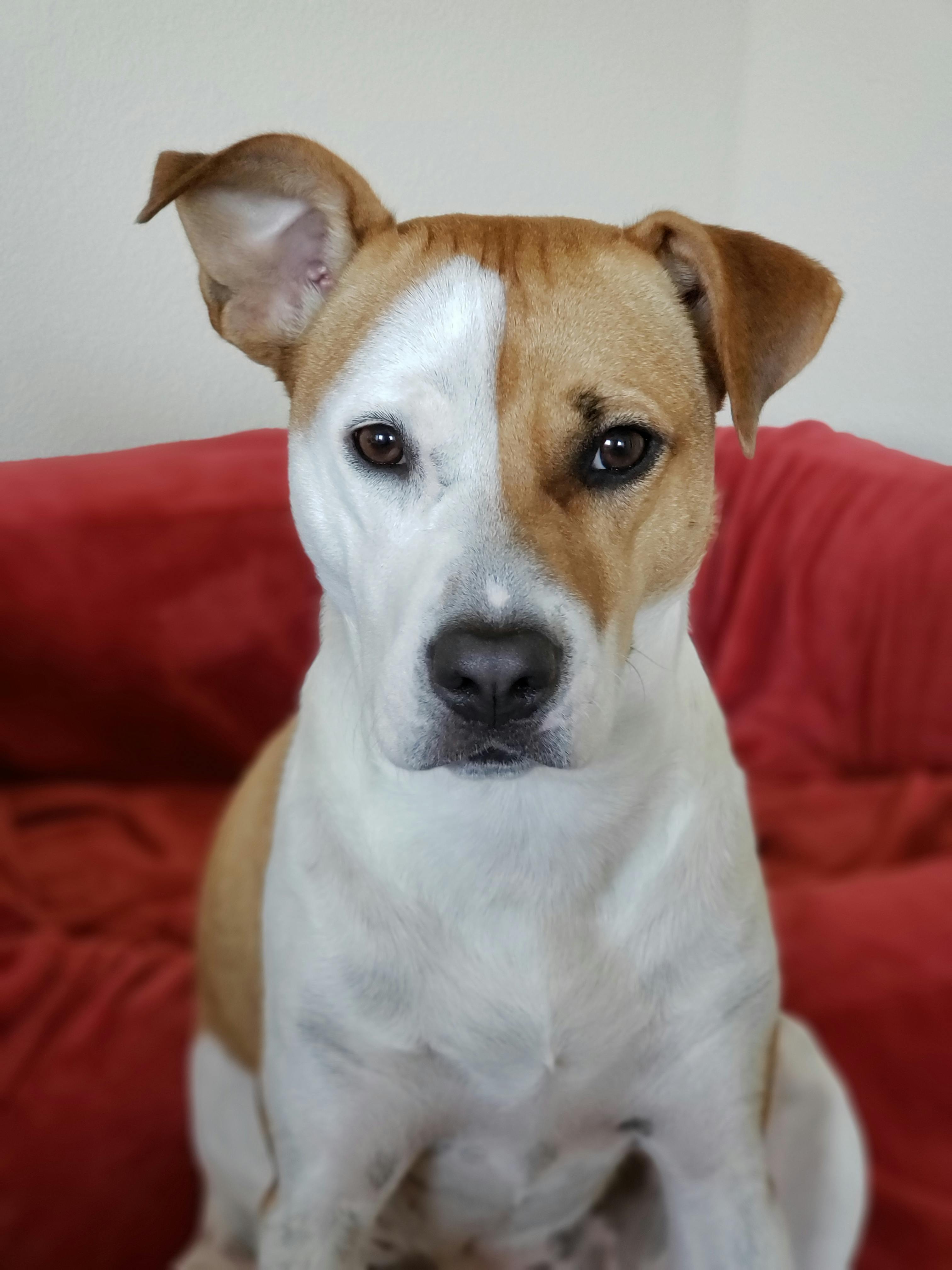
If ancestry matters for a breeder contract, housing rule, insurance question or personal curiosity, ask what evidence exists: documented parents, registration records, or a DNA test from a reputable laboratory. Even DNA ancestry tests should be interpreted as estimates based on the company’s reference populations—not as a personality forecast.
How Big Does a Pitbull Lab Mix Get?
There is no official Labrabull size range because there is no Labrabull breed standard. The most defensible starting point is the documented size of the known parents.
| Parent | Adult height | Adult weight | Source |
|---|---|---|---|
| Labrador Retriever | 21.5–24.5 in (54.6–62.2 cm) | 55–80 lb (24.9–36.3 kg) | American Kennel Club |
| American Pit Bull Terrier | Approx. 17–20 in females; 18–21 in males (43.2–53.3 cm) | Desirable 30–50 lb females; 35–60 lb males (13.6–27.2 kg) | United Kennel Club |
A true first-generation Lab × APBT puppy will often mature somewhere within or around the parental envelope, but genetics do not blend like paint. One puppy may inherit a lighter frame, another a broader chest, and another more Labrador height. If the “pit bull” parent is actually an American Staffordshire Terrier, American Bully or a mixed dog, the expected range changes again.
Do not buy a puppy because a seller promises an exact adult weight. Better predictors are the verified size of both parents, the puppy’s sex, growth pattern, body condition and veterinary monitoring. For an adult rescue dog, the current measured height and weight are more useful than any mix label.
What can the coat look like?
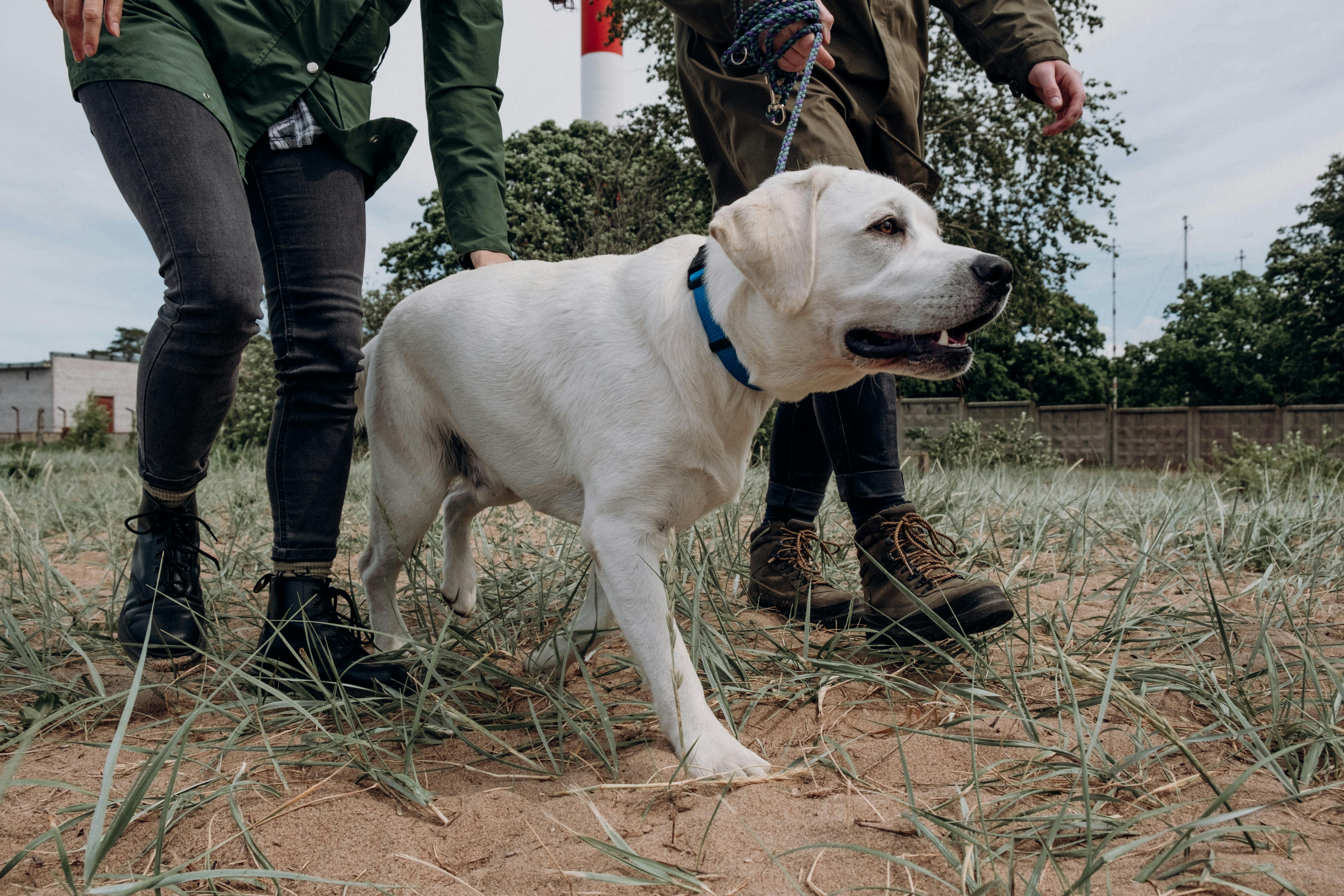
Both documented parent breeds are short-coated, but the texture and density can differ. The Labrador has a short, dense, weather-resistant double coat and is a substantial shedder. The UKC APBT standard describes a smooth, close coat. A mix can therefore look sleek yet still shed more than expected if it inherits a denser Labrador-type coat.
Colors and markings can vary widely. Black, chocolate/brown, yellow/tan, red, white markings and brindling are all possible depending on the actual parents. Coat color does not tell you which parent contributes more behaviorally, and it is not a reliable ancestry percentage marker.
Pitbull Lab Mix Temperament: What Can You Actually Predict?
You can use parent-breed history as context, but not as a personality guarantee. Labrador Retrievers are commonly described by the AKC as friendly, outgoing and energetic. The UKC APBT standard describes a strong, confident, enthusiastic, people-oriented working dog and notes that dog-directed aggression can occur in the breed. Those descriptions are useful when planning for possibilities—but an individual mixed dog can fall anywhere across a broad behavioral range.
Modern genetics reinforces that caution. In a large 2022 study involving owner-reported behavior from 18,385 dogs and genetic data from 2,155 dogs, breed ancestry explained only about 9% of behavioral variation among individual dogs. Some traits are heritable and breed tendencies are real, but the researchers found breed offered limited predictive value for the personality of a specific dog. See Morrill et al., Science (2022).
A better question than “Are Labrabulls friendly?” is: How does this dog recover after surprise, respond to handling, behave around food and toys, greet unfamiliar people, settle after activity, walk on leash, and respond to other dogs?
Traits you may need to plan for
- High physical strength: both parent sides can produce a powerful adult dog. Leash skills and impulse control matter early.
- Activity and play drive: both parent breeds are athletic. Expect to provide daily movement and mental engagement unless the individual dog shows otherwise.
- Strong human orientation: many individuals enjoy close involvement with their household, but separation tolerance varies.
- Retrieving or carrying behavior: Labrador ancestry may show up as enthusiasm for fetch, carrying objects and water play, but not every mix will love these activities.
- Variable dog sociability: do not assume “good with all dogs” or “bad with dogs” from the label. Test the individual safely.
- Adolescent intensity: a 50- to 70-pound young dog can be exuberant even when affectionate. Training manners is not optional.
Are Pitbull Lab Mixes Good With Kids, Dogs and Cats?
No mixed-breed label can answer that for an individual dog. Family compatibility is a behavior-history question, not a marketing adjective.
With children
A dog can be affectionate and still knock over a toddler, guard a chew, dislike hugging or become overwhelmed by noisy play. For any medium-to-large powerful dog, use active adult supervision, give the dog a child-free rest area, separate during high-value food or chew time, and teach children not to climb on, corner or disturb a sleeping dog.
If children are part of your household, Patify’s kids-and-dogs safety guide covers home setup and supervision rules in more detail.
With other dogs
Ask for observed history. “Lived with dogs,” “plays well with known dogs,” “tolerates parallel walks,” and “becomes tense around unfamiliar dogs” are much more useful statements than “Labrabulls love other dogs.” If the dog has unknown history, introductions should be controlled and gradual. A shelter or foster that can describe multiple real interactions gives you better information than a breed guess.
With cats and small pets
Prey interest, chasing and arousal vary by individual. A dog that has safely lived with cats is a stronger candidate for a cat household than a dog whose only evidence is “this mix is usually friendly.” Use barriers, leashes and gradual introductions rather than testing by simply putting the animals together.
How Much Exercise Does a Labrador Pitbull Mix Need?
There is no responsible universal minute target. Both parent breeds are athletic, so a healthy adult mix will often need more than a quick bathroom walk, but the correct workload depends on age, health, body condition, weather, previous conditioning and the individual dog.
A useful daily plan combines four categories:
- Purposeful walking: not only distance, but time to sniff and explore.
- Play: fetch, tug with rules, chase games or other activities the dog enjoys.
- Short training: recall, leash skills, mat settling, leave-it, cooperative handling and tricks.
- Recovery: enough calm time and sleep to prevent a constantly over-aroused routine.
Do not turn exercise into an arms race where the only goal is to exhaust the dog. A very fit dog can simply become better at needing more running. Building an “off switch”—the ability to relax after needs are met—is as valuable as physical stamina.
Puppies and dogs with orthopedic, cardiac, respiratory or other medical concerns need individualized advice before repetitive running, jumping or intense conditioning. If your dog suddenly becomes less willing to move, do not assume the mix is “getting lazy”; pain and illness belong on the veterinary checklist.
Training a Pitbull Lab Mix: Start With Skills That Matter at Adult Size
The best training plan assumes your cute puppy may become a strong adult. Prioritize practical control before flashy tricks:
- walking without dragging the handler;
- recall and emergency U-turns;
- waiting at doors and car exits;
- dropping and trading objects;
- settling on a mat;
- comfortable muzzle conditioning as a neutral safety skill;
- cooperative nail, ear, mouth and veterinary handling;
- calm behavior around visitors;
- disengaging from other dogs when asked.
The American Veterinary Society of Animal Behavior recommends reward-based methods for dog training and behavior modification and advises against aversive methods that rely on pain, fear or physical/psychological discomfort. See the current AVSAB humane-training position.
That matters particularly with a powerful dog. “Firm” should mean clear, consistent and well-managed—not intimidating. Prevent rehearsal of unwanted behavior, reward the behavior you want, and use equipment that lets the handler stay physically safe without turning every walk into a confrontation.
Socialization is not forced interaction
Good socialization means safe, positive exposure to the world. It does not mean making a puppy greet every dog or allowing strangers to crowd them. A dog that can notice another dog and calmly continue walking is often more useful in daily life than a dog trained to expect play with every canine they see.
Grooming and Shedding: Short Coat Does Not Mean No Maintenance
Most Lab/pit-type mixes will be comparatively simple to groom, but shedding can surprise owners. Labrador coats are short yet dense and can shed heavily; an APBT-type coat may be smoother and closer. Your dog may inherit something in between.
- Brush: use a rubber curry or appropriate short-coat tool regularly; increase frequency during heavy shedding.
- Bath: bathe when dirty or as advised for skin needs; excessive bathing can irritate some dogs.
- Nails: maintain a length that allows comfortable stance and movement.
- Ears: check for odor, redness, discharge or recurrent head shaking, especially after swimming.
- Teeth: build daily dental care into the routine if your dog tolerates it.
- Skin: persistent itching, paw licking, hair loss or recurrent ear trouble deserves veterinary assessment rather than repeated food or shampoo experiments.
This is not a hypoallergenic mix. No ancestry combination guarantees a dog will be suitable for a person with allergies.
Health: Do Not Assume “Mixed Breed” Means Automatically Healthier
Crossing two breeds can change genetic risk, but it does not erase inherited disease. A puppy can inherit risk variants or structural tendencies from either side. The useful question is not “Are Labrabulls healthy?” but “What health information exists for these exact parents?”
If the Labrador parent is documented
The Labrador Retriever Club lists core health clearances expected from reputable Labrador breeders, including hip evaluation, elbow evaluation, an ophthalmologist eye examination and DNA testing for exercise-induced collapse (EIC), with additional tests used for other conditions. Review the current list at the Labrador Retriever Club health page.
If the pit-type parent is an American Staffordshire Terrier
The Staffordshire Terrier Club of America recommends testing that includes hip evaluation, cardiac evaluation, thyroid testing and DNA testing for NCL-A cerebellar ataxia and ALPP, with optional eye and elbow evaluation. See the STCA health-testing recommendations.
If the seller only says “the dad is a pit bull”
Ask what that actually means. If the dog has no documented breed, pedigree or health testing, there is no honest way to choose a parent-club testing panel based solely on looks. A veterinarian can still guide general screening, but a seller should not use “hybrid vigor” as an excuse for doing no testing.
Red flag: “They are mixes, so genetic disease is not a problem.” Responsible breeding requires more evidence, not less.
For an adopted adult dog
You may never know the parents. That does not make the dog a bad choice. Start with a baseline veterinary exam, body-condition assessment, orthopedic observation, skin/ear history, dental status, parasite prevention and any testing your veterinarian recommends from the individual dog’s findings. Keeping a strong dog lean is one of the most practical things you can do for mobility over time.
How to Evaluate a “Lab/Pit Mix” at a Shelter or Rescue
This is where the mixed-breed approach becomes an advantage: you can stop trying to predict the dog from a label and gather evidence about the actual animal.
| Ask | Why it matters |
|---|---|
| Has the dog lived in a foster home? | Home behavior is more informative than kennel behavior alone. |
| How does the dog settle after a walk? | Shows arousal regulation and realistic indoor energy. |
| What happens around other dogs? | Get specifics: parallel walk, play, barrier behavior, resource situations. |
| Any history with children or cats? | Known history is more useful than breed assumptions. |
| How is leash handling? | A strong puller can change the practical fit for an owner. |
| Any guarding, handling sensitivity or bite history? | Allows a real management plan rather than a surprise. |
| How does the dog respond when frustrated? | Frustration tolerance matters in daily life. |
| What medical records are available? | Skin, joints, ears, weight and medications can affect behavior and cost. |
If possible, meet the dog more than once and in more than one context. A quiet dog in a kennel may be shut down rather than naturally calm; an excitable dog during the first five minutes may settle beautifully after decompression. Foster notes, videos of ordinary home behavior and a transparent behavior history are valuable.

If Someone Is Selling “Labrabull” Puppies, What Should You Ask?
A mixed-breed puppy can be intentionally and responsibly bred, but a catchy hybrid name does not prove responsible breeding. Ask the same hard questions you would ask for any planned litter.
- Who are the exact parents? Meet the mother when appropriate and obtain the sire’s documented information.
- What breed documentation exists? “Looks like a pit bull” is not equivalent to a documented APBT or AmStaff parent.
- What health testing was completed before breeding? Ask for verifiable results, not “vet checked” as a substitute for hereditary screening.
- Why was this pairing chosen? A responsible answer should discuss health, temperament and function—not rare color or head size.
- How are puppies raised and socialized? Ask about home exposure, handling, surfaces, sounds, crate/rest skills and individual temperament observations.
- What happens if the owner cannot keep the dog? Ethical breeders plan for lifetime responsibility.
Be cautious with sellers promising an exact adult personality: “guaranteed kid-safe,” “will never be dog aggressive,” “perfect guard dog,” or “exactly 50 pounds.” Those claims are stronger than genetics can support.
One Extra Step for U.S. Owners: Check Housing, Insurance and Local Rules
Even when a dog is behaviorally suitable for your household, the pit-bull label itself can create practical issues. Municipal rules, rental policies, HOA rules and insurance underwriting do not all use the same definitions, and some policies may apply to mixes or dogs that “look like” restricted types.
Before adopting, moving or signing a lease, verify the current rules that apply to your exact address and policy. Do not hide or deliberately misrepresent the dog’s known history. Keep written documentation when a landlord or insurer confirms coverage.
Patify has separate U.S. guides for the legal and insurance side so this breed-profile page does not duplicate them:
- Breed-specific legislation (BSL): what pit-bull-type owners should check
- Homeowners insurance and restricted dog breed lists
Those pages should be rechecked when you need a current legal or insurance decision; this article stays focused on the dog itself.
Is a Pitbull Lab Mix a Good Fit for You?
A well-matched individual can be an engaging, athletic companion. The wrong match can feel overwhelming—not because a hybrid name is “bad,” but because strength, energy, housing restrictions and behavioral history were underestimated.
This mix may fit well if you:
- want a medium-to-large, physically capable companion;
- can provide daily exercise, training and enrichment;
- are comfortable managing a strong dog on leash;
- judge behavior individually instead of expecting a stereotype;
- can provide structure around children and other pets;
- have confirmed your housing and insurance situation;
- are willing to budget for preventive and unexpected veterinary care.
Think carefully if you:
- need a dog whose adult size and temperament are highly predictable;
- want a very low-exercise companion;
- cannot physically manage a strong adolescent dog;
- need guaranteed compatibility with cats or unfamiliar dogs;
- rent in a property with unresolved breed restrictions;
- are choosing only because a puppy is cute or because someone promised “the best of both breeds.”
Best decision rule: for a puppy, evaluate both documented parents and the quality of the breeding program. For an adult rescue, give more weight to verified behavior history, foster observations and your own structured meetings than to the breed label on the kennel card.
Frequently Asked Questions
Is a Labrabull the same as a Pitbull Lab mix?
Usually, yes. “Labrabull,” “Pitador,” “Lab-Pit” and “Pitbull Lab mix” are informal names for a Labrador Retriever crossed with a pit-bull-type dog. They are not names of a standardized AKC or UKC hybrid breed with one official description.
How big will a Pitbull Lab mix get?
There is no official mix range. A documented Labrador parent is generally 55–80 pounds and 21.5–24.5 inches tall, while the UKC APBT standard lists desirable adult weights of 30–50 pounds for females and 35–60 pounds for males with approximate heights of 17–21 inches depending on sex. The actual mix may fall within or outside those ranges depending on the real parents.
Are Pitbull Lab mixes aggressive?
A breed-mix label cannot diagnose or predict aggression in an individual dog. Genetics can influence behavior, but experience, development, health, environment and learning also matter. Evaluate the dog’s actual history and behavior, especially around people, dogs, handling, resources and frustration.
Are Labrabulls good family dogs?
Some are excellent family companions; others may be a poor fit for a particular home. Choose based on the individual dog’s behavior, size, energy, child history and ability to settle. Children and dogs should be actively supervised regardless of breed.
Do Pitbull Lab mixes shed?
Yes, they can. Both parent sides are short-coated, but Labradors have a dense double coat and can shed heavily. A mixed dog that inherits more Labrador-like coat density may shed much more than its sleek appearance suggests.
Can a shelter accurately tell me my dog is a Labrador Pitbull mix?
A shelter may have owner history or documented records, but visual identification by itself is imperfect. Peer-reviewed studies comparing shelter labels with DNA results show that mixed-breed ancestry—especially multi-breed combinations—is difficult to determine from appearance alone.
Should I DNA test my Labrabull?
A DNA test can be useful if you are curious about ancestry or want information a veterinarian can interpret alongside the dog’s health history. It should not be used to predict a guaranteed personality, and legal or insurance decisions may use their own definitions rather than a consumer DNA result.
Sources and Further Reading
- Levy et al. — Inconsistent identification of pit bull-type dogs by shelter staff, The Veterinary Journal (2015)
- Gunter et al. — A canine identity crisis: genetic breed heritage testing of shelter dogs, PLOS ONE (2018)
- Morrill et al. — Ancestry-inclusive dog genomics challenges popular breed stereotypes, Science (2022)
- American Kennel Club — Labrador Retriever lifestyle and size profile
- United Kennel Club — American Pit Bull Terrier breed standard
- The Labrador Retriever Club — recommended health clearances
- Staffordshire Terrier Club of America — recommended AmStaff health testing
- American Veterinary Society of Animal Behavior — humane dog training position