
Last verified: October 1, 2026
Poodle Colors: 11 Solid Standard Colors, Clearing & Parti Explained
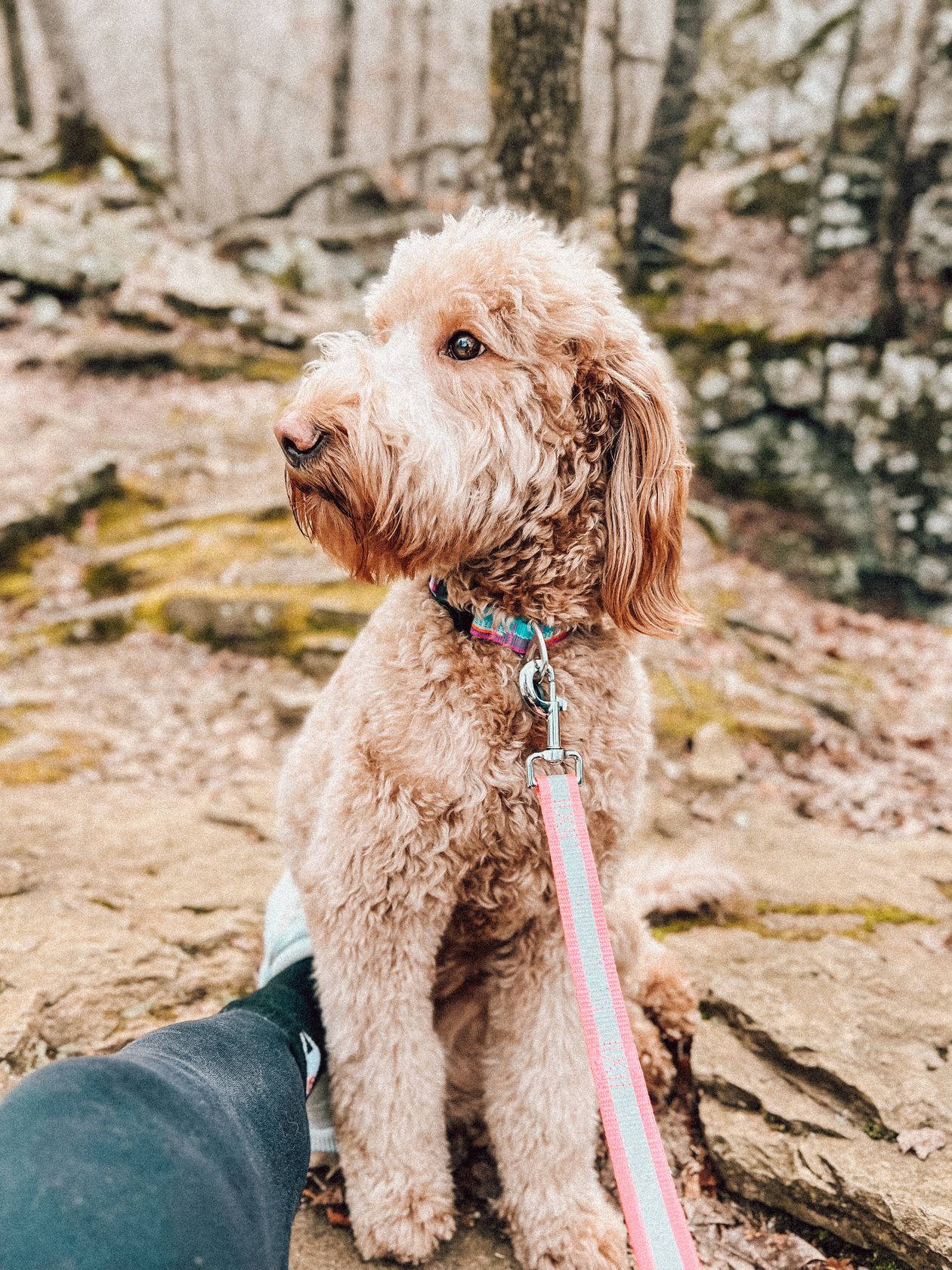
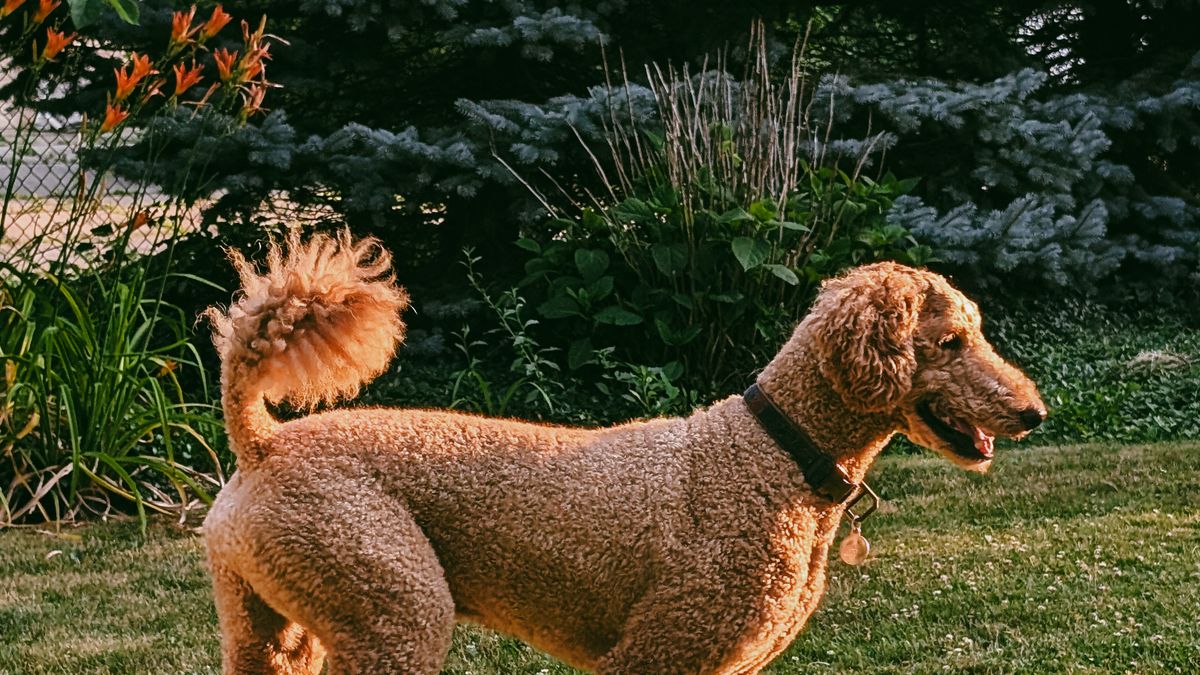
Quick answer: the Poodle Club of America/AKC standard requires an even, solid color at the skin for conformation and describes 11 standard solid colors: apricot, black, blue, brown, cream, red, silver, silver beige, white, cafe au lait and gray. Some colors naturally show different shades of the same color, especially as the dog matures.
AKC registration vocabulary is broader and includes many two-color combinations, but the PCA breed standard still states that a parti-colored Poodle—two or more colors rather than an even solid coat—is disqualified in regular conformation. That is a show-standard rule, not a claim that a parti Poodle is unhealthy or not a Poodle.
Patify Poodle-color rule: separate visible coat color → age-related clearing/shading → pigment of nose/eye rims → AKC registration label → conformation-standard status. Those are different questions.
The 11 Solid Standard Poodle Colors
AKC’s current Poodle breed page lists the following as breed-standard colors:
| Color | Practical visual description | Typical pigment clue in standard |
|---|---|---|
| Black | Deep solid black | Black nose, eye rims and lips; very dark eyes |
| Blue | Dark slate/blue-gray, often born darker | Black nose, eye rims and lips |
| Gray | Gray coat distinct from very pale silver | Black nose, eye rims and lips |
| Silver | Pale silver-gray mature coat | Black nose, eye rims and lips |
| White | Clean white coat | Black nose, eye rims and lips |
| Cream | Very pale warm/off-white coat | Black pigment preferred by the standard |
| Apricot | Warm peach/orange-gold | Black pigment preferred; liver pigment permitted but not desirable |
| Red | Deeper warm red than typical apricot | Evaluated as a solid color |
| Brown | Rich brown eumelanin | Liver-colored nose, eye rims and lips; dark amber eyes |
| Cafe au lait | Lighter/muted brown family shade | Liver-colored nose, eye rims and lips |
| Silver beige | Lightened brown-family color | Brown/liver-family pigment context |
The PCA standard allows natural shading within blue, gray, silver, brown, cafe au lait, apricot and cream as long as the coat remains one color at the skin. Darker ear feathering or ruff tipping can therefore be normal.
Poodle Color Decoder: Start With Pigment Family
| Family | Colors | Question to ask |
|---|---|---|
| Black-pigment dark | Black, blue, gray, silver | Is the coat truly black, or has it cleared/diluted into blue/gray/silver? |
| Brown-pigment | Brown, cafe au lait, silver beige | Are nose/eye rims liver-brown rather than black? |
| Warm red/yellow | Red, apricot, cream | How saturated is the phaeomelanin? |
| White | White | Is pigment present in nose/eye rims, distinguishing standard white from albinism? |
1–2. Black vs Blue Poodles
A mature black Poodle remains richly black. Blue is a distinctly lighter slate-toned color but can be difficult to identify in young dogs because many blue Poodles begin life looking much darker.
PCA educational material notes that some Poodles born very dark begin to clear toward blue or silver as they mature, often leaving darker tipping or ear feathering during the transition. A puppy photo therefore cannot always predict the final adult shade.
3–4. Silver vs Gray
Silver is the paler end of the cool gray family; gray is generally deeper. Both retain black nose/eye-rim/lip pigment under the breed standard.
Do not classify solely from a photograph taken under warm indoor light. Neutral daylight and adult coat are more informative.
5–6. Brown vs Cafe au Lait
Brown Poodles should show brown/liver pigment in the nose, lips and eye rims. Cafe au lait belongs to the same broad brown-pigment family but appears lighter and more muted.
The PCA standard expects dark amber eyes in brown and cafe-au-lait dogs rather than the very dark eyes preferred in black-pigment colors.
7–8. Red vs Apricot
Both are warm phaeomelanin colors. Red is generally deeper and more saturated, while apricot is lighter/peachier. The boundary is a visual breed-color convention, not something every phone camera reproduces consistently.
Sun exposure, coat length, clipping and age can also make warm colors look lighter.
9–10. Cream vs White
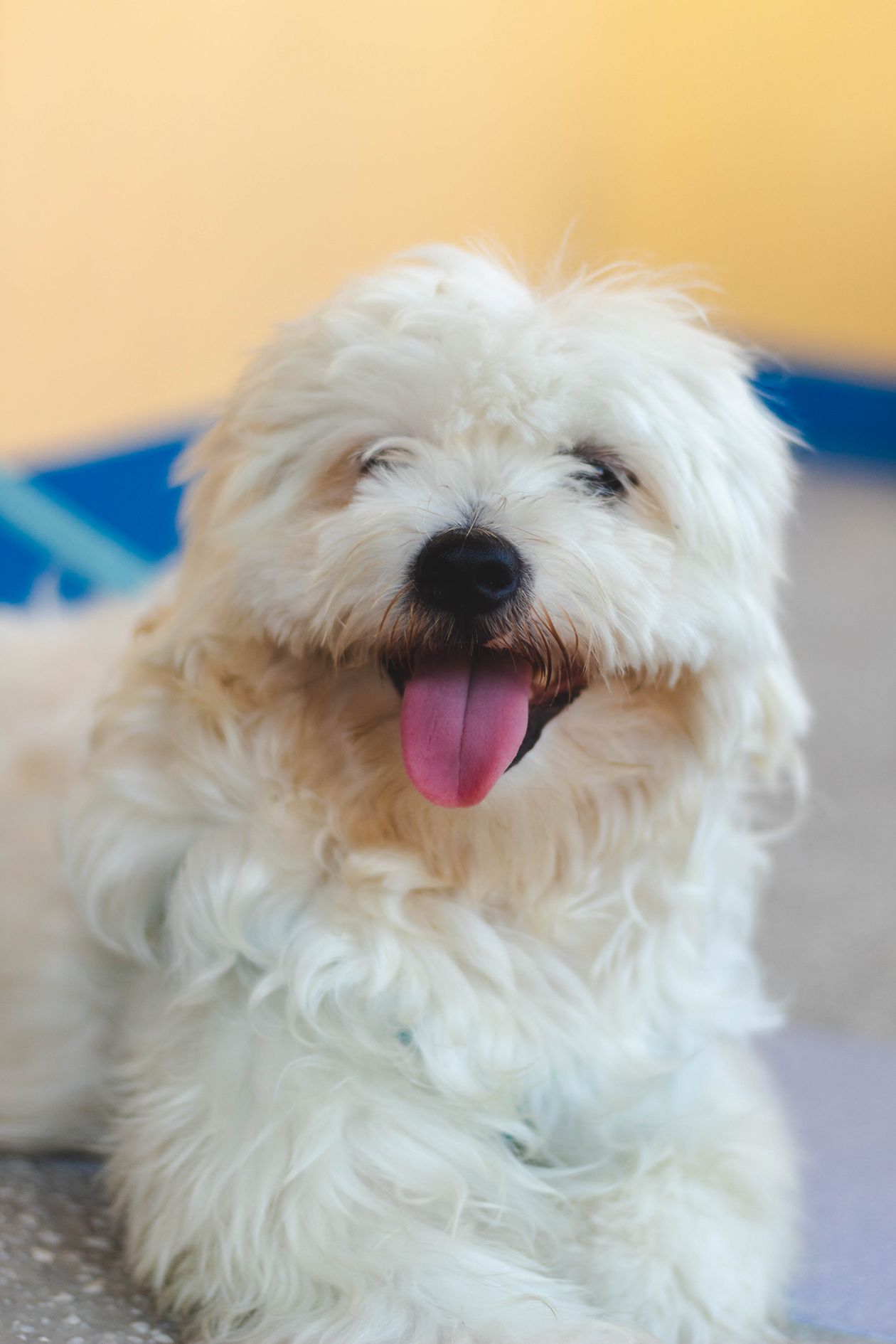
Cream Poodles can be so pale that they photograph as white. Check warm shading—often around ears or along the back—and compare against true white in neutral light.
AKC explicitly distinguishes a normal white Poodle from albinism: a standard white Poodle still has normal dark pigment in the nose/skin structures described by the standard, while albinism involves lack of pigment.
11. Silver Beige
Silver beige belongs to the brown-family clearing spectrum. It is lighter and cooler/more muted than a rich brown and should be evaluated together with liver-colored nose/eye-rim pigment.
Because color can clear gradually, adult appearance and pedigree are more useful than assigning a final label to a very young puppy.
Why Poodle Colors Change With Age
Poodles are famous for “clearing”—a mature coat becoming lighter than the puppy coat. The effect is especially relevant when distinguishing black from blue/silver or brown from lighter brown-family shades.
| Puppy appearance | Possible adult direction | Do not assume |
|---|---|---|
| Very dark/near black | May remain black or clear to blue/silver | Every black-looking puppy is adult black |
| Rich brown | May remain brown or lighten | One early photo guarantees cafe au lait/silver beige |
| Red/apricot | May fade in intensity | Puppy saturation is permanent |
| Very pale cream | May look nearly white | Pale equals albino |
“Clearing” is not the same thing as patchy medical hair loss. Sudden baldness, broken hair, scaling or inflamed skin belongs with a veterinarian.
Nose, Eye-Rim and Eye-Color Clues Matter
The PCA standard ties external pigment to color families:
- Brown and cafe au lait: liver-colored nose, eye rims and lips; dark amber eyes.
- Black, blue, gray, silver, cream and white: black nose, eye rims and lips; very dark eyes.
- Apricot: black pigment is preferred, though liver-colored pigment/amber eyes are permitted but not desirable in the standard.
This helps separate a truly brown-family dog from a warm black-pigment color photographed poorly.
Parti Poodles: Registrable Does Not Mean Conformation-Standard
AKC’s registration list contains many two-color combinations such as black & white, brown & white and red & white. But the PCA/AKC breed standard says the conformation coat must be an even solid color at the skin and explicitly disqualifies parti-colored dogs.
That is a conformation rule. Parti Poodles can participate in many other dog activities and can still be registered when registration requirements are met. Do not turn a show-color rule into a claim about health, intelligence or “purity.”
Phantom, Abstract, Mismark and Other Hobby Terms
These terms are commonly used by breeders/owners to describe multicolor distribution:
- Parti: substantial white plus another color.
- Phantom: tan-point style markings on a darker base.
- Abstract / mismark: smaller areas of white on an otherwise solid-colored dog.
They can be useful descriptive hobby language, but they are not additional solid colors in the PCA conformation standard.
Poodle Color Photo-ID Workflow
- Photograph the coat in neutral daylight.
- Ignore haircut and size variety; Toy, Miniature and Standard share the same color standard.
- Check nose and eye-rim pigment first: black or liver/brown?
- Decide whether the coat is a dark black-family, brown-family, warm red/yellow family or white.
- Look for age-related clearing and darker ear/ruff shading.
- Check whether the coat is truly solid at the skin or has a second color.
- Use pedigree/adult relatives when predicting a puppy’s mature shade.
Poodle Color Buyer Checklist
- Do not pay a premium only because a seller says “rare color.”
- Ask whether the label describes a current puppy shade or expected adult color.
- For show plans, read the PCA standard rather than relying on registration dropdowns.
- Ask for breed-appropriate health testing independently of color.
- Do not treat parti or other multicolor patterns as a health defect simply because they are disqualified in regular conformation.
- Save photos at different ages if you want to document clearing.
Patify Poodle and Dog-Color Cluster
- Color is separate from clip: use Patify’s Poodle haircut guide for puppy, lamb, Miami, German and show-clip terminology.
- For another breed where registration labels and conformation preference differ, compare German Shepherd colors.
- For merle/harlequin pattern genetics rather than solid-color clearing, see Great Dane colors.
Frequently Asked Questions About Poodle Colors
How many standard Poodle colors are there?
AKC currently lists 11 breed-standard solid colors: apricot, black, blue, brown, cream, red, silver, silver beige, white, cafe au lait and gray.
Do Poodles change color as they age?
Many do. Blue, silver and some brown-family Poodles can clear lighter as the adult coat develops; warm colors can also change in intensity.
What is the difference between black and blue Poodles?
Black remains deep black, while blue matures to a slate/diluted-looking dark gray-blue tone even though puppies can initially look black.
What is the difference between brown and cafe au lait?
Both are brown-pigment colors with liver-colored nose/eye rims; cafe au lait is lighter/more muted.
What is silver beige?
A lightened brown-family color generally associated with liver pigment rather than black pigment.
Are red and apricot the same?
No. Red is typically deeper and more saturated; apricot is lighter/peachier, though photographs and fading can blur the boundary.
Are white Poodles albino?
No. Standard white Poodles normally have dark pigment in the nose/eye rims; albinism is a pigment-deficiency condition.
Are parti Poodles AKC registered?
AKC registration vocabulary includes two-color combinations, but parti-colored Poodles are disqualified from regular conformation under the PCA breed standard.
Are parti Poodles unhealthy?
Parti pattern by itself is not a disease diagnosis.
Do Toy, Miniature and Standard Poodles have different color standards?
No. The PCA standard is the same across the three size varieties except for height limits.
Can a photo predict a puppy’s final Poodle color?
Not reliably in every case because clearing can change shade substantially; pedigree and adult relatives add context.
Sources Checked for This Guide
- Poodle Club of America — AKC Breed Standard: solid-color requirement, natural shading, pigment rules and parti disqualification.
- American Kennel Club — Poodle: current registration and breed-standard color list.
- AKC — Is the Poodle Right for You?: 11 breed-standard colors and albinism distinction.
- Poodle Club of America educational material: clearing/shading context in blue and silver coats.
- Pexels — exact Standard Poodle image
- Pexels License
Editorial note: this guide separates AKC registration labels from the PCA conformation standard, treats age-related clearing as a color-identification issue rather than disease, and links Poodle color naturally to Patify’s Poodle grooming and dog-color cluster. Sources were reviewed October 1, 2026.