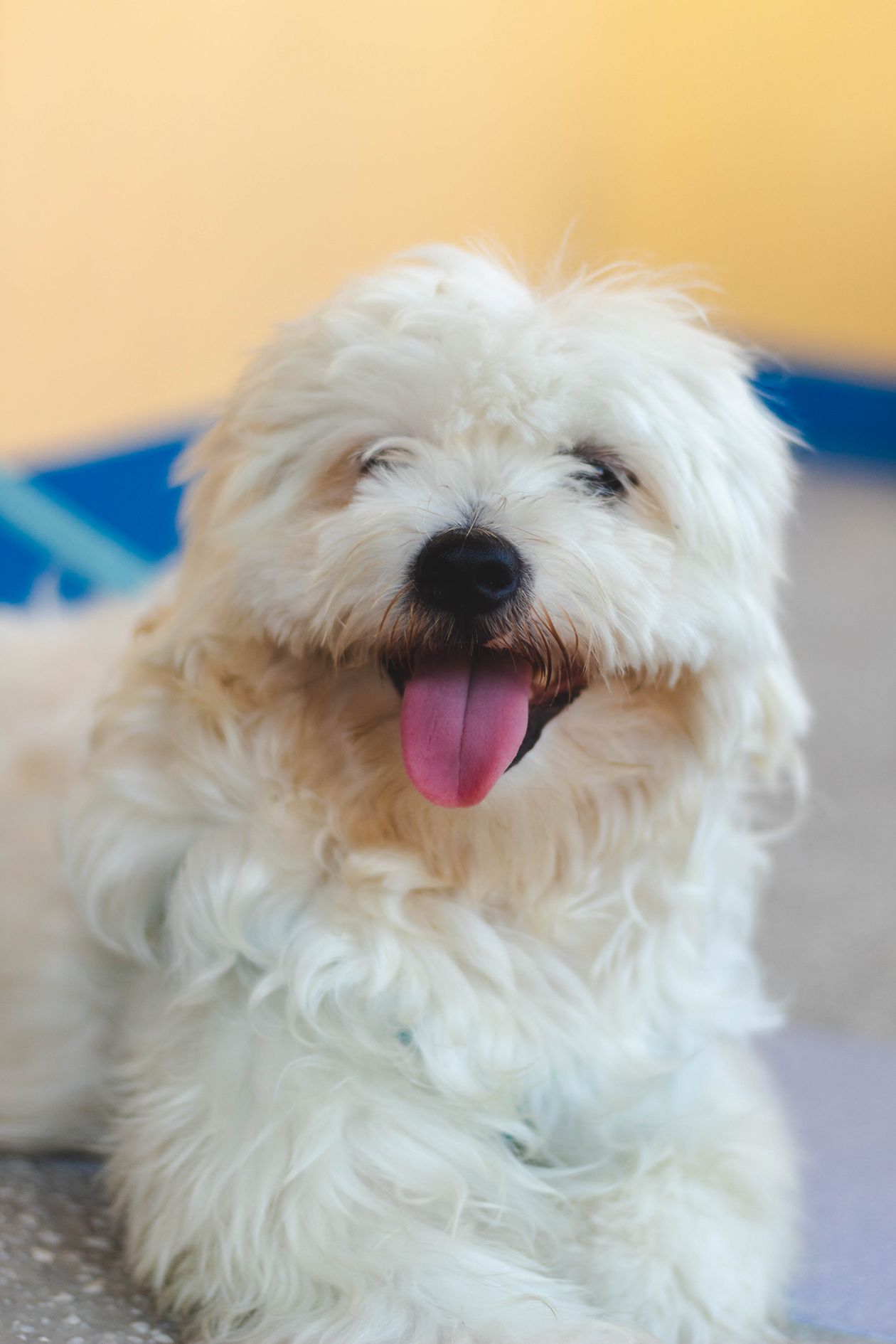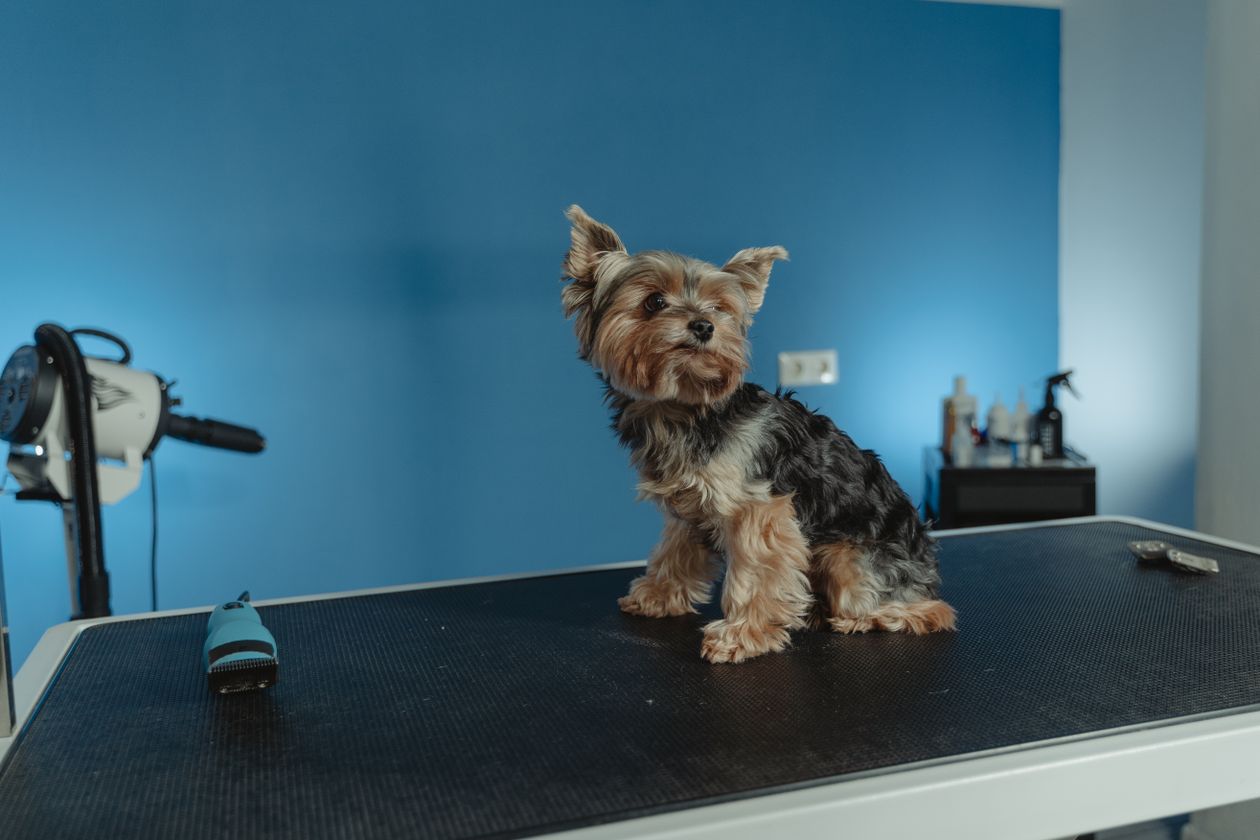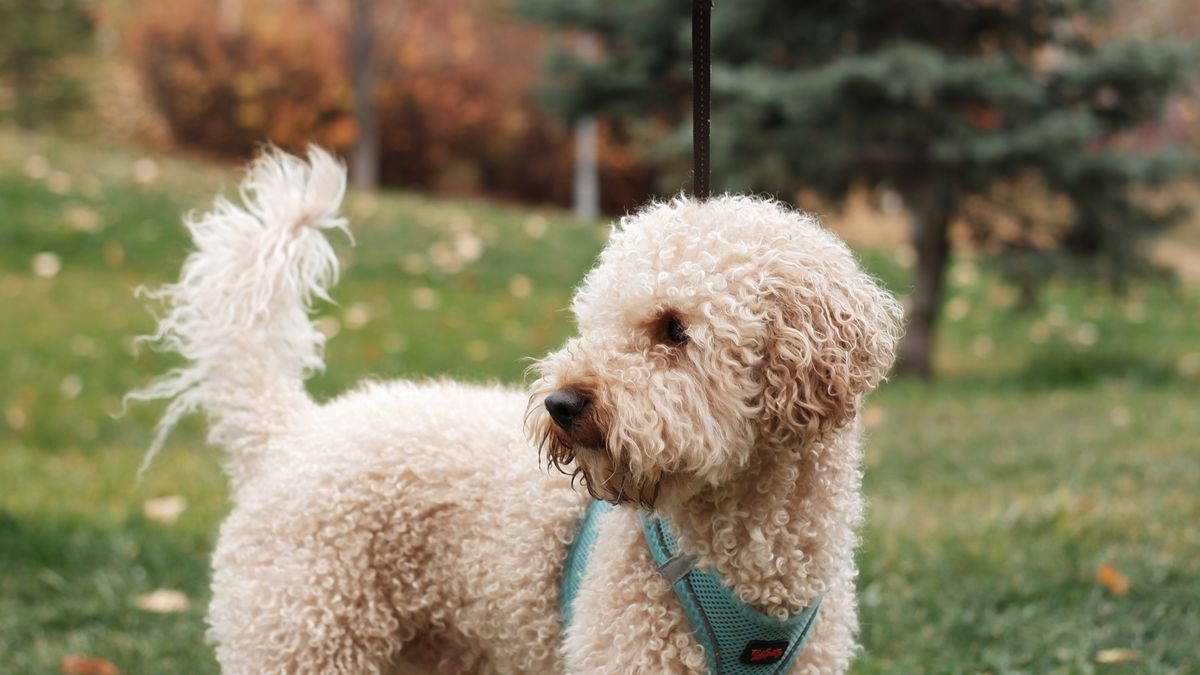

Quick answer: If you are trying to identify a small white dog, start with coat texture and ear shape before guessing the breed. A tiny dog with a long, straight, silky coat and drop ears points toward a Maltese. A rounded, curly “powder-puff” coat suggests a Bichon Frise. A cotton-textured, slightly larger companion may be a Coton de Tulear. Upright ears and a rougher terrier outline suggest a West Highland White Terrier, while upright ears plus a plumed tail curled over the back point toward a Japanese Spitz or a Toy/Miniature American Eskimo Dog.
Color alone is not a breed ID. Several breeds are characteristically white, while others—such as Poodles and Havanese—can simply occur in white. Grooming can also change a dog's silhouette dramatically. Use the comparison below to build a shortlist, not to certify ancestry from a photo.
Fast ID: Start With Coat, Ears, Tail and Face
Most “little white fluffy dog” searches become much easier once you ignore color for a moment. White is the shared trait; coat structure and outline are what separate the breeds.
Long + straight/silky + drop ears
Maltese is the first comparison. The breed standard calls for a long, silky white coat, and adults are notably tiny.
Curly + rounded + drop ears
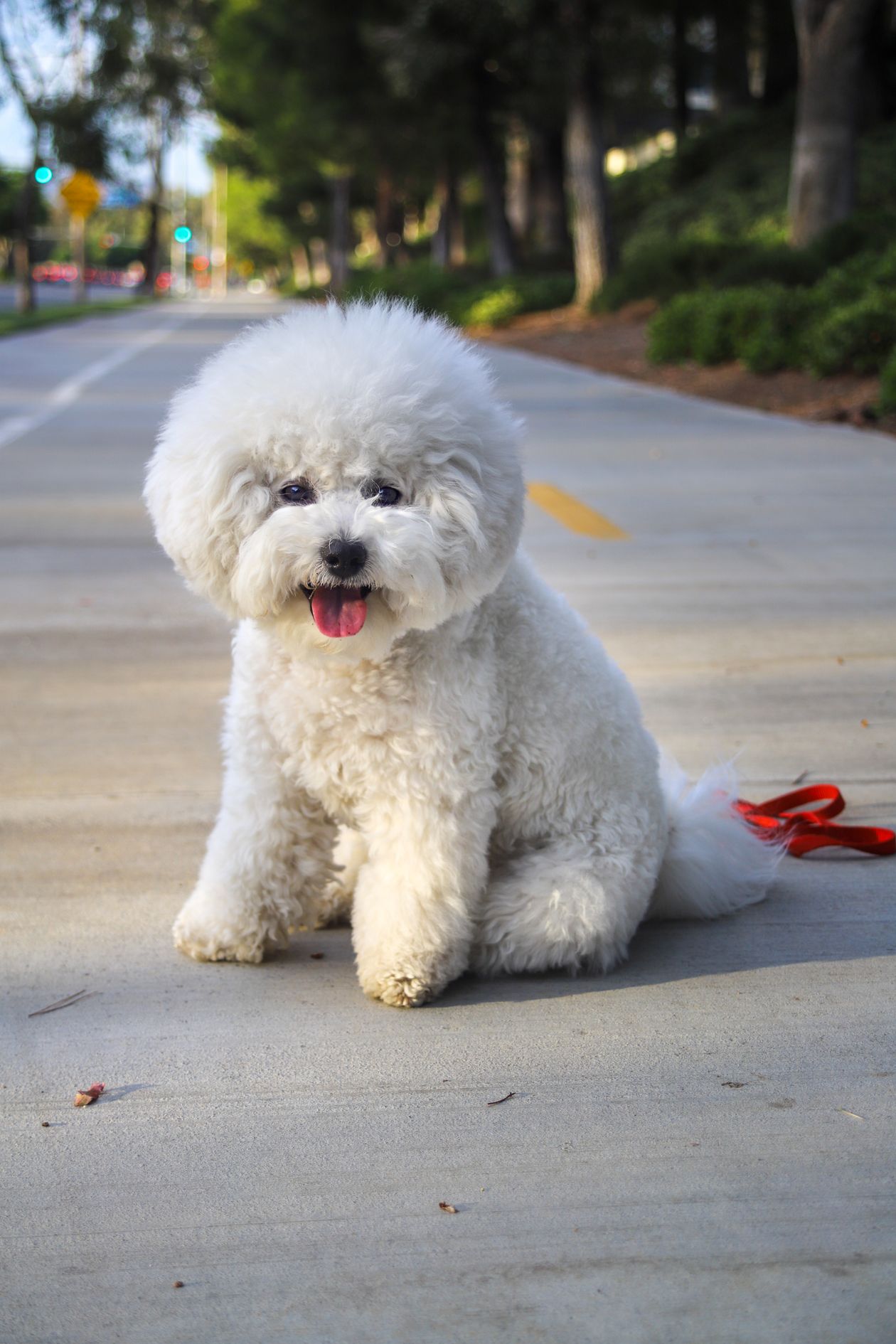
Bichon Frise has the classic soft, rounded powder-puff look. A grooming trim can make the head look especially spherical.
Cottony/wavy + drop ears
Coton de Tulear is larger than a Maltese on average and has a softer cotton-like coat rather than a straight curtain of hair.
Fluffy + drop ears + less sculpted outline
Bolognese is a small pure-white companion with a long fluffy coat, but the texture and styling usually look less sleek than Maltese.
Upright ears + sturdy terrier body
Westie. The hard white double coat, compact body and pointed ears are much more terrier-like than the Bichon-family dogs.
Upright ears + plume tail over back
Japanese Spitz or American Eskimo Dog. Both have a Nordic/spitz silhouette, dense white double coat and dark facial points.
Tight curls + refined muzzle
A white Toy or Miniature Poodle is a strong candidate. White is an accepted Poodle color, but the breed comes in many colors.
Silky/wavy coat + many possible colors
A Havanese can be white, but white alone is not breed-defining. Compare body shape, coat texture and provenance rather than color.
Nine Small White Dogs Compared at a Glance
The measurements below use breed-standard or breed-reference ranges where available. “Relative coat work” is Patify's editorial comparison of brushing, clipping/trimming and mat prevention—not an official score.
| Breed | Typical size clue | Ears | Coat clue | Relative coat work | Best visual giveaway |
|---|---|---|---|---|---|
| Maltese | 7–9 in; under 7 lb | Drop | Long, straight, silky | High | Tiny frame + silk curtain |
| Bichon Frise | 9.5–11.5 in; 12–18 lb | Drop | Soft, curly, plush | High | Rounded powder-puff outline |
| Westie | About 10–11 in; often 15–20 lb | Upright | Hard white double coat | Moderate–high | Terrier face + carrot-like tail |
| Coton de Tulear | 9–11 in; about 8–15 lb | Drop | Soft, cotton-like | High | Airy cotton texture |
| Bolognese | About 9.5–12 in; avg. 5.5–9 lb | Drop | Long, fluffy, pure white | High | Compact Bichon-family look |
| Japanese Spitz | About 12–15 in | Upright | Dense white double coat | Moderate | Fox-like face + tail over back |
| American Eskimo Dog | Toy 9–12 in; Mini 12–15 in | Upright | Straight white double coat | Moderate–high | Dense ruff + Nordic outline |
| White Toy/Mini Poodle | Toy ≤10 in; Mini >10–15 in | Drop | Dense curls | High | Curly coat + refined head |
| White Havanese | 8.5–11.5 in; about 7–13 lb | Drop | Long, silky/wavy | High | Soft plumed companion outline |
Important: adult size is more useful than puppy size. A young Japanese Spitz, American Eskimo Dog or even a larger mixed-breed puppy can temporarily look like a tiny white companion breed.
1. Maltese: Tiny, Silky and Usually the Smallest Candidate
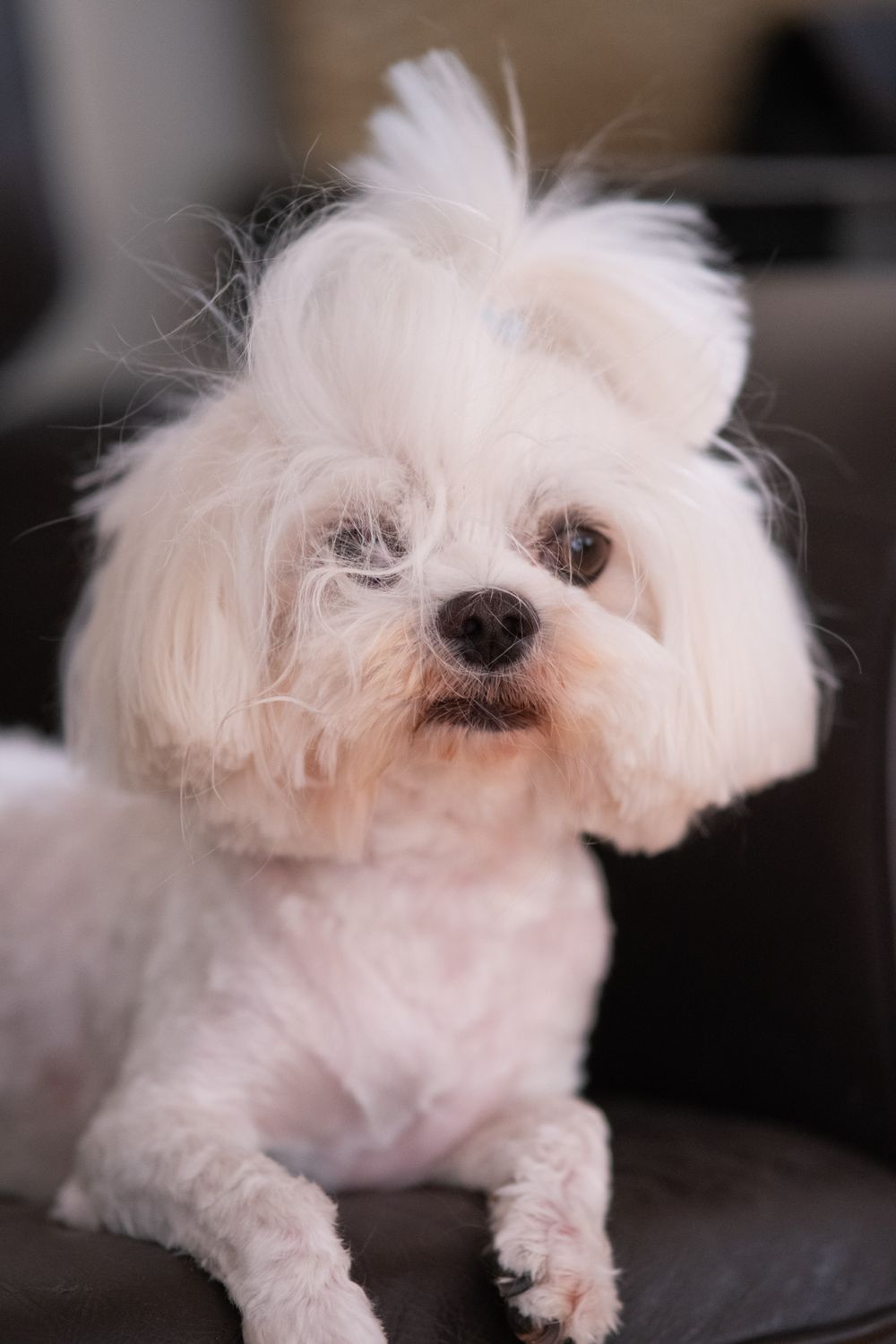
The Maltese is the strongest match when the dog is truly tiny and the coat looks like fine, straight white hair rather than curls. AKC guidance places adults at roughly 7–9 inches tall and under 7 pounds. The long show coat can reach the floor, although many pet Maltese wear a short “puppy cut,” which makes identification harder.
Look for drop ears, dark round eyes, a black nose and a compact toy-dog frame. A clipped Maltese can be confused with a Bichon or Coton, so compare texture: Maltese hair is characteristically straight and silky, while Bichon is curlier and Coton has a softer cotton-like feel.
Daily or near-daily coat care is common when the hair is kept long. AKC also notes that Maltese shed minimally, but “minimal shedding” should never be translated into “allergy-free.”
2. Bichon Frise: The Classic Curly White “Cloud”
A Bichon Frise is larger and sturdier than a Maltese, with adults commonly around 9.5–11.5 inches and 12–18 pounds. The identifying feature is not just whiteness—it is the soft, curly coat that can be groomed into the familiar rounded head and plush body.
If you see a little white dog with drop ears that disappear into a circular halo of curls, Bichon moves high on the shortlist. The coat sheds relatively little but requires substantial maintenance: brushing, mat prevention and professional grooming are normal parts of ownership.
Bichons are often marketed as “hypoallergenic,” but the American College of Allergy, Asthma & Immunology is explicit that no dog breed is truly allergy-free. Dog allergens are produced in dander, saliva and urine, not simply in shed hair.
3. West Highland White Terrier: Pointed Ears, Terrier Build, Very Different Personality Profile
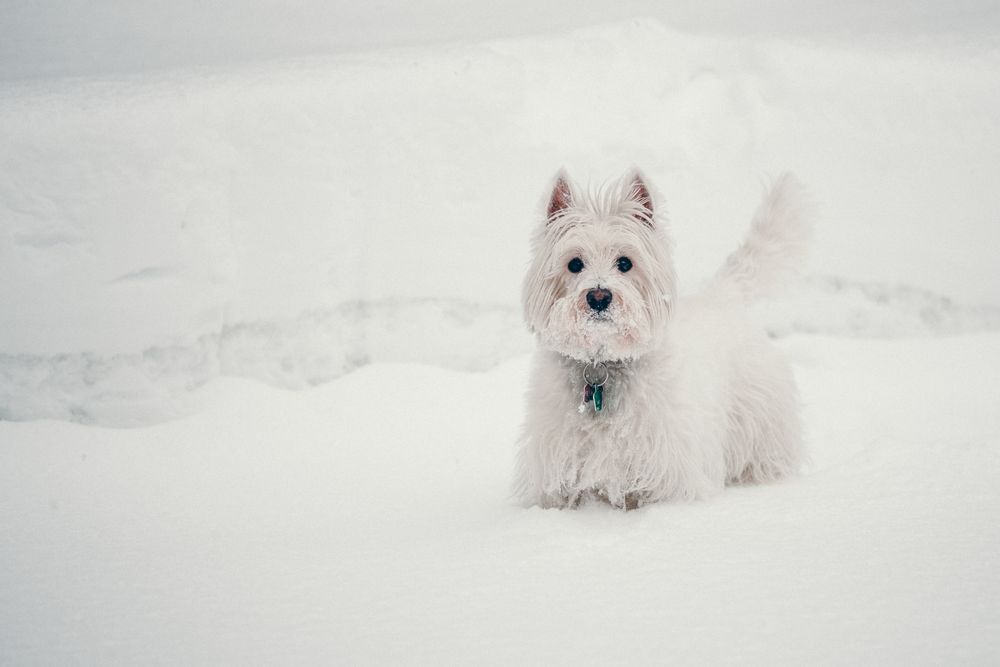
The West Highland White Terrier (Westie) is easy to separate from Maltese/Bichon types once you see the ears. The official AKC standard describes a compact, hardy terrier with upright ears and a hard white double coat; ideal height is about 11 inches for males and 10 inches for females.
PetMD places typical weight around 15–20 pounds and emphasizes the breed's energetic terrier background. That matters because “small white dog” does not automatically mean quiet lapdog. Westies were developed as working terriers, and many retain a strong interest in movement, play and chasing small animals.
Visually, look for a sturdier body, pointed ears, darker facial points and a more rugged coat texture. A groomed Westie can have a rounded face, but the underlying terrier silhouette remains different from a Bichon.
4. Coton de Tulear: Cotton Texture, More Substance Than a Maltese
The Coton de Tulear is one of the easiest breeds to confuse with a Maltese in photographs. AKC's direct Maltese-vs-Coton comparison highlights the most useful first clue: Cotons are generally larger. PetMD describes full-grown Cotons at roughly 9–11 inches and 8–15 pounds.
Coat texture is the second clue. “Coton” refers to the cotton-like character of the coat. It is not the sleek, straight sheet of a show Maltese, and it is not the tight powder-puff curl associated with Bichon grooming.
Color can also be less absolute than casual lists imply: Cotons are primarily white, but some individuals can show gray or other permitted markings. If the dog has a slightly bigger frame than a Maltese and a soft, airy coat with drop ears, Coton deserves a close comparison.
5. Bolognese: A Rare Pure-White Bichon-Family Companion
The Bolognese is a small Italian companion breed with a pure-white, long fluffy coat. UKC lists males around 10.5–12 inches, females around 9.5–11 inches, and average weight around 5.5–9 pounds.
At a glance it can sit between Maltese and Bichon in appearance: small, drop-eared and white, but typically with a looser, fluffy texture rather than the Maltese's straight silk or the Bichon's sculpted curls. Because the breed is less common in the U.S., a dog that “looks Bolognese” is not necessarily one—provenance matters.
This is a good example of why identification guides should narrow possibilities rather than create certainty. Many companion breeds, mixes and pet trims can converge on the same “small white fluffy dog” silhouette.
6. Japanese Spitz: Small White Spitz With Prick Ears
The Japanese Spitz changes the identification pattern completely. UKC's standard describes a pure-white dog with small triangular upright ears, a pointed muzzle, dense double coat and a tail carried over the back. Males are about 12–15 inches tall and females about 12–14 inches.
If the dog looks like a miniature white Nordic dog rather than a drop-eared lapdog, compare Japanese Spitz and American Eskimo Dog first. Both can have the bright white coat, black nose and dark eyes that create a high-contrast “fox face.”
Do not rely on size alone: Japanese Spitz and the miniature American Eskimo overlap substantially in height. Registration history, pedigree and the finer details of breed standard are more reliable than a casual photo guess.
7. American Eskimo Dog: Toy, Miniature and Standard Sizes
The American Eskimo Dog (Eskie) is especially relevant to U.S. searches because the AKC standard recognizes three height divisions: Toy 9–12 inches, Miniature over 12–15 inches, and Standard over 15–19 inches. For a “small white dog” search, Toy and Miniature Eskies are the key comparisons.
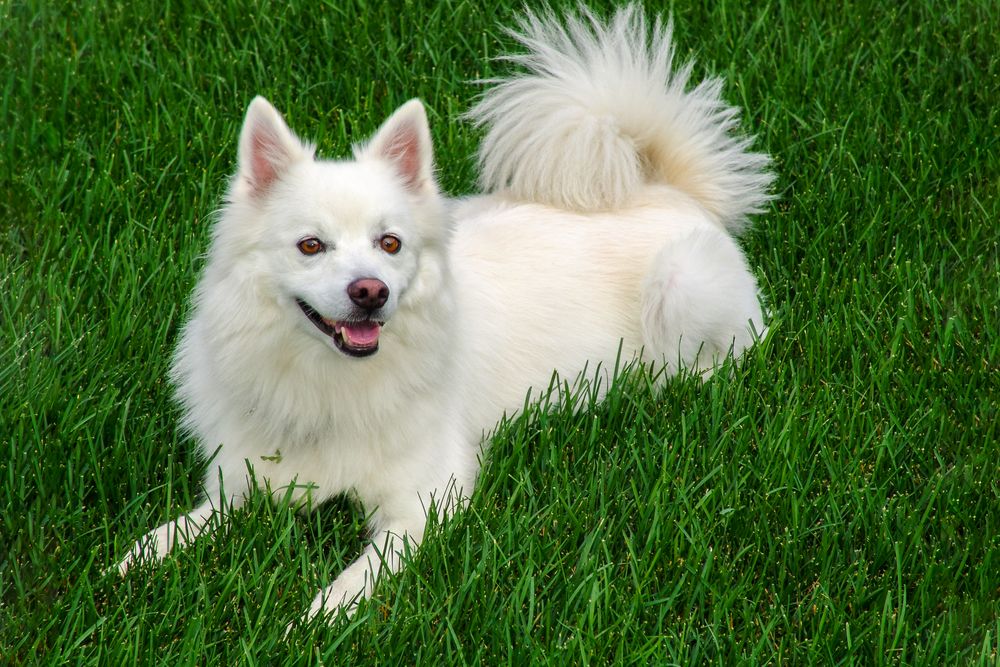
The standard calls for an all-white or white-with-biscuit-cream dog with upright triangular ears, a dense undercoat, straight outer coat, neck ruff and a plumed tail carried over the back. Compared with a Japanese Spitz, an Eskie may look extremely similar to a casual observer.
Unlike the low-shedding Bichon-family coats, a Nordic double coat means visible seasonal shedding is part of the picture. Owners should choose based on the full care profile, not just the clean white appearance.
8. White Toy or Miniature Poodle: White Is a Color, Not a Separate Breed
A white Poodle often appears in small-white-dog searches, but “white Poodle” is a color description. AKC recognizes multiple Poodle colors, including white. The Toy variety is 10 inches or under; the Miniature is over 10 inches and up to 15 inches.
The main visual clues are a dense curly coat, long refined muzzle, drop ears and the characteristic Poodle outline underneath whatever clip the dog is wearing. A short teddy-bear trim can make a Poodle resemble a Bichon, while a traditional clip makes the distinction obvious.
Poodles shed minimally, but the tradeoff is coat maintenance: curls continue to grow and mat if neglected, so regular brushing and clipping are central to care. Again, low shedding does not mean zero allergens.
9. White Havanese: A White-Coated Look-Alike, Not an Exclusively White Breed
Havanese come in many colors, but a white individual can easily enter the same visual shortlist. AKC describes the breed at roughly 8.5–11.5 inches and 7–13 pounds, with a long silky coat and plumed tail.
Use this comparison when the dog looks like a small drop-eared companion but the coat is more flowing or wavy than Bichon curls. Because Havanese can appear in many colors, “small white Havanese-looking dog” is a visual description—not evidence that the dog belongs to a white-only breed.
This is also why search lists that promise “all white dog breeds” often mix two different concepts: breeds whose standards are essentially white, and breeds that simply permit white among many colors.
White Coat Does Not Tell You the Grooming or Shedding Level
One of the most useful corrections to make before choosing among small white dog breeds is this: coat color predicts almost nothing about maintenance by itself. The work comes from texture, length, growth pattern, undercoat and the trim you choose.
| Coat type | Examples | What owners should expect |
|---|---|---|
| Long silky hair | Maltese, Havanese | Frequent combing; mats form where friction occurs; short pet trims reduce daily work but do not eliminate grooming. |
| Curly, continuously growing coat | Bichon, Poodle | Low visible shedding, but substantial brushing and professional clipping/trimming. |
| Cottony/fluffy companion coat | Coton, Bolognese | Regular detangling and mat prevention; coat can hide knots close to the skin. |
| Hard terrier double coat | Westie | Routine brushing and breed-appropriate trimming/stripping choices; not the same maintenance as a Bichon. |
| Nordic double coat | Japanese Spitz, American Eskimo | Regular brushing plus heavier seasonal shedding; do not treat the dense undercoat like a continuously growing Poodle coat. |
What about tear stains on white dogs?
Reddish-brown staining is simply easier to see on light fur. PetMD notes that tear stains can result from tear overflow or drainage issues and may be more visible in white-coated dogs. A dog that has always had mild staining is different from a dog that suddenly develops heavy tearing, eye irritation, squinting or discharge. New or worsening eye signs deserve veterinary evaluation rather than cosmetic treatment alone.
Are these dogs hypoallergenic?
No breed can be guaranteed allergy-free. ACAAI explains that dog allergens occur in dander, saliva and urine, and studies have not shown a reliable “hypoallergenic breed” category. Low-shedding dogs may be easier for some households to manage, but an allergy-sensitive person should discuss risk with an allergist and, when practical, spend time around the individual dog before committing.
Which Small White Dog Fits Your Lifestyle?
Do not choose from photographs alone. Once you have narrowed the visual shortlist, move to the variables that affect daily life.
If you want the tiniest companion
Maltese is the clearest fit in this list by adult size. A Toy Poodle can also be very small, but brings a different coat and training profile.
If you want curly and low-shedding
Bichon Frise and white Toy/Miniature Poodle are the obvious comparisons. Expect professional coat maintenance even when shedding is limited.
If you like a terrier personality and sturdier build
Westie stands apart. Do not buy one expecting the same temperament or prey-drive profile as a companion-only lapdog.
If you want a cottony companion coat
Coton de Tulear and Bolognese deserve the closest look. Both require real grooming time despite their soft appearance.
If you love upright ears and a fox-like face
Japanese Spitz and Toy/Miniature American Eskimo Dog are the main small white spitz choices here. They are not low-shed curly-coat dogs.
If you are mainly choosing for allergies
Do not let “hypoallergenic” marketing make the decision. Start with an allergist, then evaluate the individual dog and the real grooming burden.
If your priority is specifically a calmer companion rather than coat color, compare Patify's low-energy dog breeds guide. If the dog you saw was much larger than the breeds here, use our big white fluffy dog breeds comparison instead.
A Five-Question Identification Check
- Are the ears upright or dropped? Upright immediately moves you toward Westie or spitz-type dogs; drop ears keep Maltese/Bichon/Coton/Bolognese/Poodle/Havanese in play.
- Is the coat straight, curly, cottony, rough or double-coated? Texture is more discriminating than color.
- Where is the tail? A plume carried over the back is a strong spitz clue; terrier and companion breeds carry differently.
- How big is the adult dog really? “Small” can mean under 7 pounds in Maltese or closer to 20 pounds in a Westie or miniature spitz.
- Do you know the dog's history? Pedigree, rescue records, breeder paperwork and—if needed—DNA testing are more informative than a photo.
A haircut can alter almost every superficial clue. If you are identifying a newly groomed rescue dog, wait for coat regrowth and combine appearance with adult size, structure and any known history.
Frequently Asked Questions
What is the small white fluffy dog breed called?
There is no single answer. Bichon Frise, Maltese, Coton de Tulear, Bolognese, Westie, Japanese Spitz, American Eskimo Dog, white Poodles and white Havanese can all match that description. Coat texture and ears are the fastest first clues.
What is the smallest white dog breed in this guide?
Maltese are among the smallest here: AKC guidance places them at 7–9 inches and under 7 pounds. Toy Poodles can also be very small, but white is only one of several Poodle colors.
What small white dog has pointy ears?
West Highland White Terriers, Japanese Spitz and American Eskimo Dogs all have upright ears. Westies have a terrier outline; the two spitz breeds have denser Nordic coats and plumed tails carried over the back.
What small white dog has curly hair?
Bichon Frise and white Toy/Miniature Poodles are the clearest curly-coated comparisons. Bichons are famous for the rounded powder-puff trim; Poodles have a more refined build and come in many colors.
Are Maltese and Coton de Tulear the same?
No. They are separate breeds. AKC's direct comparison notes that Cotons are generally larger, and their cotton-like coat differs from the Maltese's long silky coat.
Which small white dogs do not shed?
No dog is literally no-shed. Maltese, Bichons and Poodles tend to shed less visibly than double-coated spitz breeds, but their coats require substantial grooming. Low shedding also does not make a dog allergy-free.
Why does my white dog have brown marks under the eyes?
Tear staining is especially visible on light fur. It can be cosmetic, but excess tearing can also reflect eye or drainage problems. If staining appears suddenly or comes with squinting, redness, pain or discharge, have a veterinarian evaluate the dog.
Can I identify a small white dog from one photo?
You can build a reasonable shortlist, especially from ears, coat and adult size, but grooming and mixed ancestry can make visual identification misleading. Treat a photo ID as an estimate rather than proof.
Bottom Line
For a small white dog, start with structure: silky + tiny points toward Maltese; curly + round toward Bichon; cottony + slightly larger toward Coton; upright ears + terrier build toward Westie; and upright ears + plume tail toward Japanese Spitz or American Eskimo Dog. Bolognese, white Poodles and white Havanese complete the most useful look-alike shortlist.
Then make the ownership decision on more than looks. Grooming time, shedding pattern, exercise, training, health screening, household routine and the individual dog's temperament will matter every day long after the novelty of a snow-white coat wears off.