Browse topics (55)

Health Articles

Health

129 articles found • Page 8 of 15

Dog Ate a THC Edible: Symptoms, Emergency Steps and What the Vet Needs to Know

THC intoxication in dogs is usually treatable with prompt supportive care, but edibles can be more complicated than cannabis alone because they may also contain chocolate, xylitol, raisins or large amounts of fat. This evergreen emergency guide explains what to do immediately, why there is no useful home 'safe dose,' which signs require emergency care, when veterinary decontamination may still be considered, why human urine drug screens are unreliable in dogs, and how to give the veterinary team the product information they need without delaying treatment.

12 min
722

Peanut Butter, Xylitol and “Birch Sugar”: A Dog-Safe Label Guide

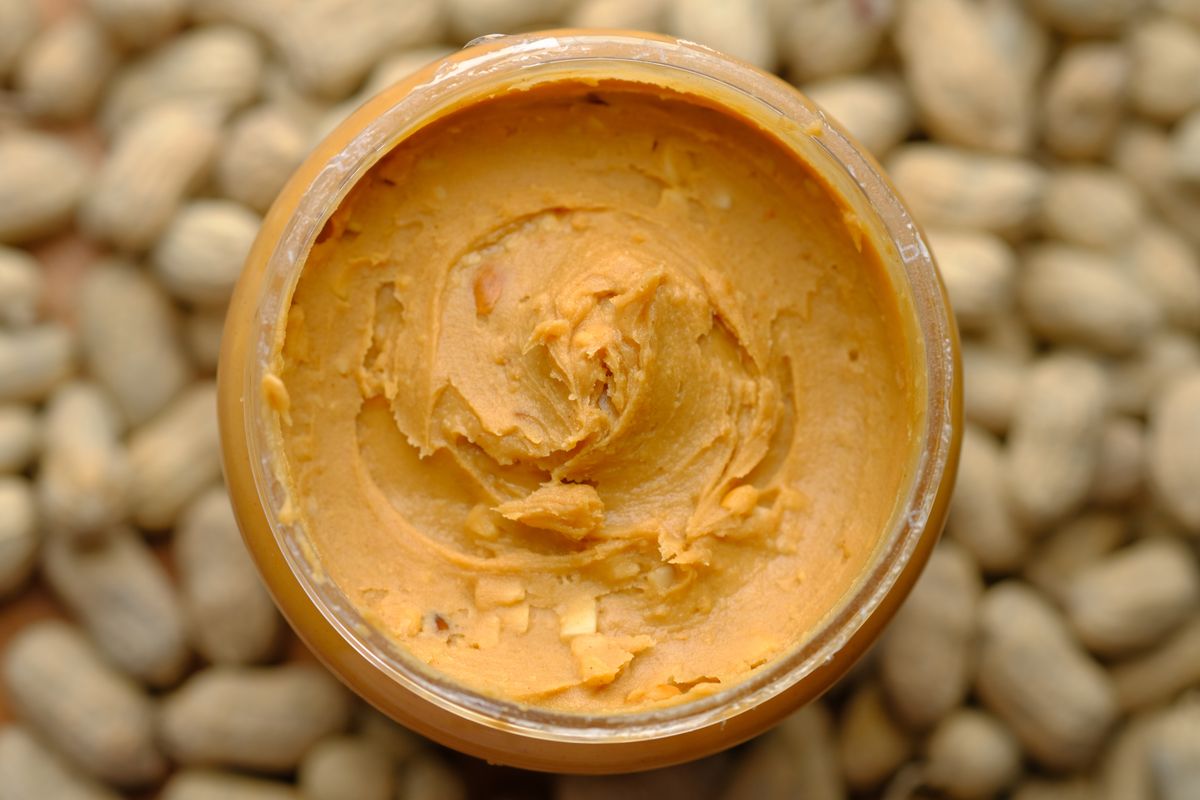
Some peanut and nut butters can contain xylitol, a sweetener that is highly toxic to dogs. The FDA warns that xylitol may also be known as birch sugar, wood sugar or birch bark extract, but those terms should not be framed as a coordinated hidden rebrand. This evergreen guide shows dog owners how to read peanut-butter labels, why permanent brand lists age badly, what the 0.1 g/kg and 0.5 g/kg veterinary risk thresholds mean, how symptoms can be delayed, and what to do immediately after a suspected exposure.

12 min
1.4k

Sago Palm Poisoning in Dogs: Symptoms, Timeline & What to Do

Sago palm (cycad) ingestion is a veterinary emergency. All parts are toxic and the seeds are the most dangerous; ASPCA notes that 1–2 seeds can be fatal. Early vomiting or diarrhea can appear within minutes to hours, while liver injury may not become obvious until 48–72 hours later. Learn what to do immediately, which signs matter, what not to do at home, and how veterinarians monitor and treat cycad poisoning.

11 min
636

Xylitol (Birch Sugar) and Dogs: Peanut Butter Warning, Toxic Doses and What to Do

Xylitol is highly toxic to dogs and may also be described as birch sugar or wood sugar in consumer-facing language. Some peanut and nut butters, sugar-free foods, gum, supplements, medicines and dental products can contain it. This evergreen emergency guide explains how to read labels without relying on viral 'hidden ingredient' claims, what the 0.1 g/kg and 0.5 g/kg veterinary risk thresholds actually mean, why symptoms may appear quickly or be delayed, and what to do immediately if a dog may have swallowed xylitol.

11 min
572

Alberta Cat Insurance Premiums 2026: Highest Rates, Best Coverage & Exotic Breed Guide

Alberta cat owners face rising vet costs — CARE Calgary emergency surgery averages $4,800. This guide compares Trupanion (direct billing at CARE Calgary and Guardian Edmonton), Petsecure (four tiers, wellness add-on) and Lemonade Canada for Alberta exotic cat owners. Includes breed-specific premium tables (Maine Coon, Sphynx, Bengal, Persian, Ragdoll) for Calgary/Edmonton, rural Alberta insurance gap analysis, out-of-province referral coverage, H5N1 coverage by insurer, and pre-existing condition traps for Alberta exotic breeds.

14 min
650

Coyote Vests for Small Dogs in Colorado: Do Protective Vests Work?

Protective coyote vests can add a physical and visual layer of protection for small dogs, but they do not make a dog predator-proof. This evergreen Colorado guide explains what spike and stab-resistant vests are designed to do, where the evidence is limited, how to choose and fit one, and why Colorado Parks and Wildlife still prioritizes short leashes, supervision and wildlife-aware trail behavior.

12 min
737

Hawaii Pet Quarantine: Direct Airport Release, FAVN Test and Entry Checklist

Bringing a dog or cat to Hawaiʻi does not automatically mean a 120-day stay in quarantine. Pets that meet Hawaiʻi Department of Agriculture & Biosecurity requirements can qualify for Direct Airport Release or the 5 Day Or Less program. This evergreen guide explains the real order of microchip, rabies vaccinations and FAVN testing, the 30-day waiting rules, Honolulu versus neighbor-island entry, health-certificate and tick-treatment requirements, the HIPOP online application option, current fees, service-dog rules and common release delays.

14 min
2.9k

H5N1 and Cats in Ontario: Indoor Safety, Raw Food and Bird Exposure

H5N1 can infect cats after contact with infected birds, contaminated environments or raw animal products. This Ontario-focused guide separates confirmed history from current risk, explains what to do after dead-bird exposure, why Canadian authorities advise against raw meat and raw milk for pets, which symptoms need veterinary attention, and how to check current Ontario H5N1 activity without relying on an outdated regional risk map.

12 min
740