
Browse topics (55)

Pet Care Articles & Guides

Guide

349 articles found • Page 26 of 39

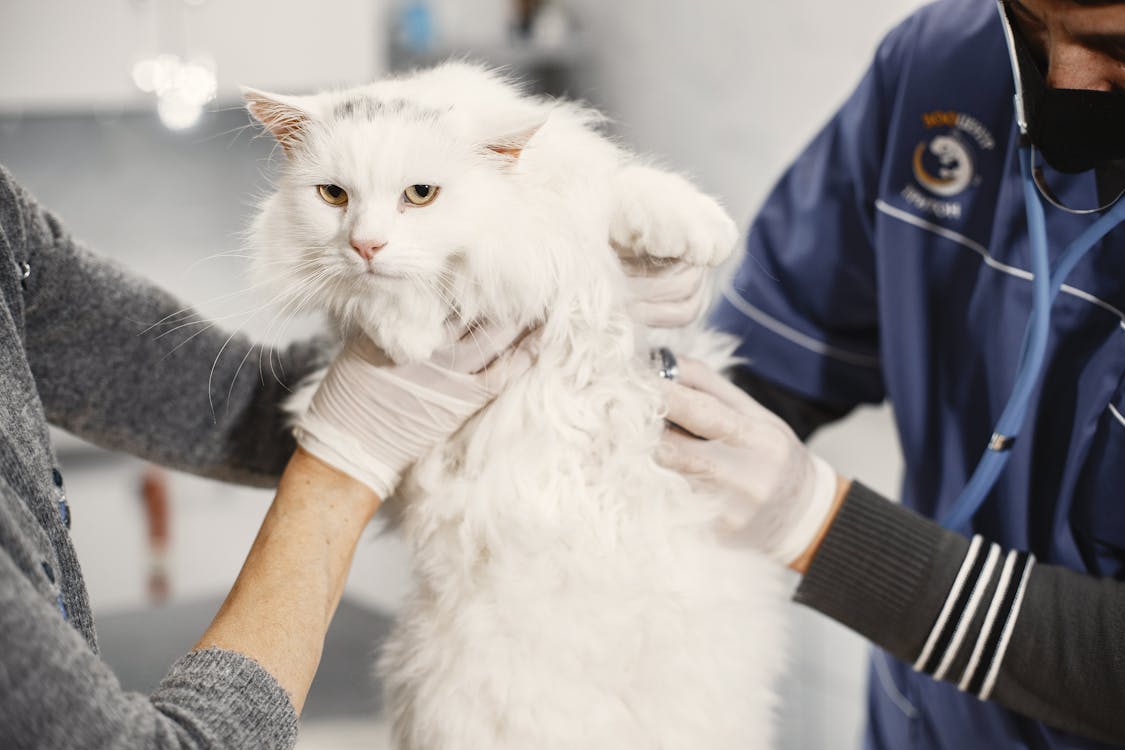
Quebec Senior Cat Vet Costs: What Montreal and Quebec City Owners Should Budget

Quebec does not publish a reliable citywide dataset proving Montreal veterinary care is 15–25% more expensive than Quebec City. This updated guide uses the AMVQ's official 2026 senior-cat cost estimate as the province-wide benchmark, then explains how dental care, CKD, hyperthyroidism, arthritis, insurance and specialist referrals can change the budget — with verified Montreal pricing examples and a safer method for comparing clinics.

13 min
1.2k

Road Salt & Ice Melt and Dogs in Canada: Paw Irritation, Poisoning Signs & What to Do

Road salt and ice melt can irritate dog paws and cause poisoning when enough is swallowed. A few paw licks usually cause little more than mild GI upset, while concentrated ingestion can cause electrolyte abnormalities and neurologic signs. Learn the safest post-walk paw routine, ingredient-specific risks, emergency warning signs, and what Canadian dog owners should do after winter exposure.

12 min
352

Feline Hyperthyroidism in Saskatchewan: WCVM Radioiodine, Methimazole and Costs

Radioactive iodine for feline hyperthyroidism is available in Saskatchewan at the WCVM Veterinary Medical Centre in Saskatoon. This updated guide explains WCVM's I-131 program, current public waiting-list and deposit information, pre-treatment testing, kidney considerations, methimazole, Hill's y/d, insurance questions and telehealth limits — replacing outdated claims that Saskatchewan cats must travel to Calgary.

13 min
540

Dog Ate a THC Edible: Symptoms, Emergency Steps and What the Vet Needs to Know

THC intoxication in dogs is usually treatable with prompt supportive care, but edibles can be more complicated than cannabis alone because they may also contain chocolate, xylitol, raisins or large amounts of fat. This evergreen emergency guide explains what to do immediately, why there is no useful home 'safe dose,' which signs require emergency care, when veterinary decontamination may still be considered, why human urine drug screens are unreliable in dogs, and how to give the veterinary team the product information they need without delaying treatment.

12 min
721

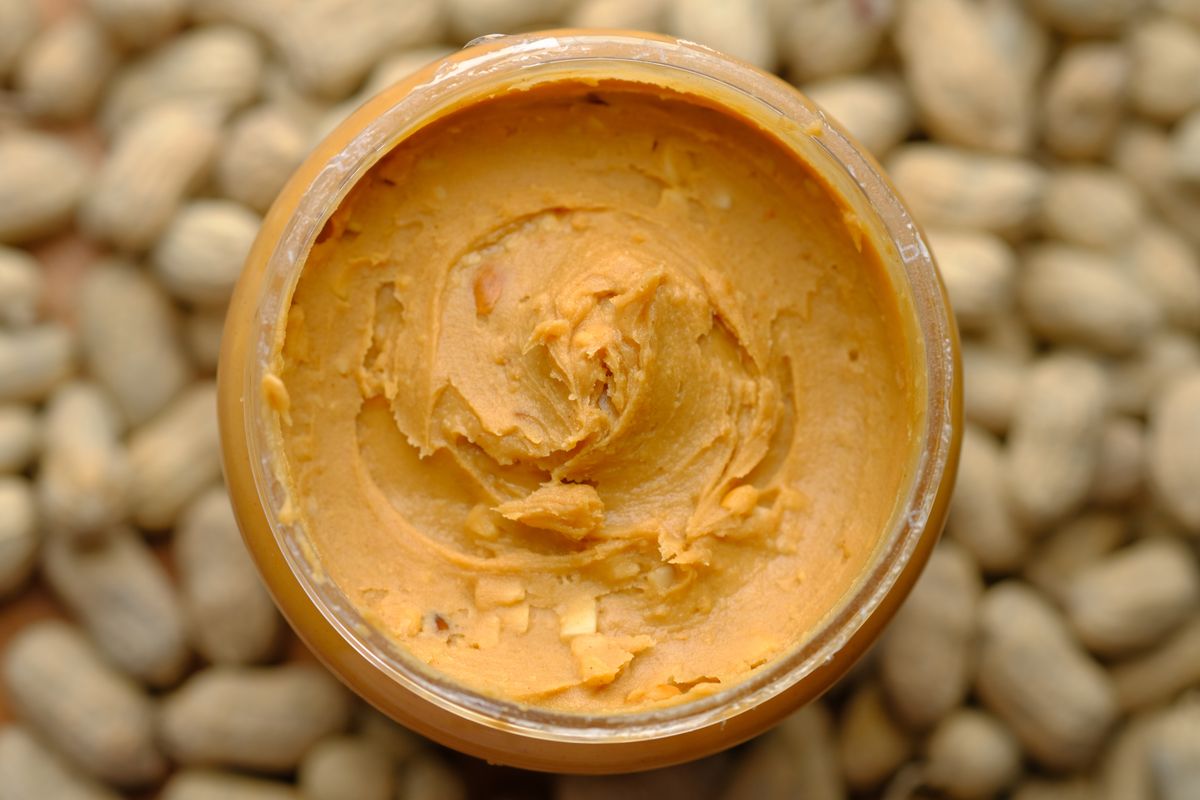
Peanut Butter, Xylitol and “Birch Sugar”: A Dog-Safe Label Guide

Some peanut and nut butters can contain xylitol, a sweetener that is highly toxic to dogs. The FDA warns that xylitol may also be known as birch sugar, wood sugar or birch bark extract, but those terms should not be framed as a coordinated hidden rebrand. This evergreen guide shows dog owners how to read peanut-butter labels, why permanent brand lists age badly, what the 0.1 g/kg and 0.5 g/kg veterinary risk thresholds mean, how symptoms can be delayed, and what to do immediately after a suspected exposure.

12 min
1.4k

Sago Palm Poisoning in Dogs: Symptoms, Timeline & What to Do

Sago palm (cycad) ingestion is a veterinary emergency. All parts are toxic and the seeds are the most dangerous; ASPCA notes that 1–2 seeds can be fatal. Early vomiting or diarrhea can appear within minutes to hours, while liver injury may not become obvious until 48–72 hours later. Learn what to do immediately, which signs matter, what not to do at home, and how veterinarians monitor and treat cycad poisoning.

11 min
635

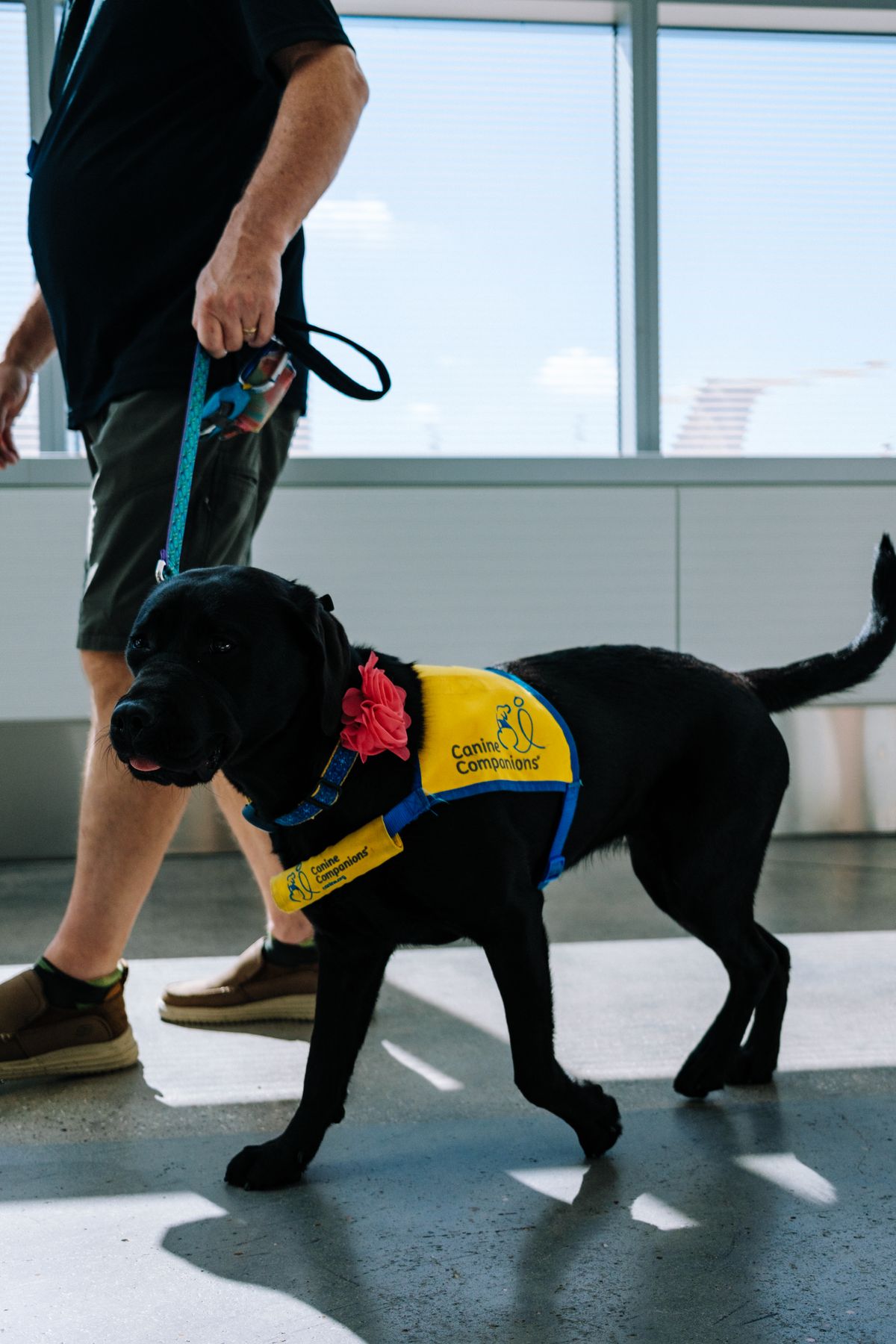
Fake Service Dog Laws: Vests, Misrepresentation Penalties and ADA Rules

A service-dog vest, ID card or online certificate does not make a dog a service animal under the ADA—and a legitimate service dog does not need any of them. As of 2026, Animal Legal & Historical Center tracks 35 states with laws specifically targeting fraudulent representation of pets as service animals in public-access contexts, but penalties and legal elements vary widely. This evergreen guide explains what the ADA actually requires, what businesses may ask, why behavior alone cannot prove fraud, how ESAs, housing and air travel use different federal rules, and what selected state misrepresentation laws really say.

14 min
774